
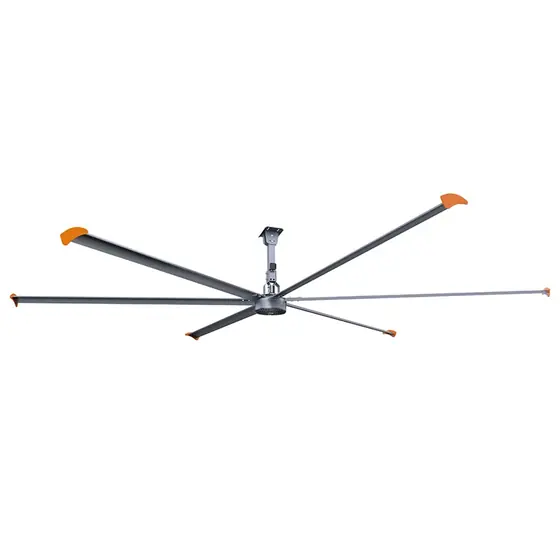
 HVLS Ceiling Fan
Industrial Ceiling Fan
A direct-drive IE5 fan that covers up to 1,700 m2 of high-bay floor on 1.5 kW, with no gearbox and no oil change for the life of the installation.
Products
HVLS Ceiling FanHVLS Floor FanWall FanHigh Temperature Axial FanDiesel GeneratorAll ProductsIndustries
Warehouse and LogisticsManufacturing WorkshopsCommercial and Public SpacesAgriculture and Livestock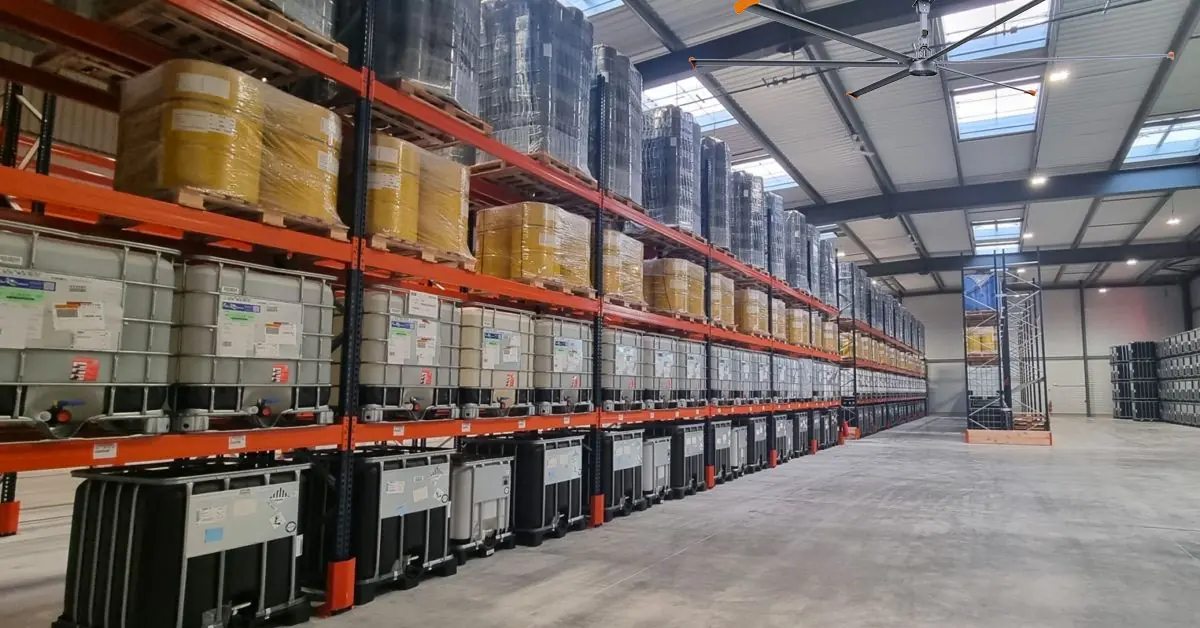
Five ranges, ten products, no pagination and nothing withheld. Jump to a range or scroll through the lot.
High volume low speed means exactly what it says. A blade set between 2.4 m and 7.3 m across, turning slowly, moves a wide column of air to the floor and out along it. That column is what people feel, and it is why a building with a 9 m...
HVLS Ceiling Fan
A direct-drive IE5 fan that covers up to 1,700 m2 of high-bay floor on 1.5 kW, with no gearbox and no oil change for the life of the installation.
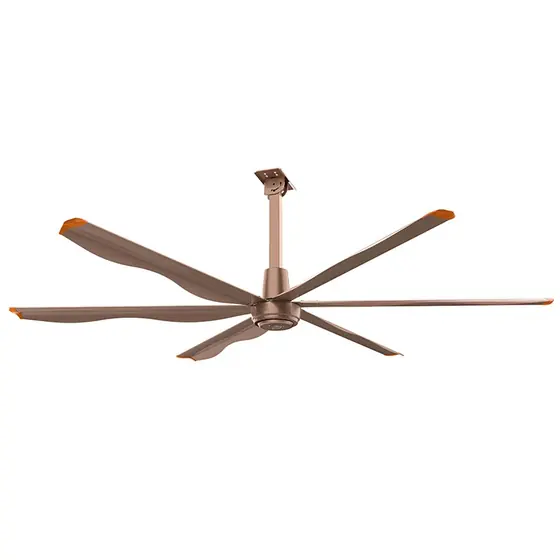 HVLS Ceiling Fan
For rooms under about 7 m where the fan is part of the interior: 330 m2 of coverage, under 38 dB, and a bronze airfoil blade that does not look like plant equipment.
Everything good about an HVLS ceiling fan, on four casters. The same permanent magnet external rotor motor and the same aerodynamic blade principle, in a wheeled format for buildings where hanging a fan from the roof is either impossible...
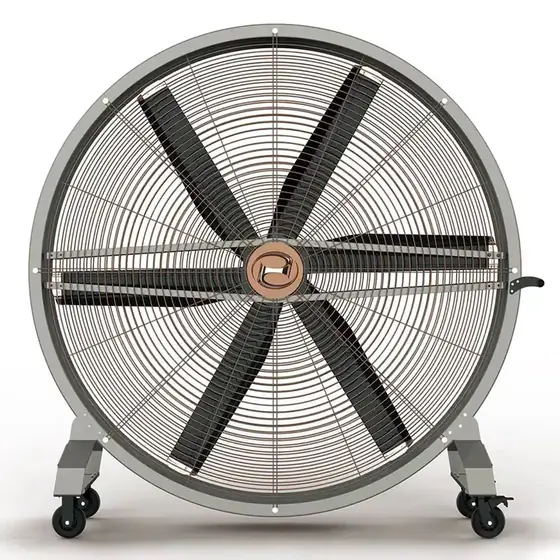 HVLS Floor Fan
A wheeled HVLS fan that throws air up to 28 m in open space, for bays where nothing can be hung from the roof and the cooling has to follow the work.
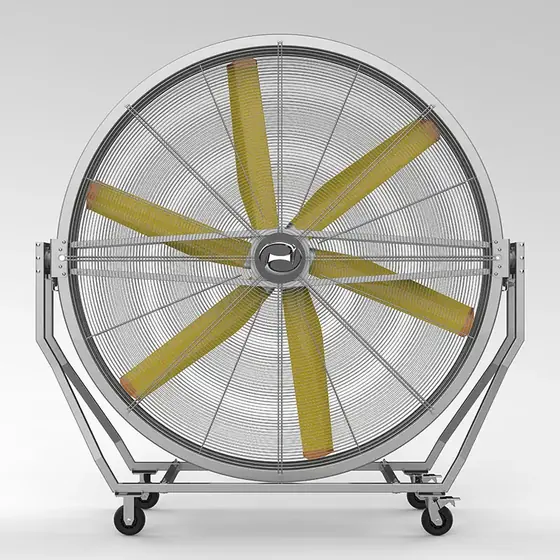 HVLS Floor Fan
Three sizes, four wheels, IP55, and a pivot that puts the air where the work is rather than where the fan happens to point.
A circulating fan makes a hot building more bearable. An exhaust fan makes it cooler, because it removes the hot air and pulls cooler outside air in behind it. In any building with a process heat load, a fume source or a humidity problem,...
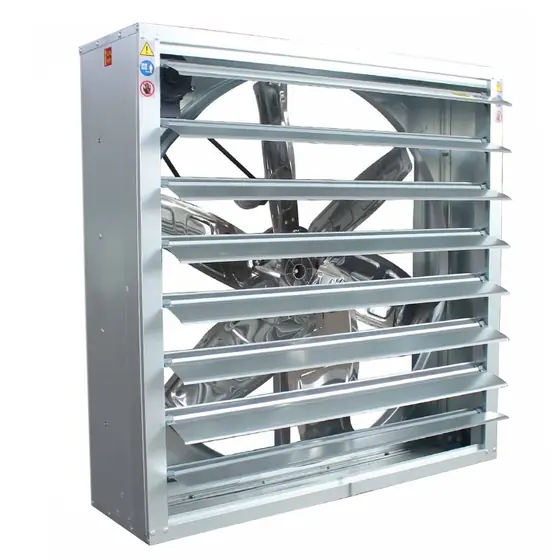 Wall Fan
One-piece formed housing with extra-thick zinc coating, automatic shutters and a bottom drain, for negative-pressure ventilation in hot, humid and smelly buildings.
Four related ranges built around one idea: in a drying kiln or a hazardous area, the fan fails at the motor. Every fan in this category uses an all-copper H class 180 C motor with modified polyester imide enamelled wire, an aluminium alloy...
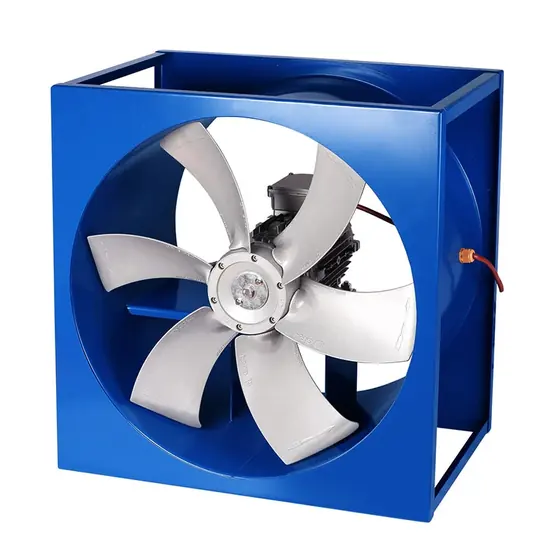 High Temperature Axial Fan
Rated for 130 C ambient and 98 percent humidity, in eleven diameters and four mounting types, for paint lines, tobacco, rubber, pharmaceutical and timber drying.
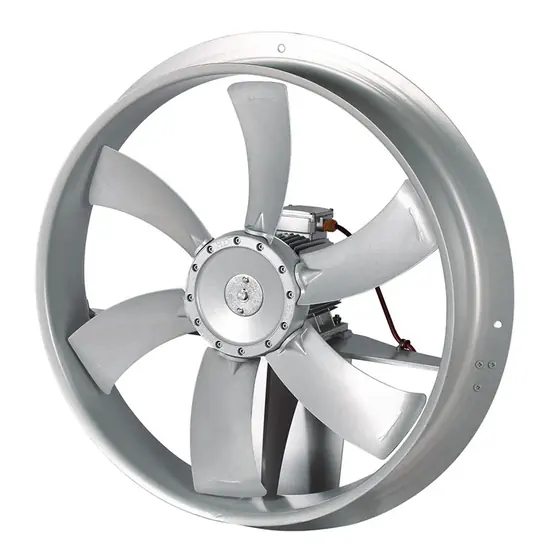 High Temperature Axial Fan
A wall type kiln fan in all aluminium, eight diameters from 400 mm to 1000 mm, built for reversible duty at 130 C and 98 percent humidity.
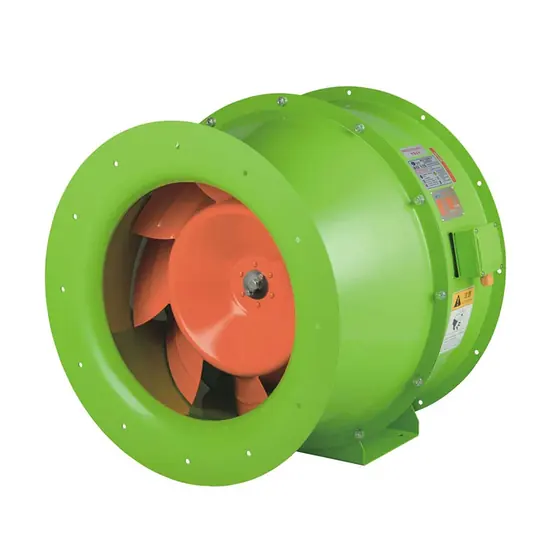 High Temperature Axial Fan
A patented diagonal flow design that cuts 40 to 50 minutes off a 15 T drying run and drops the noise from over 110 dB to within 85 dB.
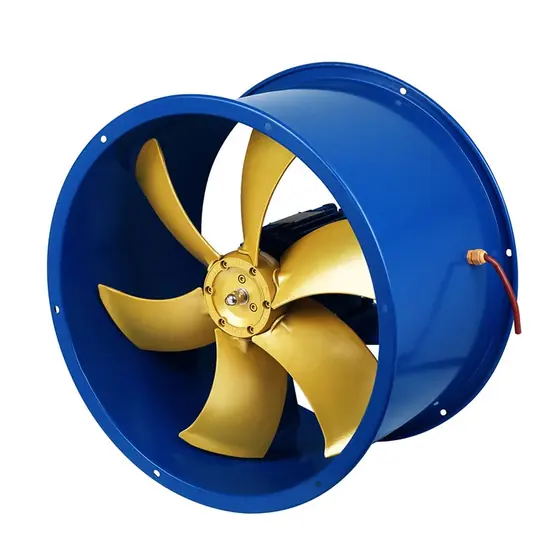 High Temperature Axial Fan
ExdIIBT4 marked to GB3836.2 and IEC 60079 for Zone 1 and Zone 2 areas, in four mounting types and six diameters.
Ventilation equipment only helps if there is power to run it. Diamond supplies diesel generating sets as a first-class agent for Yuchai, in open, silent, trailer and container formats, with the container type by far the most popular among...
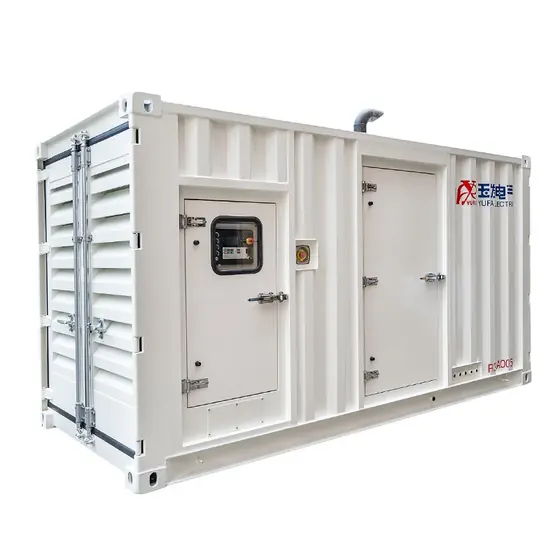 Diesel Generator
Yuchai engines in a fully closed container with high-density insulation foam, Rockwool silencers and 304 stainless fixings throughout.
Ten, across five ranges: two HVLS ceiling fans, two HVLS floor and stand fans, one wall exhaust fan, four high-temperature axial fans and one container diesel generator. This page lists every one of them with nothing held back for a printed catalogue.
Because they depend on the diameter, the rating or the duty and we will not publish an invented number. Anything marked TBC is confirmed on the specification sheet issued with your quotation.
Yes. Ceiling fans, exhaust fans, axial fans and spares consolidate into one container. The axial items all declare under HS 8414599099.
Yes. Blade colour, housing colour and nameplate branding can follow your specification on production orders, and product data and layout support are provided for your own quotations.
Start from the building rather than the product. Send the length, width, clear height, what breaks up the space and the grid voltage, and we will tell you which range fits and which does not.
Send the dimensions and the duty. We will say which product is right and, just as usefully, which one is not.