
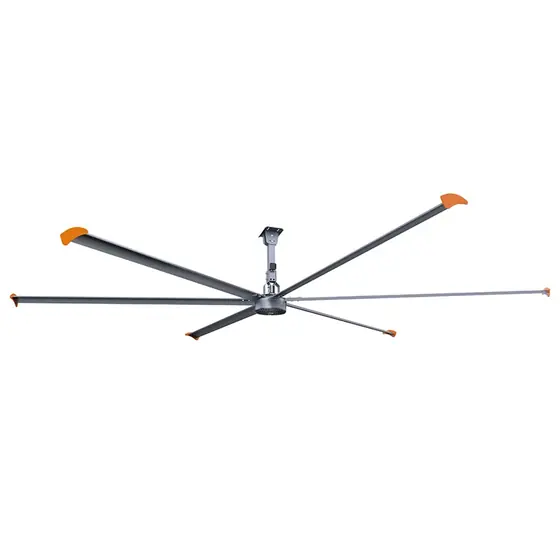
 HVLS Ceiling Fan
Industrial Ceiling Fan
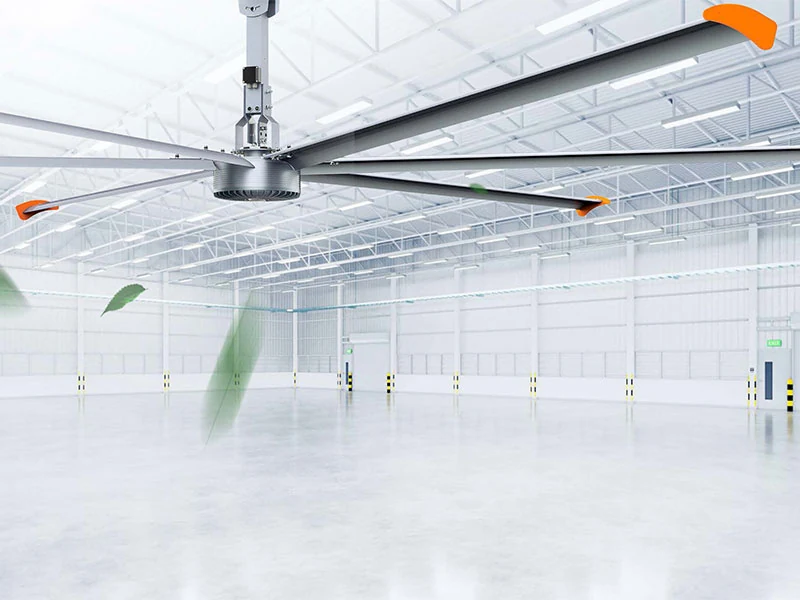
A direct-drive IE5 fan that covers up to 1,700 m2 of high-bay floor on 1.5 kW, with no gearbox and no oil change for the life of the installation.
Products
HVLS Ceiling FanHVLS Floor FanWall FanHigh Temperature Axial FanDiesel GeneratorAll ProductsIndustries
Warehouse and LogisticsManufacturing WorkshopsCommercial and Public SpacesAgriculture and Livestock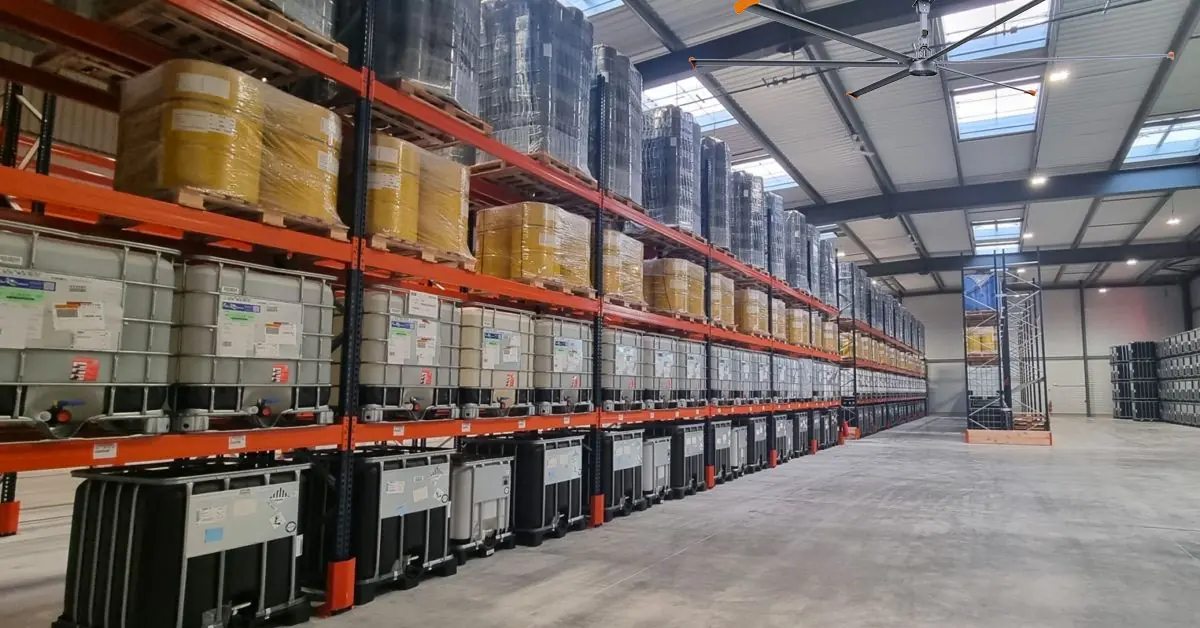
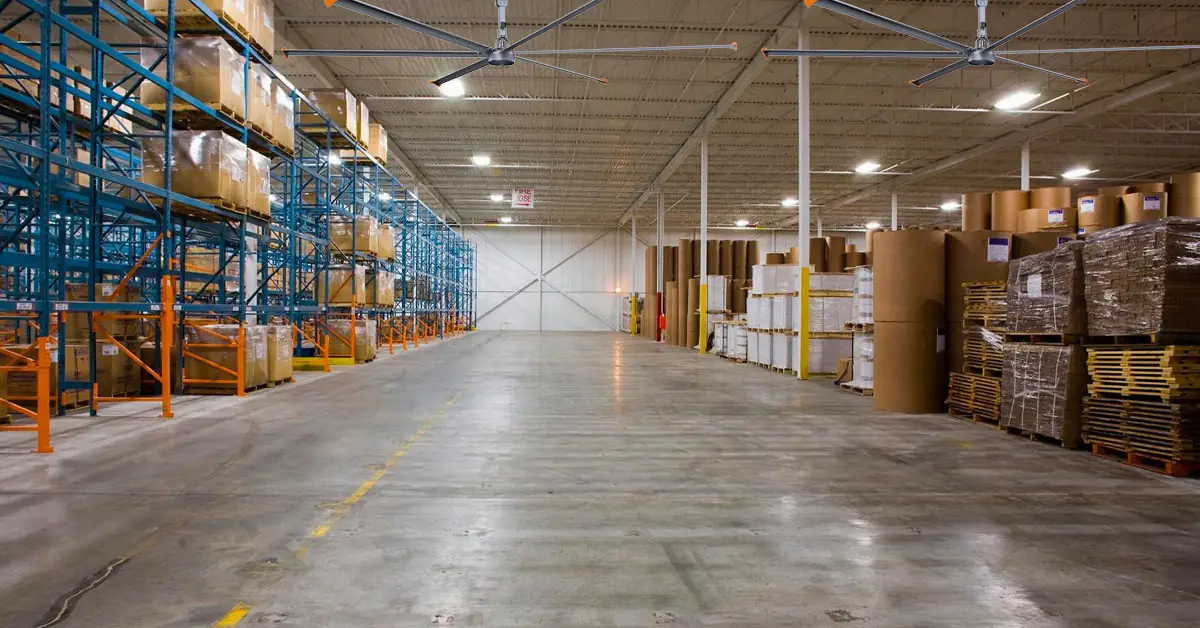
A single 7.3 m Diamond HVLS fan moves air across up to 1,700 m2 of warehouse floor on 1.5 kW. It replaces rows of small drum fans that each need power, cleaning and replacing.
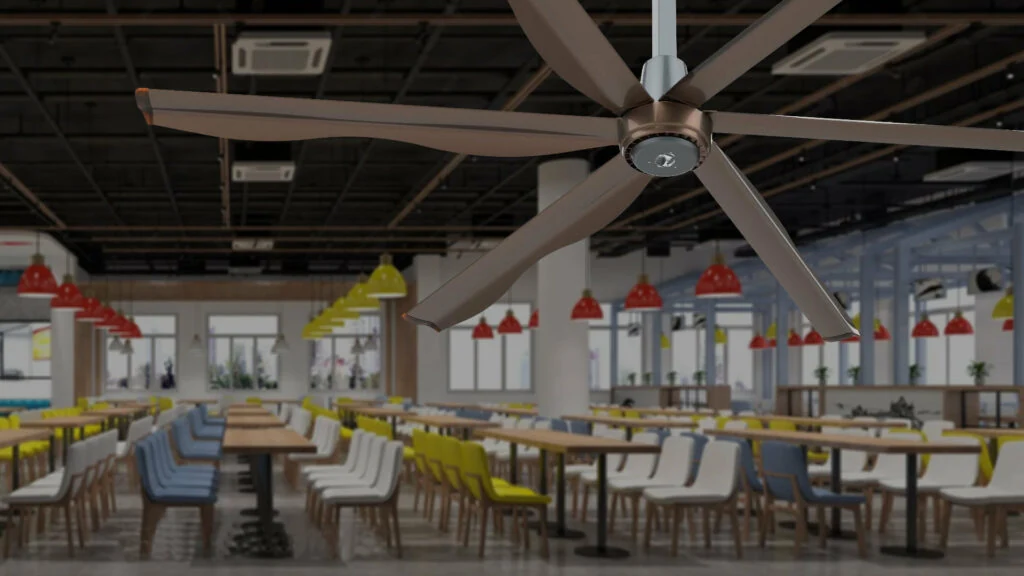
Under 38 dB at the fan, a 3.7 m commercial HVLS fan covers 330 m2 of canteen, showroom or gym without the noise of a wall of air conditioners.
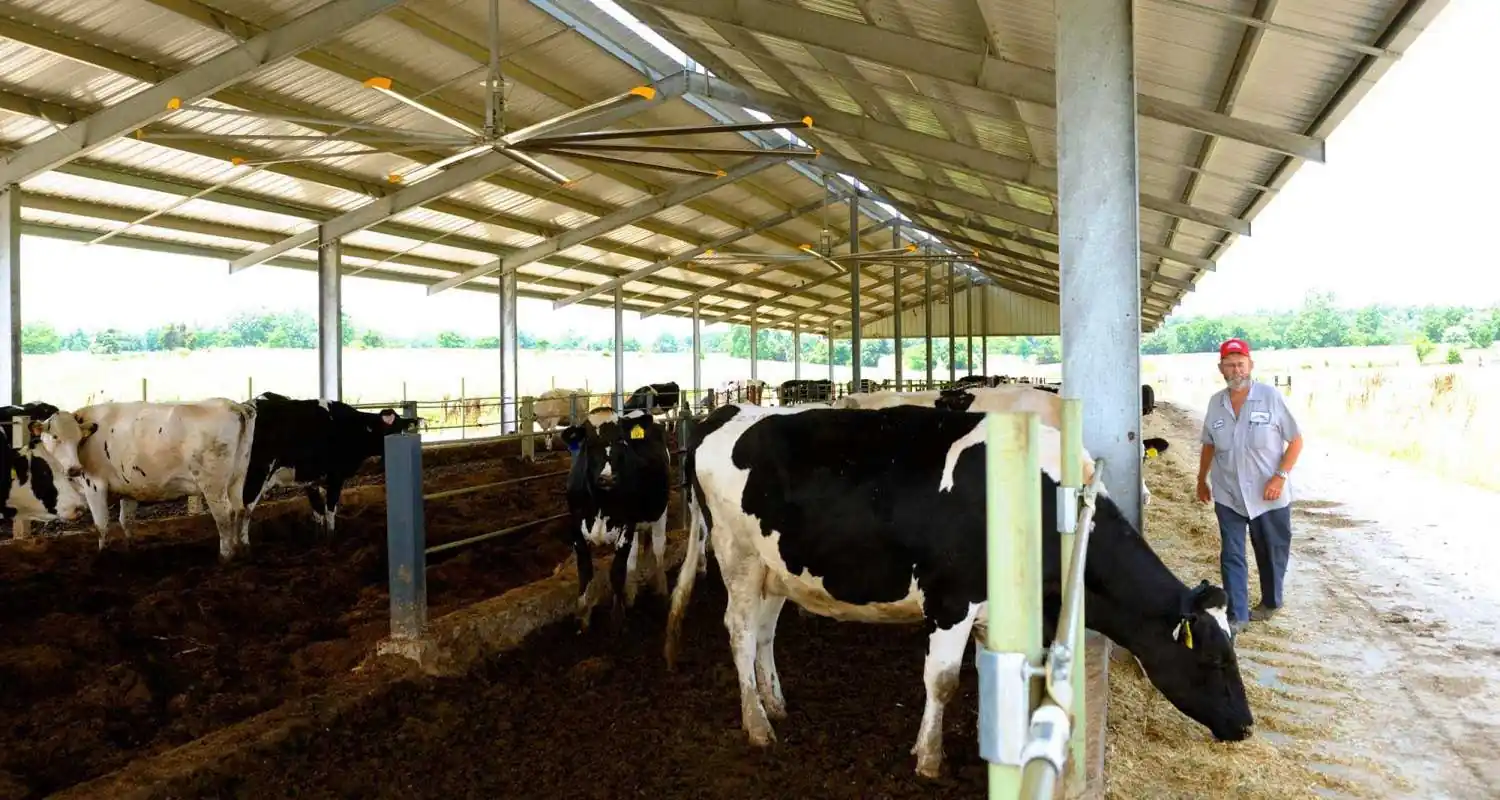
The large low-speed ceiling fan was invented for dairy barns. Diamond builds the same principle for cattle housing, poultry sheds, pig units and greenhouses, alongside wall exhaust fans for negative-pressure ventilation.
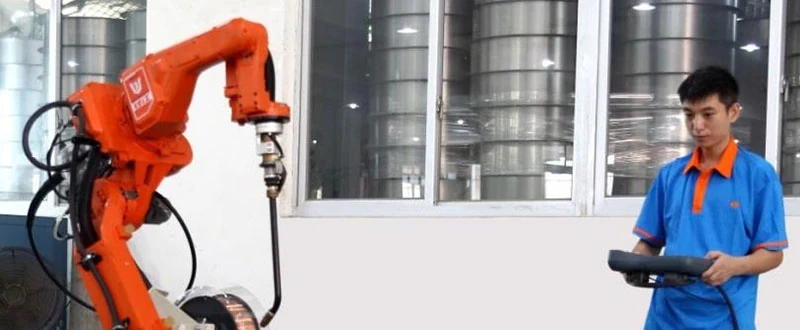
Blade extrusion, CNC spinning, robot welding, stator withstand-voltage testing and blade dynamic balancing all happen in our own plant in Fu'an, Fujian. That is why we can change a diameter, an angle or a voltage for one order.
Diamond is not a trading desk with a catalogue. We build air movement equipment for buildings that are too tall, too wide or too hot for ordinary fans, plus container gensets for sites with no reliable grid.
HVLS Ceiling Fan
Direct-drive ceiling fans for buildings too tall for air conditioning to reach the floor.
 HVLS Floor Fan
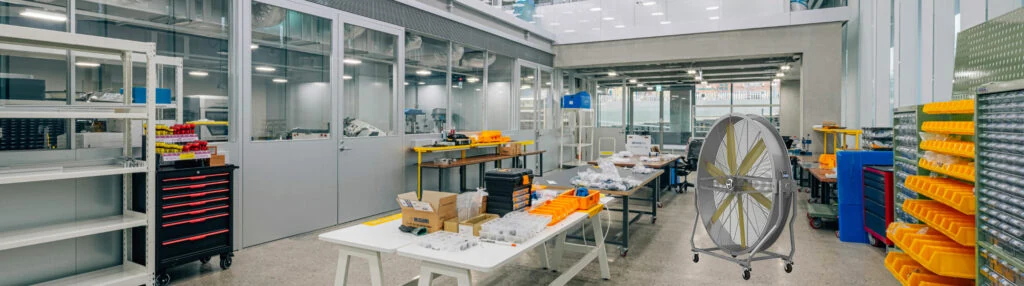
Portable HVLS fans for bays where nothing can be hung and the hot spot moves.
HVLS Floor Fan
Portable HVLS fans for bays where nothing can be hung and the hot spot moves.
 Wall Fan
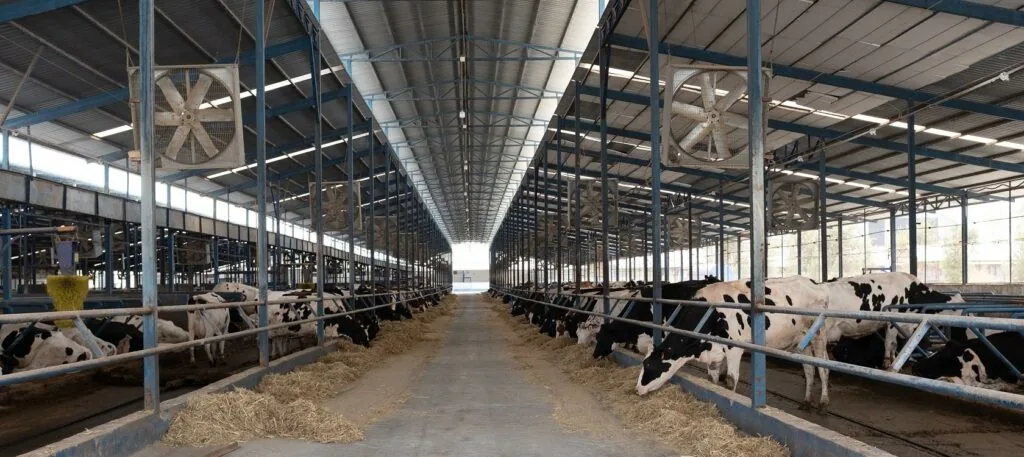
Negative-pressure ventilation for buildings with a process heat, fume or humidity load.
Wall Fan
Negative-pressure ventilation for buildings with a process heat, fume or humidity load.
 High Temperature Axial Fan
Four ranges rated for 130 C, 98 percent humidity, and in the CBF case for Zone 1 and Zone 2.
High Temperature Axial Fan
Four ranges rated for 130 C, 98 percent humidity, and in the CBF case for Zone 1 and Zone 2.
Every product Diamond makes, with the real specification on each page and TBC written where a figure has to be confirmed at quotation rather than guessed.
HVLS Ceiling Fan
A direct-drive IE5 fan that covers up to 1,700 m2 of high-bay floor on 1.5 kW, with no gearbox and no oil change for the life of the installation.
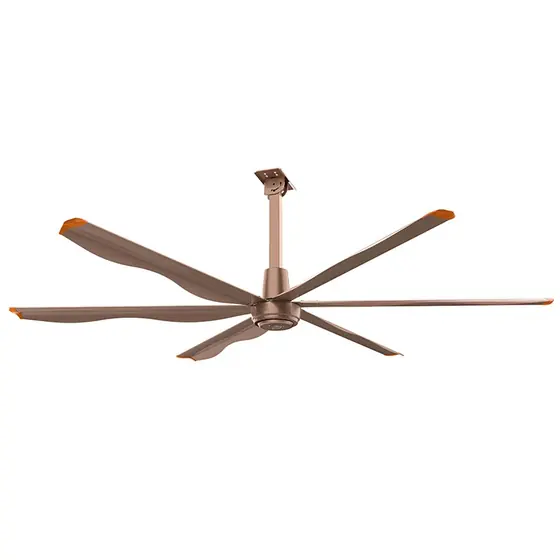 HVLS Ceiling Fan
For rooms under about 7 m where the fan is part of the interior: 330 m2 of coverage, under 38 dB, and a bronze airfoil blade that does not look like plant equipment.
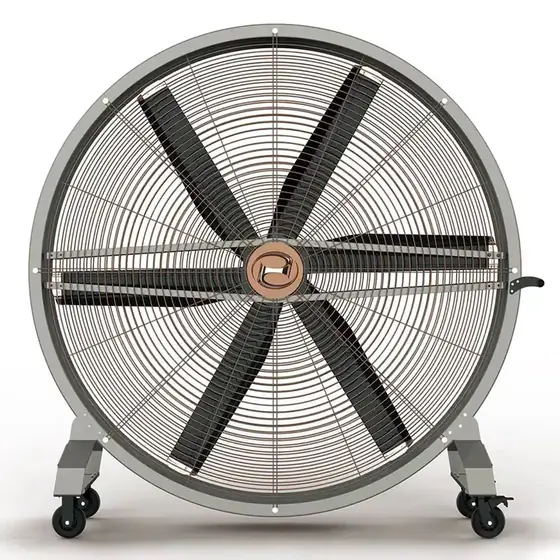 HVLS Floor Fan
A wheeled HVLS fan that throws air up to 28 m in open space, for bays where nothing can be hung from the roof and the cooling has to follow the work.
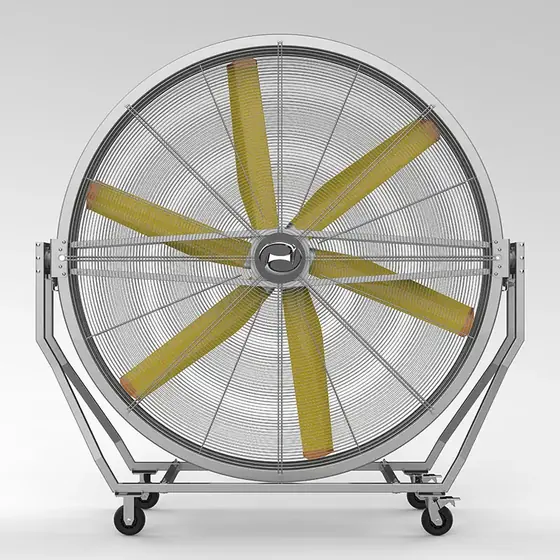 HVLS Floor Fan
Three sizes, four wheels, IP55, and a pivot that puts the air where the work is rather than where the fan happens to point.
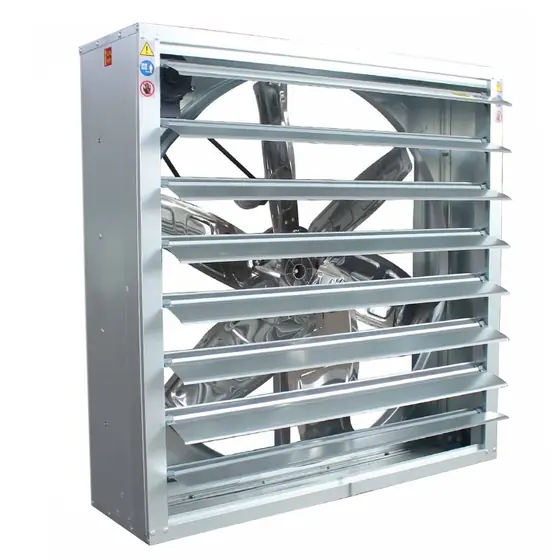 Wall Fan
One-piece formed housing with extra-thick zinc coating, automatic shutters and a bottom drain, for negative-pressure ventilation in hot, humid and smelly buildings.
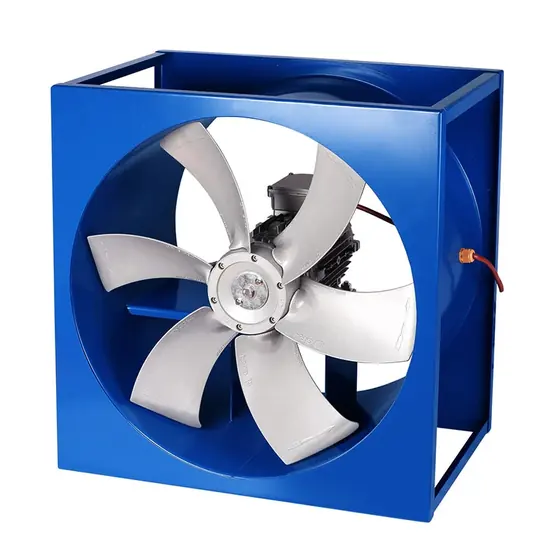 High Temperature Axial Fan
Rated for 130 C ambient and 98 percent humidity, in eleven diameters and four mounting types, for paint lines, tobacco, rubber, pharmaceutical and timber drying.
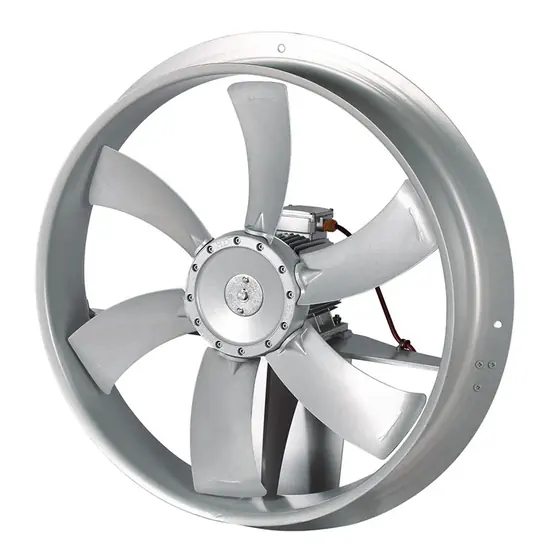 High Temperature Axial Fan
A wall type kiln fan in all aluminium, eight diameters from 400 mm to 1000 mm, built for reversible duty at 130 C and 98 percent humidity.
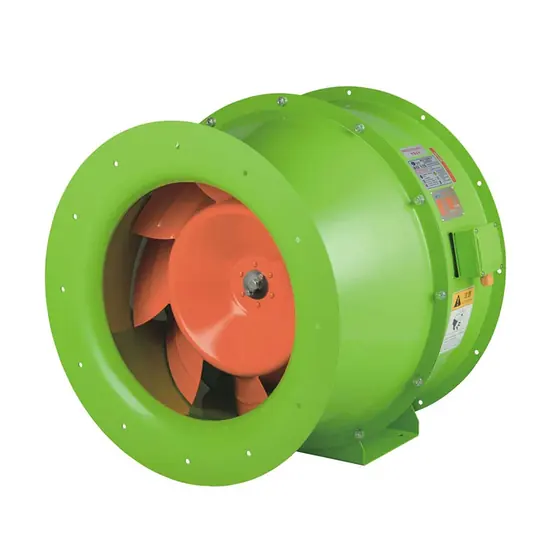 High Temperature Axial Fan
A patented diagonal flow design that cuts 40 to 50 minutes off a 15 T drying run and drops the noise from over 110 dB to within 85 dB.
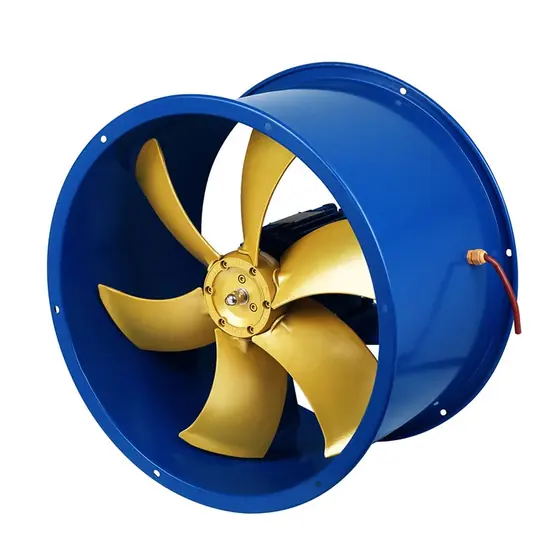 High Temperature Axial Fan
ExdIIBT4 marked to GB3836.2 and IEC 60079 for Zone 1 and Zone 2 areas, in four mounting types and six diameters.
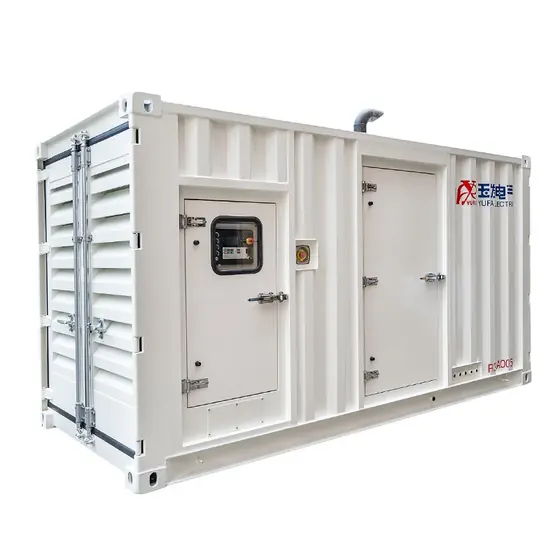 Diesel Generator
Yuchai engines in a fully closed container with high-density insulation foam, Rockwool silencers and 304 stainless fixings throughout.
Warehouse and Logistics
The defining feature of a warehouse is a high ceiling, and it is exactly the feature that makes it...
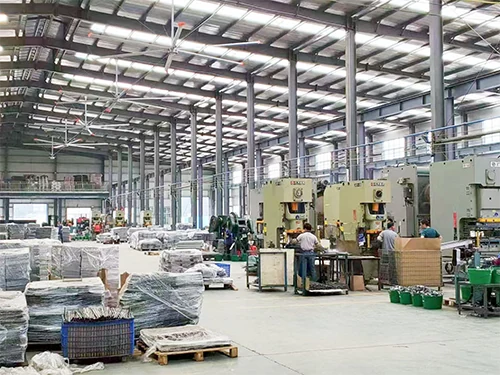 Manufacturing Workshops
A workshop that runs too hot costs more than comfort. Above the normal range, people are prone to heat...
Commercial and Public Spaces
In a commercial room the fan is part of the product. People who are too hot leave sooner, buy less and...
Agriculture and Livestock
The large HVLS fan was originally invented to ventilate and cool livestock, and dairy farming is still...
Manufacturing Workshops
A workshop that runs too hot costs more than comfort. Above the normal range, people are prone to heat...
Commercial and Public Spaces
In a commercial room the fan is part of the product. People who are too hot leave sooner, buy less and...
Agriculture and Livestock
The large HVLS fan was originally invented to ventilate and cool livestock, and dairy farming is still...
Air movement is bought to fix something specific. These four are the ones we hear most often, and each one points at a different product.
In a building with a 9 m roof, cooled air stratifies and sits high. HVLS fans push a wide column of air down and out, so the temperature your people feel drops without lowering the air temperature at all.
Drum fans cover tens of square metres each, so a large plant ends up with hundreds of them, hundreds of motors to maintain and a floor full of trip hazards. One HVLS fan covers up to 1,700 m2.
At 130 C and 98 percent humidity an ordinary motor fails within a season. Our axial fans use H-class 180 C insulation, all-copper windings, aluminium housings and Japanese high-temperature grease.
CBF fans carry ExdIIBT4 marking to GB3836.2 and IEC 60079 so they can run in Zone 1 and Zone 2 areas of refineries, chemical plants and laboratories.
Four routes through the same factory, depending on whether the job is a high-bay building, a bay that moves, a drying kiln or a hazardous area.
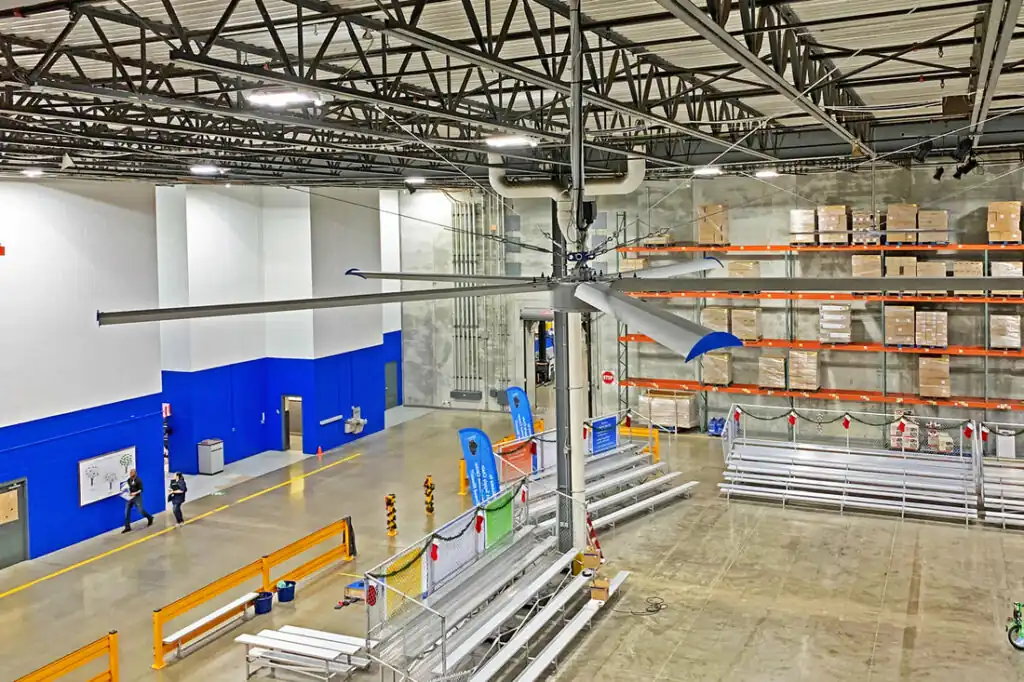
Destratification is the unglamorous half of what an HVLS fan does, and it is the half that pays in winter. Warm air rises and sits at the roof; the...
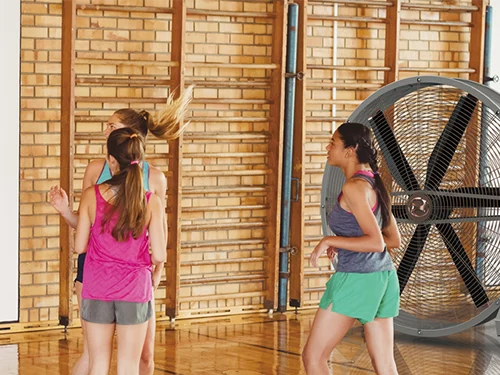
Sometimes the right answer is not a ceiling fan. A crane travels the full width, the unit is leased, the structure is temporary, or the hot spot...
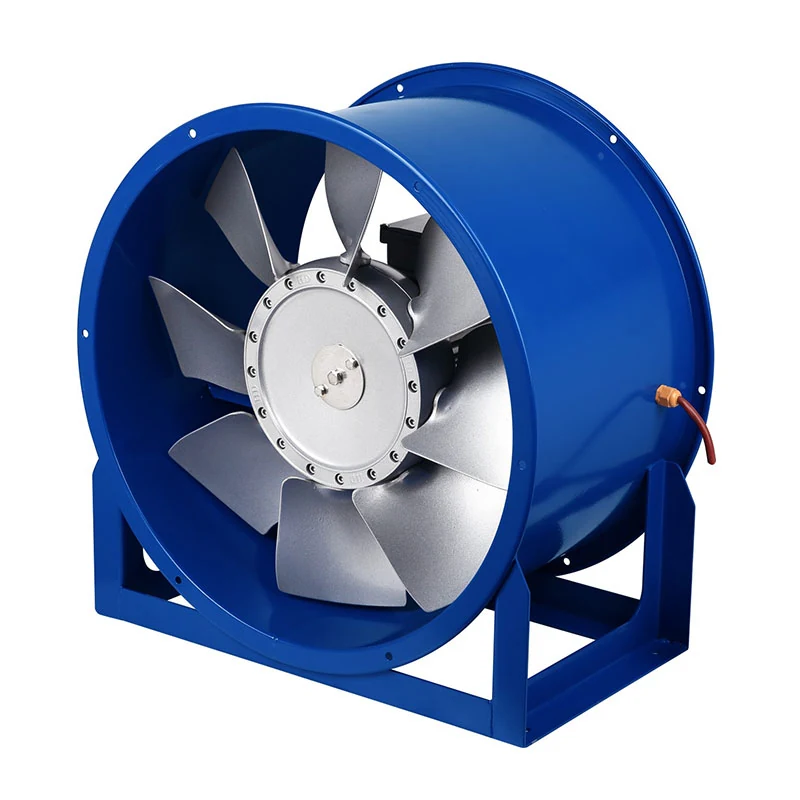
A drying fan is bought on its failure mode. Everyone can move air; the question is whether the motor is still alive at the end of the season at 130 C...
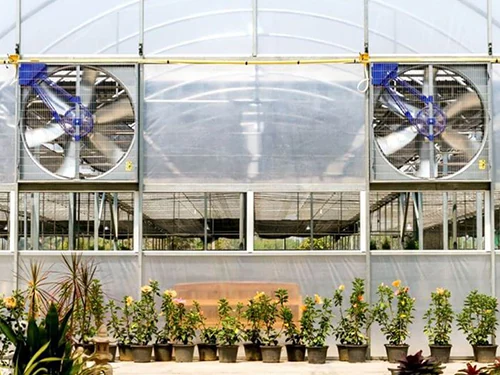
A negative pressure fan works by air convection: it draws fresh air in from the openings on the far side of the building and forces the hot indoor...
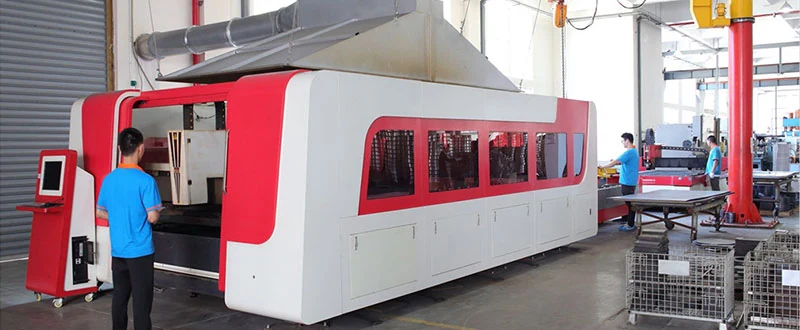
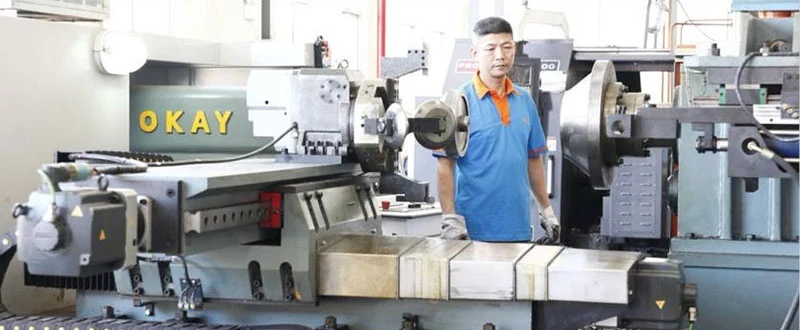
Laser cutting, CNC spinning, robot welding, housing finishing and spray line are in house, so a non-standard diameter or blade angle is a scheduling question, not a sourcing question.
Stator withstand-voltage testing and blade dynamic balancing are fixed steps on the line, not sampling.
Axial fans are wound for single-phase 220 V or three-phase 220 / 380 / 660 V, 230 / 400 / 690 V and 240 / 415 V at 50 or 60 Hz.
Axial fans ship under HS 8414599099. Mixed orders of ceiling fans, exhaust fans and spares consolidate into one container from Fujian.
Blade extrusion, CNC spinning, robot welding, stator testing and blade balancing happen on our own line. That is what makes a non-standard diameter a scheduling question rather than a sourcing question.
The production and inspection equipment on our line, photographed in the Fu'an plant.
 Project reference
A high-bay pressing hall with mechanical presses running continuously, material stacked along the aisles and people working at fixed stations. Heat...
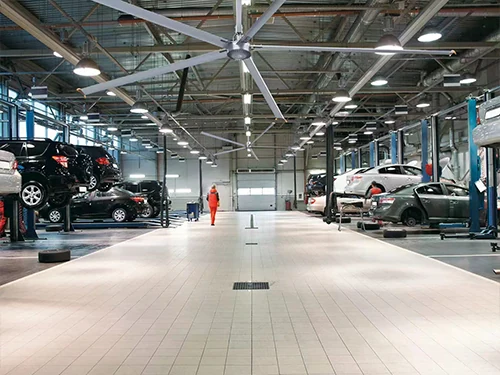 Project reference
A long service hall with two-post lifts down both sides and a clear aisle for vehicle movement. Nothing could be left standing on the floor, because...
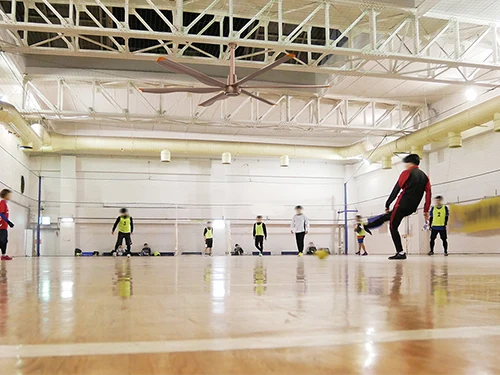 Project reference
A full-height sports hall used for court sports and children's sessions, with an adjoining gym floor and a studio. Holding a comfortable temperature...
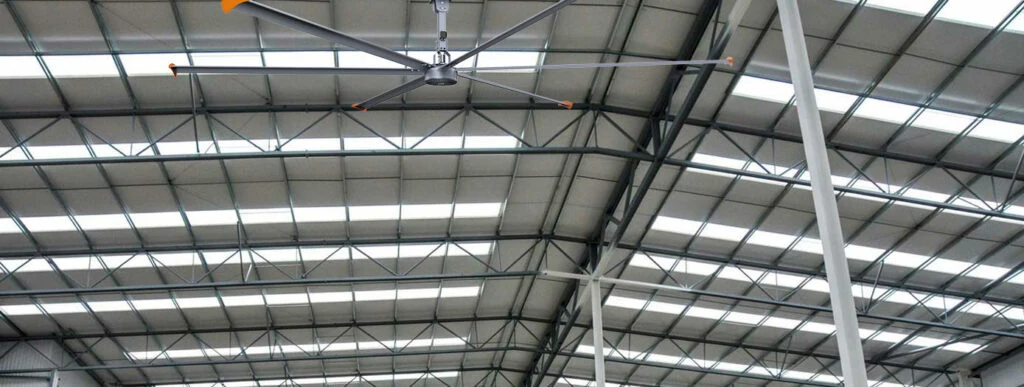 Buying Guide
HVLS fans measure from roughly 2 m to 7.3 m across and move air by blade area rather than tip speed. This guide covers what they do, why...
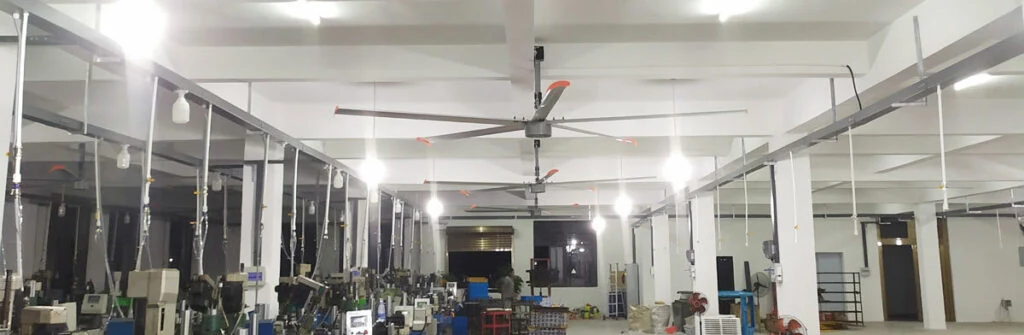 Product Guide
Three figures describe an industrial fan honestly: wind speed, air volume and rotating speed. Each one trades against the others, and...
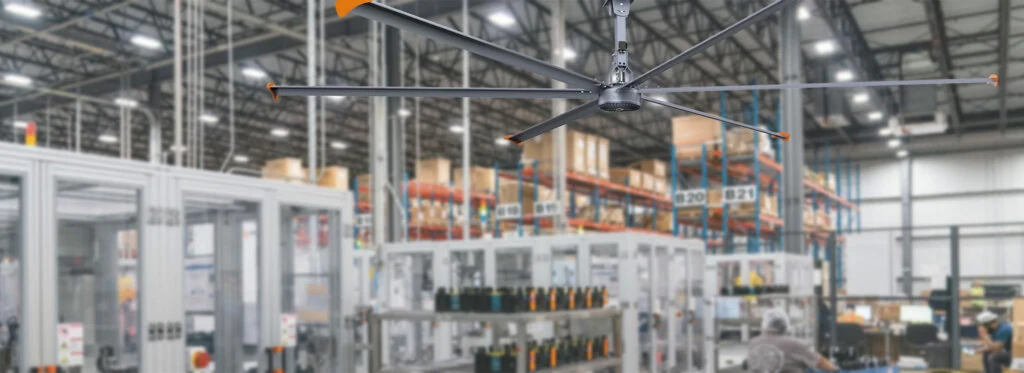 Buying Guide
A large industrial ceiling fan solves ventilation and cooling for a 1,000 m2 workshop on about one kilowatt-hour. Asking what one costs,...
It follows the clear height and the obstruction layout more than the floor area. Under about 6 m of clear height a 2.4 m to 3.7 m commercial fan is usually right. Above 6 m, and where racking or cranes break up the space, the 3 m to 7.3 m industrial range works better. Send us the building length, width, clear height and the position of any crane rails or racking and we will mark up a layout.
Both. Single units and sample orders are accepted, and mixed pallets of ceiling fans, exhaust fans and spares can be consolidated into one shipment. Tell us the quantity and destination port and we will quote the freight alongside the goods.
Axial fans are available single-phase 220 V and three-phase 220 / 380 / 660 V, 230 / 400 / 690 V and 240 / 415 V, at 50 or 60 Hz. Tell us the grid voltage on site and the motors are wound to match rather than shipped with a transformer.
Installation usually takes one to two working days per building and can be done with a scissor lift by two or three people. The fans mount on cement beams, I-beams and square steel structures, and a pole mount is available where there is no ceiling structure above.
The industrial and commercial HVLS fans use a direct-drive permanent magnet motor with no gearbox and no oil change, which is why they are quoted as free-maintenance with a 20-year service life. Periodic work is limited to cleaning the blades, checking fixing bolts and inspecting the wiring at the junction box.
Yes. Blade colour, housing colour and nameplate branding can follow your specification on production orders. Confirm the artwork before the spray line is scheduled, because repainting after the fact adds a full cycle to the lead time.
Length, width, clear height and grid voltage are enough for a fan count, positions and a price in the first reply.