
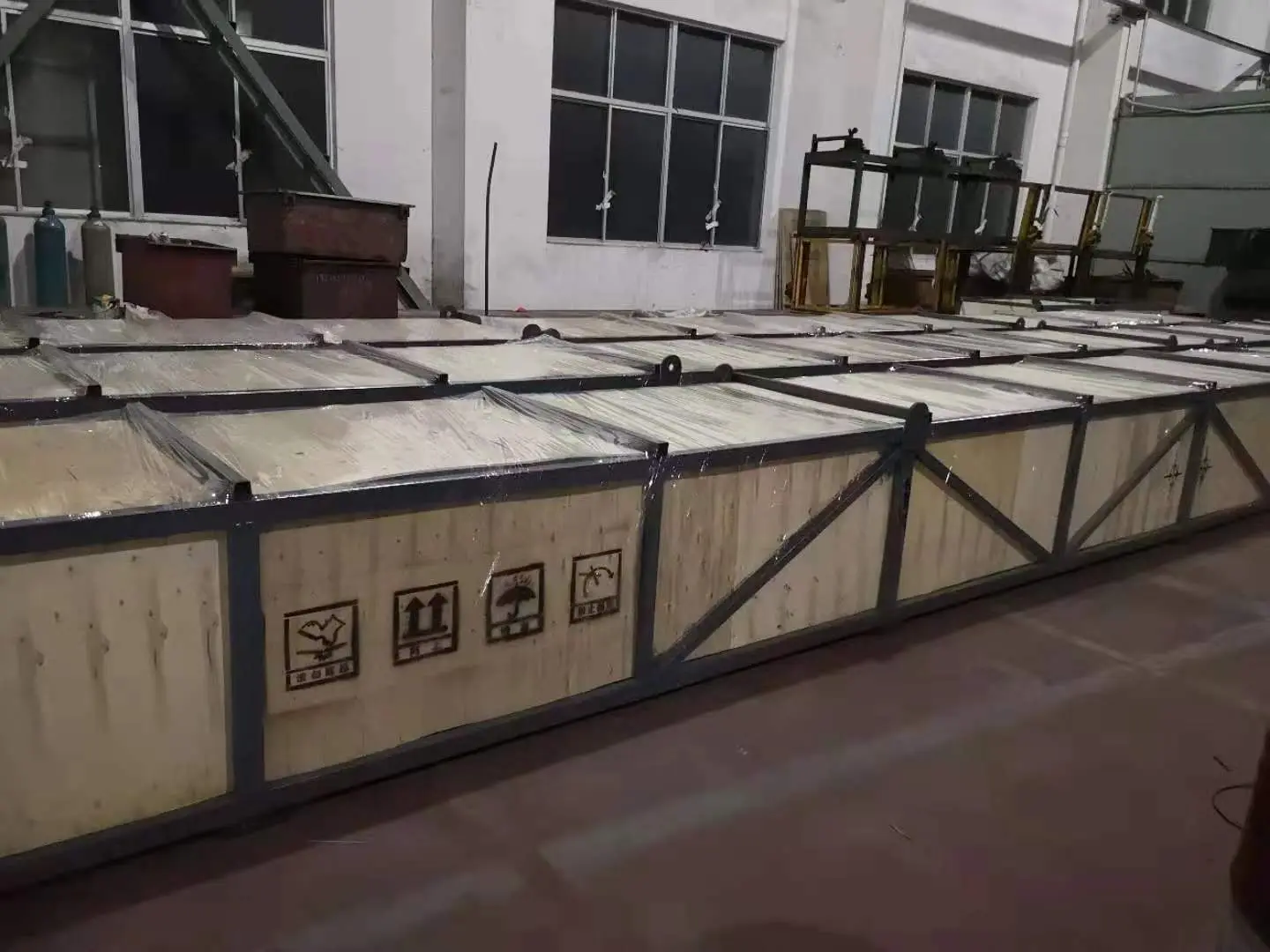
Fin Tube Types Explained and How to Choose One
Eight fin geometries, one decision. This guide sets them side by side using the base tube and fin dimensions we actually produce.
Start with the bond, not the surface area
Every fin tube is a compromise between how much surface you add and how well the fin stays attached. Mechanical bonds - tension wound, embedded, extruded - are cheaper and faster. Welded bonds survive flue gas.
If the metal temperature is high enough to relax a wound fin, no amount of extra surface area helps, because the contact resistance rises faster than the area does.
The mechanical family
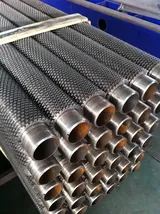
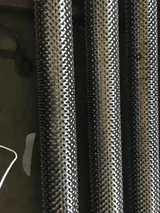
L, LL and KL tubes wind a footed fin onto the tube under tension, on base tubes from 19 mm to 51 mm with fin heights of 10 mm to 16 mm. LL overlaps the feet so the tube surface is covered; KL knurls the tube first for a tighter grip.
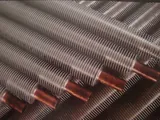
G type embedded tubes roll the fin into a groove machined in the tube wall, covering base tubes from 16 mm up to 80 mm - the widest mechanical range we offer.
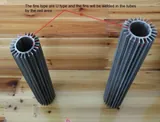
Extruded tubes form the fin from an aluminium sleeve, so no base tube surface is exposed at all. Base tubes run 10 mm to 51 mm and fin pitch opens as far as 15.0 mm for dirty air.
Integral low fin tubes roll the fin out of the tube wall itself. The fin is only 0.9 mm to 1.3 mm tall, which is exactly why the tube still fits a conventional shell and tube bundle.
The welded family
Spiral fin tubes weld a steel fin continuously along a helix, on base tubes from 15 mm to 70 mm with walls up to 15.0 mm and fin heights to 17.0 mm.
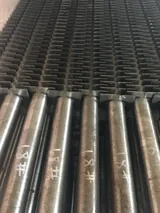
H and HH type tubes weld square fins on in halves, leaving an ash lane down the tube. Fin pitch runs 9.0 mm to 30.0 mm - deliberately open, because the enemy is fouling rather than surface area.
Longitudinal fin tubes run 1U to 36U straight fins along tubes as large as 273 mm, for viscous fluids and low velocity gas.
Stud fin tubes weld individual studs, 6.0 mm to 12.7 mm in diameter, to tubes from 38 mm to 273 mm. They add the least surface and survive the dirtiest furnace duty.
A short selection route
Clean air, moderate temperature, cost sensitive: L type.
Corrosive atmosphere outside the tube: extruded.
Higher metal temperature but still a mechanical bond: G type embedded.
Inside a shell and tube exchanger: integral low fin.
Clean flue gas: spiral. Ash-laden flue gas: H or HH. Slagging furnace: studs. Viscous fluid or tight pressure drop budget: longitudinal.
Tube Referenced Above
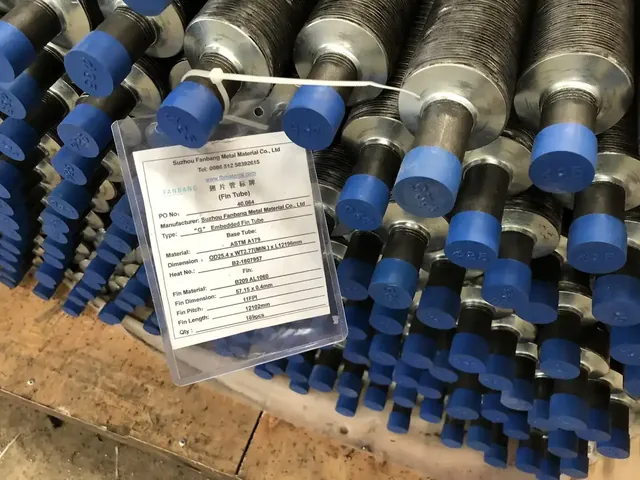 "G" Embedded Fin Tube
Fin strip rolled into a machined groove in the tube wall for permanent metal-to-metal contact
Base tube diameter: 16 mm - 80 mm · Base tube wall thickness: 1.65 mm - 4.0 mm
"G" Embedded Fin Tube
Fin strip rolled into a machined groove in the tube wall for permanent metal-to-metal contact
Base tube diameter: 16 mm - 80 mm · Base tube wall thickness: 1.65 mm - 4.0 mm
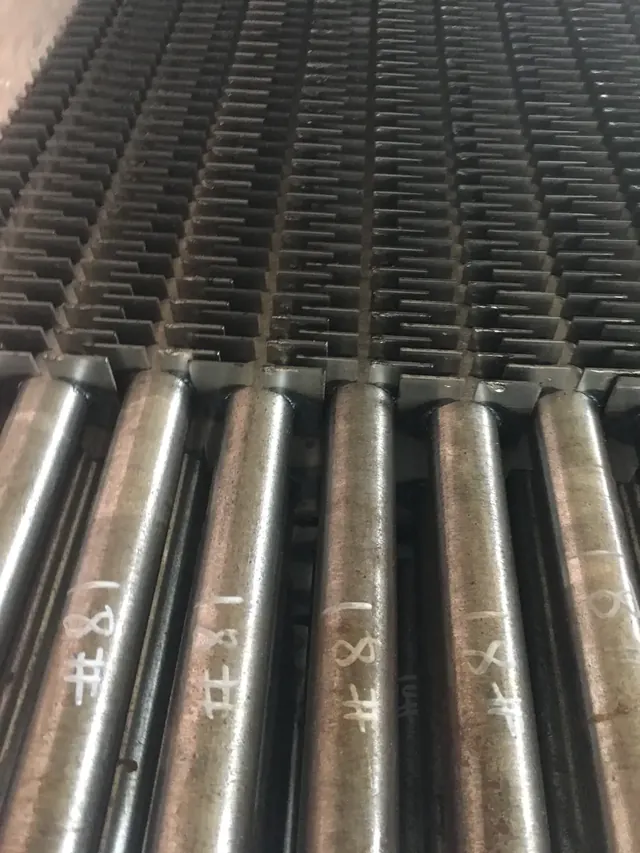 H/HH Fin Tube
Split square fins welded in pairs, leaving a straight ash lane along the tube
Base tube diameter: 25 mm - 73 mm · Base tube wall thickness: 3.0 mm - 6.0 mm
H/HH Fin Tube
Split square fins welded in pairs, leaving a straight ash lane along the tube
Base tube diameter: 25 mm - 73 mm · Base tube wall thickness: 3.0 mm - 6.0 mm
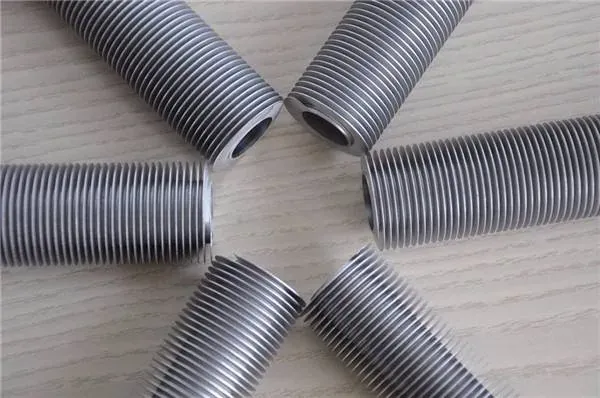 Extruded Fin Tube
Bimetal tube with the fin extruded from an outer sleeve, giving a seamless fin-to-tube wall
Base tube diameter: 10 mm - 51 mm · Base tube wall thickness: 1.65 mm - 3.0 mm
Extruded Fin Tube
Bimetal tube with the fin extruded from an outer sleeve, giving a seamless fin-to-tube wall
Base tube diameter: 10 mm - 51 mm · Base tube wall thickness: 1.65 mm - 3.0 mm
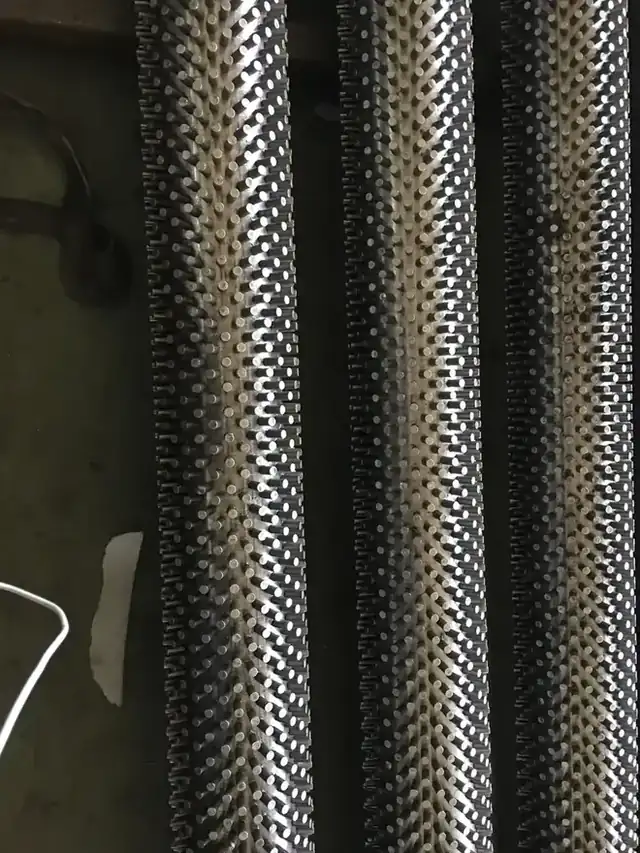 Stud Fin Tube
Individually welded studs for the dirtiest furnace and process heater duty
Base tube diameter: 38 mm - 273 mm · Base tube wall thickness: 3.5 mm - 10.0 mm
Stud Fin Tube
Individually welded studs for the dirtiest furnace and process heater duty
Base tube diameter: 38 mm - 273 mm · Base tube wall thickness: 3.5 mm - 10.0 mmMore guides
Reader Questions
Which fin type gives the most surface area?
Spiral fins give the most surface per metre of the geometries listed here, with fin heights to 17.0 mm and pitch from 1.2 mm. Stud fins give the least, which is what keeps them clean in slagging duty.
Can I use the same fin type for clean and dirty gas?
You can, but the pitch has to be opened for dirty gas, and beyond a point the H type geometry does the job better because ash falls through the lane between fin halves.
Apply This to Your Bundle
Send the duty, the stream data and the envelope. We will tell you which geometry and grade the guide points to in your case.
[email protected] · Tel 0086 512 58392615 · Monday to Saturday, 08:30 - 17:30 China Standard Time (GMT+8)