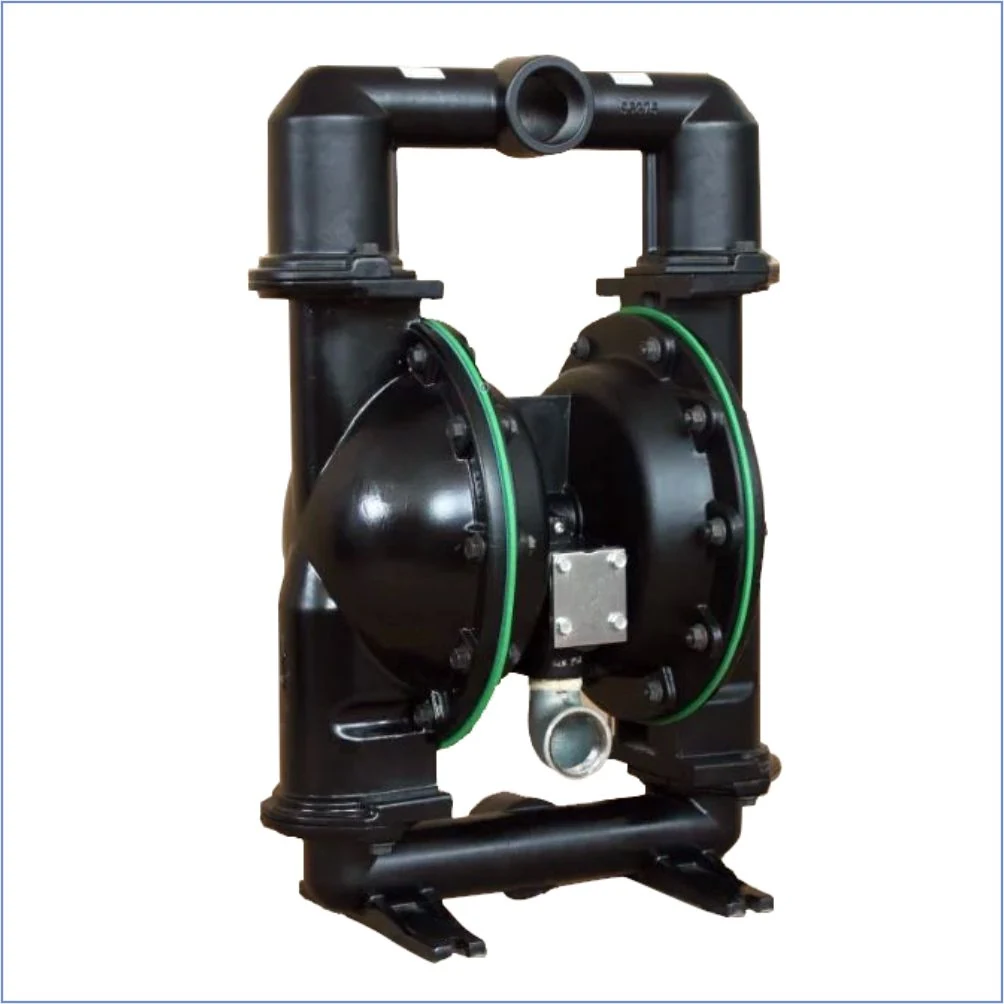
Electroplate liquid, acid and alkali bath transfer, filtration loops and rinse tank duty are named applications in our catalogues. These duties expose pumps to aggressive chemistry and fumes that make electric motors unsafe and metal pumps unsuitable.
Three failure modes dominate early pump replacement in plating lines.
Aluminum, cast iron and even stainless steel corrode in hydrochloric acid, sulfuric acid and caustic soda. A pump with metal wetted parts fails within weeks, and the fluid contamination leads to plating defects.
Fumes from acid baths and plating solutions are corrosive to electrical components. An electric motor in a classified area requires explosion-proof certification, which adds cost and complexity.
Rinse tanks are often drained below the pump level. A pump that cannot self prime from a dry lift of 4.6 meters cannot empty the tank without priming assistance.
The specification usually comes down to six lines, and all six are settled in the model code before the pump is built.

Non-metallic construction for acid and alkali, with dry lift and pressure ratings that match bath transfer and filtration loops.

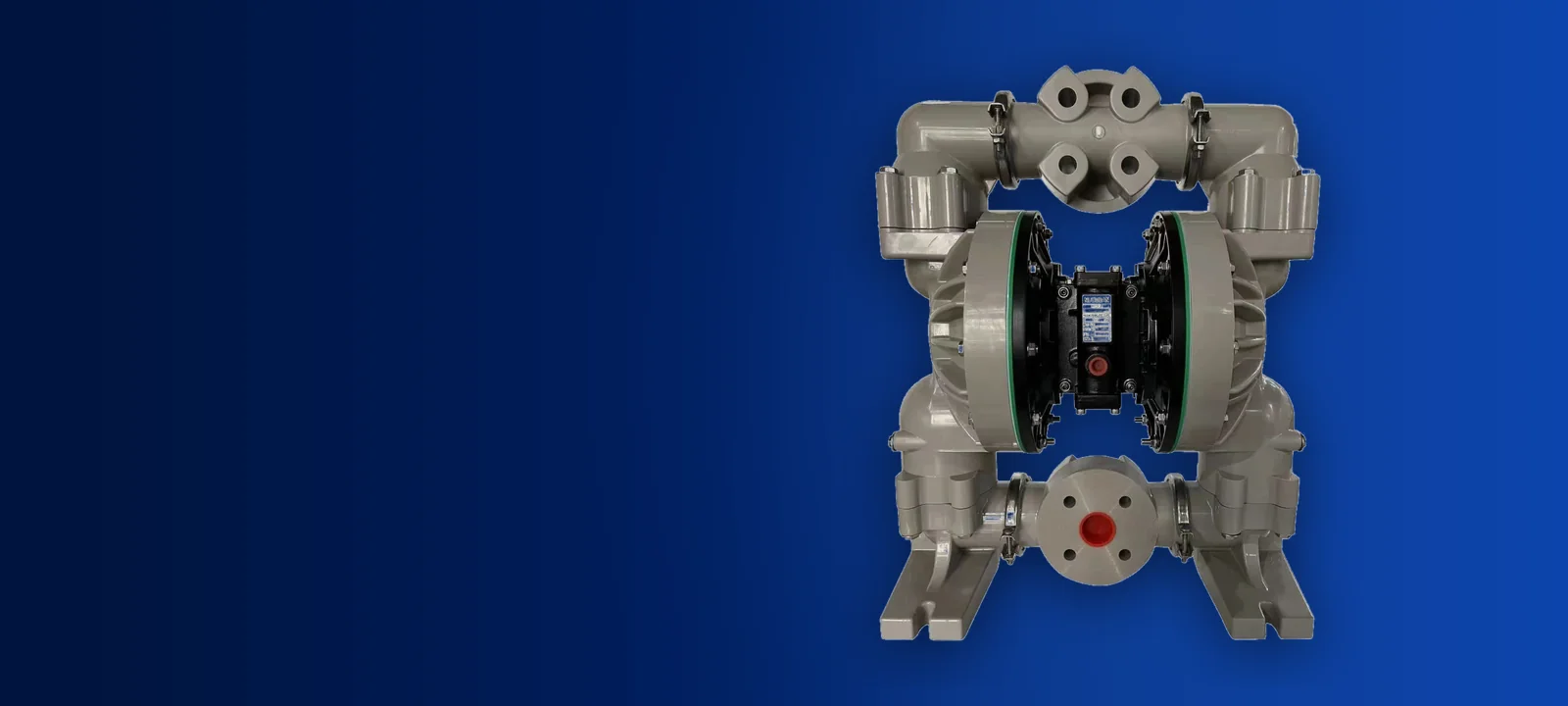
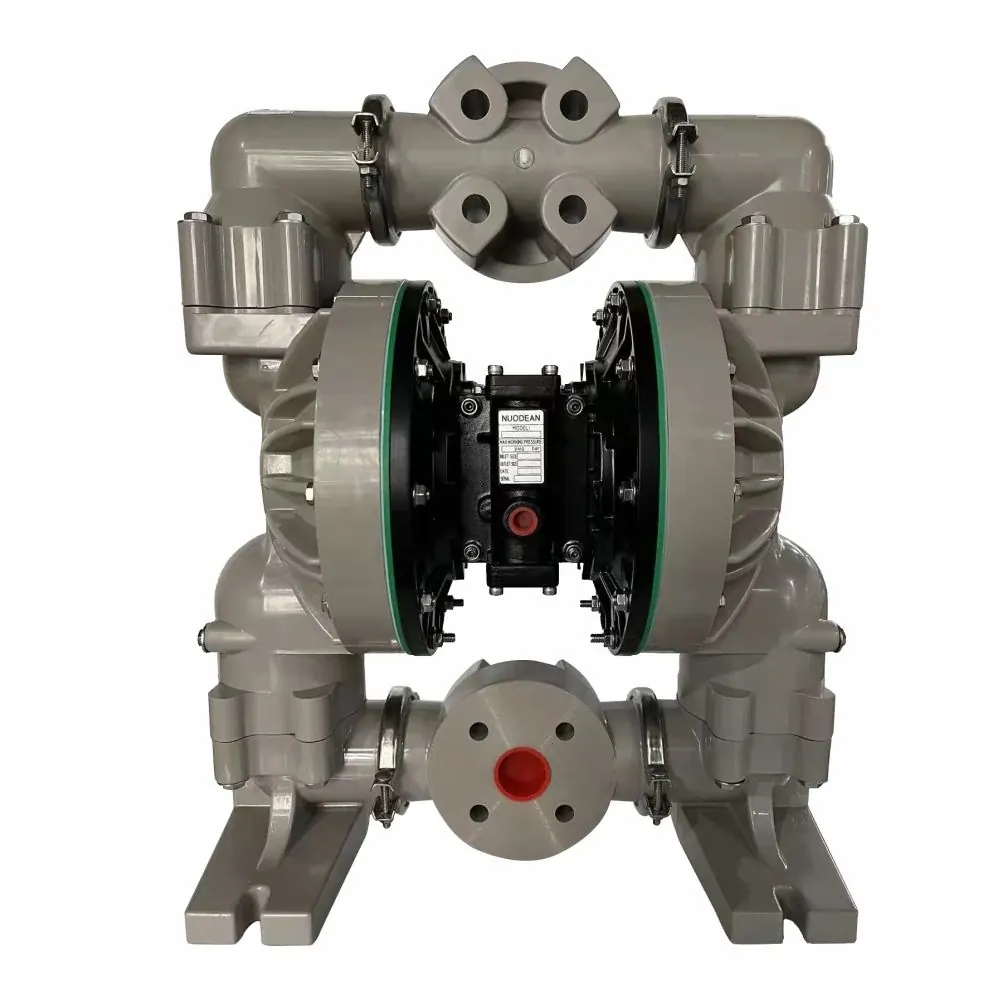
548.8 LPM from a 28.1 kg non metallic body. The chemical duty workhorse of the DP3X range.
View Specifications →
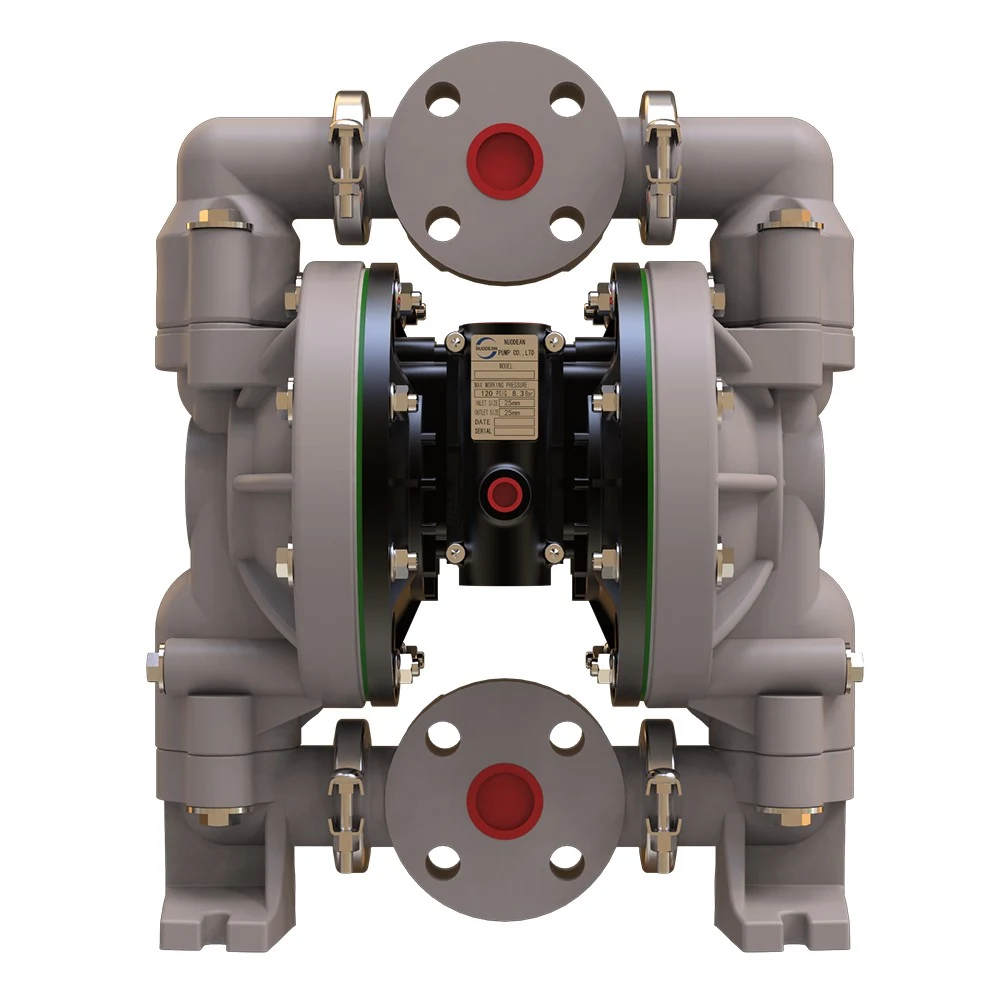
378.5 LPM and 8.3 bar from a 28.1 kg non metallic body. The chemical duty workhorse of the DP3X range.
View Specifications →
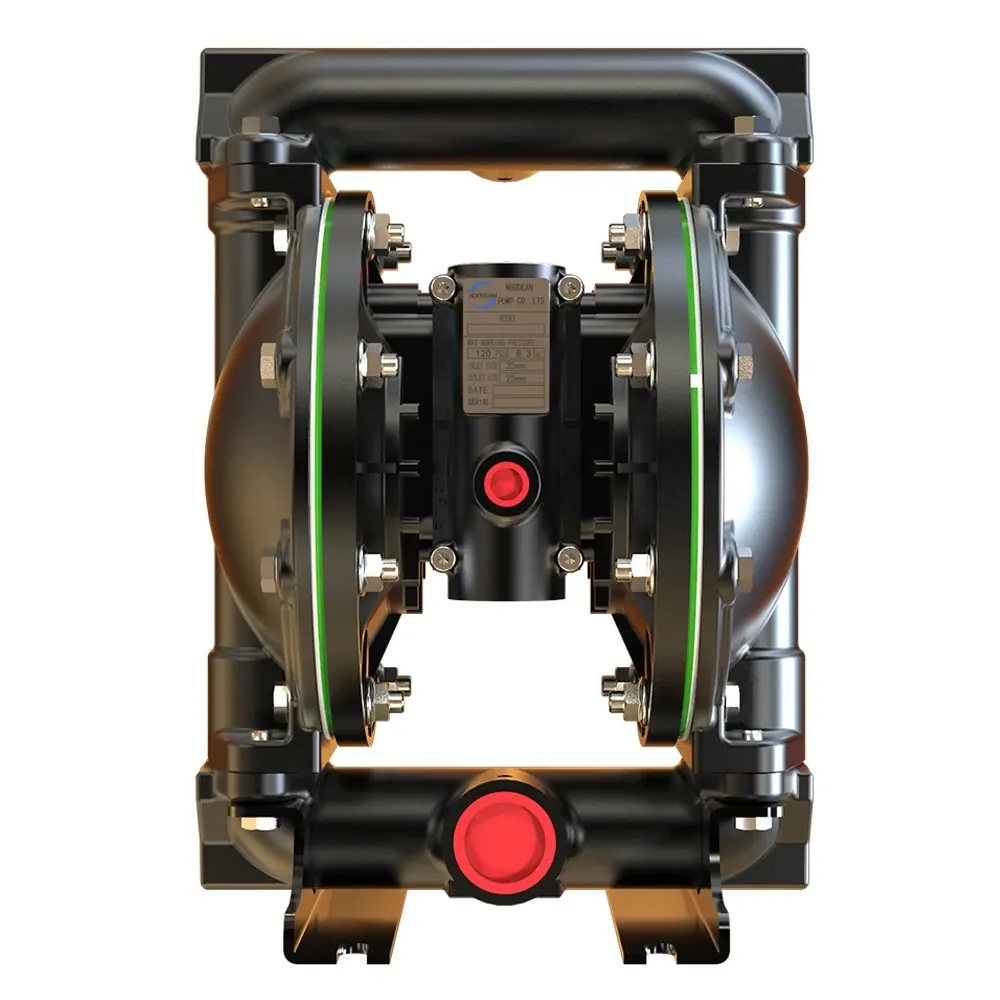
177.9 LPM and 8.3 bar from a 9.2 kg non metallic body. The entry point for corrosion resistance in the DP3X range.
View Specifications →
145 GPM from a 28.1 kg polypropylene body. A chemically resistant pump for acids, alkalis and solvents.
View Specifications →Transferring acid or alkali between tanks without metal contact, with the pump handling solids like scale or sludge in the fluid.
Self priming from ground level to empty rinse tanks after each batch, with dry running at the end of the cycle.
Circulating fluid through filters in a closed loop, where the pump must handle air entrainment and maintain flow under dead head.
Moving plating solution between storage and process tanks, where contamination from metal parts is unacceptable.
Four steps. The first one is the only one that matters, and it is the one most enquiries skip.
Chemical name, concentration and temperature. Sulfuric acid at 10 percent and at 96 percent are different pumps, and so is the same acid at 20 degrees and 80 degrees.
We set the body, seat, ball and diaphragm against the chemistry, then check the hardware and the connection thread, since bolts and unions see the spill even if they do not see the fluid.
Flow at your discharge head with your available air pressure. That is what decides the port size, not the size of the pipe you already have.
One air section kit and one fluid section kit coded to your elastomer choice, so the first failure is a fifteen minute job rather than a three week wait.
Follow one full stroke through the pilot valve, the major air valve and both liquid chambers, and the rest of the pump stops being mysterious.
Buying GuideSizing an air diaphragm pump from the existing pipe size or the headline maximum flow guarantees poor performance. Here is how to select the right displacement and port size from actual duty conditions.
Material GuideCompare aluminum, cast iron, stainless steel and non metallic bodies by fluid, duty and weight, not by habit.
Use a 1 inch or 1-1/2 inch non-metallic pump with polypropylene or PVDF body, PTFE faced diaphragms, and PTFE check balls. The dry suction lift of 4.27 meters allows self priming from ground level.
Yes, the non-metallic pumps pass up to 6.4 mm solids. For heavier solids, the flap valve pump is available, but it is not listed here. Confirm the solid size and concentration before selecting.
It is air driven with no electric motor, which makes it suitable for areas with corrosive fumes. The pump body is non-metallic, so it does not corrode in acid vapors.
All listed pumps are rated for 8.3 bar (120 psi) maximum operating pressure. This matches the pressure required for bath transfer and filtration loops in plating lines.
A torn diaphragm allows fluid to enter the air line. Inspect the exhaust line after each cycle. A wet exhaust indicates a failed diaphragm before it contaminates the air system.
Fluid, concentration, temperature, flow and discharge head. We will come back with the wetted part list, the model code and a price.