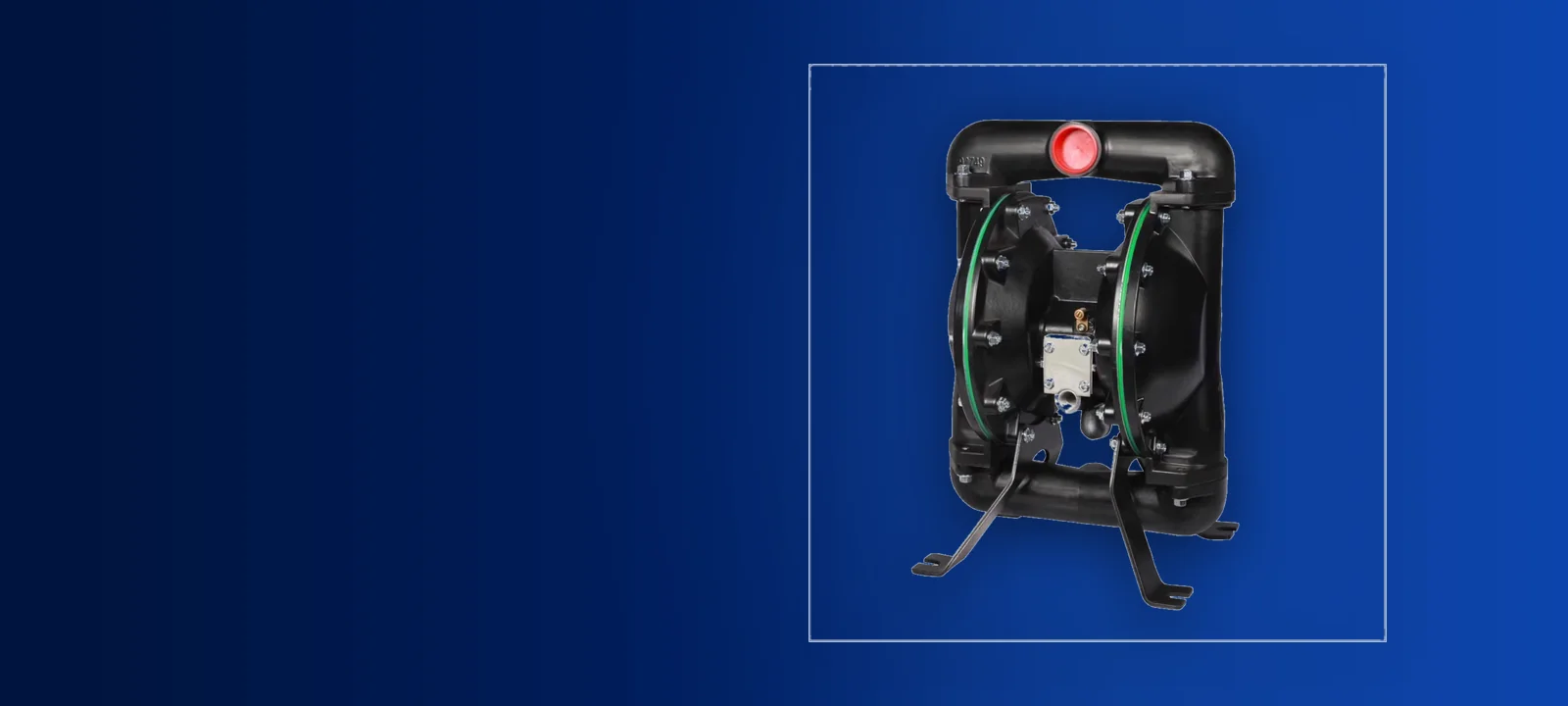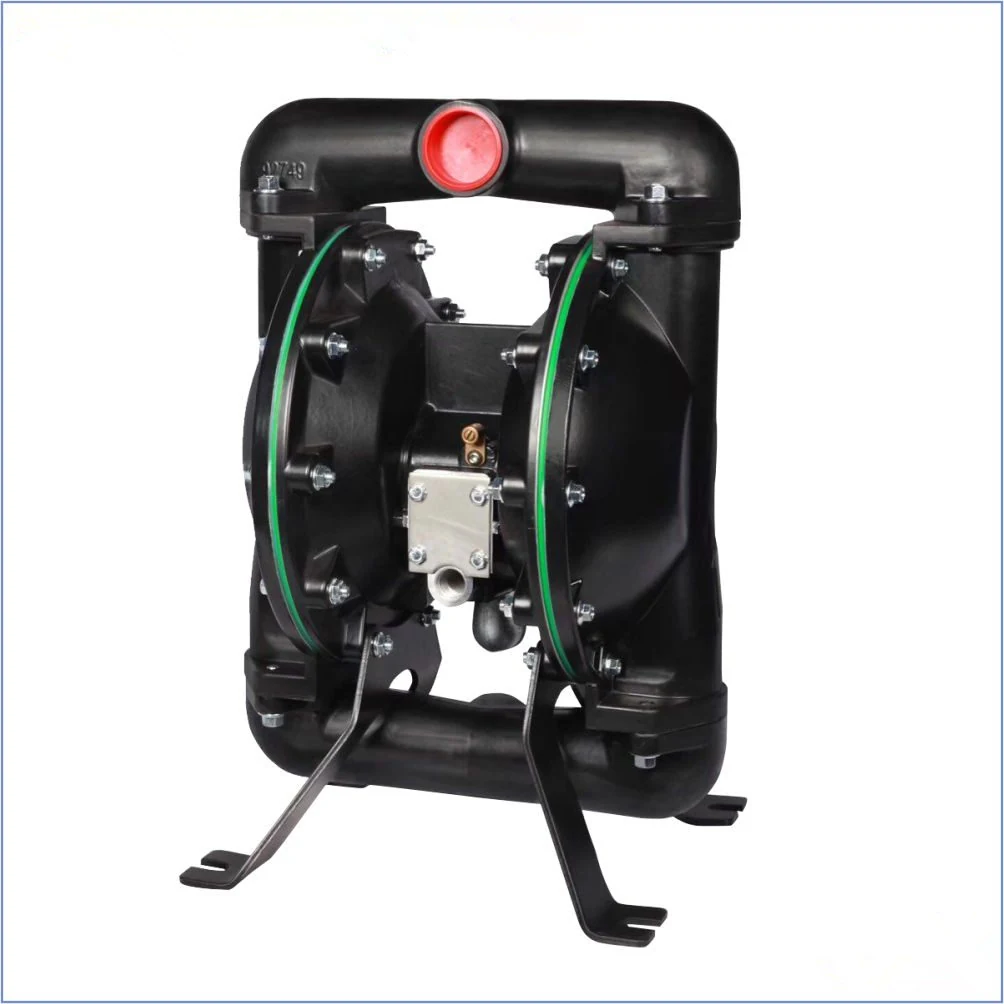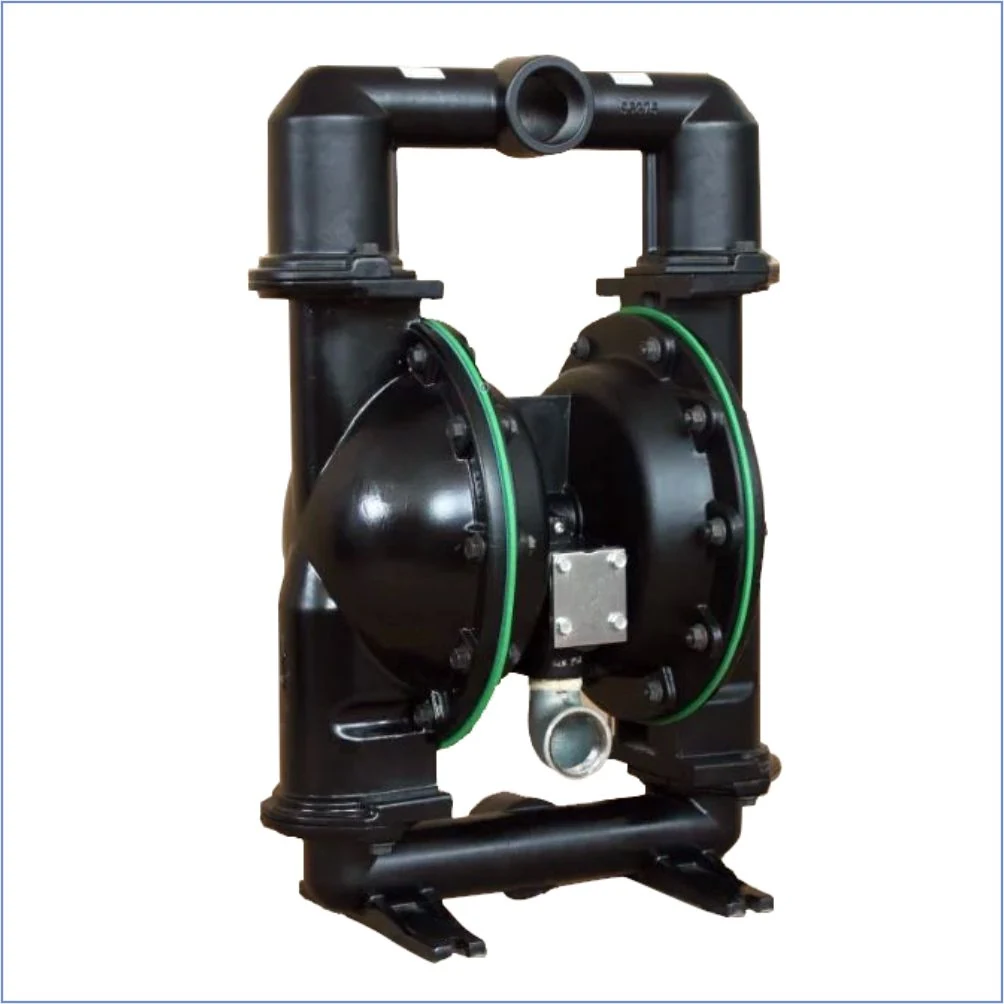
This size sits in the middle of the WA platform. It serves transfer duties where a plastic pump is too light for the fluid, but a full metal pump is not needed. The choice is between aluminum, cast iron, stainless steel or polypropylene body.
The metallic version uses aluminum, cast iron or stainless steel. The plastic version uses polypropylene. Both share the same air end and mounting dimensions.

340.7 LPM from a 23.4 kg aluminum body. A compact, rugged pump for tough transfer duty.
View Specifications →
378.5 LPM and 8.3 bar from a 28.1 kg polypropylene body. The chemical duty workhorse of the WA Series.
View Specifications →Operations that need a mid range pump with a clear choice between metal and plastic wetted parts, without switching to a different platform.
These models are built for users who need a pump that fits a standard line size and offers material choice without compromise.
Choose aluminum, cast iron or stainless steel for strength and heat resistance. Choose polypropylene for chemical resistance and non-metallic contact.
Both models use the same air distribution system and mounting. Swapping between materials does not require changing the installation.
The pump can prime from a lower level and handle dry starts, making it suitable for transfer from drums or tanks without a foot valve.
The plastic model reaches 378.5 LPM, which is sufficient for most mid range transfer and filling duties without needing a larger size.
The envelope across both 1-1/2 inch WA models, taken from the individual data sheets.
| Port size | 1-1/2 inch |
|---|---|
| Maximum flow rate | 340.7 LPM (90 GPM) to 378.5 LPM (100 GPM) |
| Maximum operating pressure | 120 psi (8.3 bar) |
| Suspended solids max diameter | 6.4 mm (1/4 inch) |
| Maximum dry suction lift | 4.27 m (14 feet) to 5.8 m (19 feet) |
| Body materials | Aluminum, cast iron, stainless steel, polypropylene |
| Air inlet | 1/2 inch BSPT female |
Performance figures are transcribed from the Nuodean data sheet for this pump. Flow is measured at the pump discharge with water at ambient temperature; your duty point depends on air supply pressure, suction conditions, fluid viscosity and discharge head. Ask our engineers to confirm the duty point before you order.
Moving liquids between tanks, IBCs or drums where the flow rate is above 340 LPM but not requiring a 3 inch pump.
Supplying liquids to filling heads at a steady rate with minimal pulsation, especially when using the plastic model for non-metallic contact.
Handling fluids with small particles like chips or precipitates, where the 6.4 mm solids capacity prevents clogging.
Running dry at the end of a cycle during clean down, with the pump maintaining prime and restarting reliably.
Compare the two core Nuodean AODD pump platforms to determine whether your facility needs the current generation DP3X or a direct like for like WA replacement.
Buying GuideSizing an air diaphragm pump from the existing pipe size or the headline maximum flow guarantees poor performance. Here is how to select the right displacement and port size from actual duty conditions.
Material GuideDiaphragm selection is a balance between mechanical flex life and chemical compatibility. Pick the right material to avoid premature failures and process contamination.
The metallic version uses aluminum, cast iron or stainless steel for the body. The plastic version uses polypropylene. The air end and mounting are identical. Choose metal for strength and heat resistance, plastic for chemical resistance.
Yes, polypropylene resists most acids, alkalis and solvents. Check the specific fluid against the material data sheet. It is not suitable for strong oxidizing agents or high temperatures.
The dry lift ranges from 4.27 m (14 feet) to 5.8 m (19 feet), depending on the model. The plastic version has a higher lift due to lower weight and better air flow.
We do not publish an ATEX certificate. The pumps are air driven with no electric motor. If you need certification for a hazardous area, contact us with your application details and we will provide available documentation.
Aluminum is lighter and suitable for non-abrasive fluids. Cast iron is stronger and handles higher pressure. Stainless steel resists corrosion in aggressive fluids. Match the material to the fluid and operating conditions.
Tell us the fluid, the flow, the discharge head and whether you need metal or plastic wetted parts. We will confirm the model and send the full code.