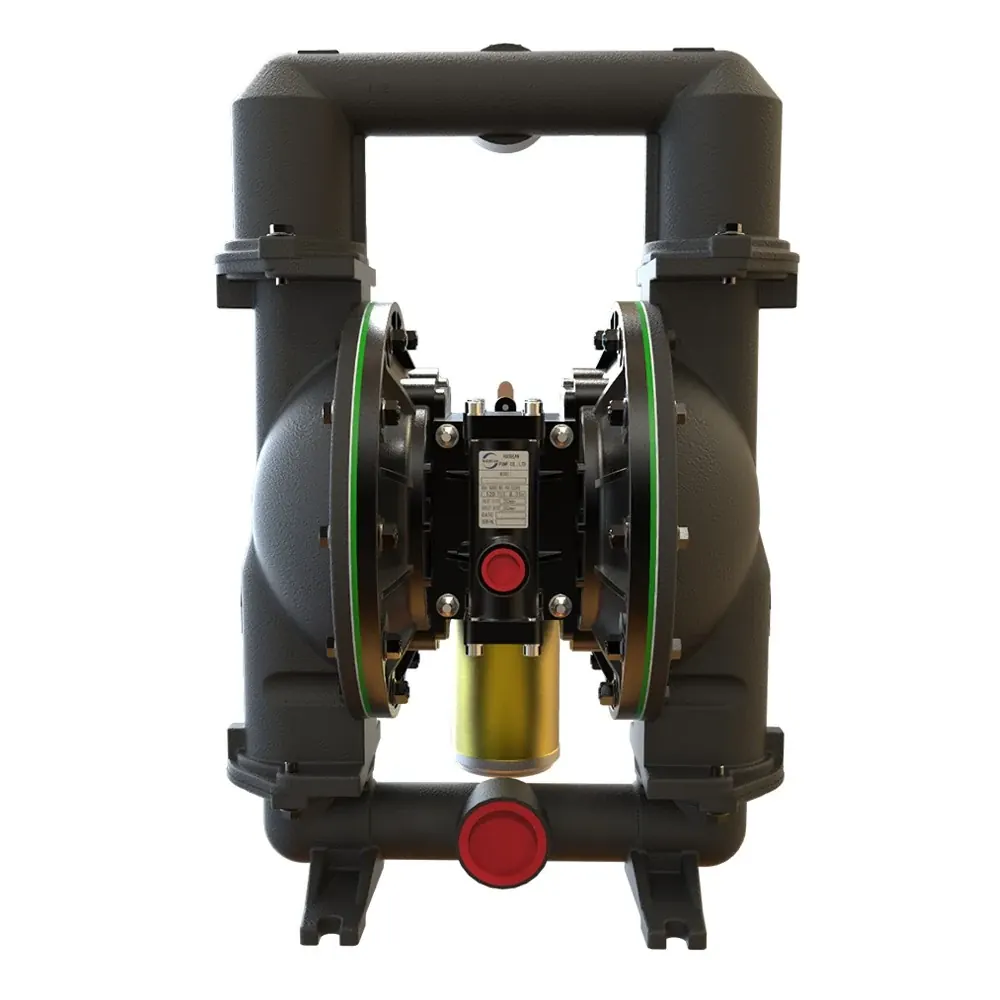
Coal mines face water seepage, slush and slurry from underground pits. The transfer of these fluids happens in confined spaces where electrical equipment is restricted and maintenance access is limited. A pump must survive abrasion, run dry, and operate on plant air without fail.
Three failure modes dominate early pump replacement in coal mine environments.
Coal slush and pit water carry particles up to 50 mm in diameter. Standard check valves with tight clearances fail when these solids enter the fluid path, blocking flow and requiring manual intervention in a hazardous area.
Slurry containing coal fines and sand erodes thin-walled materials. Pumps with non-metallic bodies or thin castings fail quickly under continuous abrasive duty, leading to leaks and unplanned shutdowns.
Dewatering pits empty during operation. Pumps that lose prime or overheat when dry cannot restart without intervention, and the operator must monitor levels constantly in a high-risk environment.
The specification is based on three physical limits: solids size, body material and suction lift. These define the model before any quote is issued.

Flap valve for large solids, cast iron and aluminum for abrasion, and 3 inch models for high flow in long lines.

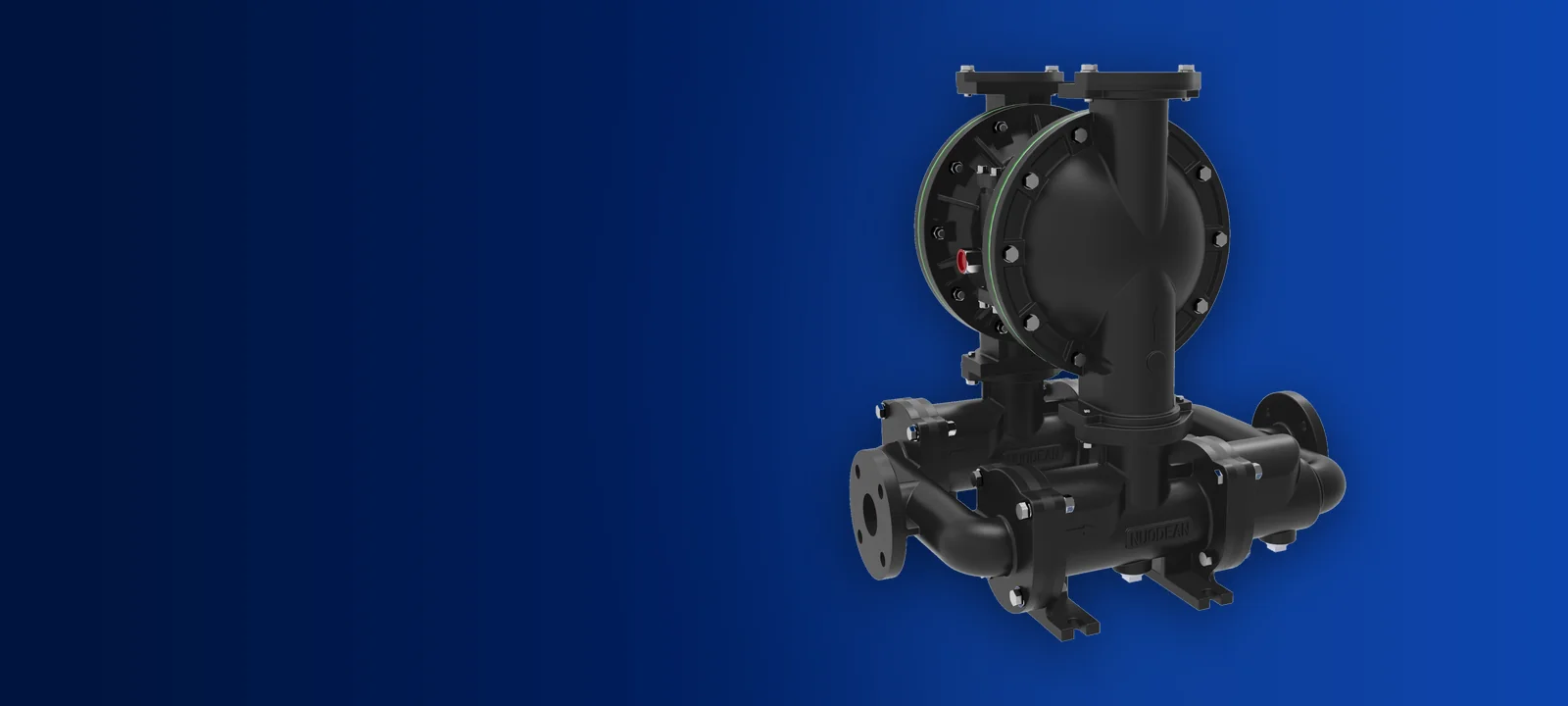
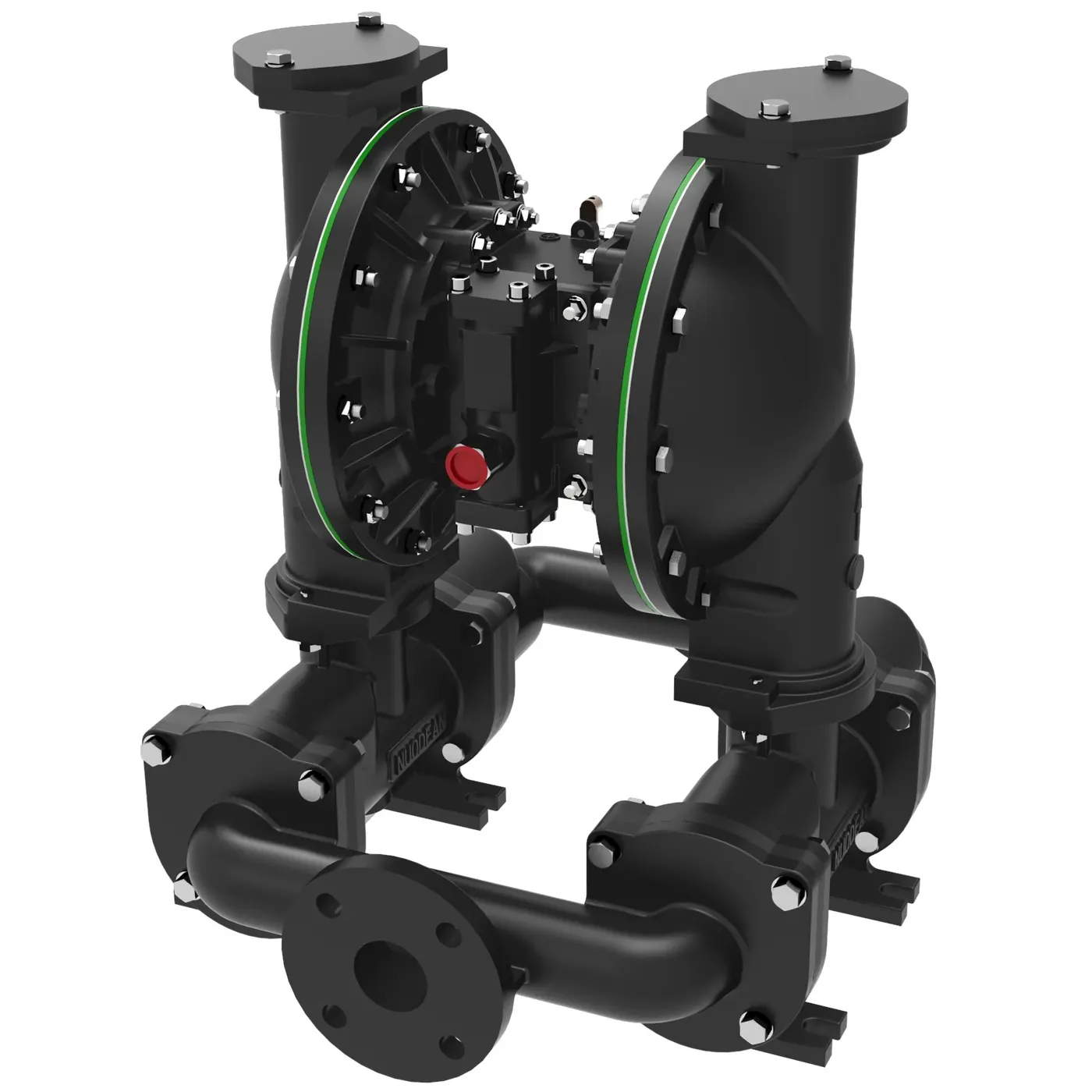
647 LPM and 8.3 bar from a 130 kg pump built for 50 mm solids. The only AODD in the range with a horizontal fluid path.
View Specifications →
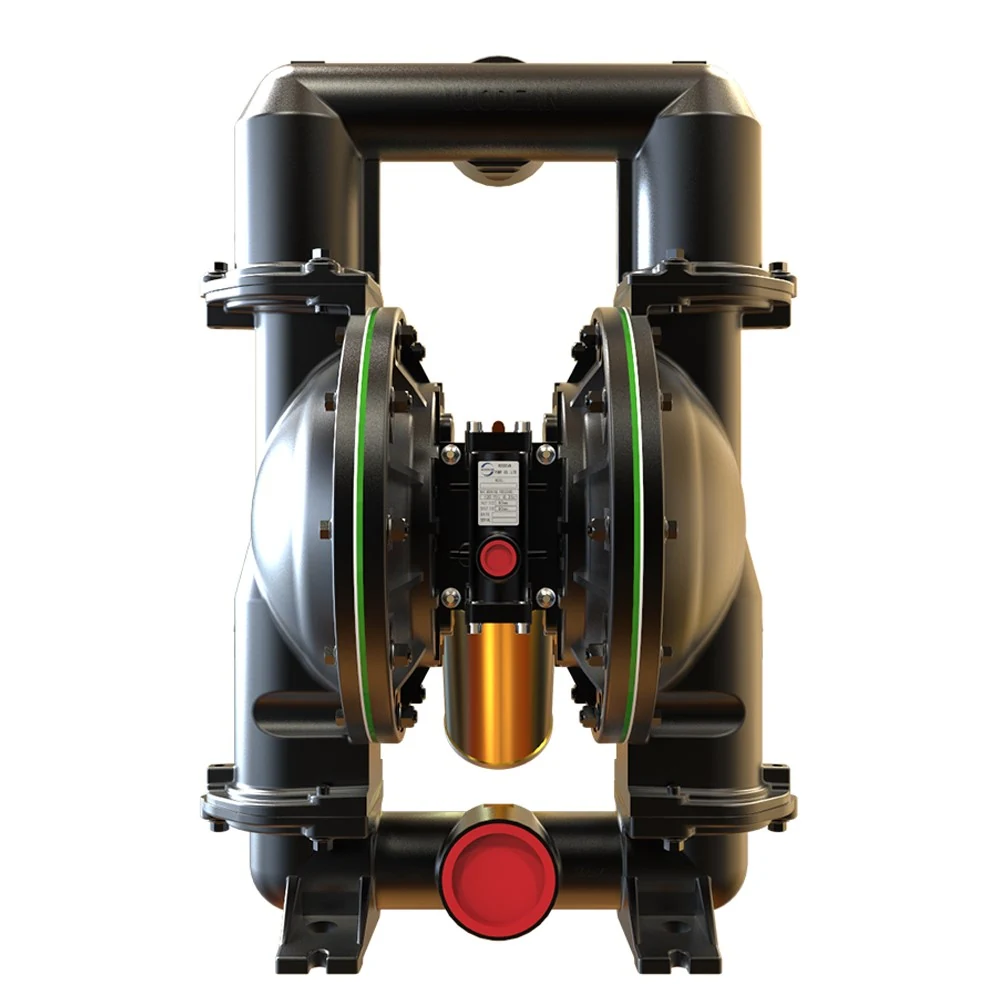
897 LPM and 8.3 bar from a 96.7 kg cast iron body. The heavy duty volume pump in the DP3X range.
View Specifications →
897 LPM and 8.3 bar from a 49.8 kg aluminum body. The largest volume pump in the DP3X range.
View Specifications →
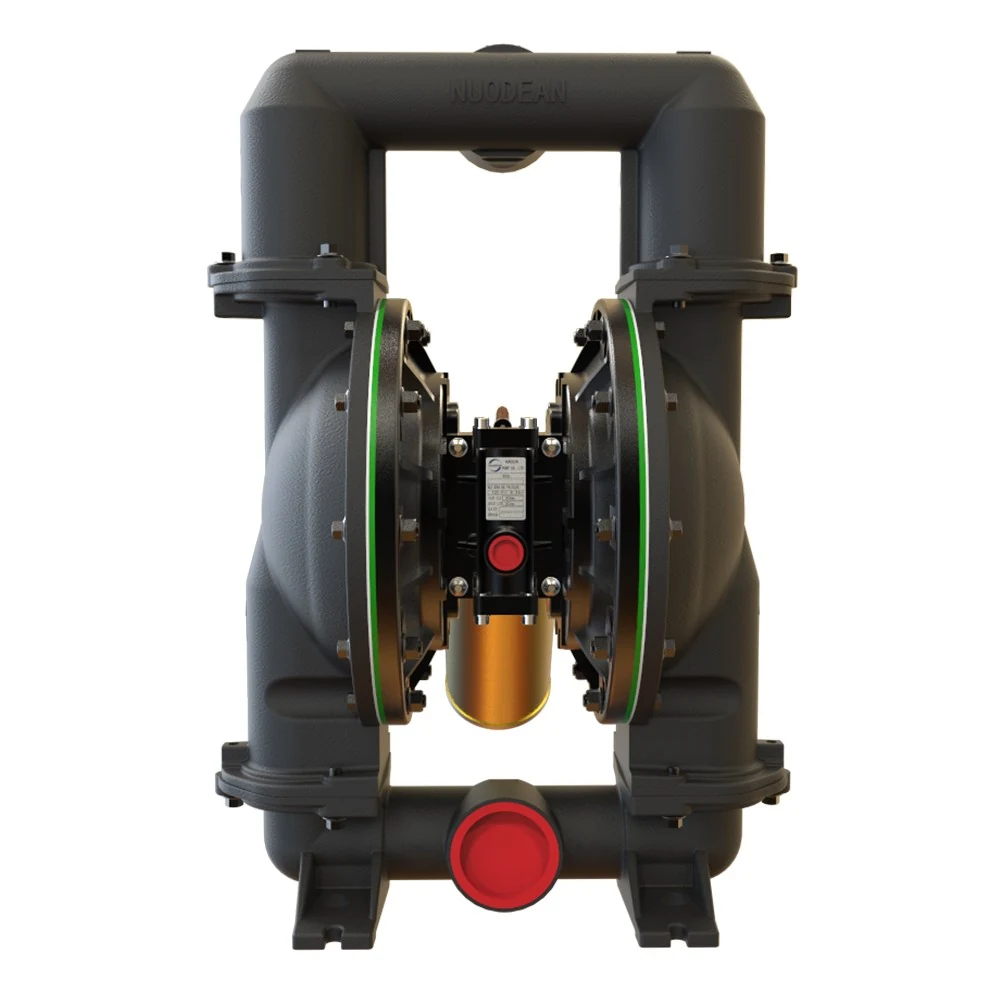
651 LPM and 8.3 bar from a 56.4 kg cast iron body. The heavy duty workhorse of the DP3X range.
View Specifications →Pumps placed at the bottom of mine pits to remove water seepage. The heavy duty flap valve pump with 8.3 m dry suction lift empties the pit without priming and handles solids up to 50 mm.
Moving coal slush from underground hoppers to surface bins. The 3 inch cast iron pump handles 897 LPM with 120 psi pressure, and the aluminum model offers lighter weight for mobile setups.
Draining sumps and storage tanks where the fluid level drops below the pump inlet. The 3 inch aluminum pump with 5.4 m dry suction lift operates safely even when the tank is nearly empty.
Flushing slurry lines between batches. The pump swallows air, then liquid, then air again without damage, and the flap valve design resists clogging.
Four steps. The first one is the only one that matters, and it is the one most enquiries skip.
Coal slush, water seepage or slurry. The maximum particle size determines the pump type. For 50 mm solids, only the heavy duty flap valve pump is suitable.
Cast iron for high abrasion resistance in continuous duty, aluminum for lighter weight and lower cost. The 3 inch models are rated for 8.3 bar pressure, which matches the maximum operating pressure in the catalogue.
Flow at your discharge head with your available air pressure. The 3 inch cast iron pump delivers 897 LPM at 120 psi, and the 2 inch cast iron pump handles 651 LPM with a 120 psi rating.
One air section kit and one fluid section kit coded to your elastomer choice, so the first failure is a fifteen minute job rather than a three week wait.
Follow one full stroke through the pilot valve, the major air valve and both liquid chambers, and the rest of the pump stops being mysterious.
Buying GuideSizing an air diaphragm pump from the existing pipe size or the headline maximum flow guarantees poor performance. Here is how to select the right displacement and port size from actual duty conditions.
Material GuideCompare aluminum, cast iron, stainless steel and non metallic bodies by fluid, duty and weight, not by habit.
Only the Heavy Duty Flap Valve Diaphragm Pump in the Nuodean catalogue handles solids up to 50 mm. It has a dry suction lift of 8.3 m and is rated for 8.3 bar pressure. No other model in the range supports this size.
Yes. All Nuodean AODD pumps are designed for dry running and dead heading as normal operation. The heavy duty flap valve pump handles 50 mm solids and runs dry without damage.
Yes. The 3 inch cast iron pump is rated for 8.3 bar pressure and is suitable for abrasive coal slurry. The 2 inch cast iron pump has no published dry suction lift, so it is not suitable for dewatering pits.
The 3 inch cast iron and aluminum pumps both deliver 897 LPM at 120 psi. The flow is limited by the port size and air pressure, not the body material.
The exhaust port should be piped away from the pump and inspected regularly. A wet exhaust indicates a torn diaphragm. Catching it early prevents fluid from entering the air end.
Fluid type, maximum solids size, flow and discharge head. We will come back with the model code, wetted part list and a price.