Qingdao Nuodean Pump Co Ltd — air operated double diaphragm pumps since the DP series
Nuodean AODD pumps for chemical processing
Industry Application

AODD Pumps For Chemical Processing Plants

Acid, alkali, caustic, solvent and liquid waste are named applications in our own catalogues. They are also the duties where the wrong pump stops being a maintenance problem and starts being a safety problem.

Pain Points

What Goes Wrong In A Chemical Transfer Duty

Three failure modes account for most of the pumps that chemical plants replace early.

The Seal Is The Leak Path

A rotating pump needs a shaft seal, and a shaft seal on aggressive chemistry is a scheduled leak. A diaphragm pump has no rotating seal to the atmosphere, so the containment boundary is the diaphragm and the gasket.

The Metal Is Wrong For The Fluid

Hydrochloric acid, caustic soda and plating chemistry attack aluminum and even stainless steel. If the wetted part list was chosen for price rather than chemistry the pump dissolves on schedule.

The Tank Runs Dry And The Pump Does Not Care

Batch transfer means the suction empties. Centrifugal pumps lose prime and overheat, and the operator has to watch the level instead of the process.

What Buyers Need

What Chemical Buyers Actually Specify

The specification usually comes down to six lines, and all six are settled in the model code before the pump is built.

  • Wetted materials that match the fluid, which means polypropylene or PVDF for acids and alkalis and 316 stainless steel for solvents and higher temperatures
  • PTFE faced diaphragms where the chemistry is aggressive, with a Santoprene backing for flex life
  • No electric motor in the area, so the pump runs on plant air and takes the electrical argument off the table
  • Dry running and dead heading tolerated as normal operation rather than as an incident
  • Self priming with a real dry lift so drums and IBCs can be emptied from ground level
  • Published drawings and part lists so a plant can hold the right spares before a shutdown
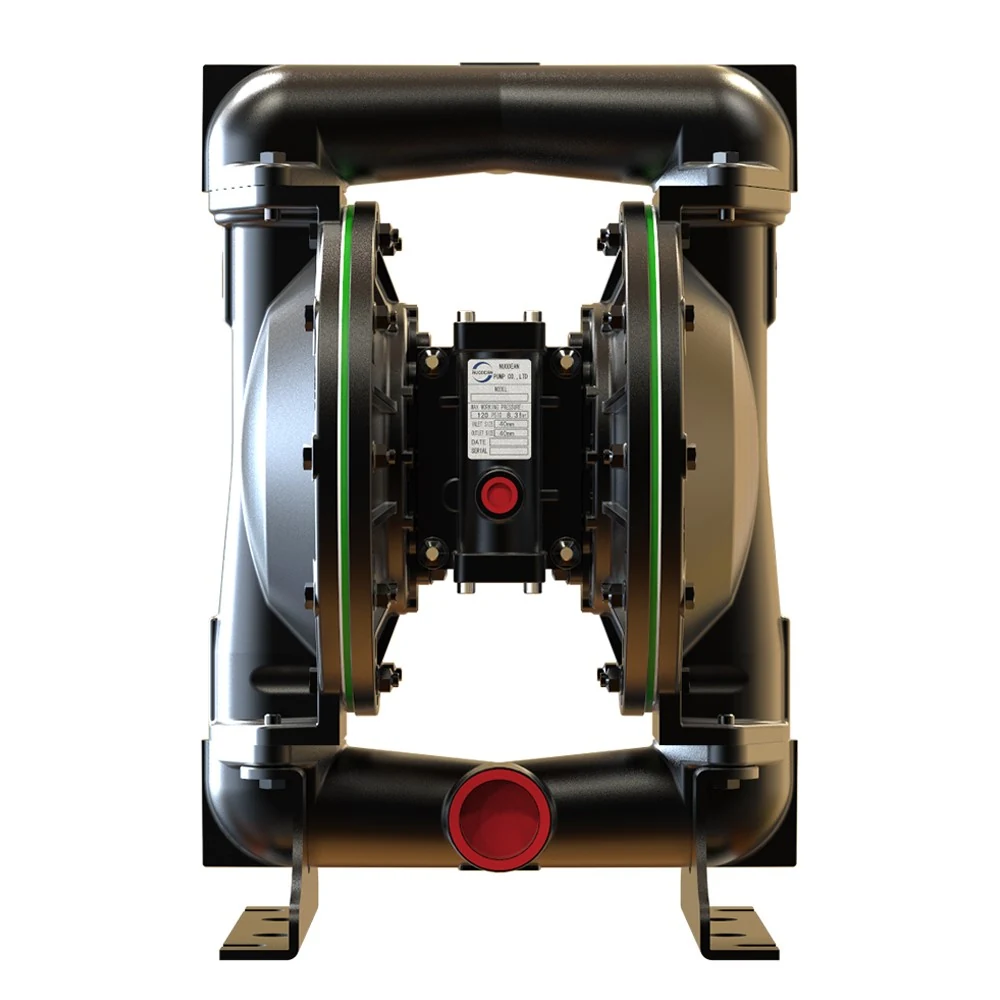
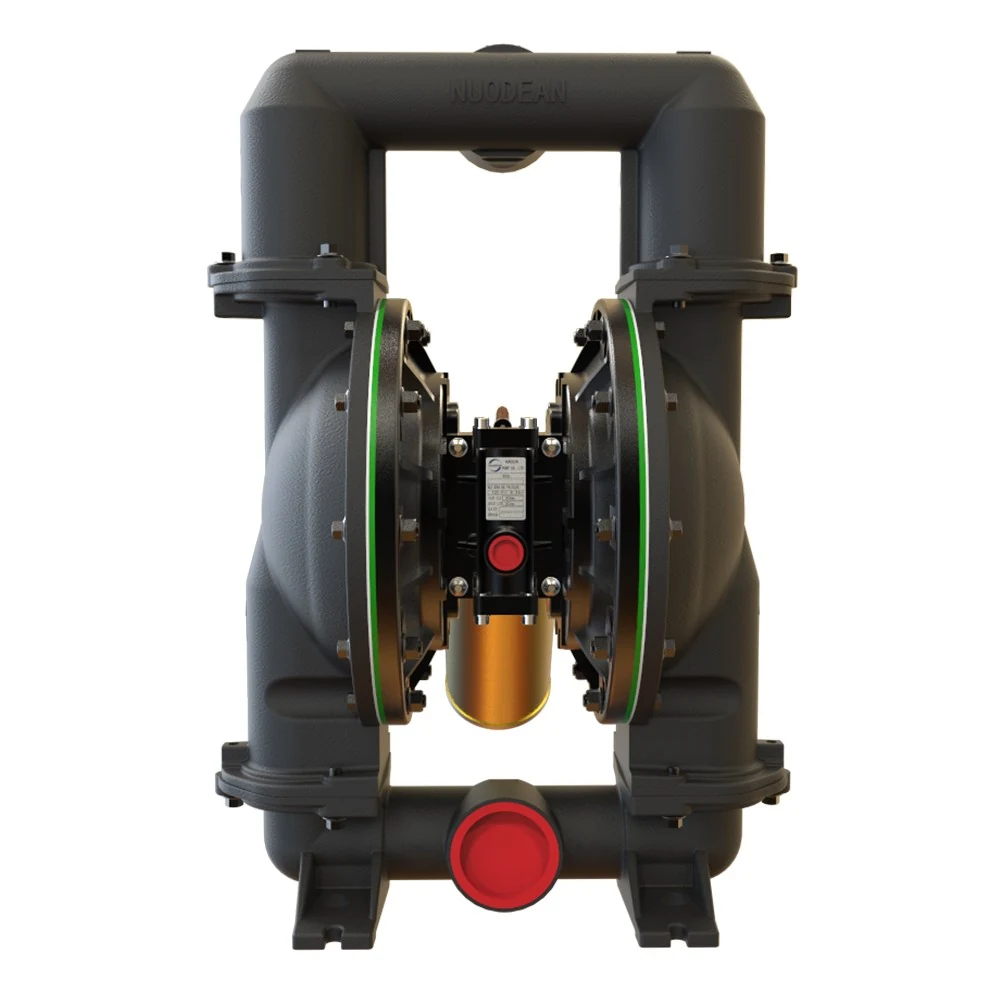
Front view of an industrial double diaphragm pump with black manifold and silver chambers.
Typical Duties

Typical Duties On A Chemical Site

01

Drum And IBC Emptying

Self priming from ground level with the pump above the container, and dry running accepted at the end of each drum.

02

Reactor Charging And Batching

Air throttled flow into a reactor, with the pump dead heading safely when the charge valve closes.

03

Effluent And Liquid Waste

Waste water and liquid waste transfer where the fluid carries solids and the chemistry changes batch to batch.

04

System Flush And Clean Down

Flushing lines between products, where the pump has to swallow air, then liquid, then air again.

How We Work

How We Get From Enquiry To Pump

Four steps. The first one is the only one that matters, and it is the one most enquiries skip.

  1. Name The Fluid Properly

    Chemical name, concentration and temperature. Sulfuric acid at 10 percent and at 96 percent are different pumps, and so is the same acid at 20 degrees and 80 degrees.

  2. Fix The Wetted Materials

    We set the body, seat, ball and diaphragm against the chemistry, then check the hardware and the connection thread, since bolts and unions see the spill even if they do not see the fluid.

  3. Set The Duty Point

    Flow at your discharge head with your available air pressure. That is what decides the port size, not the size of the pipe you already have.

  4. Agree The Spares Package

    One air section kit and one fluid section kit coded to your elastomer choice, so the first failure is a fifteen minute job rather than a three week wait.

Supply And Delivery

What Ships With The Pump

Related Guides

Guides For Chemical Duty

Answers

Chemical Processing Pump FAQ

Which body material should I use for hydrochloric acid?

Polypropylene or PVDF rather than any metal, with PTFE faced diaphragms and PTFE or PVDF seats. Send the concentration and the temperature and we will confirm the full wetted part list before quoting.

Are the pumps suitable for a hazardous area?

They are air driven with no electric motor, which is the usual reason plants specify AODD pumps in classified areas, and our catalogue lists potentially explosive areas as an application. We do not publish an ATEX certificate, so if your installation needs one tell us before you order.

Can the pump handle a fluid that crystallizes?

Ball check pumps cope with light crystallization better than close clearance pumps, and flushing after each batch is what actually protects them. For heavy solids look at the flap valve pump, which passes 50 mm.

What temperature limit applies?

The limit comes from the wetted materials, not the air end. Polypropylene, PVDF, PTFE, Santoprene and Viton all have different ceilings, so send us the operating temperature with the fluid name.

How do I stop a diaphragm failure contaminating the compressed air system?

Pipe the exhaust away and inspect it. A wet exhaust is the first sign of a torn diaphragm, and catching it there is what keeps the fluid out of the air end.

Send Us The Chemistry And The Duty

Fluid, concentration, temperature, flow and discharge head. We will come back with the wetted part list, the model code and a price.

[email protected]?subject=Inquiry%3A%20Chemical%20Processing%20pump%20selection
Language