Qingdao Nuodean Pump Co Ltd — air operated double diaphragm pumps since the DP series
Nuodean pump solution: abrasive and high solids transfer
Solution

Transfer Abrasive Slurries And High Solids Without Pump Failure

Pumps fail in abrasive service not because of the fluid, but because of the wrong design or material. Ball check pumps clog and wear fast. Flap valves pass large solids and resist abrasion. Cast iron and 316 stainless steel bodies withstand grit and sludge.

Why It Matters

Why Flap Valve Design Is Required For High Solids

Ball check pumps have small flow paths and narrow seats that clog easily with solids over 10 mm. Flap valves open fully and allow 50 mm solids to pass without restriction. The DP3X series uses flap valves on all pumps rated for high solids.

What You Should Achieve With The Right Pump

  • Solids up to 50 mm pass through the pump without clogging or damaging internal parts
  • Wetted materials are selected for abrasion resistance, not just chemical compatibility
  • The pump runs at a lower speed to reduce wear on diaphragms and seats
  • Suction velocity stays below 2 m/s to prevent erosion in the inlet spool
  • The pump can run dry without damage, which is common in slurry transfer
  • Replacement parts are available in the same materials as the original pump
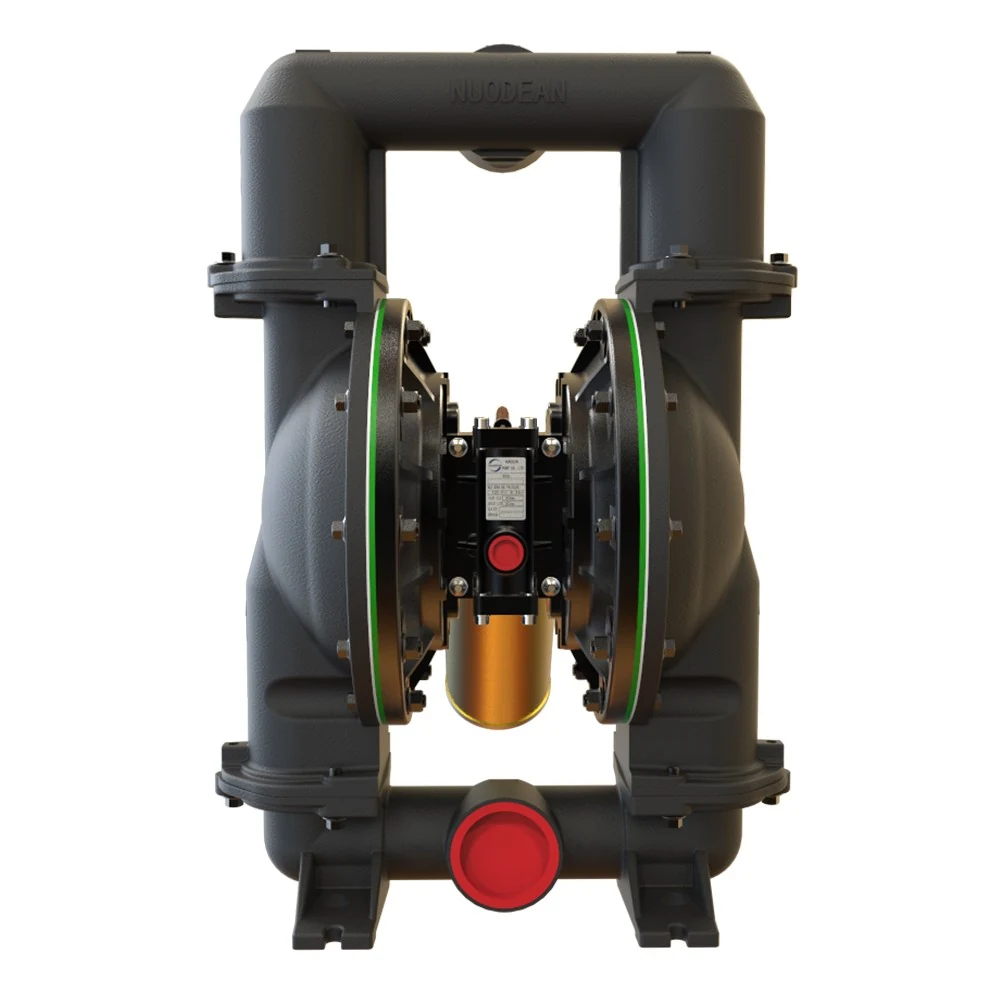
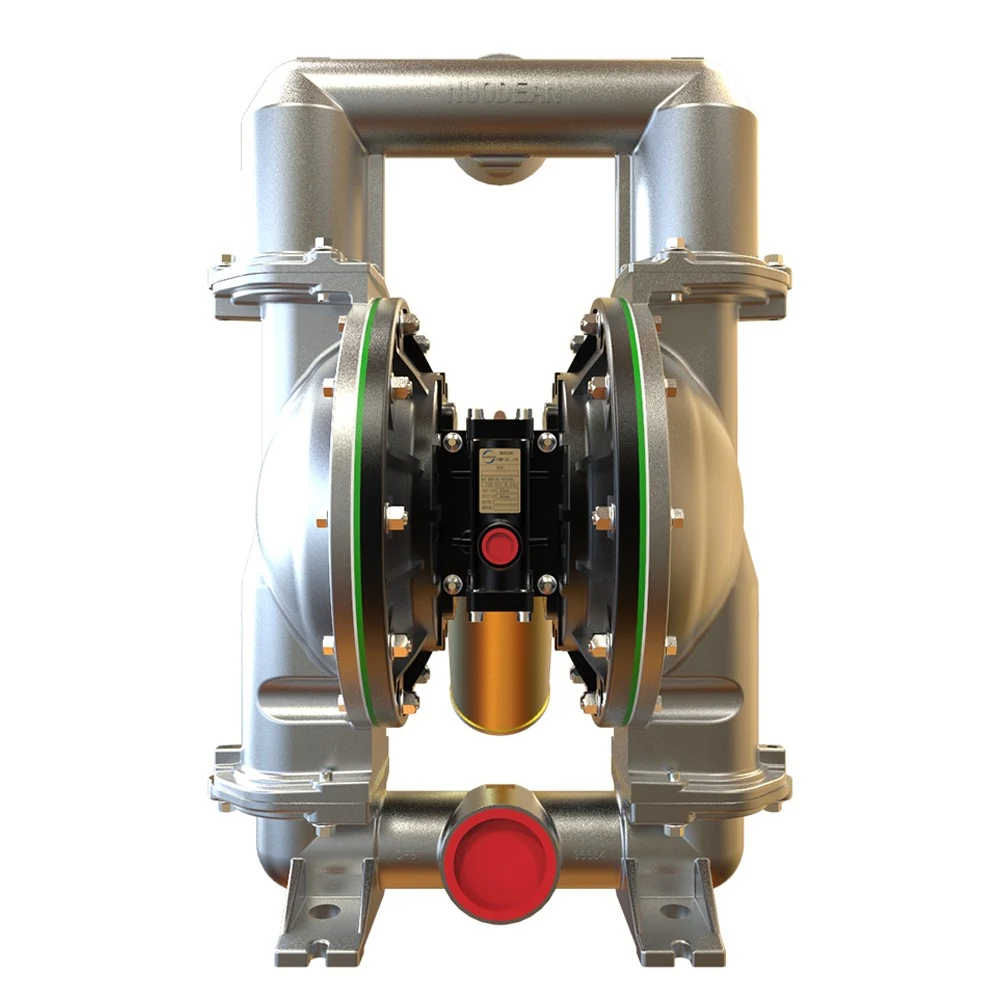
A black industrial diaphragm pump with green accents and a red port cover on a white background.
Step By Step

How To Select The Right Pump For Your Slurry

Four steps to avoid premature failure.

  1. Measure The Maximum Solid Size

    Problem. A pump rated for 25 mm solids will fail quickly if the slurry contains 30 mm particles. The inlet spool and valve seat will wear or break.

    How we solve it. Check the largest particle in your slurry. If it exceeds 10 mm, use a flap valve pump. The 3 inch model handles 50 mm solids. The 2 inch handles 35 mm. The 1 inch handles 20 mm.

  2. Choose The Body And Seat Material

    Problem. 316 stainless steel wears in high abrasion slurry. Cast iron fails in corrosive sludge. A mismatched material causes rapid failure.

    How we solve it. Use cast iron for abrasive slurry with low corrosion. Use 316 stainless steel for corrosive slurry with moderate abrasion. The seat is made from the same material as the body for consistent wear.

  3. Set The Operating Speed

    Problem. Running the pump at full speed increases diaphragm stress and seat wear. This shortens service life in abrasive service.

    How we solve it. Reduce the air pressure to lower the stroke rate. A 3 inch cast iron pump can run at 3 bar (43 psi) instead of 6 bar (87 psi) to extend diaphragm life by up to 50%.

  4. Verify The Suction Velocity

    Problem. High suction velocity causes erosion in the inlet spool and air valve. This happens when the pump is oversized for the flow.

    How we solve it. Ensure the suction velocity is below 2 m/s. For a 3 inch pump, this means flow should not exceed 897 LPM. For a 2 inch pump, stay below 651 LPM.

Pumps Involved

Pumps For Abrasive And High Solids Transfer

Related Guides

Guides Worth Reading First

Answers

Abrasive And High Solids Transfer FAQ

Can a ball check pump handle 30 mm solids?

No. Ball check pumps have narrow flow paths and small seats that block at 10 mm. Use a flap valve pump for solids over 10 mm. The 3 inch model handles 50 mm solids.

Which pump is best for abrasive slurry with low corrosion?

The 3 inch cast iron pump is best. It has a wear-resistant body and seat. The flap valve design allows large solids to pass without damage.

Can I run a 3 inch pump at full air pressure with grit?

Running at full pressure increases wear. Reduce air pressure to 3 bar (43 psi) to extend diaphragm and seat life. The pump will still deliver 897 LPM at lower speed.

What if my slurry contains both solids and corrosive fluid?

Use 316 stainless steel for corrosion resistance. The body and seat are made from the same material. The flap valve design handles solids up to 50 mm.

Do I need a special inlet spool for high solids?

No. The standard spool is designed for high solids. Use NPT or BSP threads as needed. The inlet diameter matches the port size to avoid restriction.

Describe The Slurry

Tell us the maximum solid size, the fluid type, the flow rate and the expected duty. We will recommend the right pump and material.

[email protected]?subject=Inquiry%3A%20Abrasive%20And%20High%20Solids%20Transfer
Language