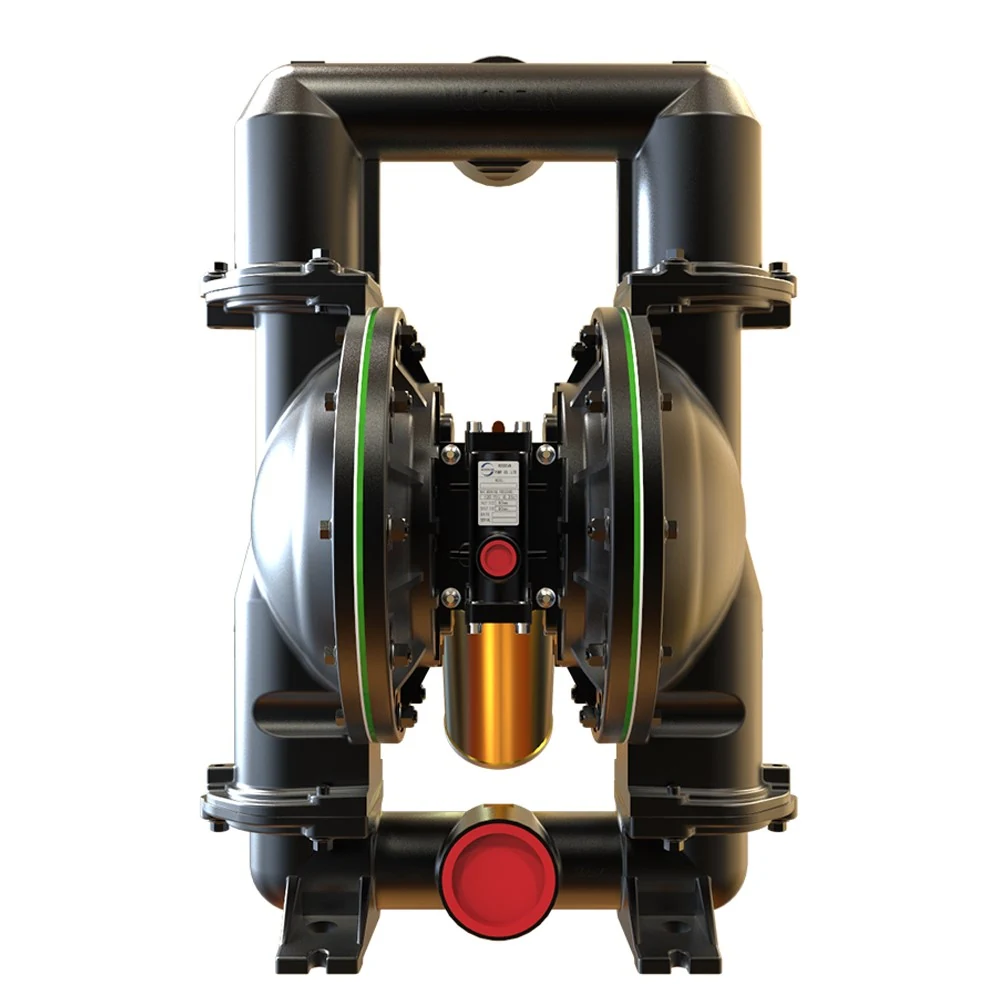
A pump failure is not just a downtime event. It is a chain reaction: the line stops, the process halts, the shift waits. The fix should not be a search. The right spares should be known, available and matched to the pump's model code.
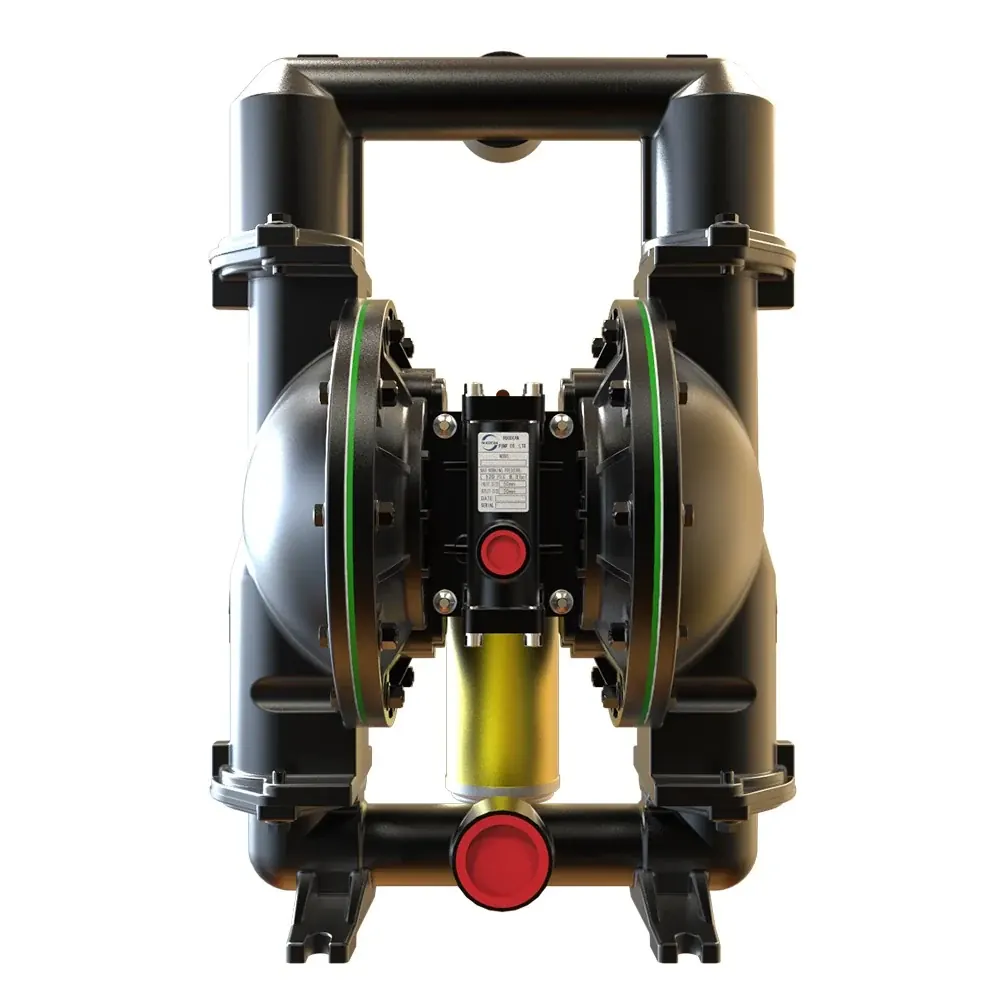
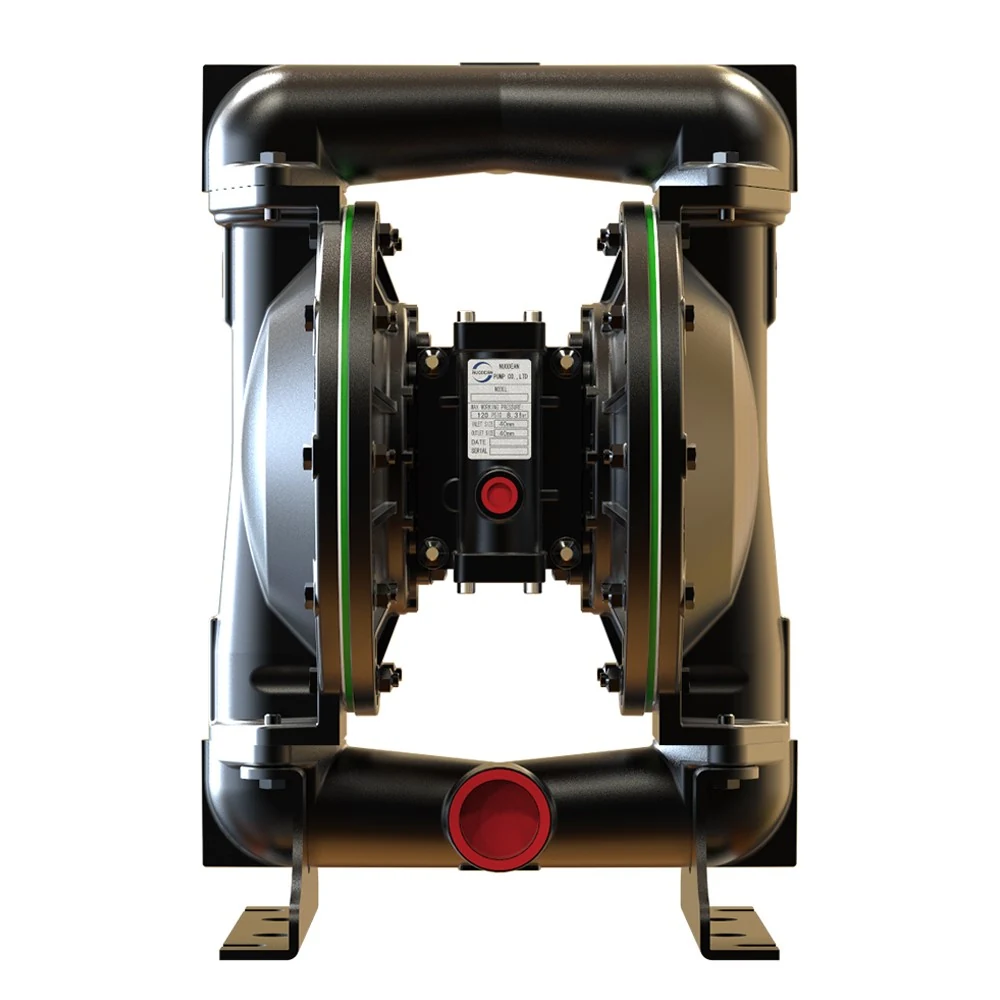
Every Nuodean pump model code includes the body material, port size, air inlet size and fluid section configuration. This means the correct repair kit can be identified from the code alone, even if the pump is ten years old. The kit is built to the same specification as the original.

Four steps to keep your pumps running without delays.
Problem. Pumps without readable nameplates or with faded labels make it hard to order the right kit.
How we solve it. Use the model code from the pump body or the original purchase record. The code contains the port size, body material, air inlet size and fluid section configuration. We use this to match the correct repair kit.
Problem. A generic kit may include parts that are not worn, or miss the parts that fail most often.
How we solve it. We quote the air section kit and fluid section kit separately. Each kit includes only the parts that are replaced during a standard repair, based on the model code and typical wear patterns.
Problem. Assembling a pump without a guide leads to misalignment, leaks or premature failure.
How we solve it. Each model has a published exploded drawing and part list. These show the sequence, orientation and fit of every component. Use them during repair to ensure correct assembly.
Problem. Waiting for a spare to arrive during a shutdown delays the restart.
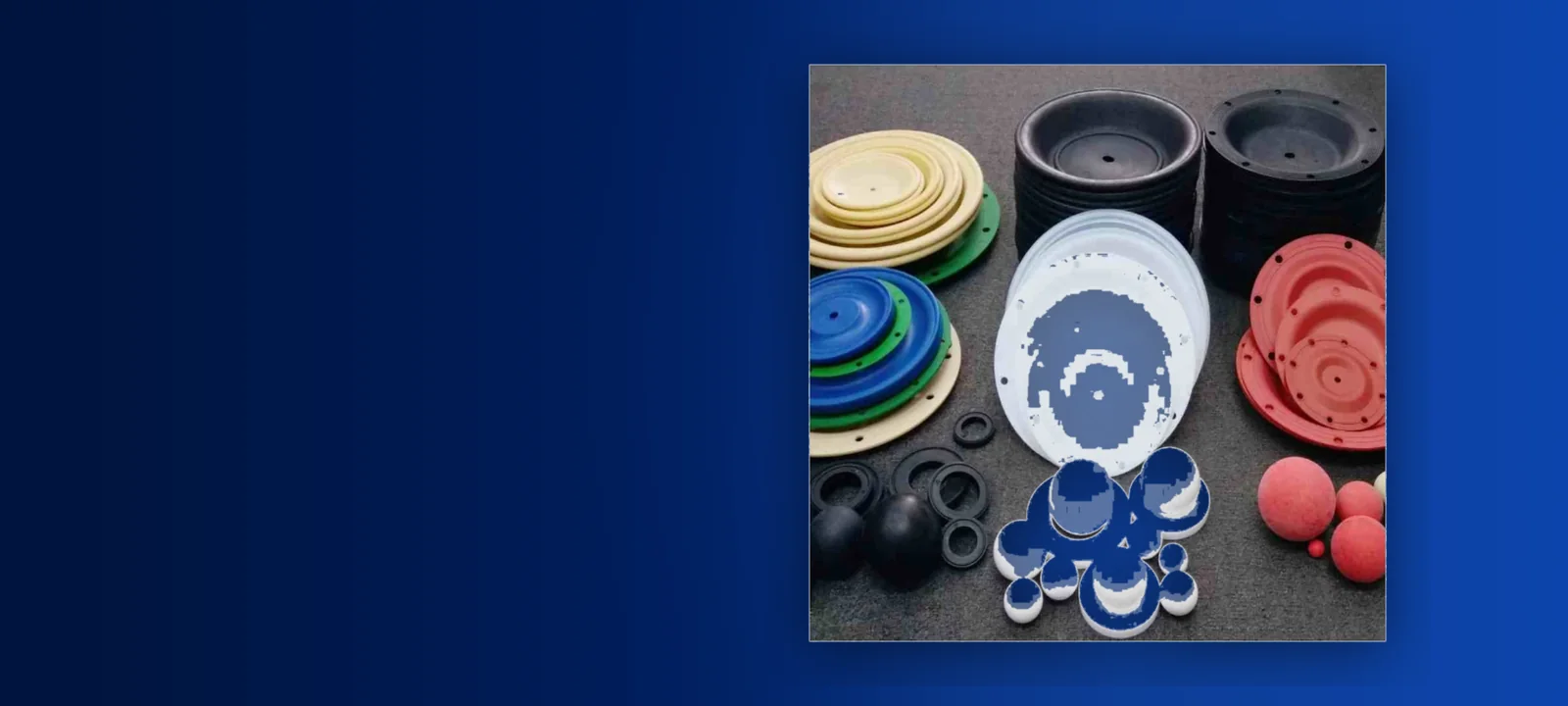
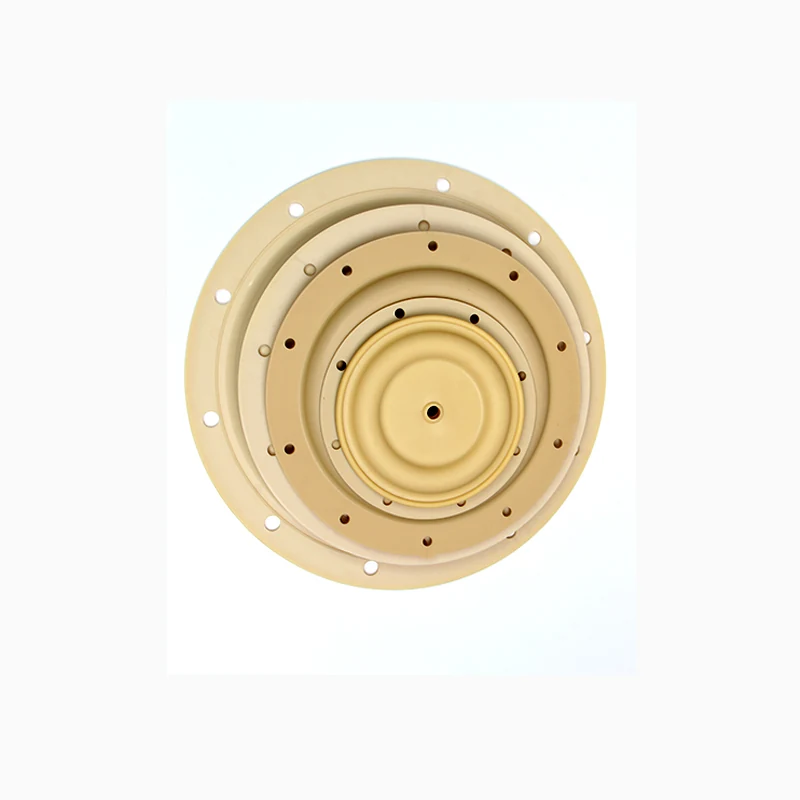
How we solve it. We recommend which parts to keep on the shelf based on the pump's duty and fluid. Diaphragms, balls and seats are the most common wear items. Keep one set per pump model in stock.

Repair kits and individual parts for DP3X, WA, Specialty, ZG and flap-valve pumps. Model code identifies the kit.
View Specifications →
651 LPM and 8.3 bar from a 29.6 kg aluminum body. The volume workhorse of the DP3X range.
View Specifications →
340.7 LPM and 8.3 bar from a 23.4 kg aluminum body. The mid-range volume pump in the DP3X series.
View Specifications →
897 LPM and 8.3 bar from a 49.8 kg aluminum body. The largest volume pump in the DP3X range.
View Specifications →Follow one full stroke through the pilot valve, the major air valve and both liquid chambers, and the rest of the pump stops being mysterious.
Buying GuideSizing an air diaphragm pump from the existing pipe size or the headline maximum flow guarantees poor performance. Here is how to select the right displacement and port size from actual duty conditions.
Material GuideCompare aluminum, cast iron, stainless steel and non metallic bodies by fluid, duty and weight, not by habit.
Look at the pump body for the model code. It is stamped on the side of the body, near the air inlet. The code includes the port size, body material and air inlet size. Use that to identify the correct kit.
No. The air section and fluid section kits are specific to each model code. Even small differences in port size or air inlet thread mean the kit will not fit. Always use the code to confirm fit.
The kit is built for the model code, not the fluid. But the wetted materials in the kit must match the fluid. If the fluid is corrosive, use a kit with the correct elastomers for that fluid.
The drawings and part lists are published in the Nuodean catalogue and on the product page for each model. They show every component, its part number and its location in the pump.
Not all parts wear at the same rate. Replace only the parts that are damaged or worn. Use the exploded drawing to inspect each component during a routine round.
Send the model codes of your pumps. We will quote the air section and fluid section kits, provide the drawings and part lists, and recommend which parts to keep on the shelf.