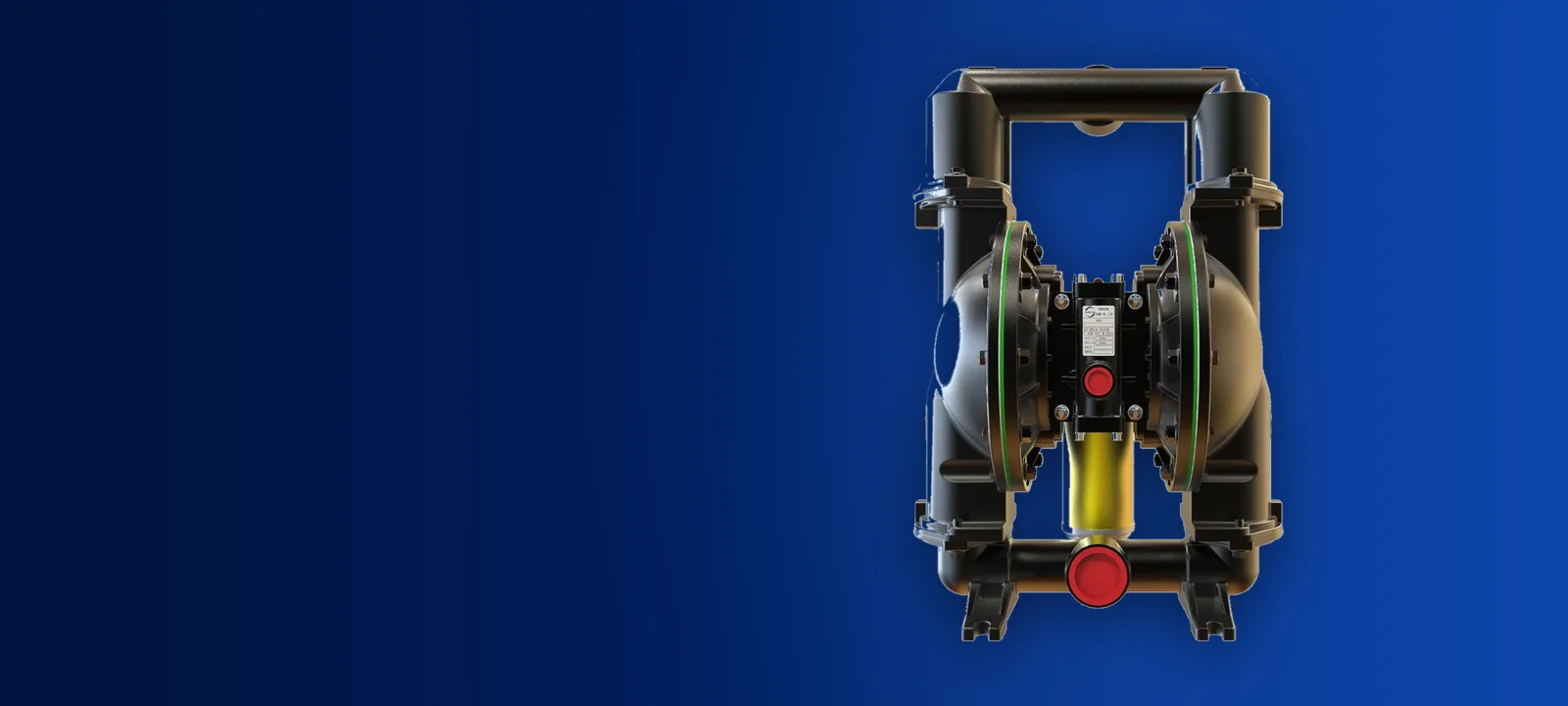
Why The Model String Matters on The Factory Floor
A diaphragm pump model code is not an arbitrary tracking number generated for inventory. It is an engineering blueprint compressed into a fixed sequence of alphanumeric characters stamped directly on the serial plate.
Reading this code correctly ensures you purchase the correct configuration for fluid compatibility, abrasion resistance, and mechanical installation. It also prevents costly maintenance errors when ordering rebuild components years after commissioning, because every wet-end seal, ball check, seat, and air valve ring corresponds directly to the characters on the casing.
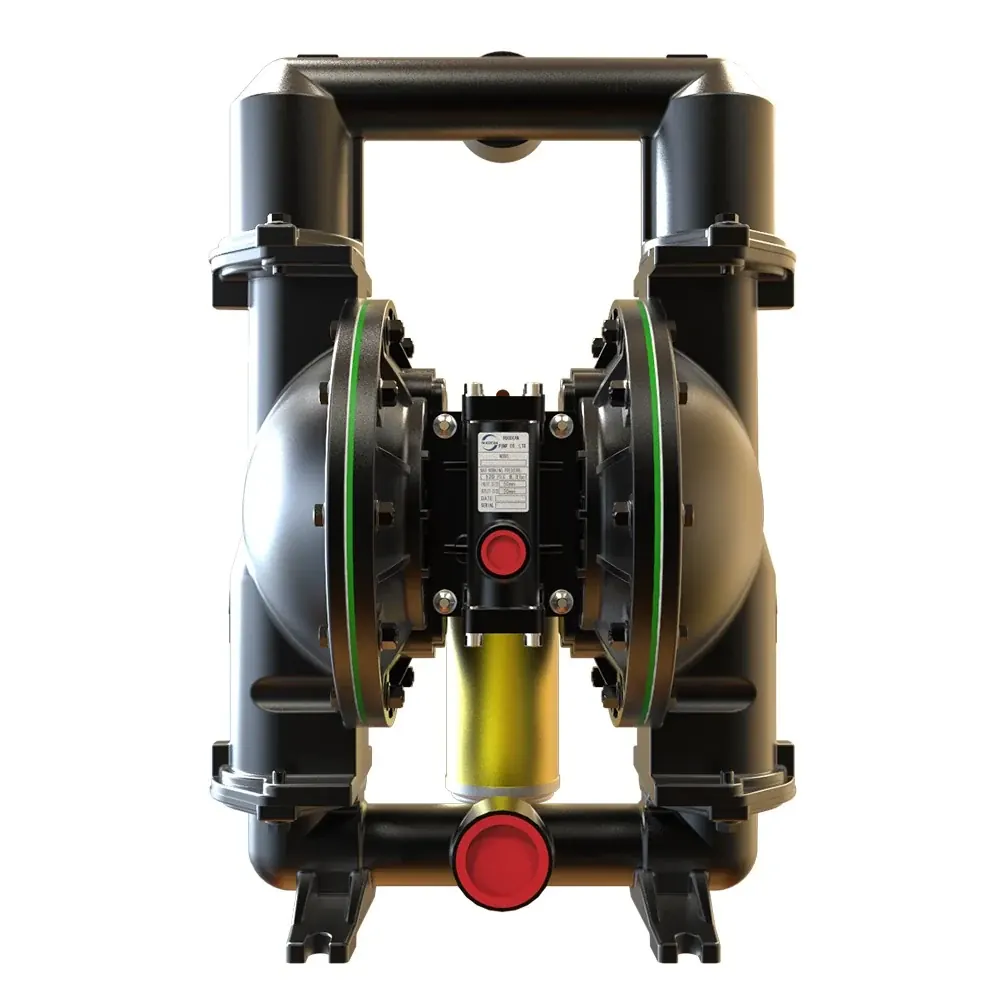
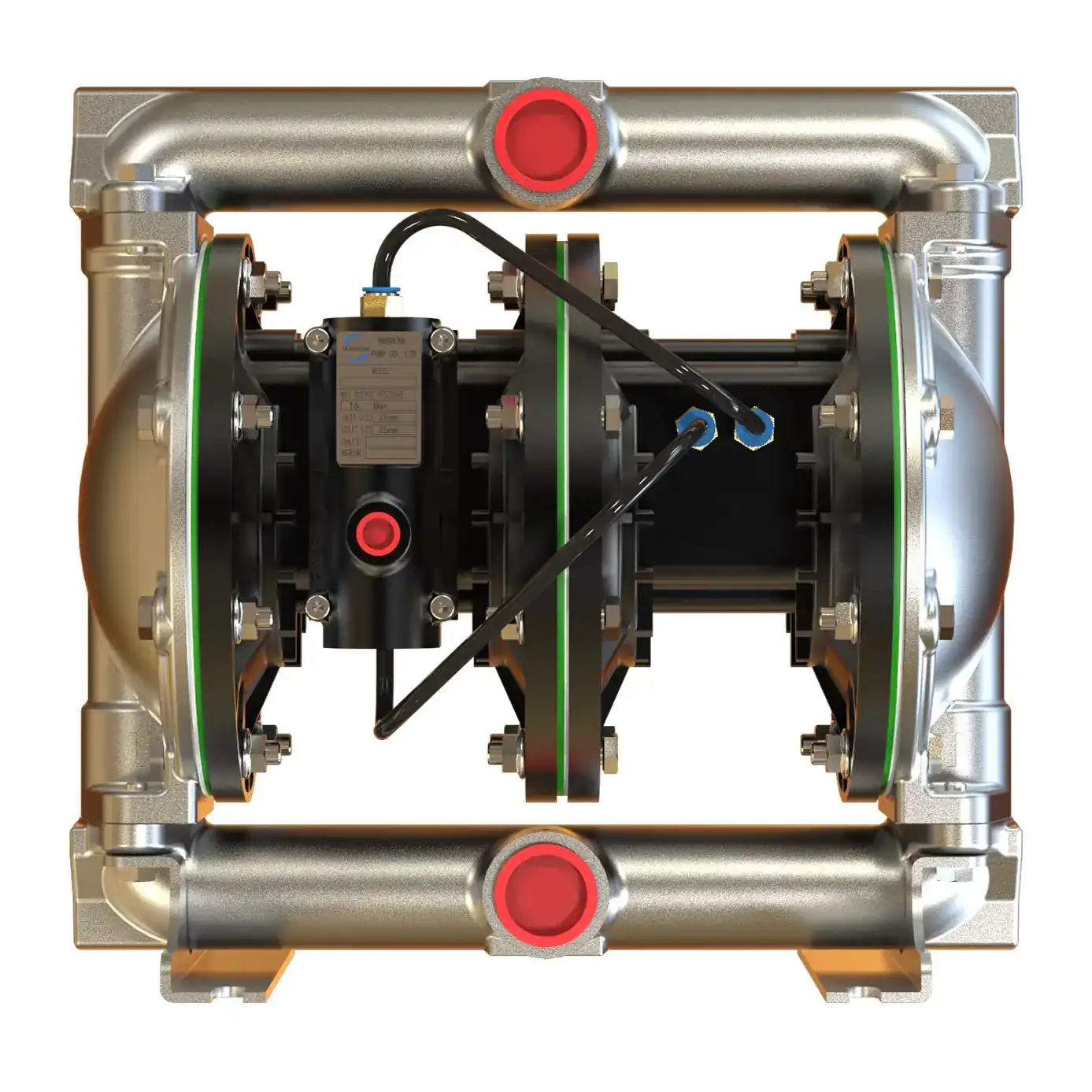
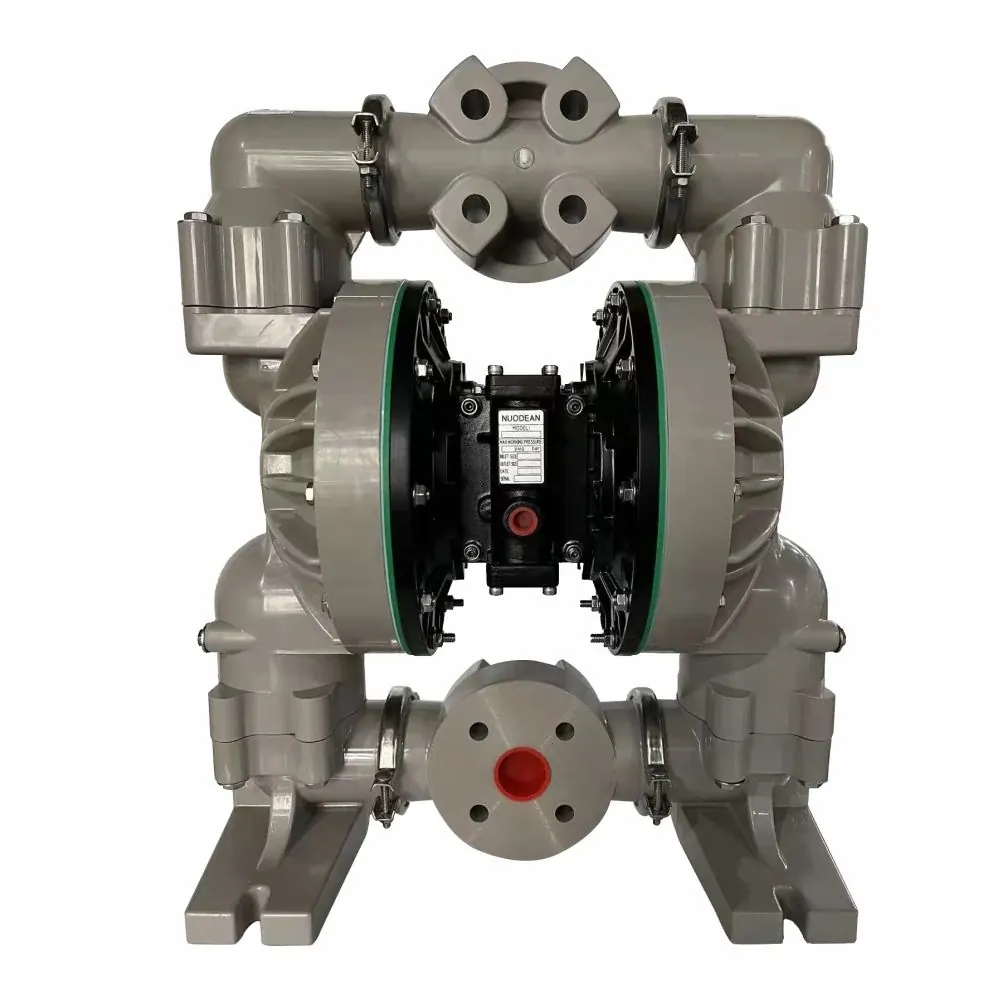
Nuodean catalogues 29 pump models across 5 distinct series: DP3X, WA, Specialty, ZG, and Spare Parts. Whether specifying a new installation for aggressive chemical batching or replacing worn diaphragms during a planned turnaround, decoding the nameplate string eliminates teardowns just to inspect elastomer colors or measure port connections.
The Structure of The Model Designation
The model string follows a standardized position sequence across the catalogued product line. Each position defines a distinct mechanical subassembly or material boundary, moving systematically from the drive mechanism to fluid contact components and threaded interfaces.
Understanding the sequence allows plant operators to identify pump capabilities and service limits at a glance.
- Series designation indicating product family and air distribution architecture
- Port dimension specifying inlet and discharge pipe size
- Center section body material enclosing the pilot and main spool valves
- Fluid chamber and manifold material contacting the process liquid
- Hardware fastener metallurgy securing the liquid caps and manifolds
- Valve seat material responsible for ball seal contact and backflow prevention
- Check ball material sealing under suction lift and discharge pressure
- Diaphragm material flexing between the air chambers and process fluid
- Fluid connection thread standard specifying NPT or BSP pipe geometry
Series Designation and Port Size Positions
The first group of characters establishes the pump platform and overall pipe connection sizing. The prefix defines whether the unit belongs to the DP3X family or the legacy WA product line. The DP3X platform houses an air distribution system equipped with a pilot air valve shifted by mechanical actuator pins and a pneumatic main spool with ceramic dynamic seals, alongside an anti-icing exhaust chamber.
Immediately following the series letters is the port size code. Nuodean manufactures port sizes from 1 inch to 3 inch across its industrial models. A 10 designation signifies a 1 inch connection, 15 represents 1-1/2 inch, 20 indicates a 2 inch port, and 30 defines a 3 inch pump.
For instance, specifying a 20 port on a metallic body yields a pump delivering up to 172 GPM (651 LPM) at an operating pressure limit of 120 psi (8.3 bar), weighing 65.2 lbs (29.6kg). Selecting a 15 port on a non metallic construction yields 100 GPM (378.5 LPM) with an operating weight of 62 lbs (28.1kg).
Center Section and Air Motor Housing
The center body character defines the intermediate block material positioned between the two opposing air chambers. This housing holds the mechanical actuator pins, the pilot valve spool, and the main air valve piston.
Aluminum center sections, designated by the letter A, provide rigid mechanical support and impact strength for general industrial transfer, mining slurry handling, and paint recirculating lines. Polypropylene center sections, marked with a P, offer external resistance against aggressive chemical fumes, caustic washdowns, and acid splashes that corrode painted metals in plating shops and chemical manufacturing.
Fluid Chambers and Manifolds Metallurgy
The next character identifies the structural material of the wetted outer liquid chambers and the suction and discharge manifolds. Choosing this material dictates pressure boundaries, abrasion resilience, and compatibility with the pumped liquid.
Nuodean catalogues four primary casing materials across the DP3X and WA ranges. Selecting the wrong letter in this position risks immediate chemical attack or excessive abrasive erosion.
| A (Aluminum) | Cast aluminum alloy designed for paints, solvents, quenching oils, cutting fluids, and general fuel transfer. Lightweight and robust, handling operating pressures up to 120 psi (8.3 bar). |
|---|---|
| C (Cast Iron) | Wear-resistant iron construction engineered for abrasive liquid waste, coal mine sump dewatering, slush, and heavy slurry transfer where structural toughness is paramount. |
| S (Stainless Steel) | Corrosion-resistant stainless metallurgy specified for acids, alkalis, electroplating solutions, pharmaceutical batches, and food additives. |
| P (Polypropylene) | Molded thermoplastic engineered for strong inorganic acids, aggressive pickling baths, water treatment flocculants, and corrosive surface preparation chemistry. |
Internal Wetted Seats Balls and Diaphragms
Following the fluid cap metallurgy, three consecutive letters identify the internal elastomeric and wetted trim components: seat material, check ball material, and diaphragm material. This triplet is the most critical decision in the ordering string because it governs chemical compatibility, dry suction lift, and thermal tolerance.
Valve seats (character position one in the trim triplet) provide the precision seal face for the check balls. Available codes include S for Stainless Steel, P for Polypropylene, K for PVDF, A for Santoprene, and H for Hytrel. Hard seats such as stainless steel withstand high fluid velocities and cutting solids, while elastomeric seats like Santoprene provide superior vacuum seal on low-viscosity fluids.
Check balls (position two) maintain directional flow through the manifold passages. Standard codes include T for PTFE, A for Santoprene, and S for Stainless Steel. A 1 inch pump uses 1/8 inch (3.2mm) solids clearance, expanding to 1/4 inch (6.4mm) on 2 inch metallic pumps and up to 50 mm on dedicated flap valve configurations.
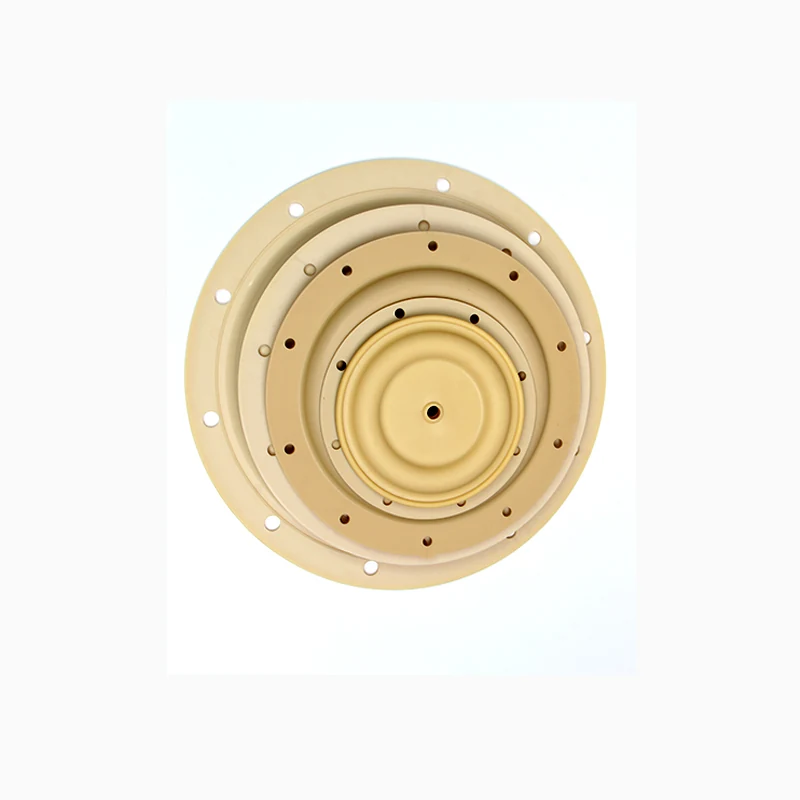
Diaphragms (position three) endure continuous mechanical flexure while isolating process fluid from compressed air. Code A represents Santoprene, offering high flexure endurance for neutral aqueous liquids, mild acids, and slurries. Code T represents virgin PTFE backed by a Santoprene support layer, providing near-universal resistance against aggressive solvents, caustics, and electroplating chemicals.
Connection Ports and External Fastener Hardware
The terminal positions in the model code define pipe threading conventions and external fastener alloys. Nuodean manufactures fluid manifolds to connect with either standard tapered pipe systems or parallel thread geometries.
A 1 code designates national pipe thread (NPT) ports commonly deployed across North American installations, while a 2 code indicates British standard pipe (BSP) thread geometry utilized across European, Asian, and international pipe networks. Flanged connections on larger non metallic housings align with dual standard drillings.
Hardware options are defined by P for plated carbon steel or S for stainless steel. Plated carbon steel fasteners provide adequate tensile strength for standard workshop environments, while stainless steel hardware prevents bolt seizure and thread rust in coastal installations, electroplating shops, and chemical processing facilities.
Ordering Repair Kits Directly From The Nameplate
Nuodean packages maintenance parts into two segregated categories: air section repair kits and fluid section repair kits. You do not need to pull the pump from service or measure internal components to identify the correct kit number; the stamped model string translates directly into spare part part-numbers.
The fluid section repair kit contains replacement diaphragms, backup diaphragms, check balls, valve seats, manifold O-rings, and dynamic shaft seals matching the three-letter trim combination on the nameplate. If the nameplate reads trim code T-T-T, the corresponding fluid kit contains PTFE diaphragms, PTFE check balls, and PTFE seats. Ordering against the original model string prevents installing incompatible elastomers that fail prematurely when exposed to the process chemical.
The air section repair kit contains components for the DP3X air motor: pilot valve actuator pins, pilot spool seals, ceramic dynamic main spool rings, exhaust gaskets, and end-plate O-rings. Because the center section code identifies the specific air valve housing revision, citing the complete model string ensures factory tolerances remain uncompromised during overhaul.