Start With the Symptom Not the Pump
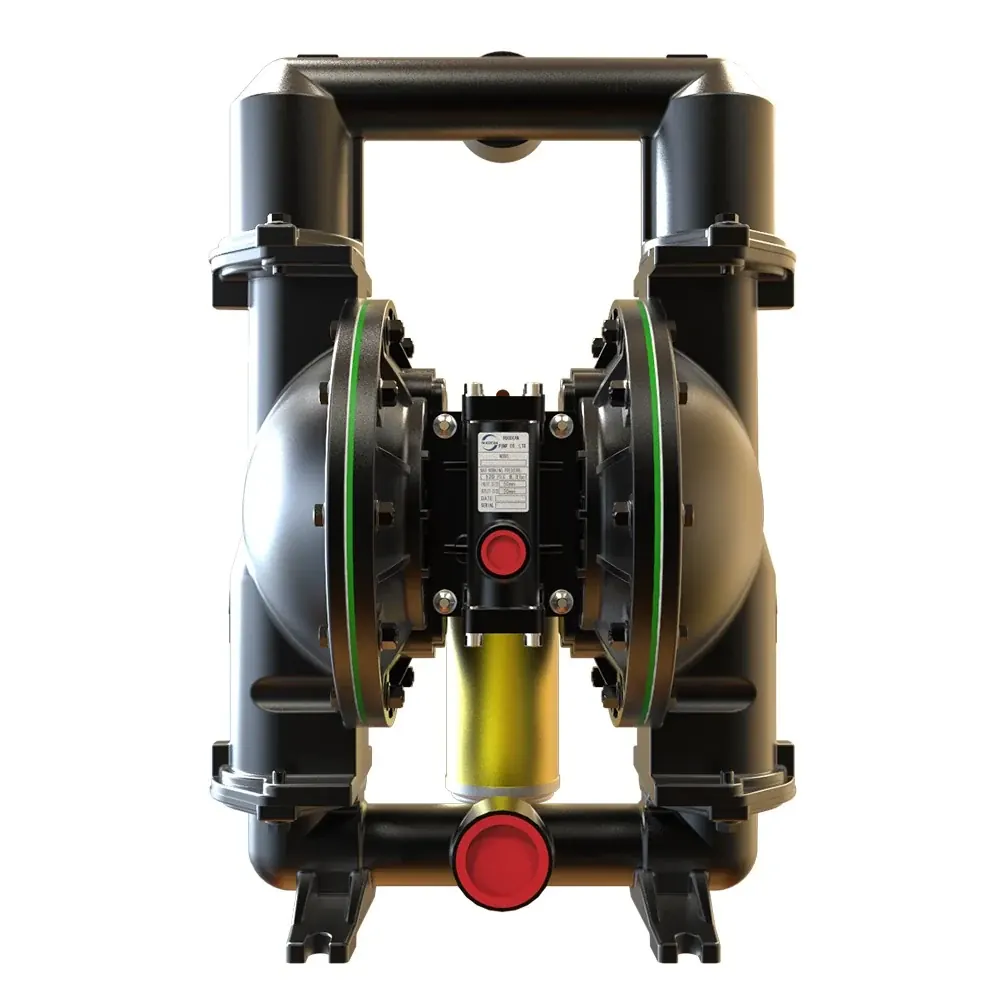
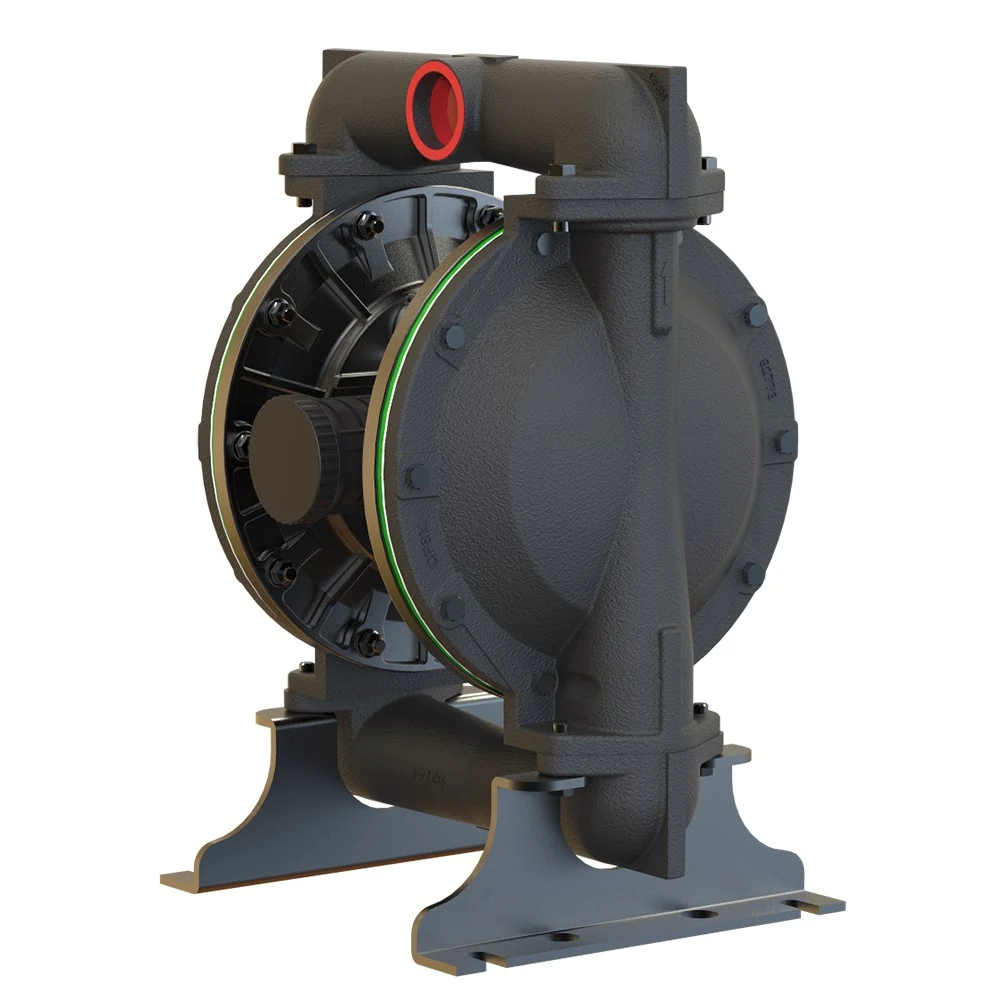
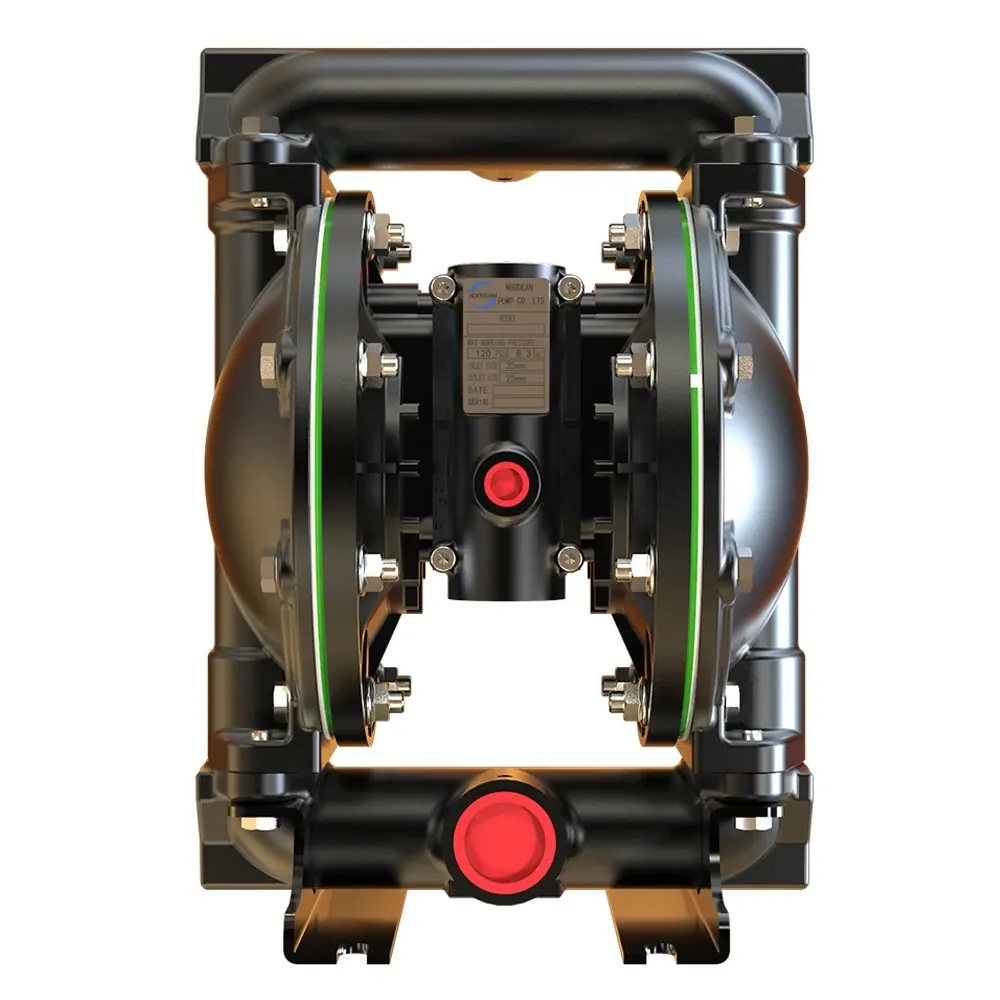
Start from the symptom, not from the pump. An AODD pump has two independent systems that can fail in similar ways: the air end that changes direction and the wetted end that moves fluid. The fastest repair is the one that identifies which system is lying.
Before removing a pump from the line, confirm four inputs: air pressure at the pump, air volume available, suction condition and discharge restriction. Most complaints that look like a failed pump are a failed air supply, a blocked suction or a closed valve.
If the pump is running but not moving fluid, the split is simple. If the exhaust sounds normal and the stroke is full, suspect the wetted end. If the stroke is short, weak or irregular, suspect the air distribution system.
The Eight Checks Before You Open It
Use this order on any machine. It prevents unnecessary diaphragm changes and keeps the repair kit decision tied to evidence.
Record what the pump was doing when it failed. A pump that stops after a tanker empties is different from a pump that stops on a clean water test.
- Measure air pressure at the pump inlet, not at the compressor, and compare it with the pressure used to size the pump.
- Check the air regulator, filter and muffler for restriction; a blocked exhaust can look like a weak air motor.
- Confirm the suction line is flooded or capable of prime, and that the suction valve is open.
- Confirm the discharge valve is open and the line is not plugged or dead headed against a closed valve.
- Listen for full stroke reversal. A pump that changes direction but does not move fluid is usually a wetted end fault.
- Inspect the exhaust for moisture or product. That symptom points to diaphragm failure rather than air valve wear.
Pump Will Not Start
Most no start cases are air supply, not pump. Confirm there is air at the pump and that pressure is present at the air inlet. If pressure is low, the pump may not shift the pilot valve.
If air is present, check the exhaust. A blocked muffler or ice can trap exhaust air and prevent the air chamber from relieving. The pump may twitch, then stop.
If the pump has air and exhaust but no movement, check the pilot valve and major air valve. The pilot valve is shifted by the actuator pin at the end of stroke; if the pin is stuck or the spool is dirty, the changeover signal is lost.
If the pump was stored dry and has been idle, try a short air pulse at the inlet or gently rock the diaphragm assembly if accessible. Persistent no start after confirming air and exhaust points to the air section repair kit.
Pump Runs But Does Not Pump
If the pump strokes but does not deliver, the first check is suction. A dry suction line can prime, but a blocked foot valve, a plugged strainer or a collapsed hose will not.
If the pump is primed, check for air entering the suction. A leaking suction fitting can draw enough air to break prime, especially on a high lift duty. The 2 inch aluminum pump has a published suction lift of 8.3 m, so the suction side must be tight.
If the pump is moving fluid but not building pressure, suspect the check balls or seats. Solids, dried product or chemical attack can hold a ball off its seat. The 2 inch aluminum pump handles 6.4 mm solids, but a larger piece can wedge the ball.
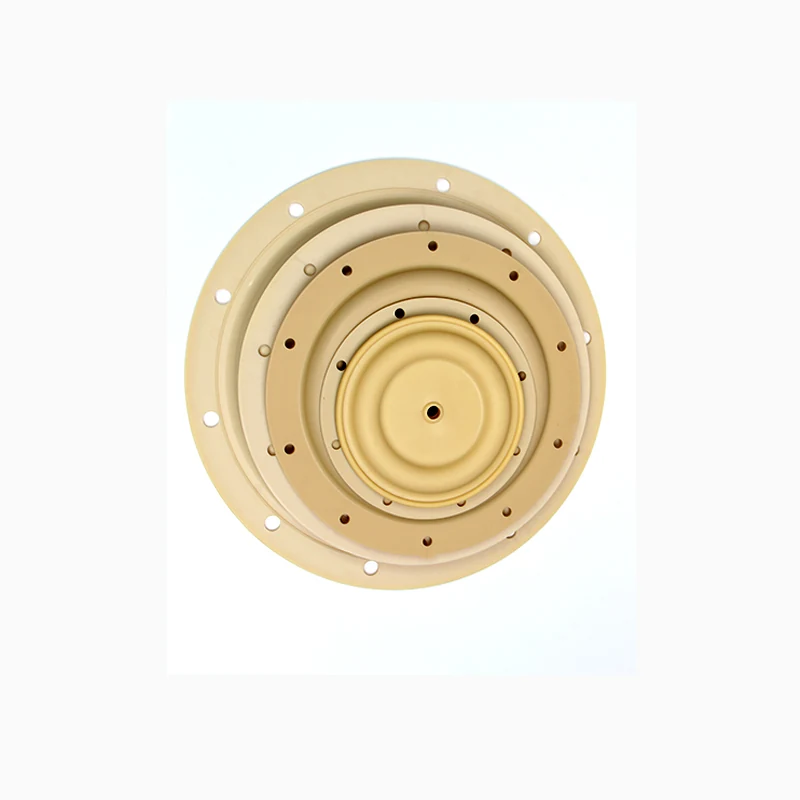
If the pump runs with a weak, uneven stroke and no delivery, inspect the diaphragms. A split diaphragm lets air cross into the wetted end, and liquid in the exhaust confirms it. The wetted end repair kit covers diaphragms, balls and seats.
Flow Has Dropped
A gradual drop usually means partial blockage or wear. Check the suction strainer, discharge line and muffler first. A restricted exhaust reduces stroke speed and looks like low flow.
If the air supply is clean and the lines are open, compare the stroke rate with a known good pump. A slower stroke points to the air section; a normal stroke with reduced flow points to wetted end wear or slipping check balls. For a 2 inch aluminum pump, full flow is 651 LPM at the published duty, so a large gap with correct air and a clear line means inspect the balls, seats and diaphragms.
Pump Runs Then Stops
A pump that runs then stops is usually losing the changeover or losing the exhaust. Check air pressure under load. If pressure collapses, the compressor or supply line cannot deliver the air volume.
If air pressure holds, check the muffler and exhaust path. Icing and debris restrict exhaust, leaving the air chamber unable to empty. The pump may run for several strokes, then stall at mid stroke.
If the exhaust is clear and the pump still stops, inspect the pilot and major valve for wear or contamination. A weak pilot signal can let the valve hang. The air section repair kit is the usual fix for repeated mid stroke stalls.
Air in the Discharge and Liquid in the Exhaust
These two symptoms tell you which half of the pump has failed. Use the table before ordering parts.
| Liquid in the exhaust | Split or porous diaphragm. Confirm by disconnecting the muffler or exhaust port and looking for product or water. Replace the diaphragm and inspect the air chamber for scoring; the wetted end repair kit covers the diaphragm. |
|---|---|
| Air in the discharge | Air crossing from the air chamber into the liquid chamber, usually through a damaged diaphragm or a leaking manifold. Confirm by isolating the pump from the tank and watching the discharge for bubbles. The wetted end repair kit covers diaphragms and manifold seals. |
| Bubbles only at start | Air trapped in the suction line. Confirm by filling the suction line and checking prime. If bubbles stop after prime, the pump is not at fault. |
| Continuous air with normal stroke | Suction leak or low liquid level. Confirm by tightening suction fittings and checking the suction lift. The 1-1/2 inch cast iron pump has a published suction lift of 5.8 m, so a high lift line will show this quickly. |
| Intermittent liquid in exhaust | One diaphragm leaking under pressure. Confirm by running the pump against a closed discharge and checking for product in the exhaust. The wetted end repair kit is the first fix. |
| Noisy wetted end with pulsation | Worn balls, seats or diaphragm. Confirm by checking stroke smoothness and flow. If the pump is a 2 inch non metallic model, use the published 548.8 LPM flow as the reference point and inspect the wetted end before replacing the air valve. |
Excessive Pulsation and Noise
Pulsation is normal in a double diaphragm pump, but a change in pulse pattern is a fault. A pump that pulses hard on one side may have a restricted exhaust, a stuck actuator pin or a worn check ball.
Noise follows the same logic. The published sound level for the 2 inch aluminum pump is 80.5 dB(A) at 70 psi and 60 cycles per minute, so a new rattle, knock or whistle points to a change in condition rather than normal operation.
- Check the muffler first. A restricted exhaust increases noise and pulsation because the air chamber cannot empty cleanly.
- Check the air pressure. Overfeeding air increases stroke rate and noise; it does not fix a wetted end fault.
- Check the suction line for cavitation. A pump that starves will knock and pulse, and the diaphragms will fail early.
- Check the balls, seats and diaphragms. A worn wetted end can produce uneven flow even when the air end sounds correct.
- If the pump has been rebuilt, confirm the diaphragm clamps are even. A pinched diaphragm can look like noise but is a wetted end repair.