
Die Casting
Die casting is one of our core manufacturing processes, used for prototype and volume production alongside precision machining, CNC milling and CNC lathe work.
Die casting forms a part by forcing molten metal into a steel die under pressure. Once the die exists, each shot produces a near net shape part with thin walls, cast-in features and a good surface, at a cycle time no machining process can match.
What matters commercially is where the crossover sits. Below a certain annual volume the die cost outweighs the saving, and machining from solid or fabricating is cheaper. Send us your annual quantity along with the drawing and we will tell you which side of that line your part falls on, including when the answer is that die casting is not worth it for you.
Why Buyers Choose Die Casting
Near Net Shape
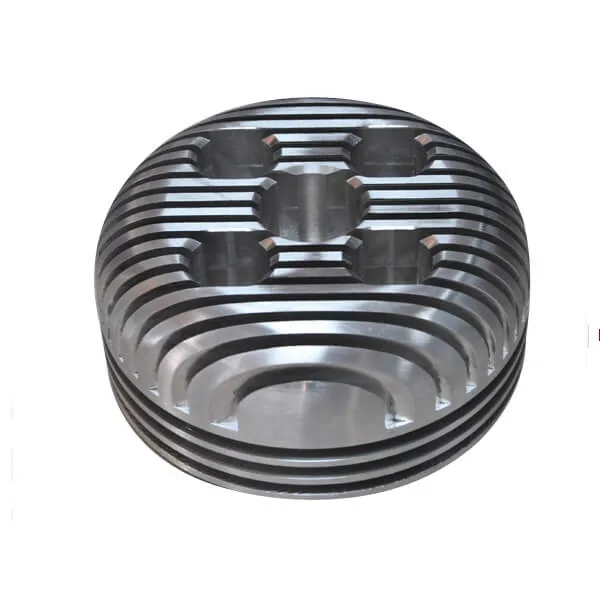
Complex geometry, ribs, bosses and thin walls formed in one shot rather than cut from solid.
Low Piece Cost At Volume
Once the die is amortised, per part cost is low and stable across a long production run.
Consistent Repeatability
The die sets the geometry, so parts repeat closely from the first shot to the last.
Finished In One Factory
Machining of critical faces, tapping, assembly and surface finishing all happen here after casting.
How a Die Casting Project Runs
- Drawing and volume review
We review the part for castability, wall thickness, draft and the features that must be machined afterwards, then compare the die casting route against machining or fabrication at your quantity.
- Tooling and sampling
The die is made and first shots are produced for your approval, with first piece inspection recorded against your drawing.
- Casting production
Production runs with in-process inspection against the same three stage regime we apply to machined and stamped parts.
- Secondary machining
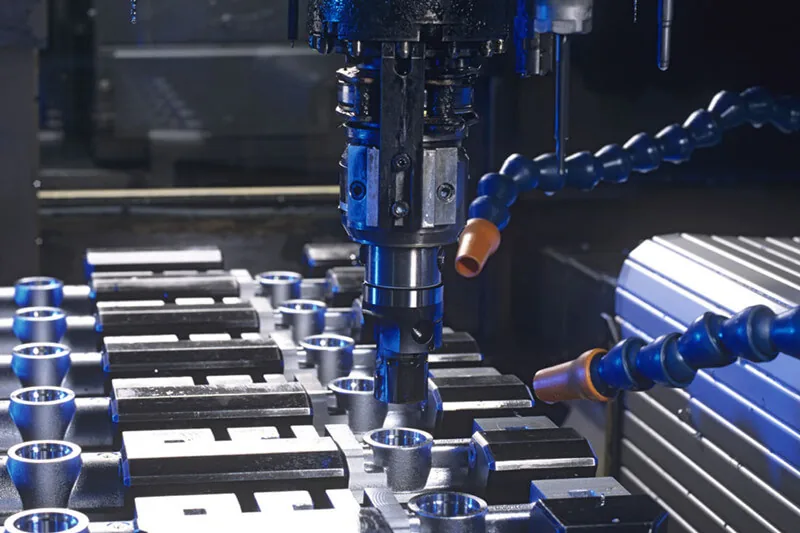
Critical faces, bores and threads are machined on our CNC equipment so tolerances the casting cannot hold are still met.
- Finishing and delivery
Surface treatment, final inspection, certification for the stages you require and shipment on the agreed date.
Die Casting FAQ
Do you machine the castings afterwards?
Yes. Critical faces, bores and threads are machined on our CNC equipment, which is how features that a casting cannot hold still meet your drawing.
What quantity justifies a die?
It depends on part complexity and material cost. Send the drawing and your annual volume and we will compare die cost plus piece price against machining or fabrication honestly.
Can die cast parts be finished?
Yes, our standard finishes including powder coating, electroplating, polishing and sand blasting are available on cast parts.
What tolerance can a casting hold?
Cast tolerances are looser than machined ones, which is why we identify at quotation which features must be machined after casting rather than discovering it at first article.
Related Pages
Ask Us Whether Die Casting Suits Your Part
Send the drawing and the annual quantity and we will compare casting against machining for you.