
Medical Industry
Precision medical components made to drawing, from surgical instruments to medical testing devices.
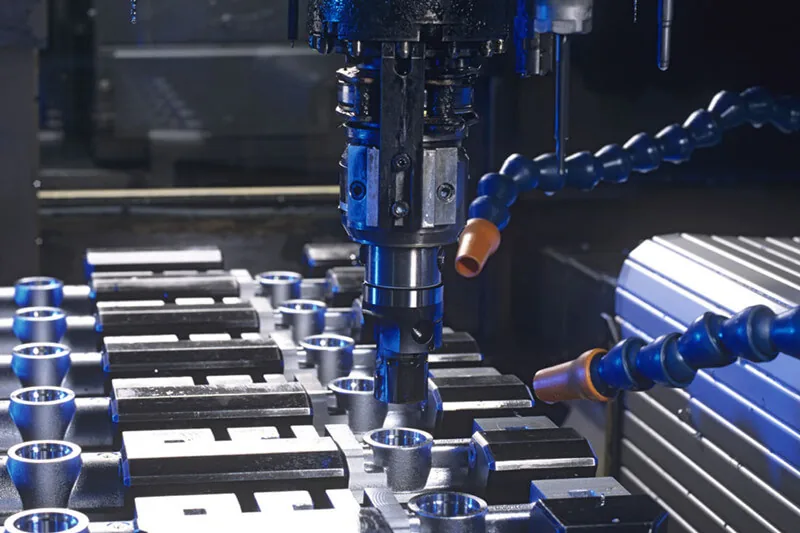
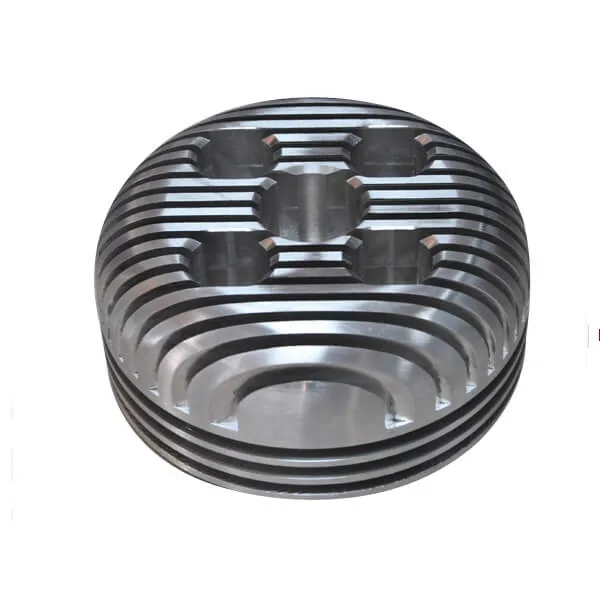
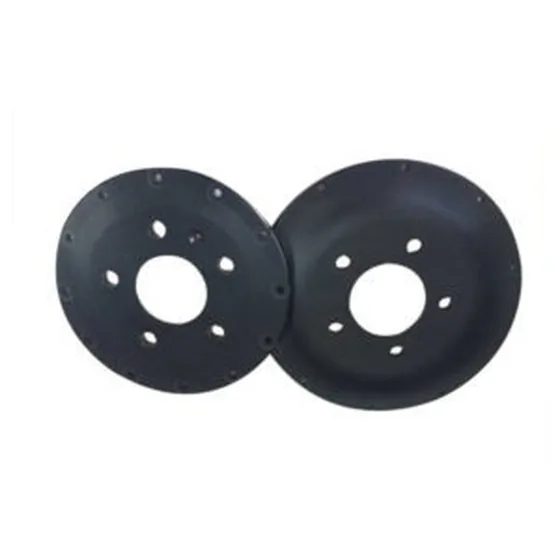
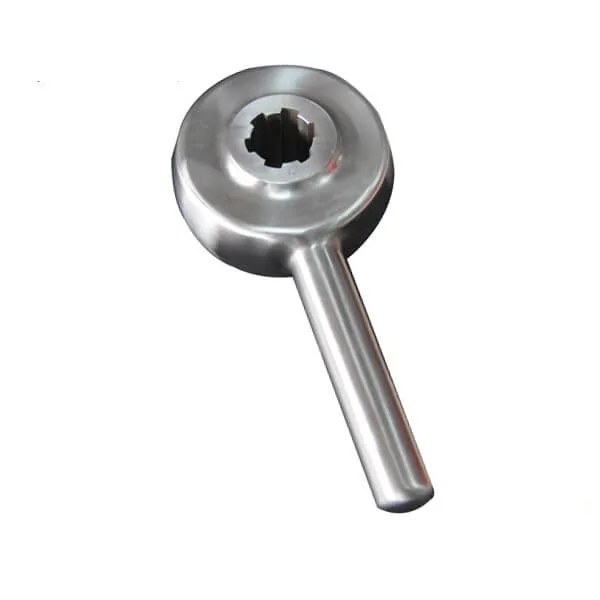
From surgical instruments to medical testing devices, we have produced many medical precision parts according to customer drawings, which has made us a high value partner in the medical market.
Titanium, stainless steel and medical grade plastics are the materials most often specified here, chosen for biocompatibility as much as for mechanical properties.
How We Support This Sector
| Component Type | Typical Material | Process |
|---|---|---|
| Surgical instrument components | Stainless steel, titanium | CNC machining and turning to 0.005 mm |
| Medical testing device parts | Aluminum, stainless steel, plastics | CNC milling with fine surface finish |
| Equipment panels and frames | Stainless steel, aluminum | Sheet metal fabrication with cleanable finishes |
| Fluid path components | Stainless steel, PTFE, PC | CNC turning with sealing surfaces controlled |
| Fasteners and small precision parts | Titanium, stainless steel | CNC turning and threading, gauge verified |
Capability Behind These Parts
Machining Tolerance
0.005 to 0.01 mm with surface roughness below Ra 0.2, verified on the coordinate measuring machine.
Milling and Turning
Milling 2 to 1000 mm diameter and turning 1 to 300 mm bar, both at +/-0.005 mm.
Materials
Aluminum, steel, stainless steel, titanium, brass, copper and engineering plastics.
Inspection
First piece, in-process and final inspection, with certification at every stage on request.
Medical Industry FAQ
Which materials do you use for medical parts?
Titanium, stainless steel and medical grade plastics are the most common, chosen for biocompatibility and for the mechanical demands of the part.
Do you supply sterile parts?
We machine the components to your drawing. Sterilisation is a subsequent process carried out under your validated procedure.
Can you produce prototype medical parts?
Yes, prototype and limited production parts are part of our regular work, and the transition to volume runs on the same equipment.
Other Industries
Send Your Drawing For This Application
Tell us the assembly, the tolerance that matters and the annual quantity.