
CNC Turning
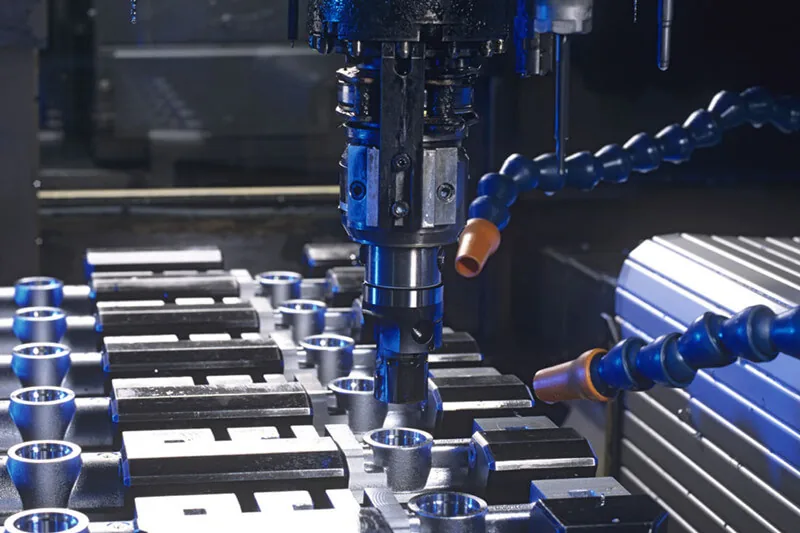
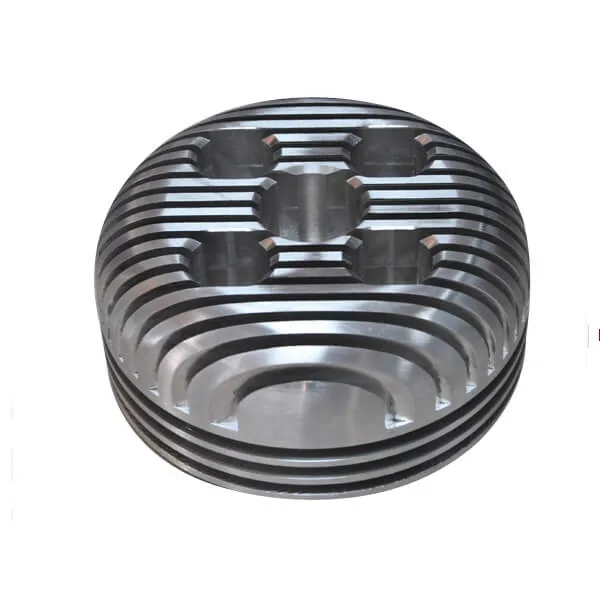
CNC turning produces parts by turning rod material and feeding a cutting tool into it, with the cutter fed at a variety of angles and many tool shapes available.
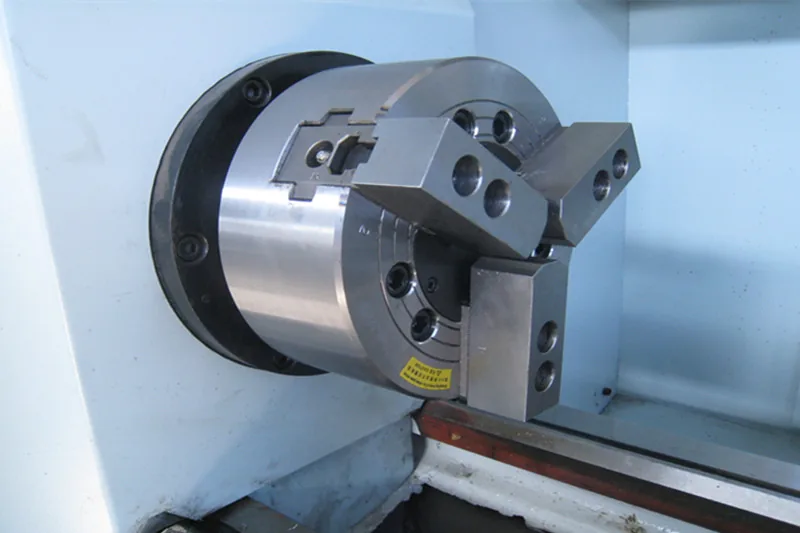
On a lathe the material to be cut rotates while a cutter is fed into the rotating workpiece. This gives versatility and accuracy on round parts, and it combines turning, facing, drilling, boring, threading and tapping into a single cycle.
Meet Our Machines
Okuma Twin Spindle Lathes
Multitasking turning where the part is transferred between spindles, so front and back operations complete in one cycle without a second setup.
Mazak Single Spindle Quick Turn CNC Lathe
Fast cycle turning for simpler components and higher volume runs.
Meet Our Capabilities
| Item | Capability |
|---|---|
| Tolerance | Roundness and concentricity accuracy up to +/-0.005 mm |
| Surface roughness | Up to Ra 0.4 |
| Size range | Diameter of raw material round bars from 1 mm to 300 mm |
| Material | Aluminum, steel, stainless steel, titanium, brass and more |
| OEM and ODM | Welcomed, with samples available before mass production |
| Additional services | CNC machining, CNC milling, metal stamping, sheet metal, finishes and materials |
Turning Operations We Run
- Turning — the workpiece rotates while a single point tool removes material from the side, producing steps and chamfers.
- Facing — a thin layer is removed to create a smooth end surface.
- Drilling — a drill cuts a hole along the axis of the workpiece.
- Boring — a boring tool enlarges drilled holes or adds internal steps and chamfers.
- Threading — a single point tool forms threads on the outer surface.
- Tapping — a tap cuts internal threads in the workpiece.
CNC Turning FAQ
What diameter bar can you turn?
Round bar from 1 mm to 300 mm diameter. Parts far outside that range may not suit turning, so send the drawing if yours sits at either extreme.
What surface finish can you reach?
Up to Ra 0.4 straight from the lathe. Where a smoother surface is required we follow with grinding or polishing.
Can a turned part have flats or cross holes?
Yes. Those features are machined on the milling side, and where concentricity matters we plan the sequence so the turned datum is preserved.
Which materials turn most economically?
Free machining grades such as 12L14 steel and SUS303 stainless cut faster and cost less per part than 304 or titanium.
Related Pages
Quote My Turned Component
Send the drawing with bar material, diameter, tolerance and quantity.