
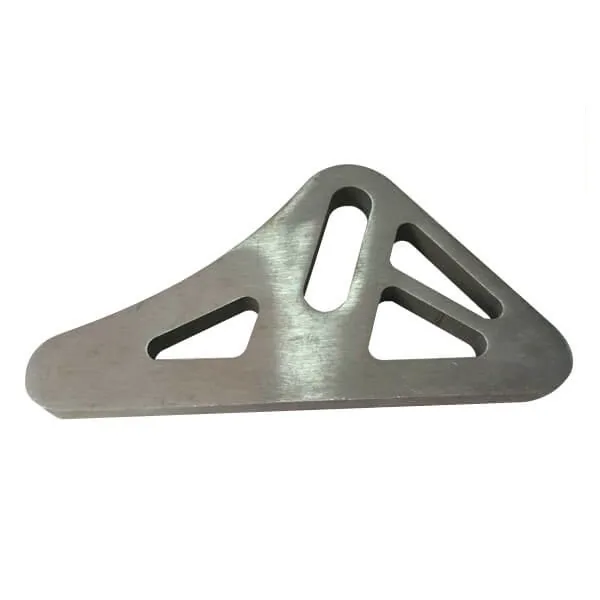
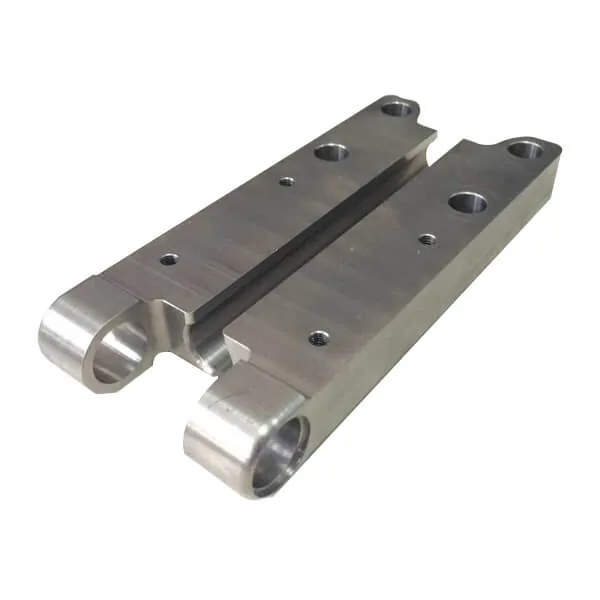
Titanium Parts
Custom titanium parts machined from Gr1 to Gr9 for aerospace, medical, chemical and high performance transport applications.
- Popular gradesGr1, Gr2, Gr3, Gr4, Gr5, Gr9 and others
- Density4.51 g per cubic centimetre, around 60% of steel
- Operating temperatureUp to 500 degrees Celsius
- Machining tolerance0.005 mm to 0.01 mm
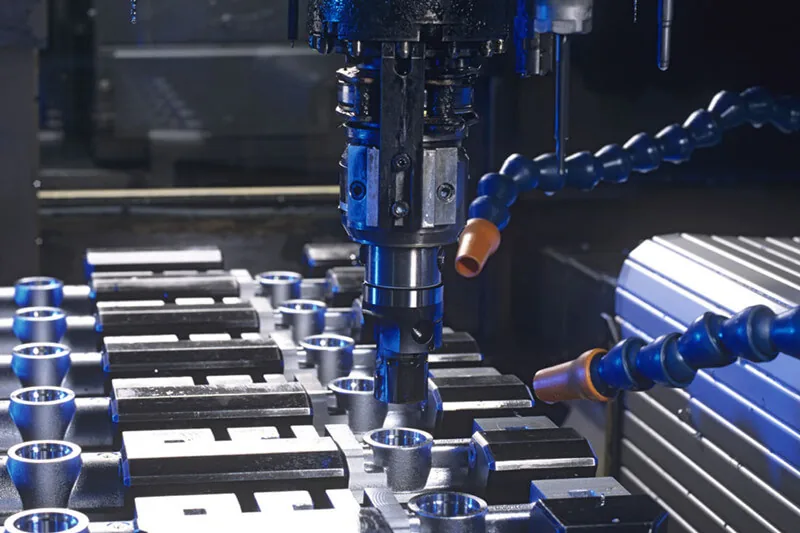
- Processes usedMachining, milling, turning, drilling, laser cutting, EDM, stamping, sheet metal, casting, forging and more
Product Overview
If you have titanium parts that need to be machined we are one of the most capable and affordable sources.
Titanium has several significant advantages over other metals. High strength: titanium alloy density is generally 4.51 g per cubic centimetre, only 60% of steel, so its specific strength is much larger than other metals. High heat strength: titanium alloy operating temperature can reach 500 degrees Celsius, while aluminum alloy is limited to around 200 degrees. Good corrosion resistance: titanium resists alkali, acid and salt well. Good low temperature performance: titanium maintains its mechanical properties at low and ultra low temperatures.
Popular alloys include Gr1 through Gr4, Gr5 and Gr9. Titanium is slower to machine than aluminum and demands rigid fixturing and correct tooling, so expect a higher piece price than an equivalent aluminum part. That cost is worth paying where the strength to weight ratio or the corrosion resistance is genuinely needed, and not otherwise.
Key Benefits
High Specific Strength
At 60% the density of steel, titanium carries load without the weight penalty.
Heat Strength To 500 C
Operating temperature far above aluminum, which stops around 200 degrees Celsius.
Corrosion Resistance
Good resistance to alkali, acid and salt environments.
Low Temperature Performance
Mechanical properties are retained at low and ultra low temperatures.
Applications and Who It Is For
- Aircraft components
- Automotive and motorcycle performance parts
- Chemical equipment
- Medical equipment and instruments
- Hiking and outdoor equipment
- Marine and corrosive environment hardware
If your application is not on this list, send the drawing anyway. A good part of our work arrives as something another shop declined to quote.
Technical Specifications
| Popular grades | Gr1, Gr2, Gr3, Gr4, Gr5, Gr9 and others |
|---|---|
| Density | 4.51 g per cubic centimetre, around 60% of steel |
| Operating temperature | Up to 500 degrees Celsius |
| Machining tolerance | 0.005 mm to 0.01 mm |
| Processes used | Machining, milling, turning, drilling, laser cutting, EDM, stamping, sheet metal, casting, forging and more |
| Finishes | Sand blasted, polished, anodized on request |
| Volumes | Prototype and limited production through to volume production |
Manufacturing Process and Quality Control
Drawing Review
Our engineers review manufacturability, confirm tolerances and raise anything in the drawing that would cause a problem before production starts.
Free Sample
Free samples are available before mass production, with first piece inspection recorded against your drawing.
Production Control
In-process inspection at a set frequency during the run, using the coordinate measuring machine and gauges in our inspection room.
Surface Treatment
Anodizing, sand blasting, polishing, electroplating and powder coating applied in house after deburring and cleaning.
Final Inspection
The finished lot is checked against the drawing before packing, with certification issued for the stages you require.
Packing and Delivery
Protective packing appropriate to the part, dispatched within the agreed delivery date.
Customization Options
- Material — specify a grade from our catalog, or describe the function and our engineers will recommend one.
- Tolerance — standard machining tolerance is 0.005 to 0.01 mm; tighter callouts are discussed at quotation.
- Surface finish — anodized, sand blasted, polished, electroplated, powder coated or as machined.
- Marking — CNC engraving and laser engraving for part numbers and logos.
- Quantity — from a single prototype through to long production contracts.
- Certification — certification provided at every stage on request.
Product Gallery
Product FAQ
Which titanium grade is most common for machined parts?
Gr5, also known as Ti-6Al-4V, is the usual choice where strength matters. Commercially pure grades Gr1 to Gr4 are used where corrosion resistance and formability matter more.
Why is titanium more expensive to machine?
It work hardens, conducts heat poorly and is hard on tooling, so cutting speeds are lower and tool life is shorter. Material cost is only part of the difference.
Is titanium suitable for medical parts?
Titanium is commonly used in medical equipment, and it is one of the standard materials in our medical work alongside stainless steel and medical grade plastics.
How do I order this part?
Do you offer free samples?
Yes, free samples are available before mass production so you can confirm the part before committing to a run.
Related Products
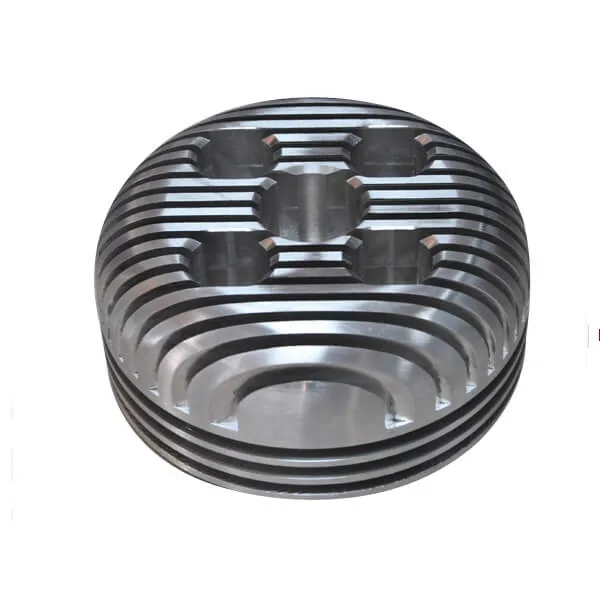
Aluminum Parts
Custom aluminum parts machined, milled, turned and finished to your drawing. Light, thermally conductive and natura...
Learn More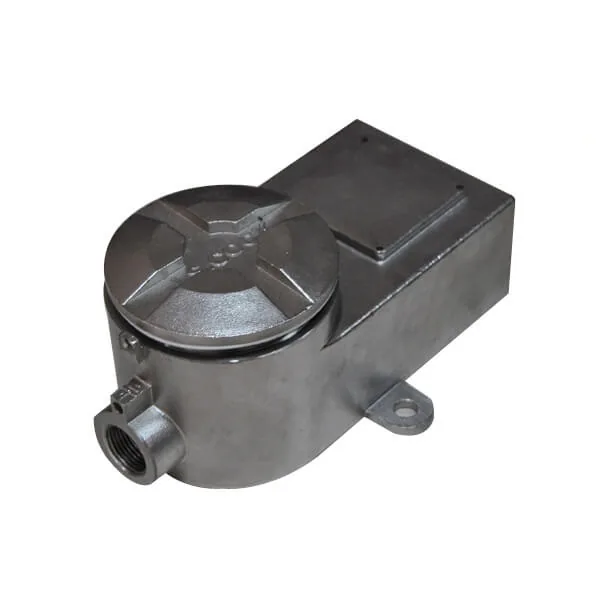
Stainless Steel Parts
Custom stainless steel parts in austenitic, ferritic and martensitic grades, machined and finished to your specific...
Learn More
Steel Parts
Custom steel parts in alloy, carbon and free machining grades, machined to drawing and finished for corrosion prote...
Learn MoreRequest A Quote For Titanium Parts
Send your drawing and quantity. Our engineers reply with price, lead time and any manufacturability notes.