 Request A Quote
Request A Quote
Request A Quote
Selection guide
Matching leavening acid, mould inhibitor and particle grade to the bake and the dosing equipment.
SAPP releases carbon dioxide through the bake rather than immediately on mixing, dosed at 0.1-1.0% on flour weight and mixed with the dry ingredients first. Sodium bicarbonate at 20 g/kg in wheat flour is the partner alkali, and ammonium bicarbonate is added where a stronger puff with no residue is wanted.
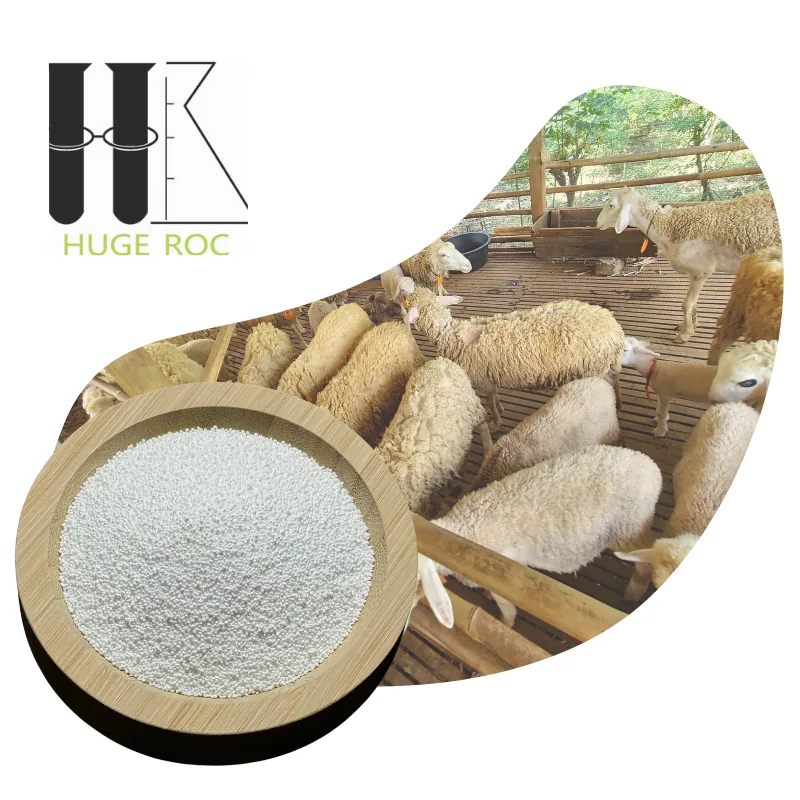
Calcium propionate extends shelf life by 30-100% and is heat resistant to 150 deg C, supplying 18% min calcium instead of sodium. Sodium propionate is the more soluble alternative where fast even distribution in a dough matters more than the sodium figure on the label.
Calcium propionate powder at 80-200 mesh dissolves instantly for bakery, dairy and sauces. The 14-60 mesh granule is low-dust and suits flour, premixes and automated dosing. Benzoic acid follows the same logic with fine powder at 20-100 micron, granular at 0.2-1.0 mm and coarse at 0.8-2.5 mm.
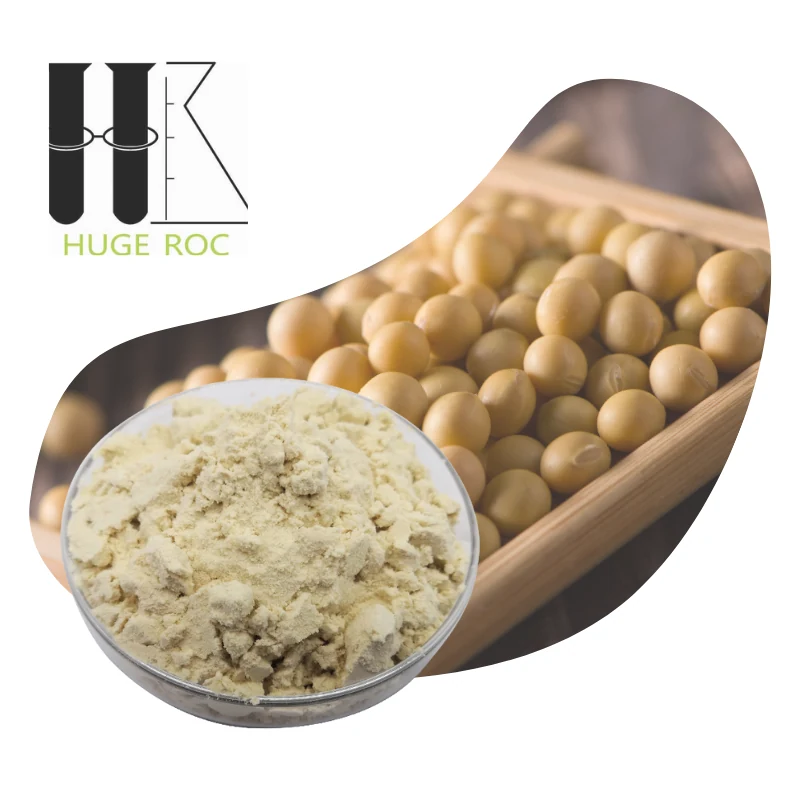
Vital wheat gluten at 75-82% protein is gently dried so that elasticity and binding capacity survive, which is what lets it lift volume and chewiness in bread, noodles and pasta rather than simply raising the protein figure.
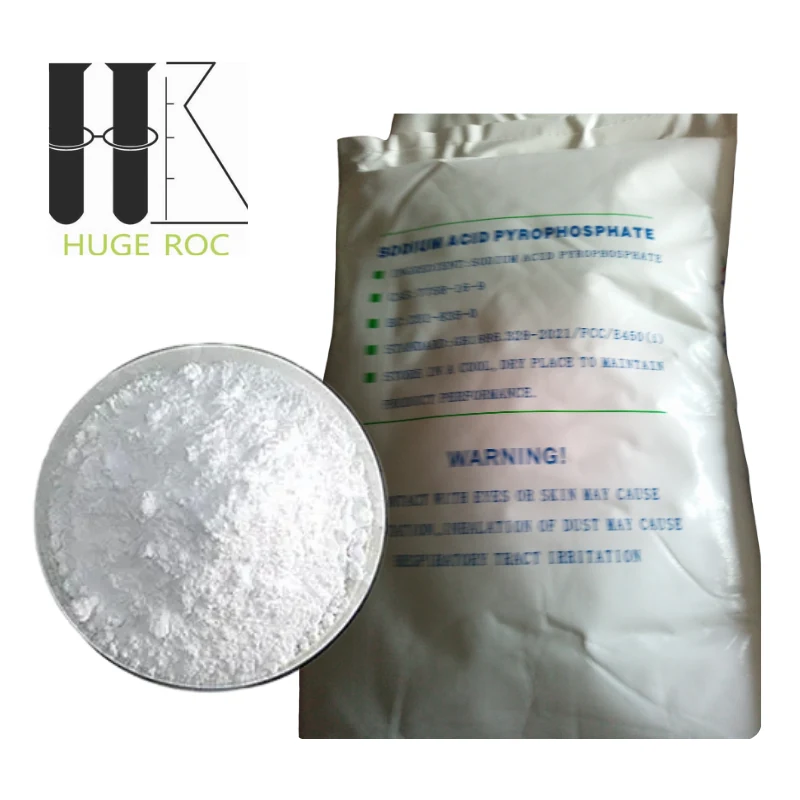
Releases carbon dioxide on heating for controlled rise and expansion during baking
View details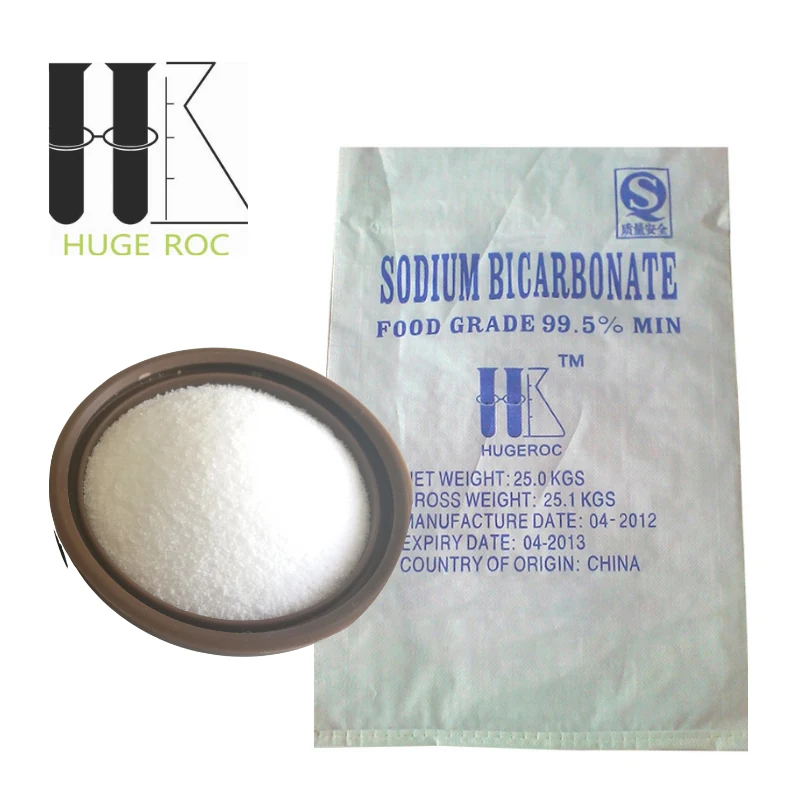
Assay 99.0-100.5% against quality standard GB 1886.2-2015
View details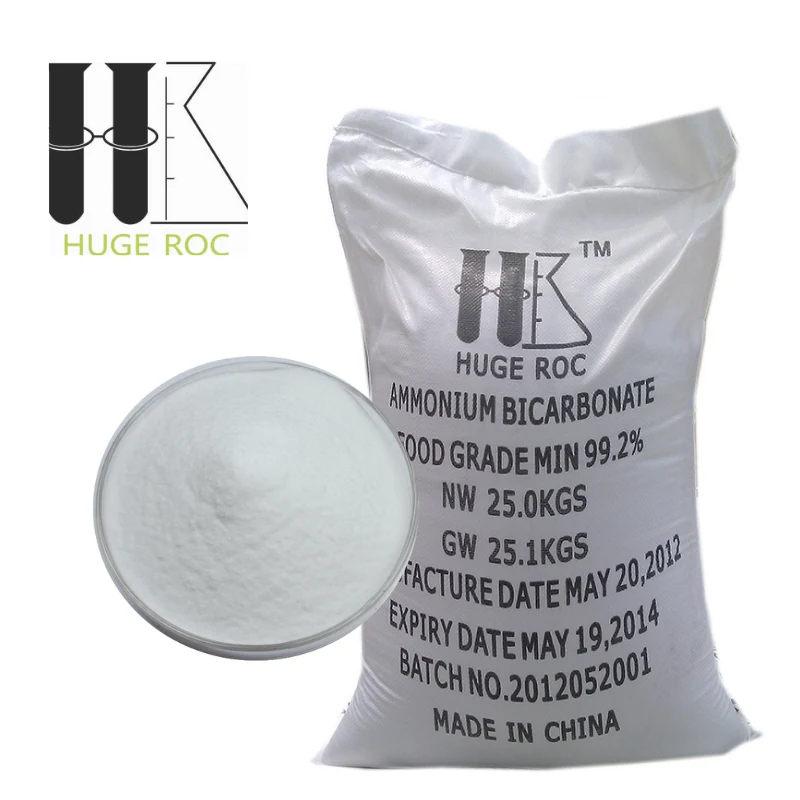
Strong expansion effect, which is why puffed food and puffs rely on it
View details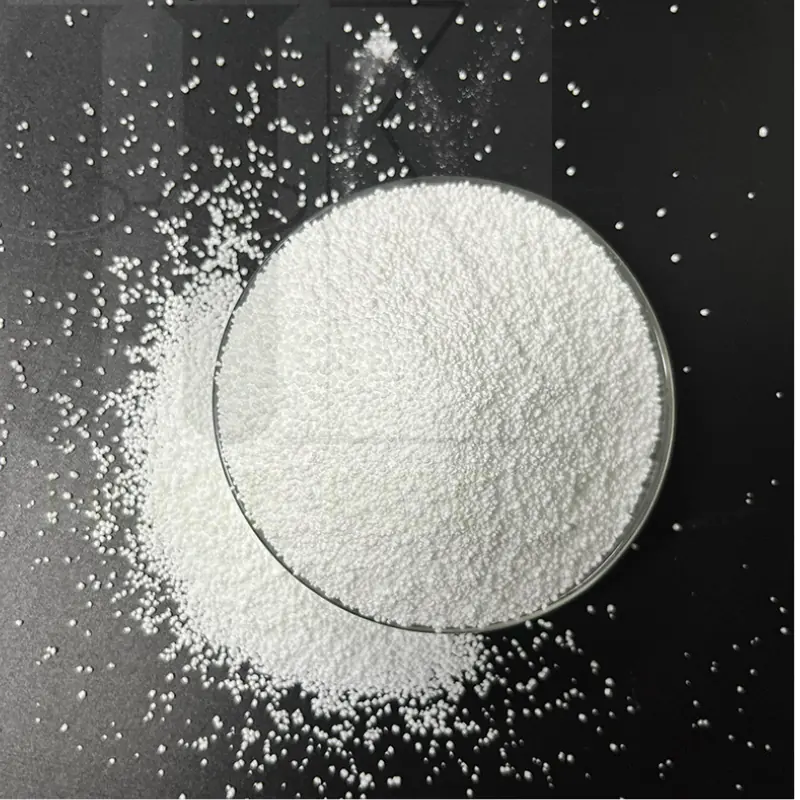
Dual-action preservation against both mould and yeast, extending food and feed shelf life by 30% to 100%
View details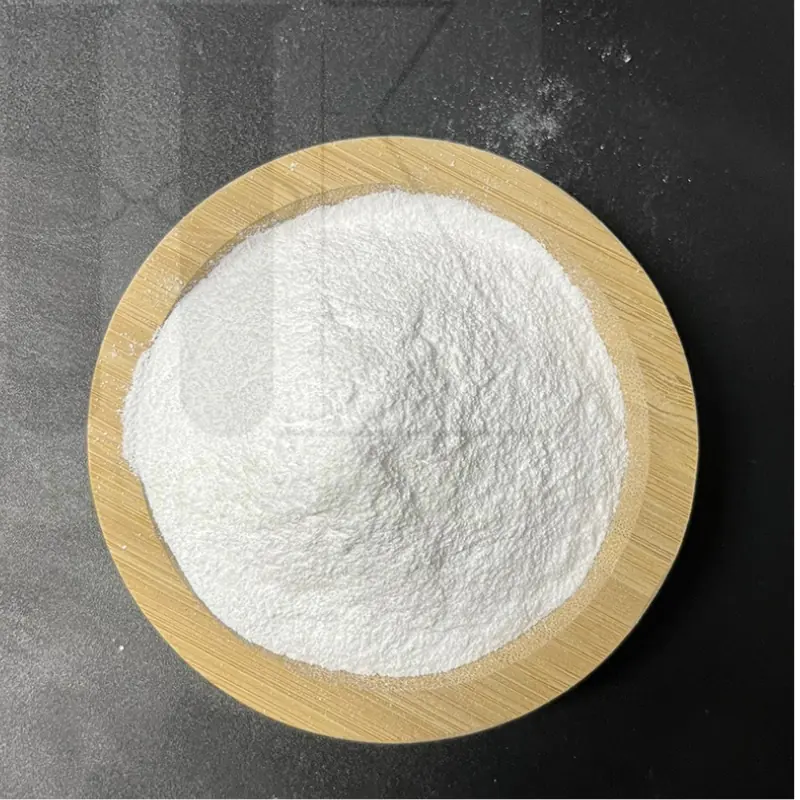
Assay specified 99.0-100.5% with a reported result of 99.59%
View details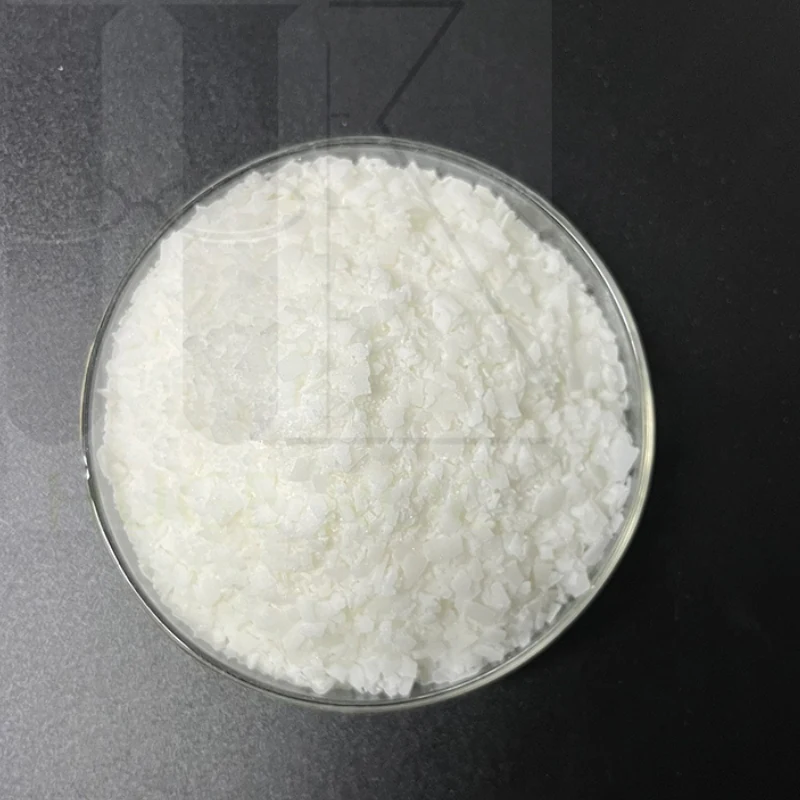
Three particle grades, fine powder, granular and coarse, so dissolution and dust are matched to the process
View details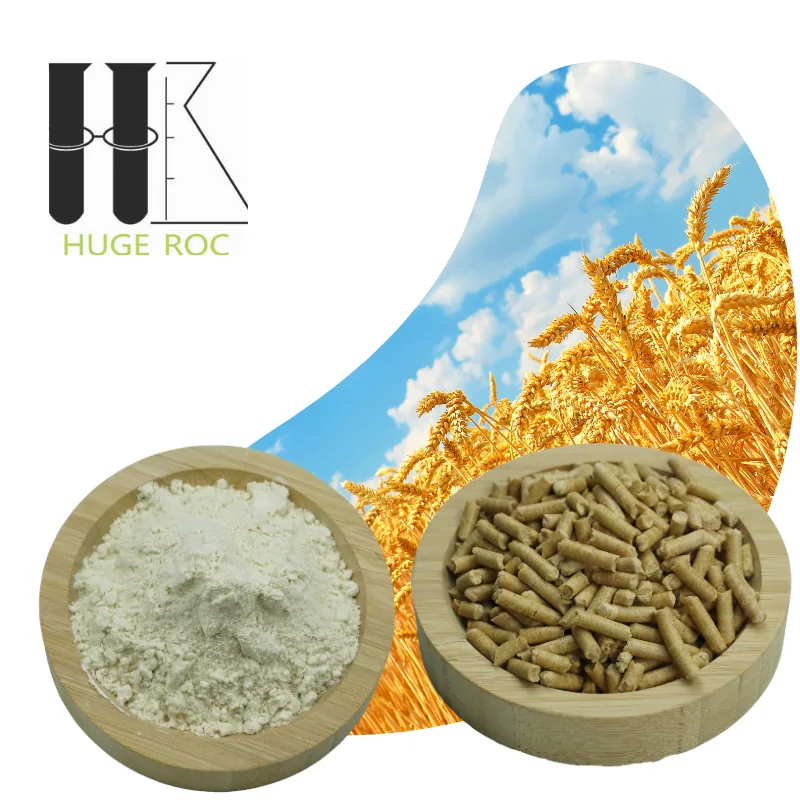
75-82% protein, rich in glutenin and gliadin with excellent digestibility
View details