
Label Adhesive Selection Hot Melt Acrylic Removable and Freezer
Most label failures are adhesive failures. Four adhesive families cover almost every surface and temperature a label has to live on.
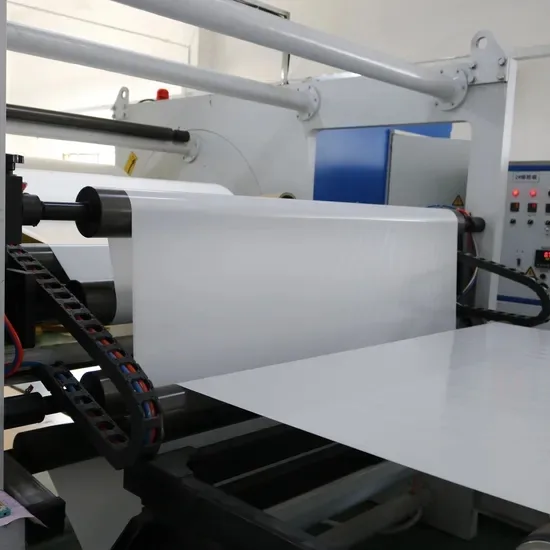
A label has three layers and only one of them is doing the hard work. The facestock carries the print, the liner carries the label through the machine, and the adhesive decides whether the label is still there in six months.
Hot Melt
Hot melt gives high initial tack, which is what you want on corrugated board, recycled card and rough or slightly dusty plastic. It grabs quickly, which suits a fast applicator and a surface that is not perfectly clean.
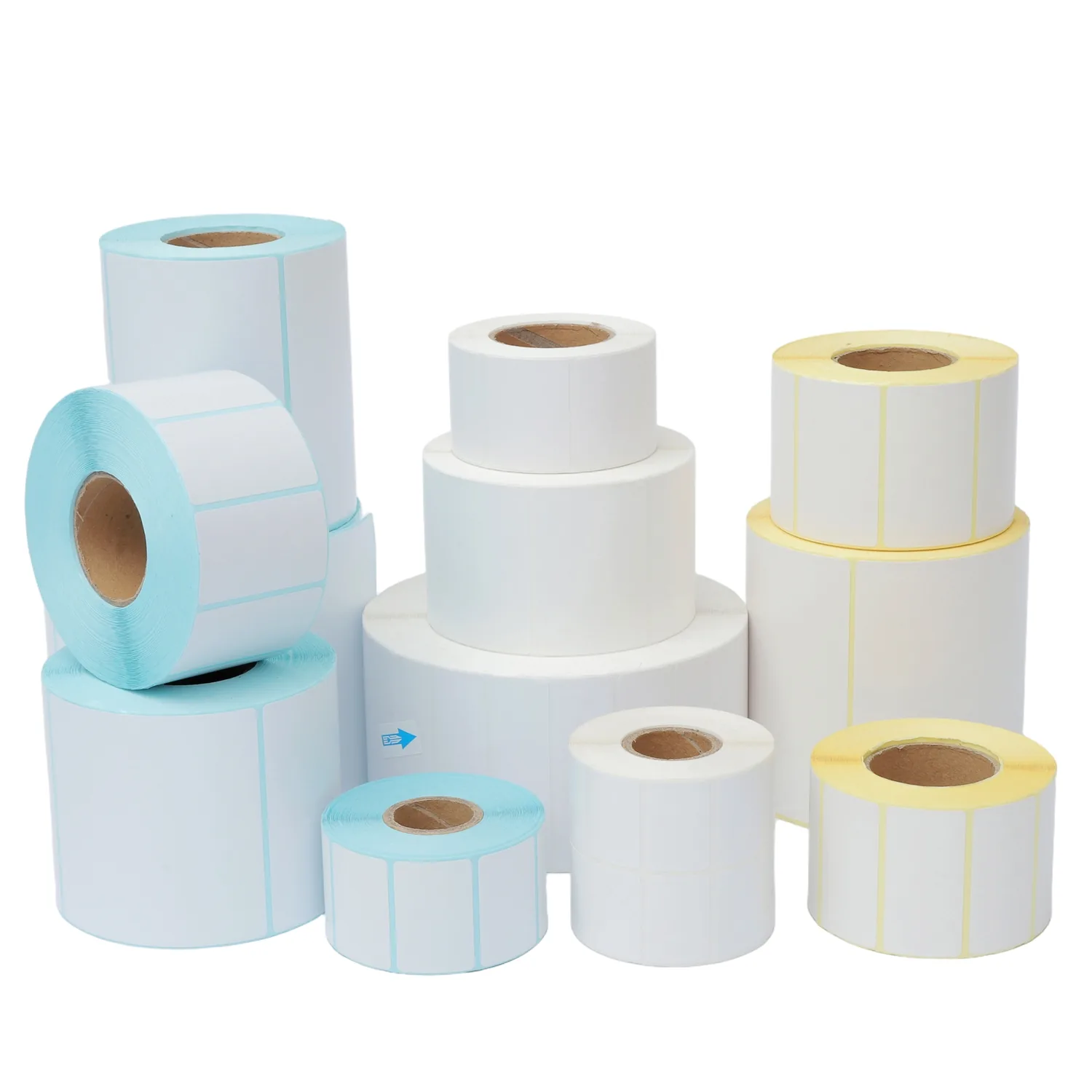
It is the standard adhesive on direct thermal shipping and scale labels, usually paired with a 40 to 60 g white glassine liner.
Acrylic
Acrylic emulsion builds more slowly but holds longer and across a wider temperature range. A general purpose permanent acrylic on a coated paper laminate can be specified for a service temperature of -50 to +90 degrees C, measured 24 hours after labelling.
Choose acrylic where the label has a long service life, where it will see both cold and heat, or where a customer wants published FTM peel adhesion values to design against.
Removable
Removable adhesive is for labels that have to come off cleanly: promotional flashes over existing artwork, returnable containers, and temporary identification. The bond is real but it does not build to the point of damaging the surface underneath.
Freezer
Freezer adhesive is formulated to wet the surface and bond at temperatures where a standard adhesive will not. It matters when the product is already frozen at the moment the label is applied, not simply when it is stored cold afterwards.
The Number Everyone Ignores
Minimum labelling temperature. A general purpose acrylic typically needs 10 degrees C or above at the moment of application. Apply it in a chilled room and the adhesive never wets the surface, the published peel figures do not apply, and the label lifts within days. If you must label cold, specify a freezer adhesive at order stage.
Reading an Adhesion Specification
A specified laminate quotes initial tack to FTM 9 and 90 degree peel adhesion to FTM 2 at 20 minutes and at 24 hours, in newtons per 25 mm. The 24-hour figure is the one that describes the label in service; the 20-minute figure tells you how fast the bond builds.
The Items Behind the Advice
Applying This Guide to Your Own Job
Straight answers to the questions buyers ask before a first order.
Can you recommend a product based on this guide?
Yes. Send the surface being labelled and the printer model, and we will name the facestock, the adhesive and the ribbon that match, then send a free sample.
Do you supply free samples to test these choices?
Yes. Free material samples are delivered in two to three days so the combination can be proven on your own equipment before a production order.
Are these materials held in stock?
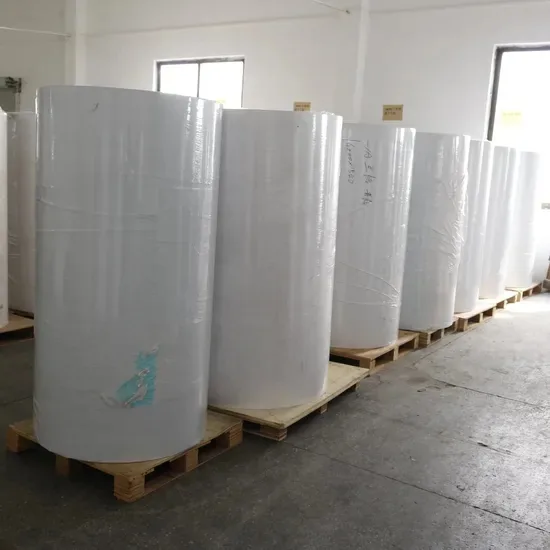
Diverse label materials are held in stock and there are more than 30 production lines across two factories, so common specifications do not wait for a coating slot.
Where This Product Fits in the Rest of the Range
Jumbo Label Roll
Read more →
CategoryAdhesive Label Roll
Read more →
CategoryAvery Fasson
Read more →
GuideDirect Thermal or Thermal Transfer Which Label Should You Buy
Read more →
GuideHow to Choose a Thermal Transfer Ribbon Wax Wax Resin or Resin
Read more →
GuideBPA Free Thermal Paper Grammage Brightness and Image Life
Read more →
Get the Specification Confirmed
Send the surface and the printer model. We will confirm the facestock, adhesive and ribbon, and post a free sample.