
Why Labels Fail in Cold and Wet Conditions and How to Stop It
Lifting corners, faded print and labels on the floor of the chiller. Four causes, and all four are decided before the roll ships.
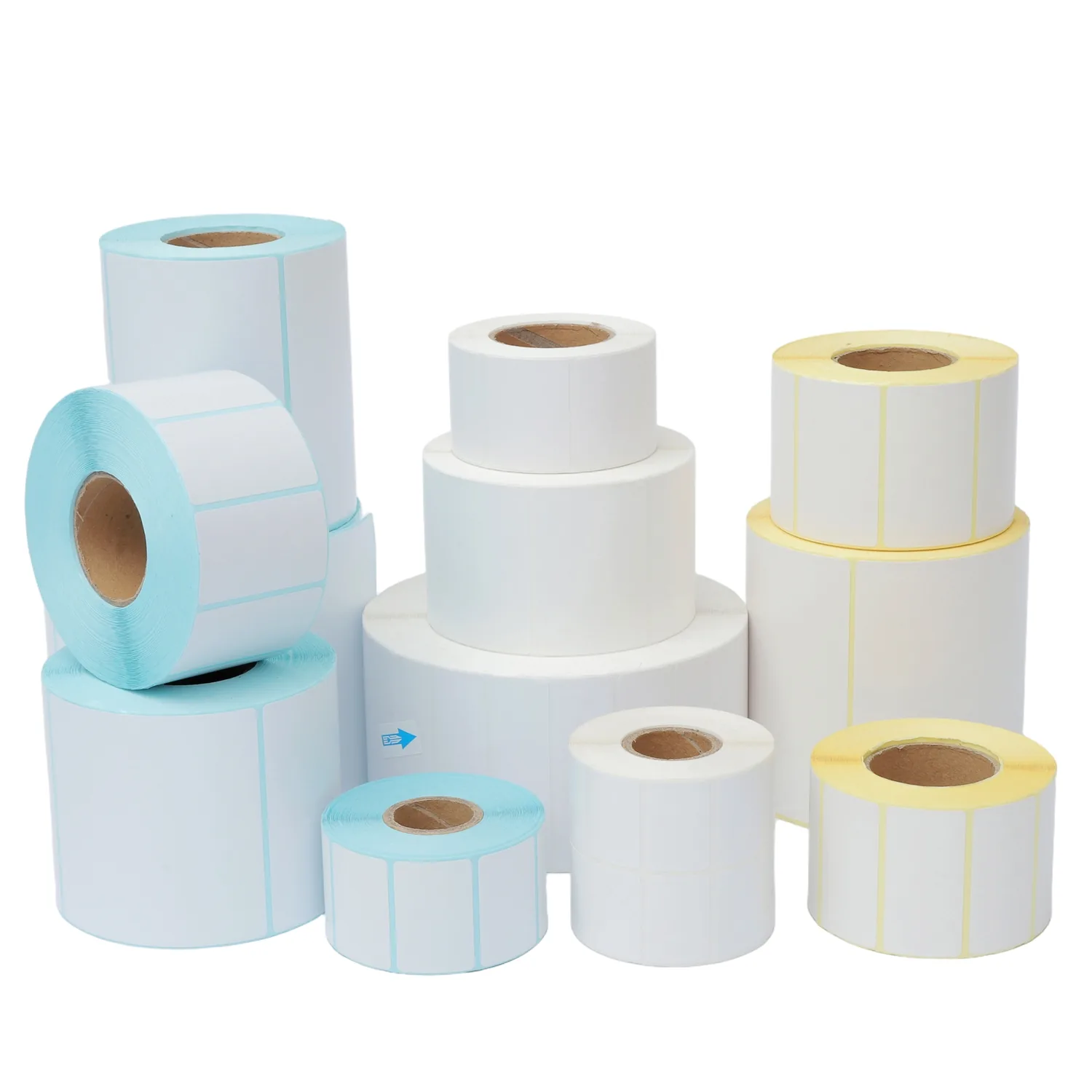
Cold and wet is where label specifications get found out. The failures look different but they trace back to a small number of decisions taken at order stage.
Failure One The Label Lifts at the Corner
Almost always the application temperature. A general purpose acrylic adhesive needs 10 degrees C or above at the moment of labelling. Apply it in a chilled room and it never wets the surface properly, whatever the published adhesion figures say.
The fix is either to label before the product is chilled, or to specify a freezer adhesive at order stage. It cannot be corrected afterwards.
Failure Two The Label Wrinkles and Discolours
That is a paper facestock meeting condensation. Paper absorbs moisture, swells and cockles, and the printed image goes with it. The fix is a synthetic facestock: BOPP, PET or PE, which are unaffected by water.
Failure Three The Print Fades or Smears
On a direct thermal label this is the top coat. An uncoated or lightly coated thermal facestock loses its image to water, oil and plasticiser. A properly coated one carries water, oil, plasticiser, scratch and weather resistance and holds the image.
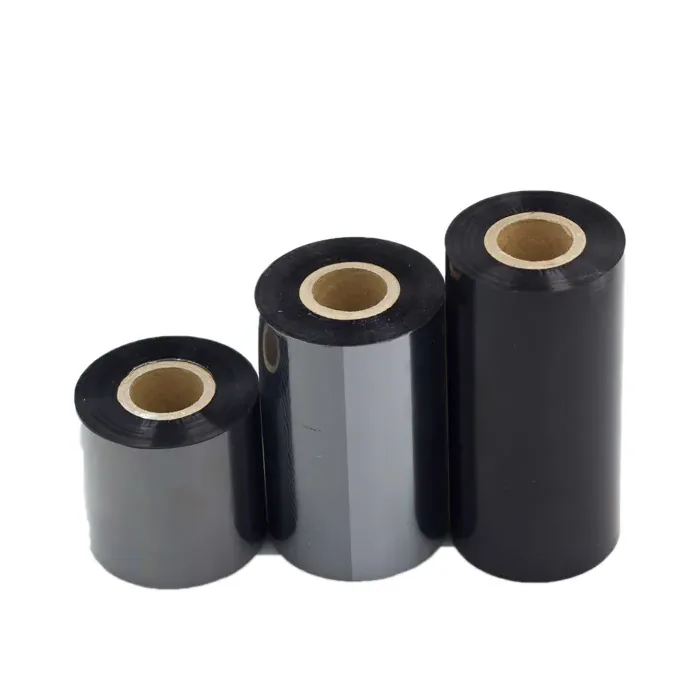
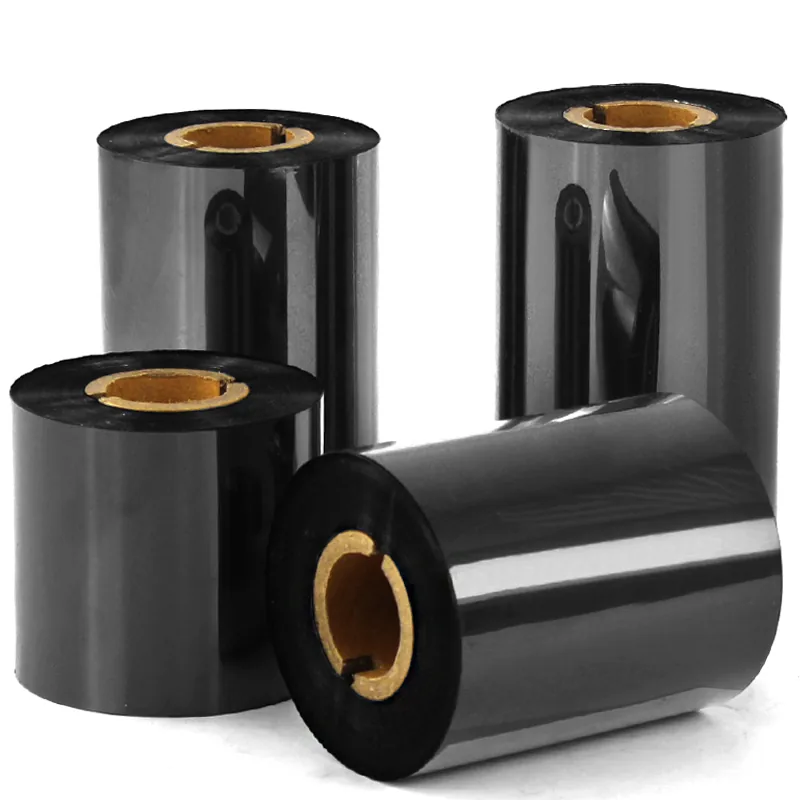
On a thermal transfer label it is the ribbon. If the print rubs off a film label, a wax or wax resin ribbon has been used where a resin ribbon was needed.
Failure Four The Label Is Fine but Falls Off Later
Check the service temperature against the specification rather than the application temperature. A coated paper label rated -10 to +65 degrees C will not hold in a freezer programme. A BOPP film with the right adhesive is rated -40 to +70 degrees C, and a specified acrylic laminate can reach -50 to +90 degrees C measured 24 hours after labelling.
A Short Specification Checklist
- What surface is the label going onto, and is it clean and dry at that moment?
- What is the temperature at the moment of application, not in storage?
- What is the temperature range over the whole service life?
- Will the label meet water, oil, solvent or abrasion, and for how long?
- How long does the printed image have to stay readable?
Answer those five and the facestock, the adhesive and the ribbon all follow. Free samples are supplied so the combination can be tested in your own conditions before a production order.
Applying This Guide to Your Own Job
Straight answers to the questions buyers ask before a first order.
Can you recommend a product based on this guide?
Yes. Send the surface being labelled and the printer model, and we will name the facestock, the adhesive and the ribbon that match, then send a free sample.
Do you supply free samples to test these choices?
Yes. Free material samples are delivered in two to three days so the combination can be proven on your own equipment before a production order.
Are these materials held in stock?
Diverse label materials are held in stock and there are more than 30 production lines across two factories, so common specifications do not wait for a coating slot.
Where This Product Fits in the Rest of the Range
Blank Label
Read more →
CategoryAdhesive Label Roll
Read more →
CategoryPrinter Ribbon
Read more →
GuideDirect Thermal or Thermal Transfer Which Label Should You Buy
Read more →
GuideHow to Choose a Thermal Transfer Ribbon Wax Wax Resin or Resin
Read more →
GuideLabel Adhesive Selection Hot Melt Acrylic Removable and Freezer
Read more →
Get the Specification Confirmed
Send the surface and the printer model. We will confirm the facestock, adhesive and ribbon, and post a free sample.