
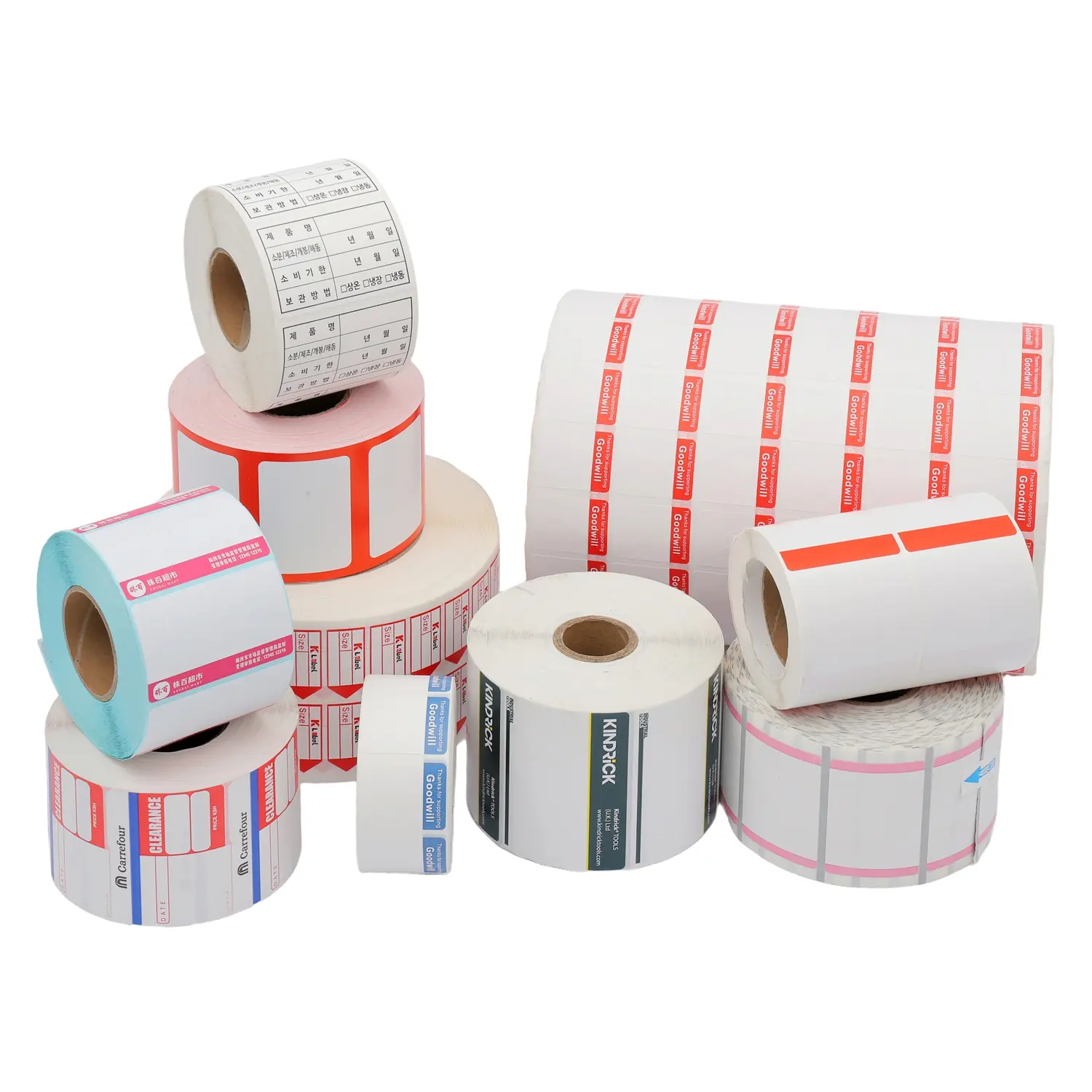
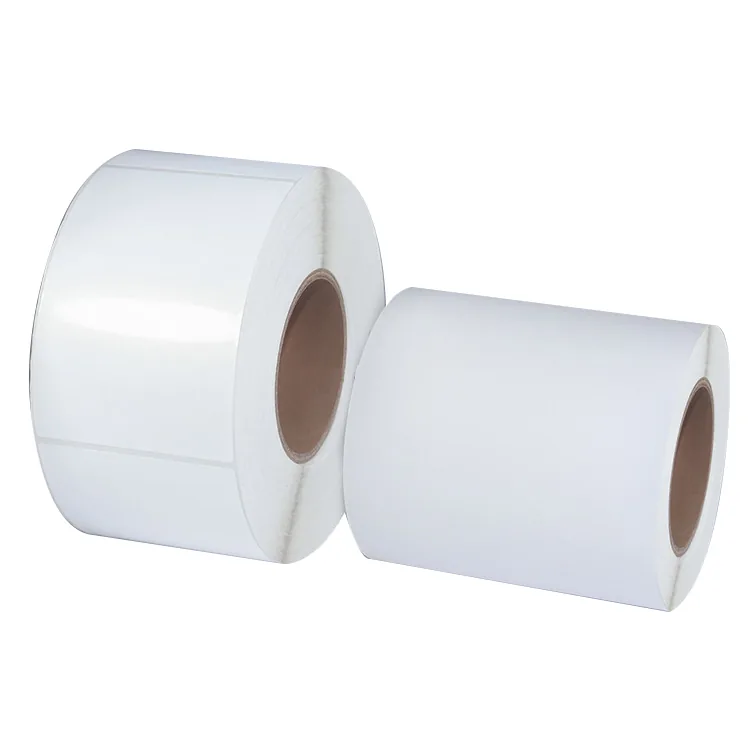
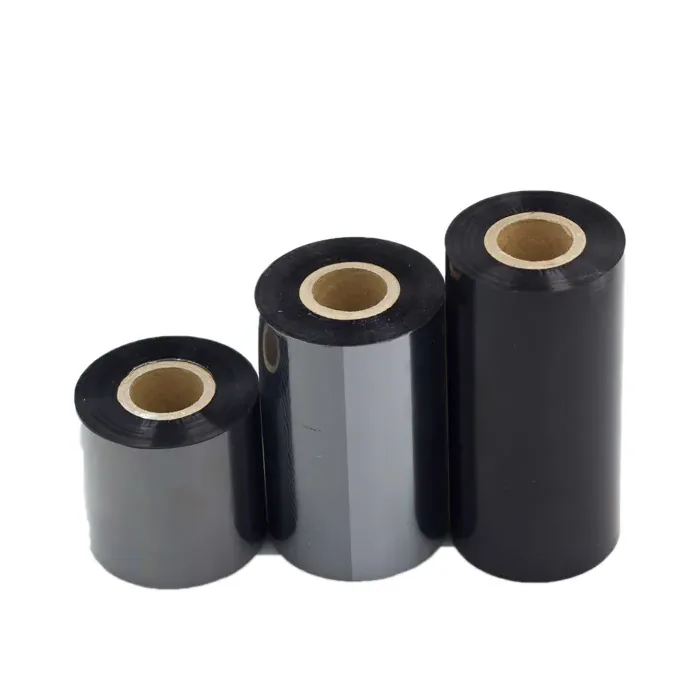
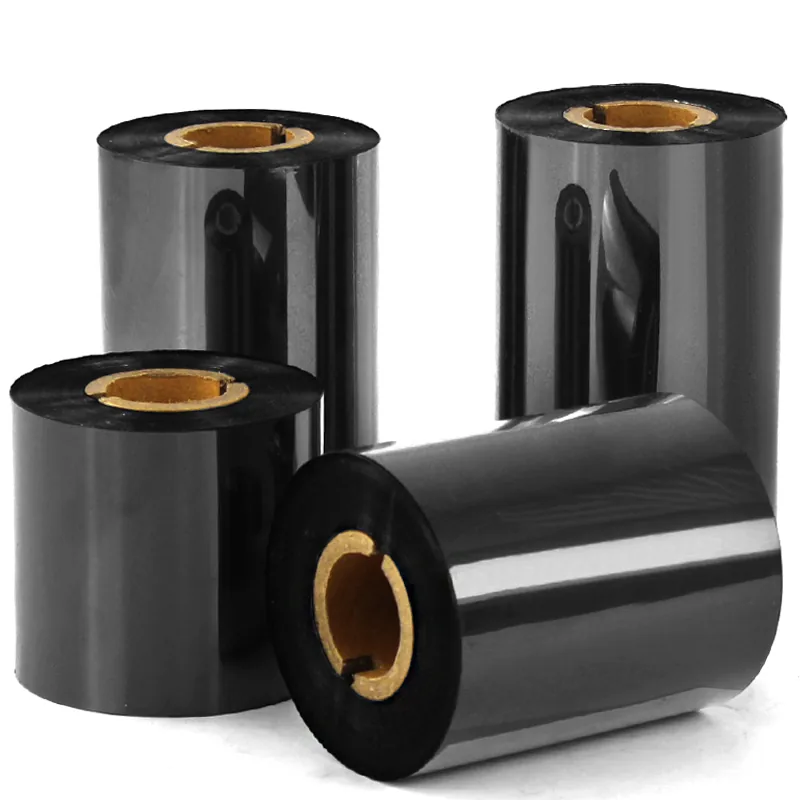
Direct Thermal or Thermal Transfer Which Label Should You Buy
The two label technologies are not interchangeable. One needs a ribbon and lasts for years; the other needs no consumable and fades. Here is how to decide.
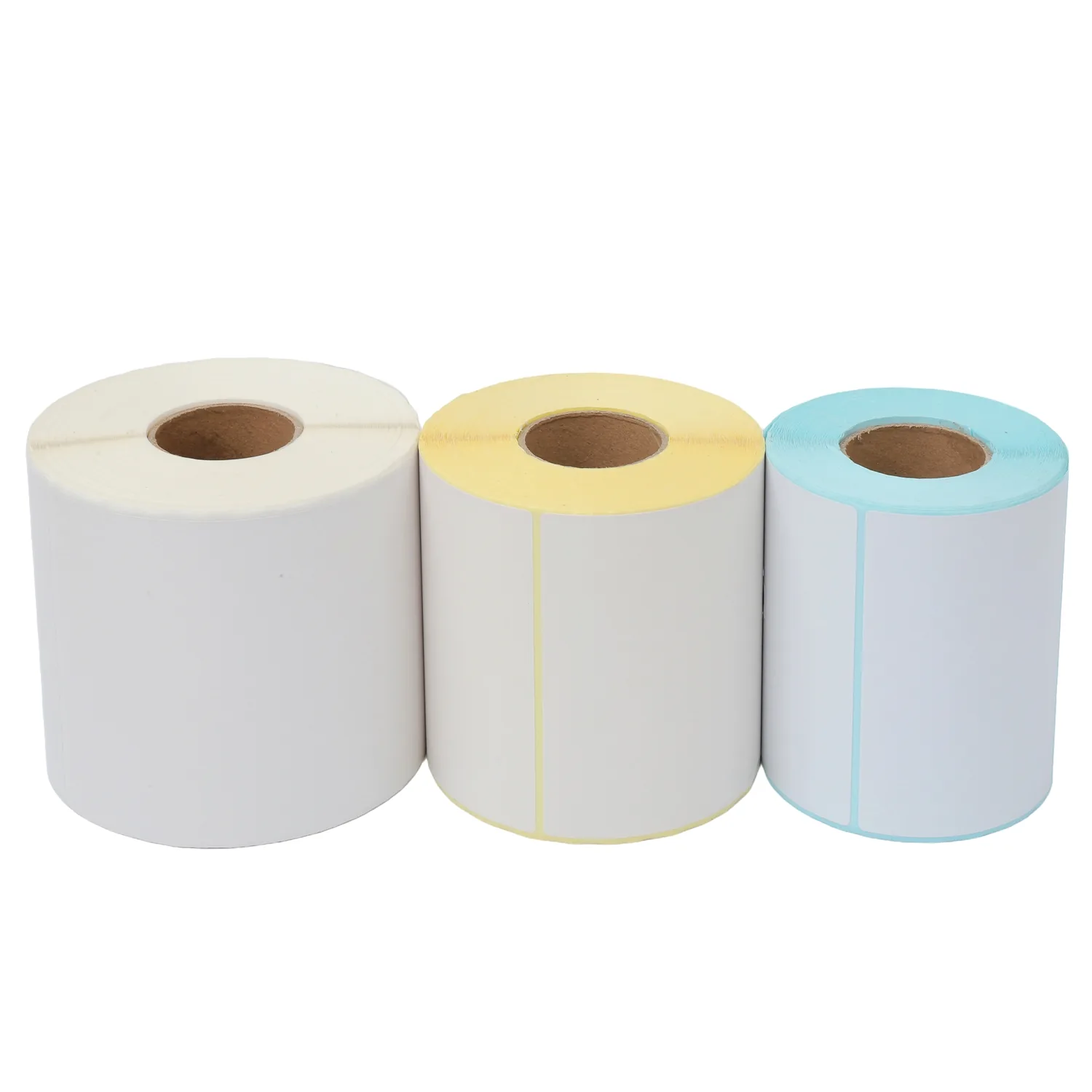
Almost every self-adhesive label question starts here, and getting it wrong is expensive in both directions. Direct thermal costs less to run and fails early. Thermal transfer costs more to run and lasts. Neither is better; they answer different questions.
How Direct Thermal Works
A direct thermal label carries a heat-sensitive coating on the facestock. The print head touches the label and the coating darkens. There is no ribbon, no ink and nothing else to buy or change.
That coating is the whole product. A good one carries water, oil, plasticiser, scratch and weather resistance and is BPA free. A poor one fades in weeks and smears when it meets a greasy hand.
How Thermal Transfer Works
A thermal transfer label is printed by melting ink off a ribbon and onto the label surface. The label itself can be coated paper, synthetic paper, BOPP, PET, PE or PP, and the ribbon can be wax, wax resin or resin.
Because the ink sits on the surface rather than being created within a coating, the printed image does not fade with heat or age in the same way. It is the correct choice whenever the label has to be read months or years after it was applied.
Choosing Between Them
- Parcel and shipping labels scanned within days: direct thermal. There is no reason to buy a ribbon for a label whose job ends at the door.
- Scale, deli and fresh food labels: direct thermal, but only with a protected coating rated for water, oil and plasticiser.
- Retail product and packaging labels seen by the customer: thermal transfer on a coated art paper or film, for print quality and image life.
- Asset, compliance and rating labels: thermal transfer with a resin ribbon on a film facestock.
- Anything stored against a hot surface or in direct sun: thermal transfer. Direct thermal darkens under sustained heat.
The Costs People Forget
Direct thermal saves the ribbon but not always the money. A faded label that has to be reprinted, a barcode that fails at goods-in, or a batch rejected by a retail customer costs more than a year of ribbon. Work out the cost of one failure before optimising the cost per label.
On the other side, specifying a resin ribbon for a paper label that ships tomorrow is money spent on durability the label will never use. Match the technology to how long the label actually has to survive.
One Practical Test
Scratch the printable surface with a fingernail. If it leaves a dark grey mark, it is direct thermal. If nothing happens, it is a thermal transfer stock and it needs a ribbon.
Applying This Guide to Your Own Job
Straight answers to the questions buyers ask before a first order.
Can you recommend a product based on this guide?
Yes. Send the surface being labelled and the printer model, and we will name the facestock, the adhesive and the ribbon that match, then send a free sample.
Do you supply free samples to test these choices?
Yes. Free material samples are delivered in two to three days so the combination can be proven on your own equipment before a production order.
Are these materials held in stock?
Diverse label materials are held in stock and there are more than 30 production lines across two factories, so common specifications do not wait for a coating slot.
Where This Product Fits in the Rest of the Range
Get the Specification Confirmed
Send the surface and the printer model. We will confirm the facestock, adhesive and ribbon, and post a free sample.