
Label Facestock Materials Paper BOPP PET and PE Compared
Paper is cheap and dies in water. Film survives and costs more. Here is where the line actually falls.
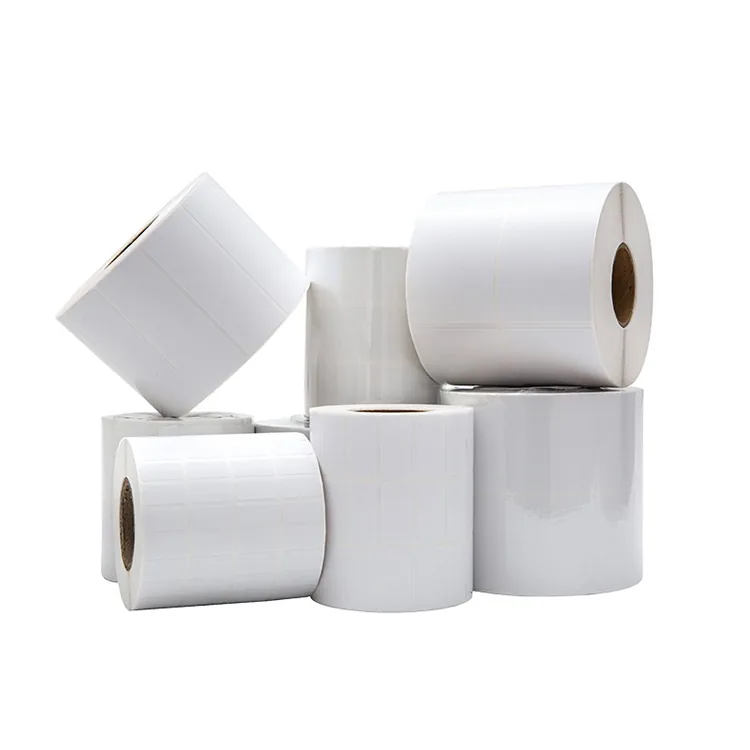
Facestock is the first decision in a label specification and it constrains everything after it: which ribbon will print, which adhesive is available, and how the label will look on the shelf.
Coated Paper
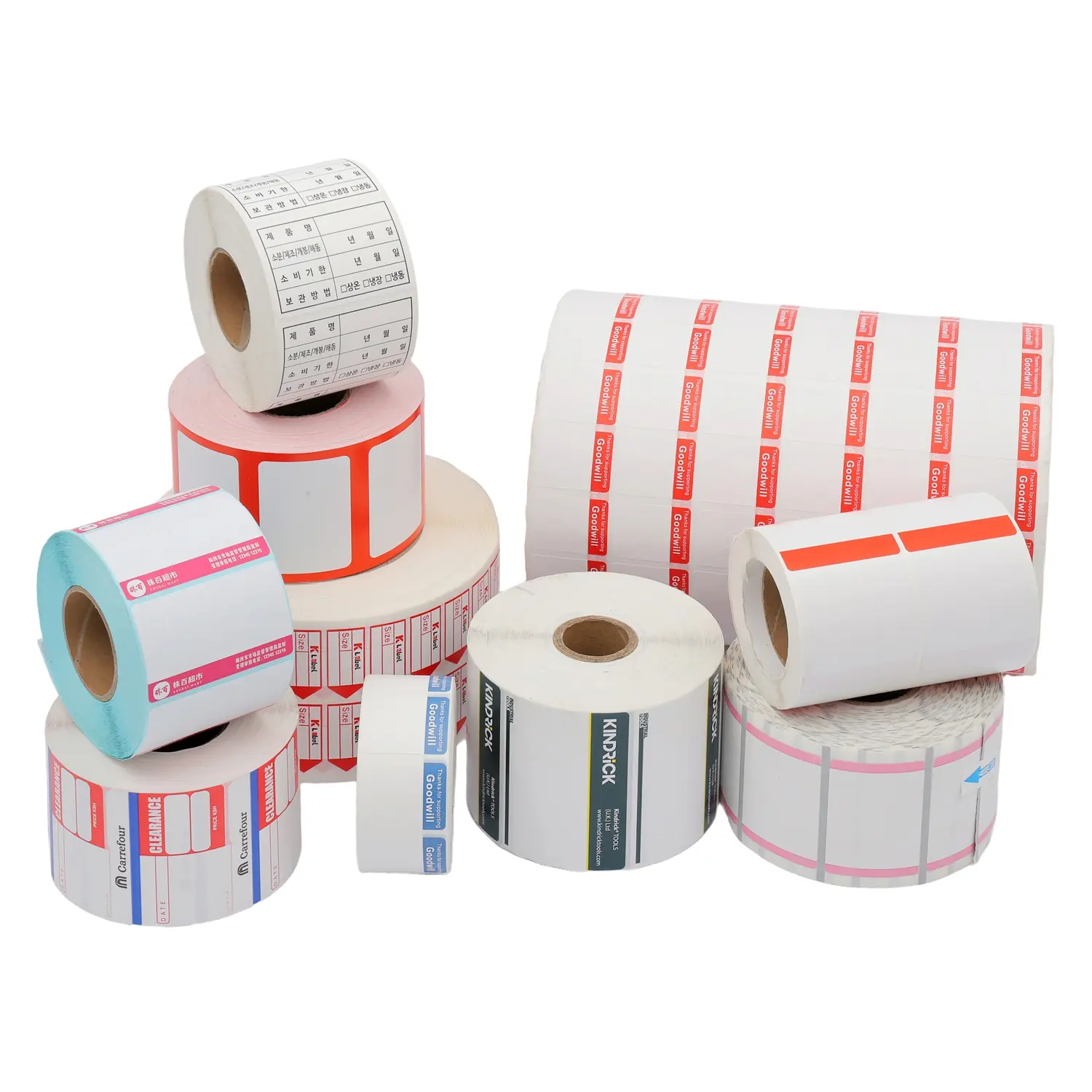
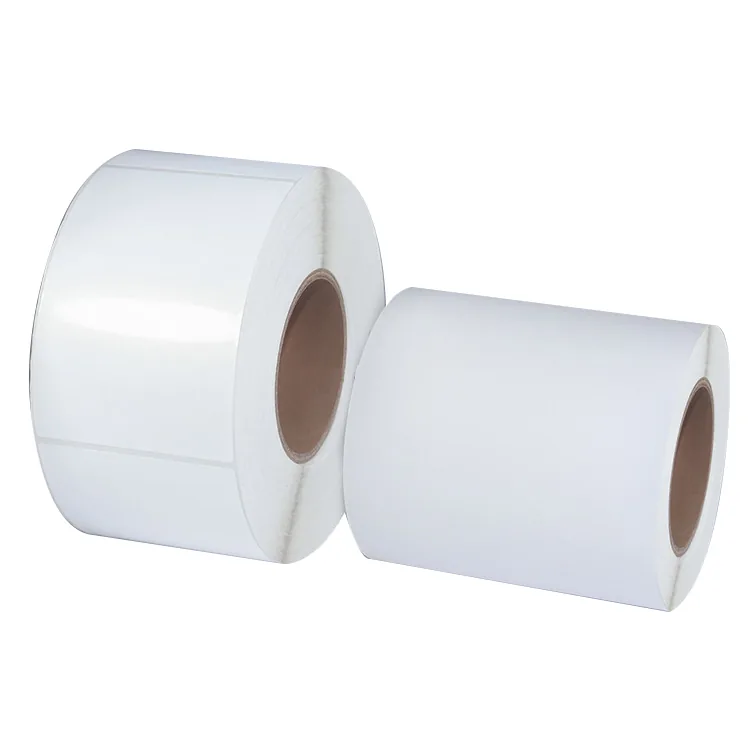
Semi-gloss and top coated art paper give high surface glossiness and high paper strength, and take offset, flexo and thermal transfer printing well. This is the default for dry packaging, retail labels and printed shipping labels, with a service temperature around -10 to +65 degrees C.
Thermal Paper
A paper facestock with a heat-sensitive coating, printed without a ribbon. Typically 65 to 75 gsm over a hot melt adhesive and a 40 to 60 g glassine liner. The protective top coat is what gives water, oil, plasticiser and scratch resistance.
BOPP
Biaxially oriented polypropylene film, available white, silver or transparent. It is waterproof, conforms well to squeezable containers, and with the right adhesive holds a -40 to +70 degrees C service range. The usual choice for chilled and frozen food, beverages, cosmetics and household products.
PET
Polyester film, stiffer than BOPP and more resistant to heat and solvent. Used for rating plates, component labels and anything that has to survive assembly, service and cleaning. PET needs a resin ribbon; wax will not bond to it.
PE
Polyethylene film, softer and more flexible than both BOPP and PET. It suits squeezable tubes and bottles where the label must move with the container without creasing.
Synthetic Paper
A middle option that handles like paper on a press but resists tearing and moisture better. PP synthetic paper prints well with a wax resin ribbon, which makes it a practical upgrade from coated paper without moving to a full film and resin combination.
Matching Ribbon to Facestock
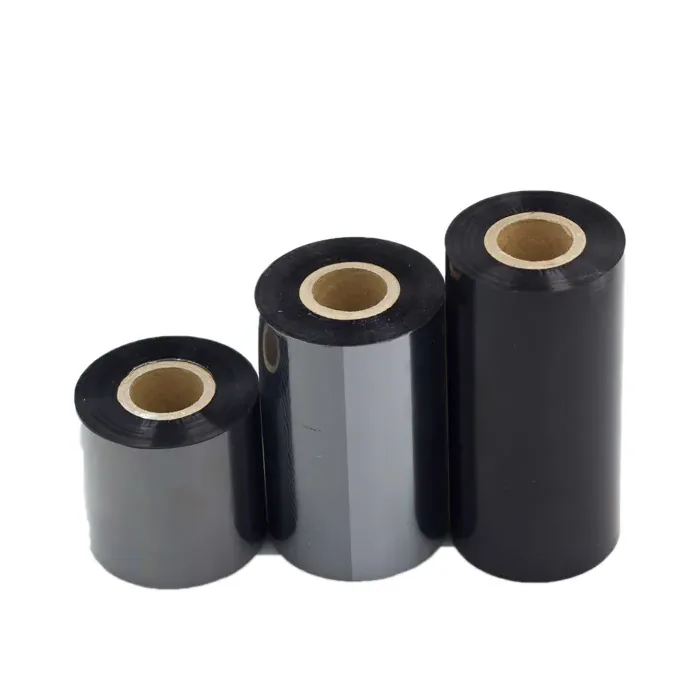
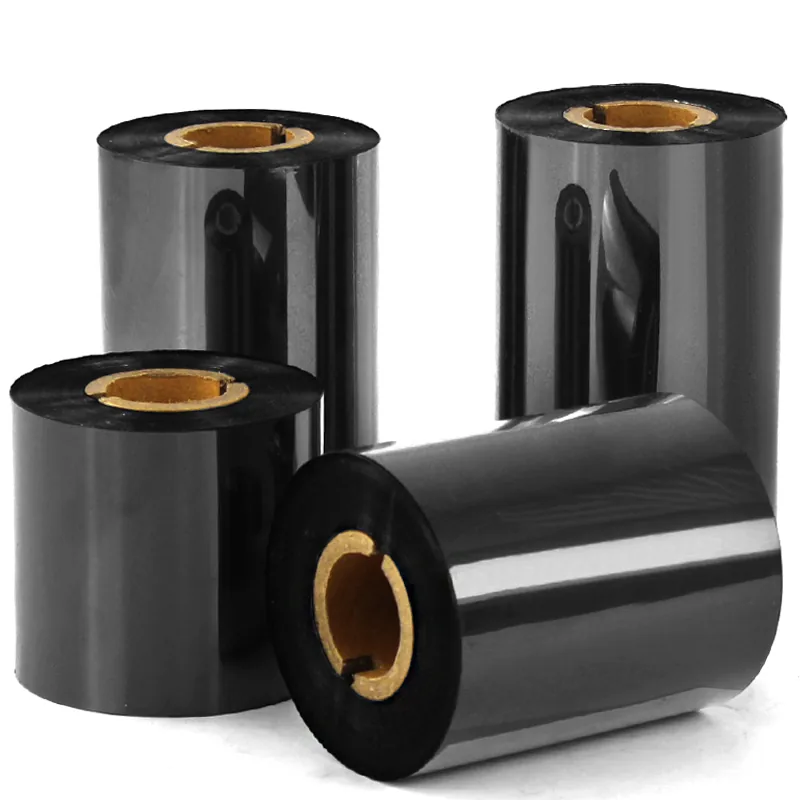
Paper takes wax. Glossy paper, matte coated paper and PP synthetic paper take wax resin. PET, PVC, PE and PP take resin. If the print rubs off, the ribbon is wrong for the facestock, not the other way round.
Applying This Guide to Your Own Job
Straight answers to the questions buyers ask before a first order.
Can you recommend a product based on this guide?
Yes. Send the surface being labelled and the printer model, and we will name the facestock, the adhesive and the ribbon that match, then send a free sample.
Do you supply free samples to test these choices?
Yes. Free material samples are delivered in two to three days so the combination can be proven on your own equipment before a production order.
Are these materials held in stock?
Diverse label materials are held in stock and there are more than 30 production lines across two factories, so common specifications do not wait for a coating slot.
Where This Product Fits in the Rest of the Range
Blank Label
Read more →
CategoryPrinted Label
Read more →
CategoryResin Ribbon
Read more →
GuideDirect Thermal or Thermal Transfer Which Label Should You Buy
Read more →
GuideHow to Choose a Thermal Transfer Ribbon Wax Wax Resin or Resin
Read more →
GuideLabel Adhesive Selection Hot Melt Acrylic Removable and Freezer
Read more →
Get the Specification Confirmed
Send the surface and the printer model. We will confirm the facestock, adhesive and ribbon, and post a free sample.