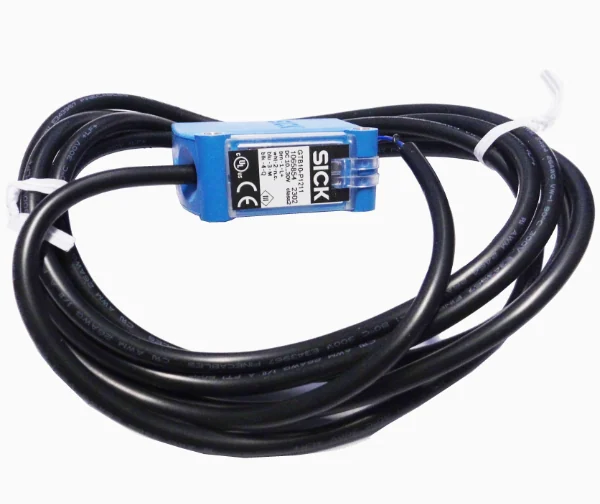

Send the Exact Model Code and a Nameplate Photo
To avoid quoting errors, send the full model number from the part label or machine manual. A photo of the nameplate is preferred over a description because it captures the exact part number, serial, voltage, and connector type. This prevents misordering when the part is obsolete or when multiple models have similar names.
State Quantity and Order Type
Specify the quantity per line item and whether the order is for a one-off spare or a repeat build. This helps determine if stock is available or if a new purchase is needed. Repeat builds may qualify for bulk pricing or faster delivery.
Provide Destination and Incoterm
Include the destination city or port and the incoterm you require (e.g., FOB Zhuhai, DDP Hamburg). This allows accurate freight and customs cost estimation. Without this, the quote may be incomplete or delayed.
Clarify Brand Acceptance
Indicate whether an equivalent brand is acceptable or if the original brand must be matched. For motors and drives, this affects compatibility with existing control systems. For sensors and accessories, it impacts fit and function.
Add Mechanical and Electrical Details
For motors, include flange size, shaft diameter, keyway, and required cable length. For sensors, specify sensing distance, thread size, and output type (NPN or PNP). For suction cups, provide cup diameter, shape, and the workpiece material. These details ensure the part fits and functions correctly.
List Required Documentation
State which documents are needed, such as a packing list, commercial invoice, or test report. This ensures the shipment meets customs and internal procurement requirements. Some buyers require documents in English or with specific formatting.
Include Your Deadline
Mention the required delivery date. This helps prioritize the order and may affect shipping method or stock availability. Late quotes can delay machine repairs or production schedules.
Why Photos Prevent Costly Mistakes
A photo of the old part shows the exact connector, mounting holes, and label layout. This prevents ordering a part that looks similar but has different pinouts, voltage ratings, or mechanical dimensions. The most expensive errors happen when parts arrive and do not fit.