Sizing Vacuum Suction Cups for Pick and Place
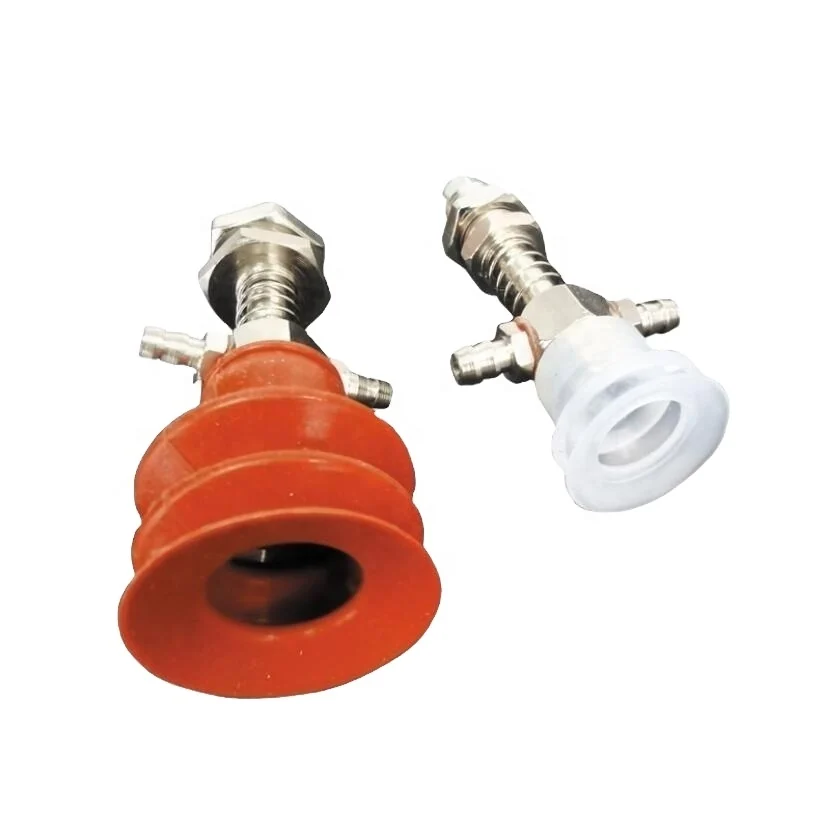
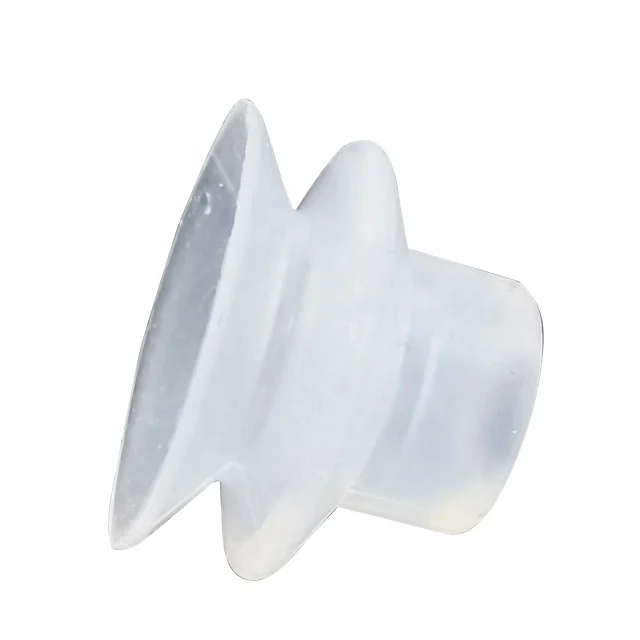
Selecting the right vacuum suction cup for a pick and place application requires matching cup size, shape, and material to the workpiece and motion profile. The holding force is determined by the effective cup area and the vacuum level applied. Always apply a safety factor—higher for horizontal moves, accelerating axes, and vertical lifting of the workpiece face. Distribute the load across multiple cups to prevent tilt during handling. Use flat cups for rigid, flat sheets at high speed; bellows cups to compensate for height variation and lift curved or fragile parts; oval cups for narrow strips. Choose the compound based on the environment: NBR for general use and oil resistance, silicone for high temperature and food contact (though it may mark surfaces), natural rubber for high grip and wear resistance. Check surface condition—porous materials like cardboard require higher air flow, oily surfaces need a sealing compound. Treat suction cups as consumables; they harden and leak over time. Measure the workpiece dimensions, surface flatness, and required lift height before ordering.
Key Factors in Cup Selection
Effective cup area directly affects holding force. Larger area increases lift capacity but requires more vacuum flow. Vacuum level depends on the pump and system design. Safety factor must be applied—minimum 2x for vertical lifts, higher for dynamic motion. Cup shape must match the workpiece geometry: flat for flat rigid parts, bellows for uneven or flexible surfaces, oval for narrow or elongated items. Material choice depends on contact surface: NBR for general use, silicone for high temperature or food contact, natural rubber for high friction and durability. Surface porosity and oil content affect seal integrity. Always measure the workpiece dimensions, surface flatness, and required lift height before selecting a cup.
Measuring for Correct Sizing
Before ordering, measure the workpiece dimensions, including width, length, and thickness. Determine the surface flatness—any deviation affects seal quality. Measure the height difference between the cup mounting point and the workpiece surface. Identify the material type and surface condition—porous, oily, or smooth. Confirm the motion profile: horizontal movement, vertical lift, or acceleration. Record the required lift force and apply the safety factor. Use these measurements to select cup size, shape, and compound. Confirm that the cup can be mounted on the robot arm or actuator with the required clearance and orientation.
Cup as Consumable – Maintenance and Replacement
Vacuum suction cups degrade over time due to exposure to air, dust, oil, and temperature. They harden, lose elasticity, and develop micro-cracks that cause leaks. Replace cups when holding force drops or when visible wear appears. Monitor performance during routine maintenance. Keep spare cups on hand for critical machines. Use a consistent replacement schedule based on operating hours or cycles. Replace all cups in a set at once to maintain balanced load distribution. Document cup type, size, and compound used for future ordering.