Two motor types, two control problems
An induction motor creates rotor field by slip; a permanent magnet synchronous motor has it already. That makes the PMSM more efficient and the control harder, because the drive must know rotor position rather than infer slip. Vector control handles both, but the algorithms differ.
What Boray supports
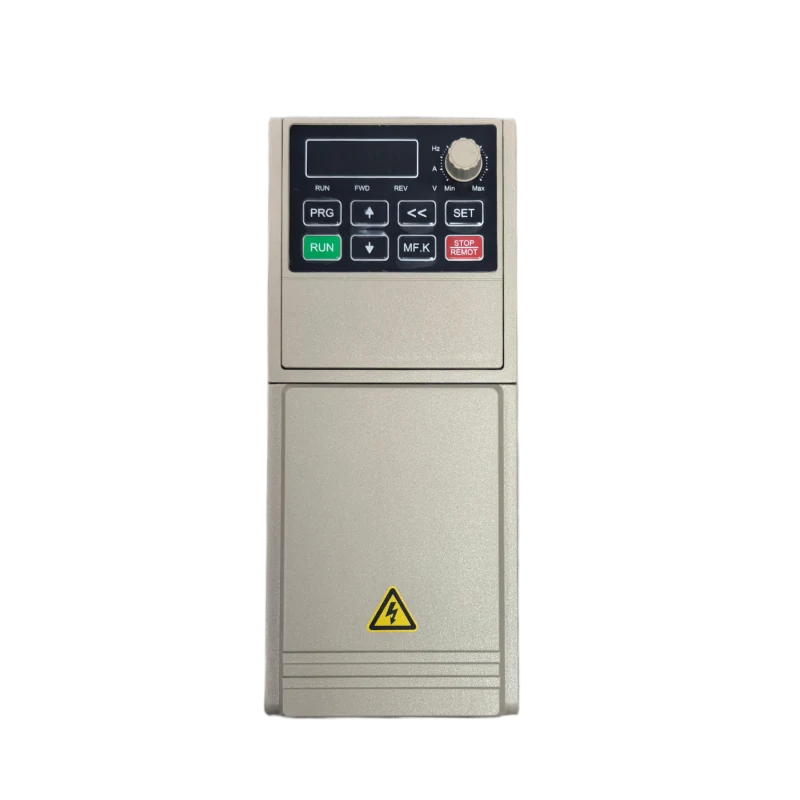
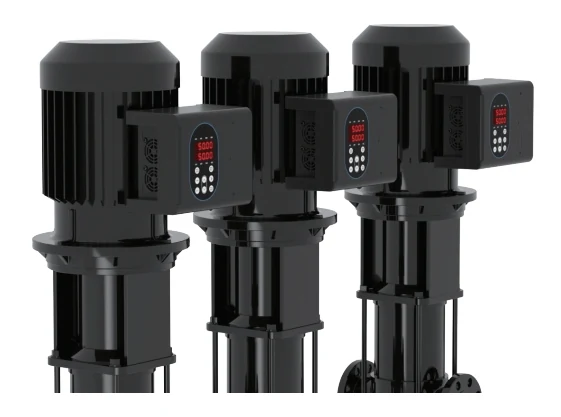
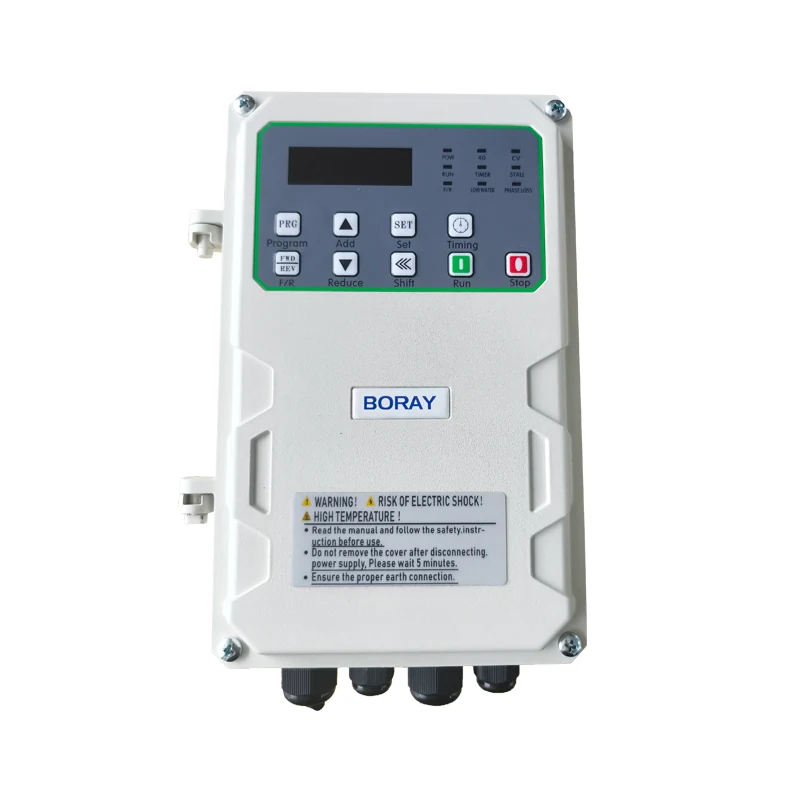
AD1000PLUS drives induction motors, built-in permanent magnet motors and surface-mount permanent magnet motors from one range, using a dedicated 32-bit motor DSP. FD600 supports IM and PMSM under V/F, SVC and VVC control. FS300 uses an integrated permanent magnet and asynchronous design for pump duty. The BR600-P solar series runs high-speed, high-frequency pumps, PMSM and synchronous motors without tuning.
Why 'without tuning' is a commercial point
Motor auto-tuning requires the machine to be uncoupled or at least safely rotatable, which is often impossible on an installed borehole pump. A drive that reaches useful performance without a tuning run — BR100 reaches more than 80% of its control performance without learning — turns a two-visit commissioning into one.
Torque accuracy in numbers
AD1000PLUS states 3% torque accuracy and 3% torque linearity. BR100 states ±0.5% speed stabilising precision with 180% starting torque at 0.5 Hz in SVC mode, and 150% at 0.5 Hz in V/F.
Specifying for a mixed fleet
If the customer runs both motor types, one platform reduces spares, training and commissioning tooling. Send the motor nameplates with your enquiry so the right series and control mode is quoted.