The question is what happens after the ramp
A soft starter and a VFD both bring a motor up smoothly. The difference is what they do once it is running. A soft starter hands the motor over to line frequency and stops intervening. A VFD keeps controlling frequency and voltage for the whole running cycle. If the process never needs a different speed, the extra capability is cost you do not recover.
Where the soft starter wins
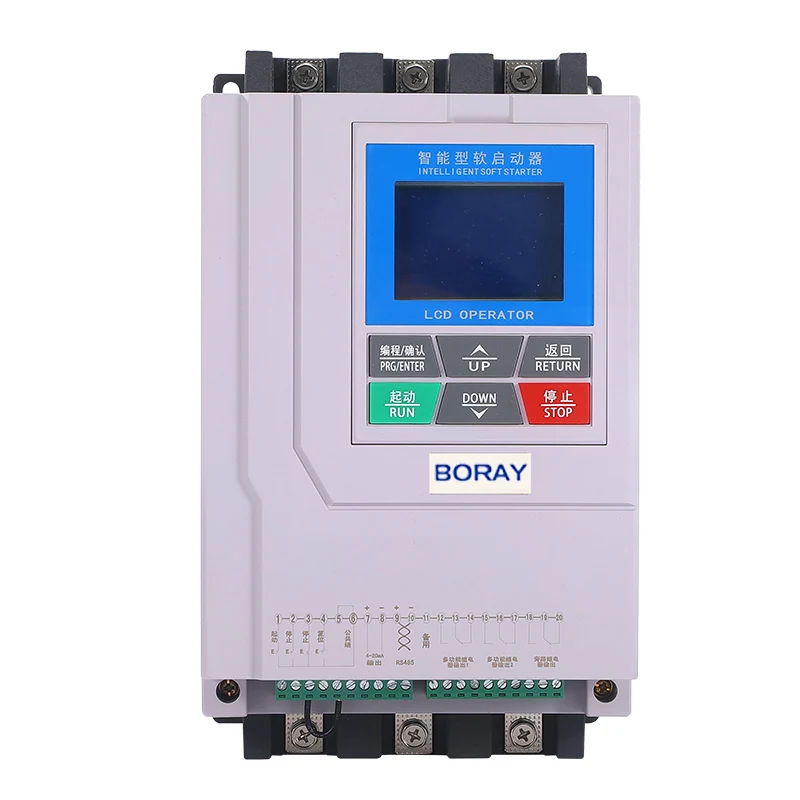
Fans, pumps, conveyors and compressors that run at one speed. The starter limits inrush current so the supply and the mechanical train are not shocked, replacing star-delta, auto-coupling and magnetic voltage reduction methods that still impose a step change at transition.
Where the VFD is unavoidable
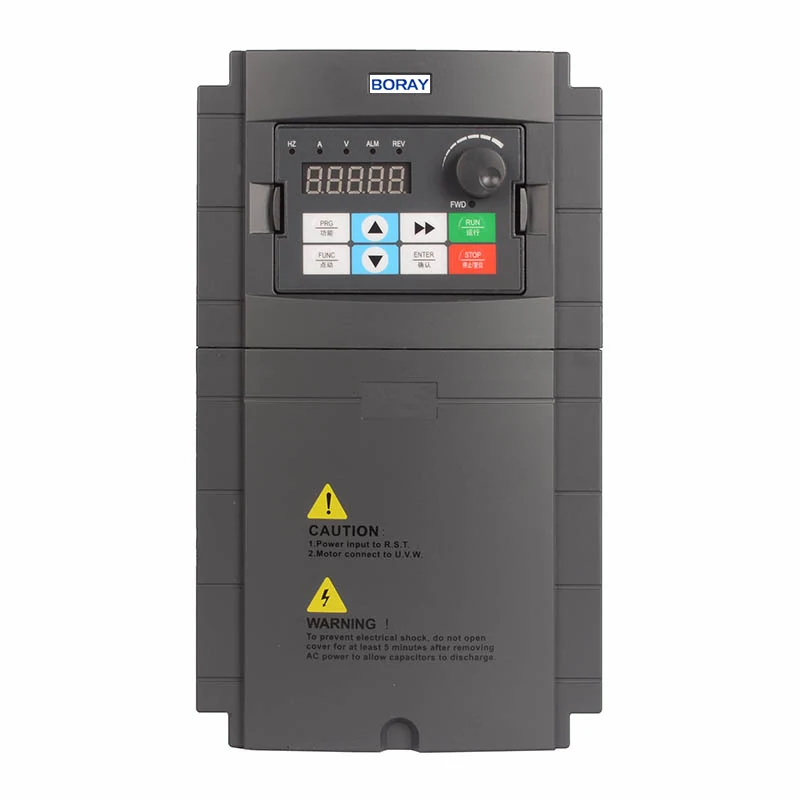
Any duty where flow, pressure or torque has to track demand. This is where the 20–50% energy savings quoted for power systems and the 30–50% savings on HVAC flow regulation come from — not from the start, from every hour afterwards.
Bypass or no bypass
Online soft starters such as the GE300 and ST200 conduct continuously and need no bypass contactor. That removes a component from the panel that has to be specified, wired, and eventually replaced. Bypass types such as the ST100 hand over to a contactor after ramp-up, which reduces the thyristors' continuous heat load.
A practical shortlist
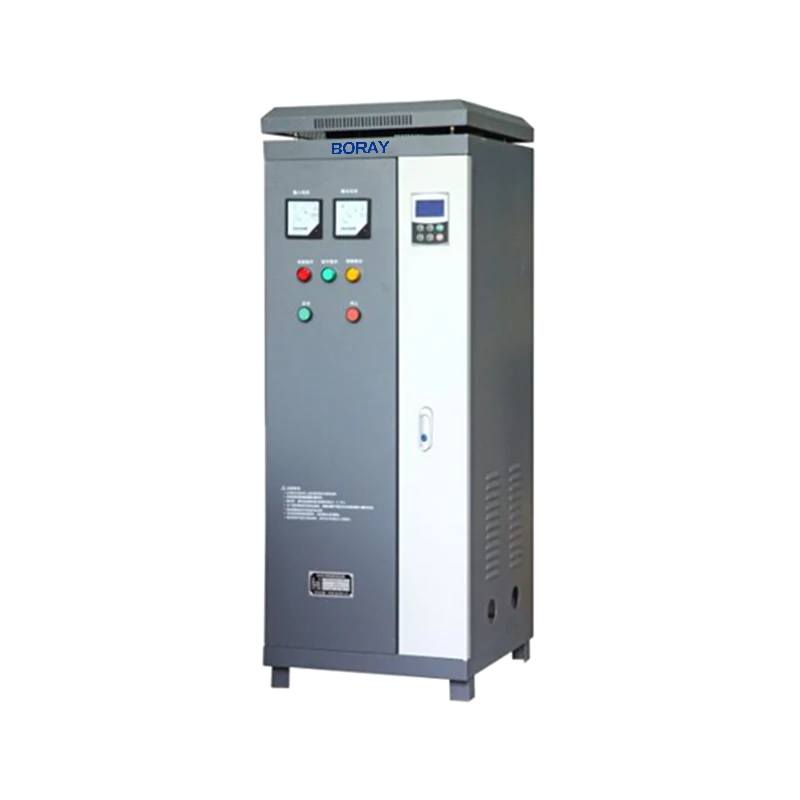
Fixed-speed motor between 5.5 and 75 kW that trips the supply on start: GE300 or ST200. Ready-built panel wanted: ST300, with the breaker inside and no commissioning. Variable process demand: BR100 below 11 kW, BR110 to 400 kW, AD1000PLUS above.