The problem with fixed-speed boosters
A fixed-speed pump with a pressure switch runs at full output or not at all. Every demand change starts and stops the motor, and pressure swings between the cut-in and cut-out points. The starts are what wear the set out.
What the drive does instead
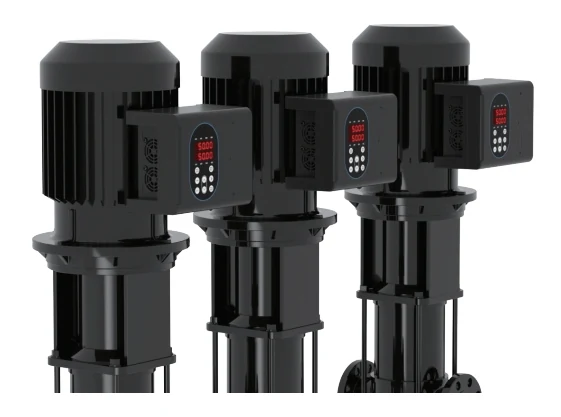
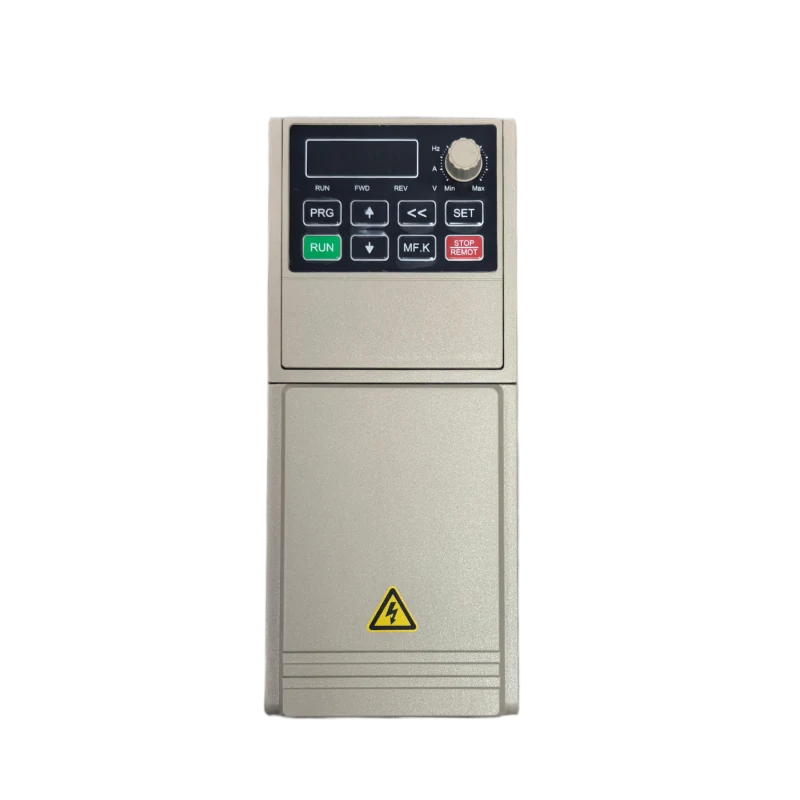
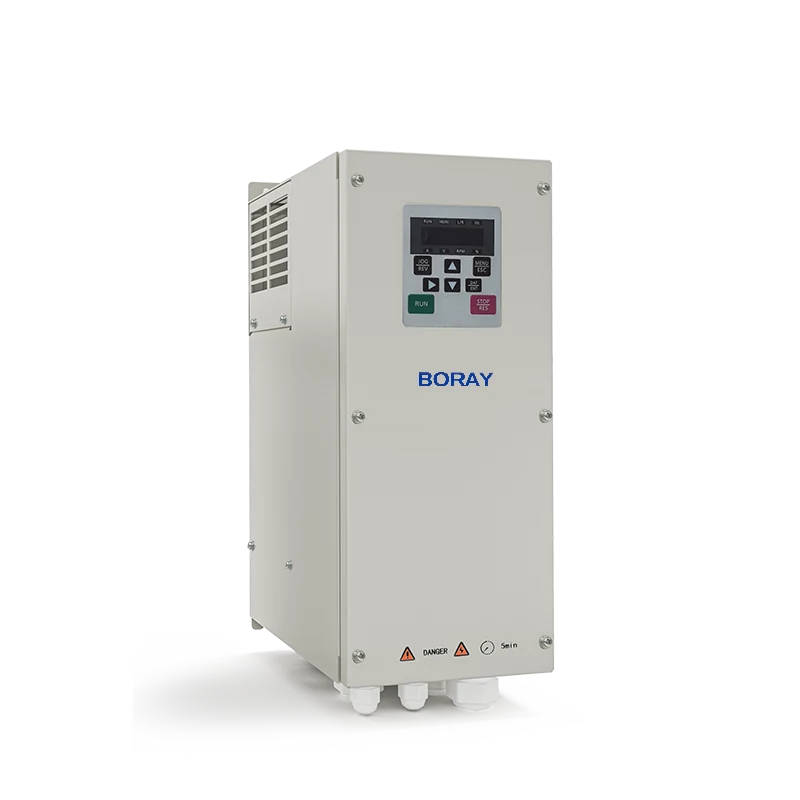
A pump drive with a built-in PID algorithm reads pressure and varies frequency to hold the setpoint continuously. Demand changes become speed changes, not start-stop cycles. FS200 integrates small-pump frequency control with precise constant pressure; FS300 adds a dedicated PID algorithm with switchable constant-pressure and frequency-modulation modes.
Sizing the two series
FS200: single-phase 200–240 V, 0.75–2.2 kW, back-mountable directly on the installation, IP54. FS300: 220 V at 0.75–2.2 kW and 380 V at 0.75–22 kW, IP54, driving both permanent magnet and asynchronous pump motors.
Why IP54 is the right rating here
Booster sets live in plant rooms, basements and outdoor cabinets — humid, occasionally splashed, often dusty. IP54 on the product body covers that without the thermal penalty of a fully sealed enclosure.
When to use the dual mode
Constant-pressure mode for domestic and commercial supply; frequency-modulation mode when the pump feeds a process that sets its own flow. FS300 switches between them, so one drive serves both installation types in a distributor's range.