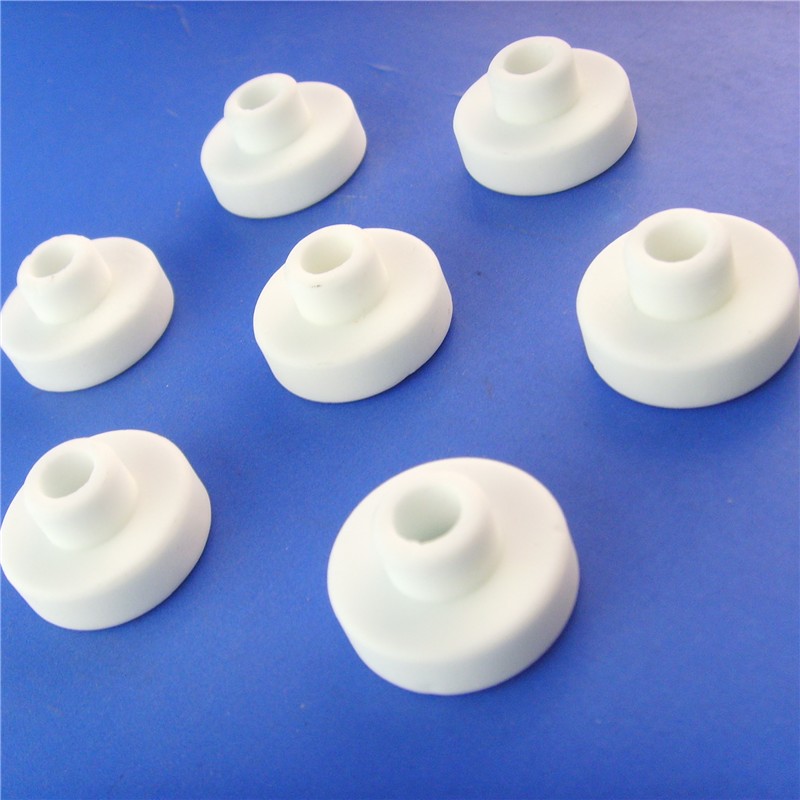
Electrical Steatite Ceramic Bead
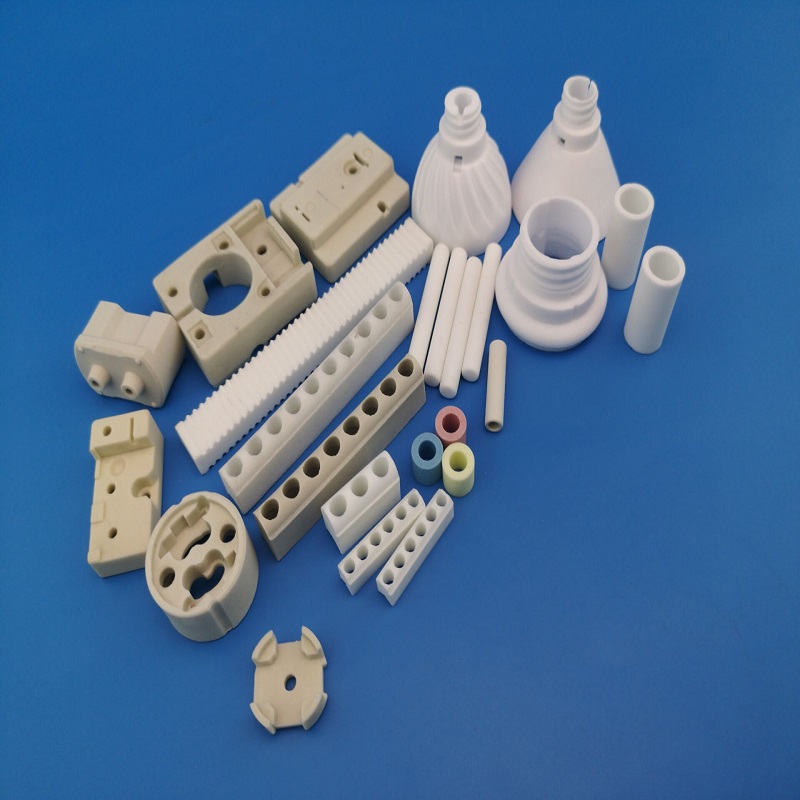
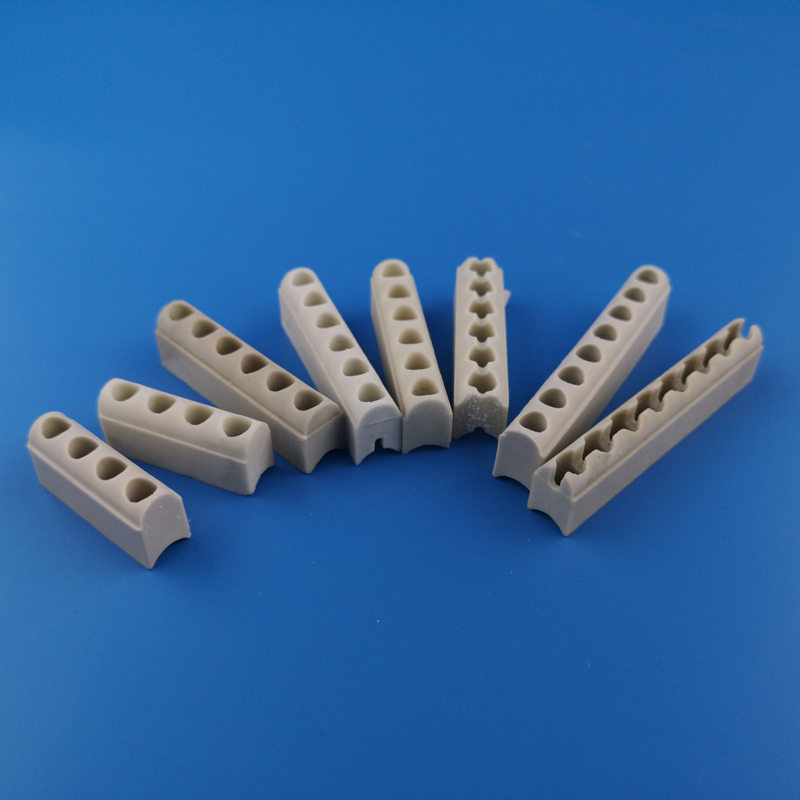
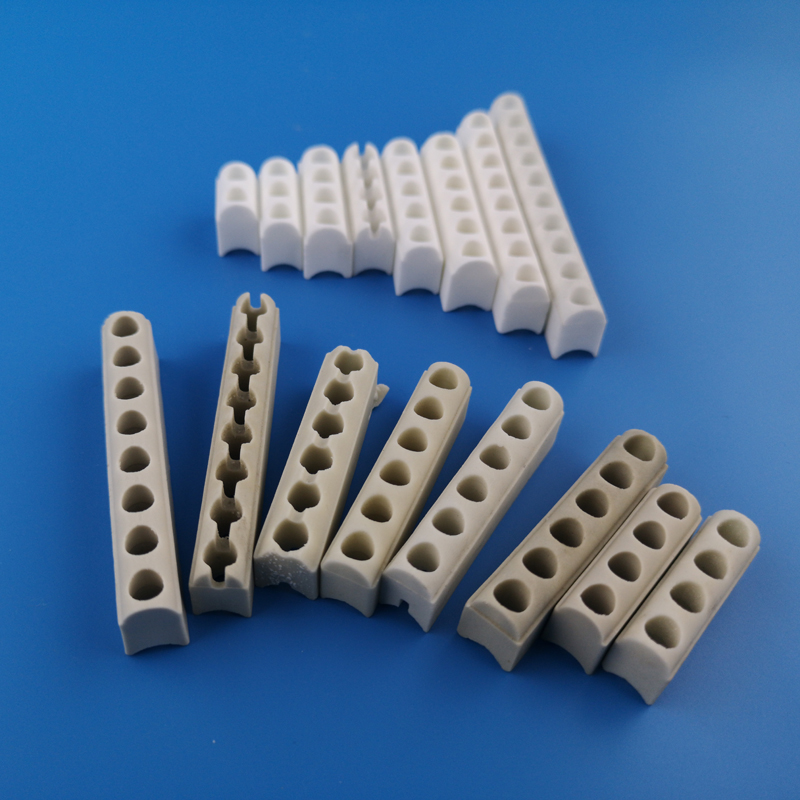
Bush, bead and fish spine steatite insulators for heating element leads.
- MaterialSteatite
- SizeCustom
- ShapeBush, bead, fish spine or custom
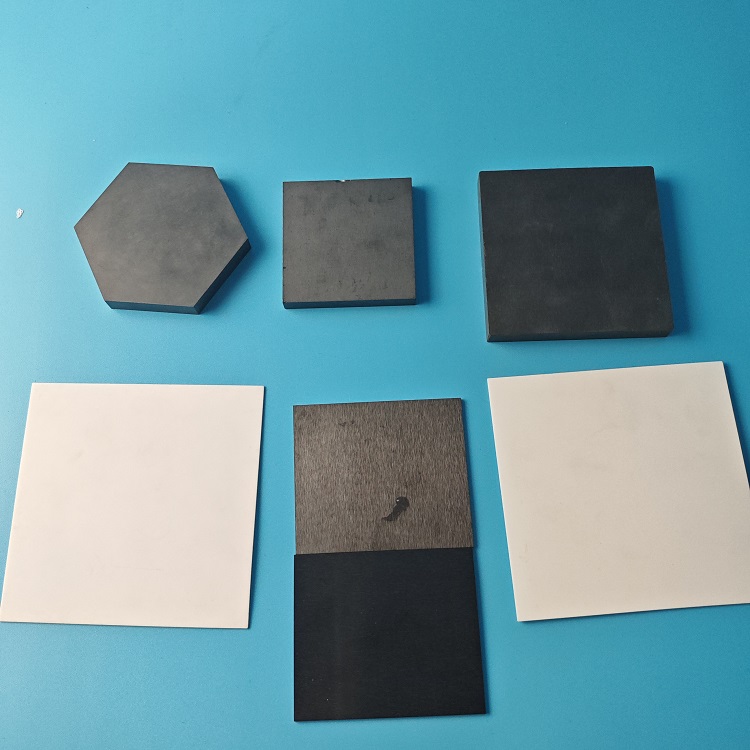
Talc based steatite is still the default insulator around heating elements. What it is made from, what it does well and the shapes it is supplied in.
Steatite is the least glamorous of the five families we make and one of the most widely used. It is made of natural mineral talc, 3MgO 4SiO2 H2O, as the main raw material, with appropriate amounts of clay, BaTiO3 and other ingredients mixed, ground, moulded and sintered at high temperature.
Every figure quoted above is taken from the property tables published on our own product pages. If your drawing needs a value we do not publish, ask and we will confirm it against the grade we would supply.
Bush, bead and fish spine steatite insulators for heating element leads.
Sticks, strips, channels, bricks, knuckles, tiles and blocks for 1100°C electrical service.
1 to 8 hole ceramic heating strips for flexible pad heaters up to 1650°C.
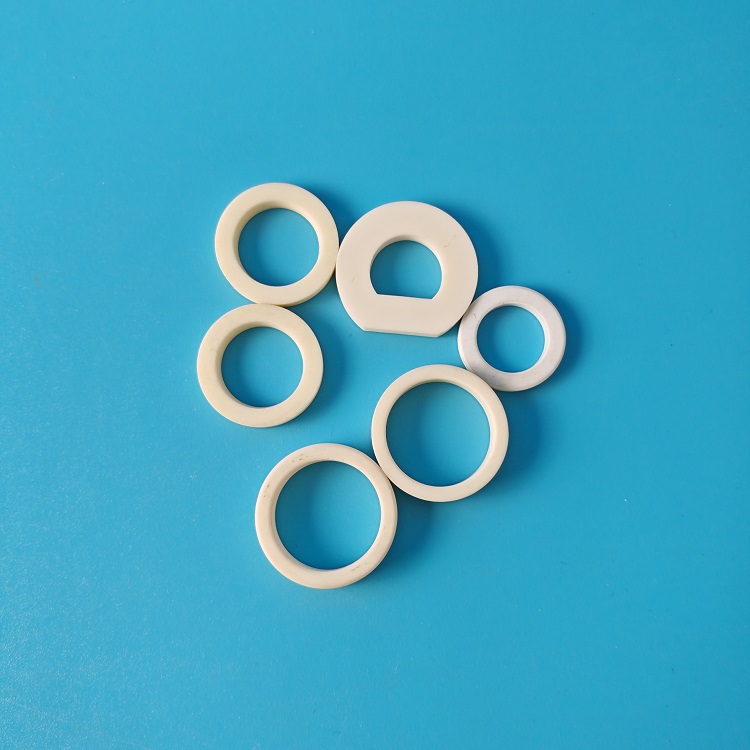
Dense alumina rings for pump seals, insulators and wear seats, in 95% and 99% grades.
Talc based steatite beads, strips and insulators for electrical heating assemblies where dielectric strength matters more than toughness.
See the rangeOur steatite ceramic insulator is listed with a working temperature of 1100 degrees. Above that, an alumina part is the right choice.
Bush, bead, fish spine or custom shapes on the bead range, and stick, strip, channel, brick, knuckle, tile and block on the insulator range.
It is described as having relatively high mechanical strength. For a part that is carrying load as well as insulating, alumina is the stronger option.
Send the drawing and the duty. Samples are free and take 4 to 7 working days.