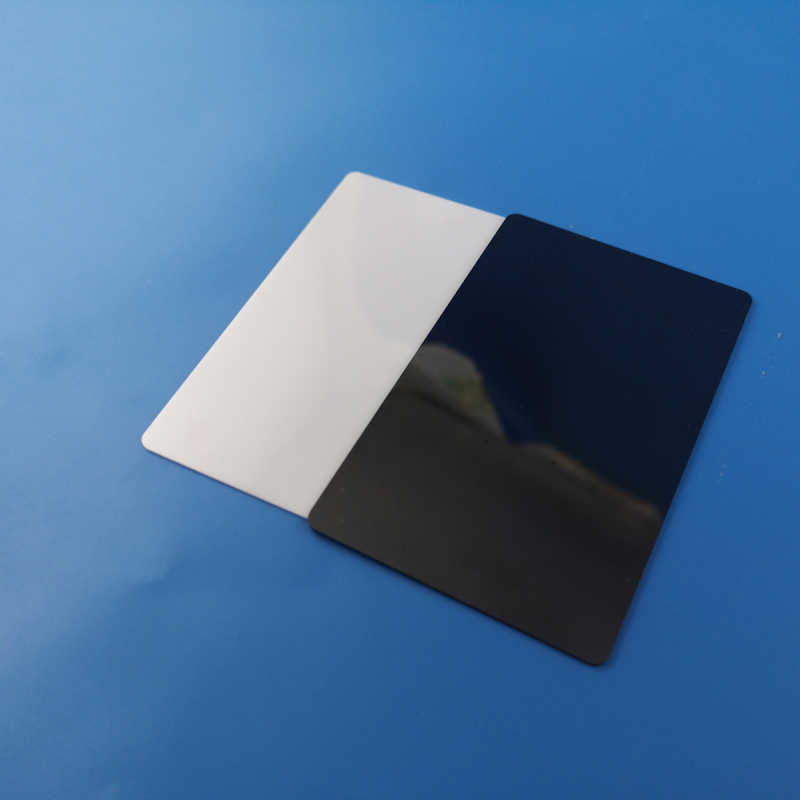
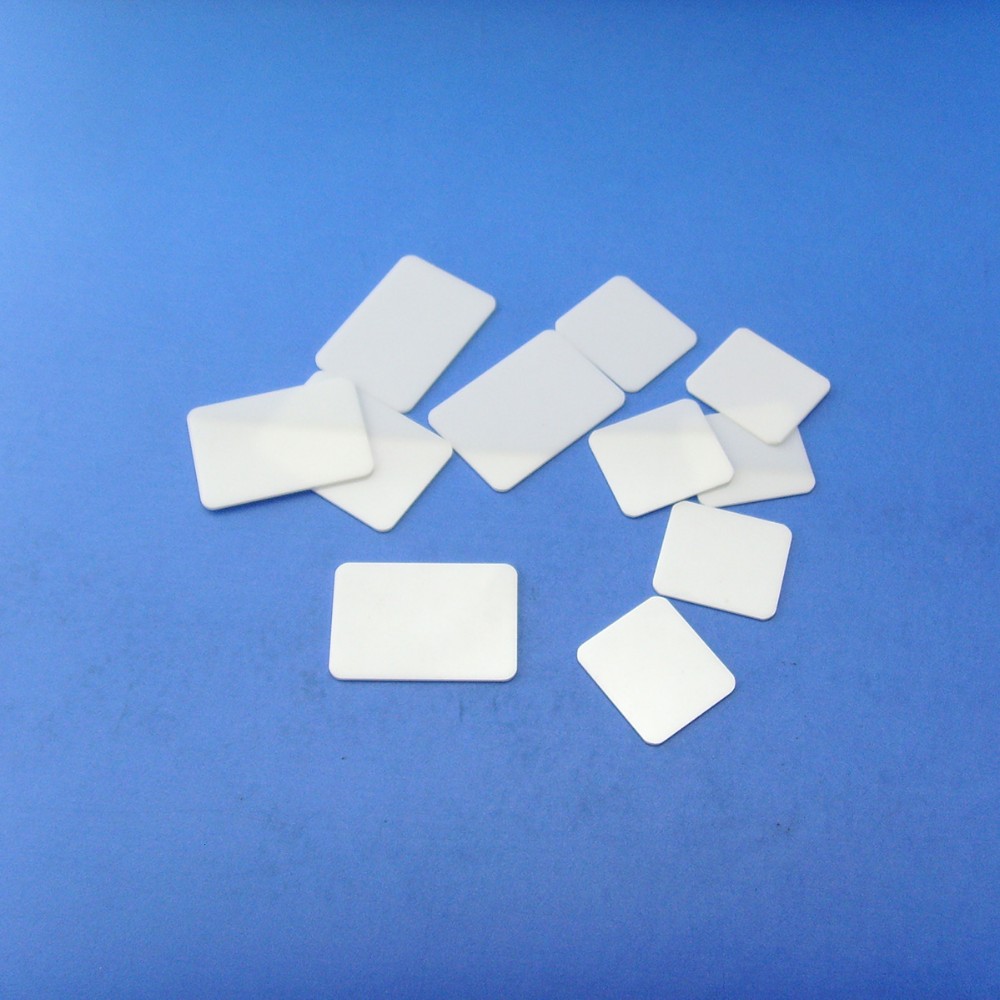
Al2O3 Alumina Ceramic Substrates
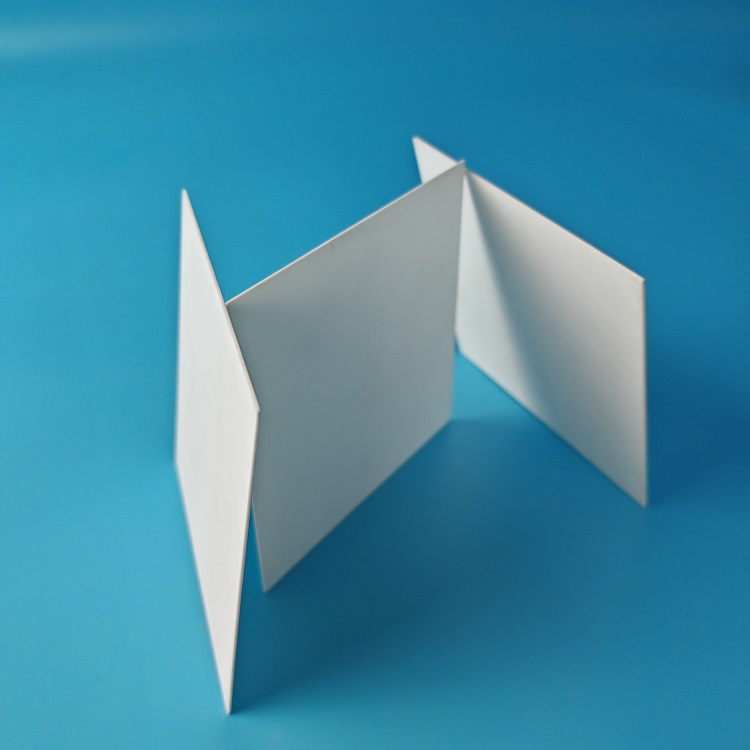
Substrates from 0.1mm thick, with in-house laser cutting, drilling, scribing and marking.
- ShapeCustom
- MaterialAlumina
- Density3.8 g/cm3
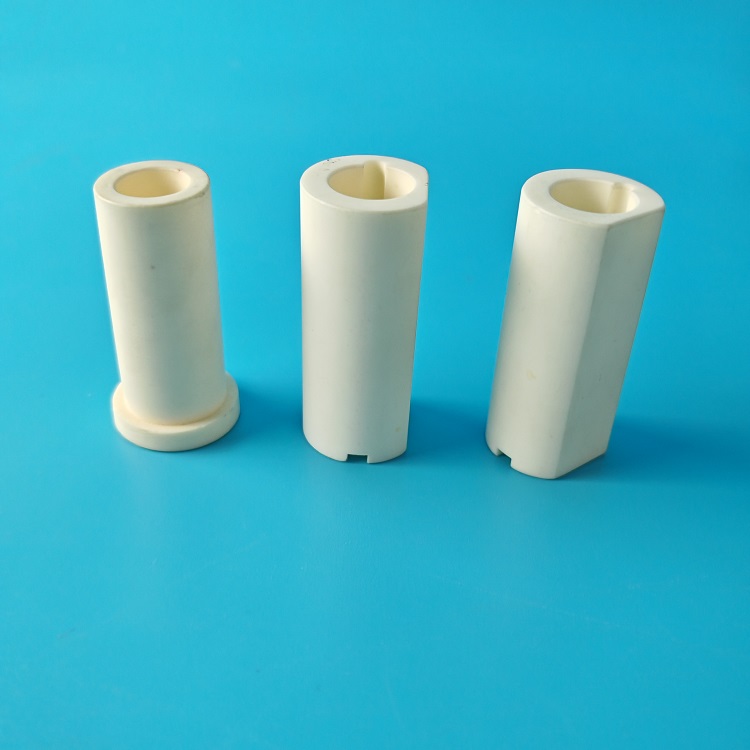
Powder to finished part: preparation, forming, sintering, grinding and CNC machining, and why the order matters for your tolerances.
A ceramic part cannot be machined from stock the way a metal part can. Almost everything that decides the final size happens before the part is hard, and everything that happens after it is hard is slow. Understanding that order is what keeps a drawing quotable.
Every figure quoted above is taken from the property tables published on our own product pages. If your drawing needs a value we do not publish, ask and we will confirm it against the grade we would supply.
Substrates from 0.1mm thick, with in-house laser cutting, drilling, scribing and marking.
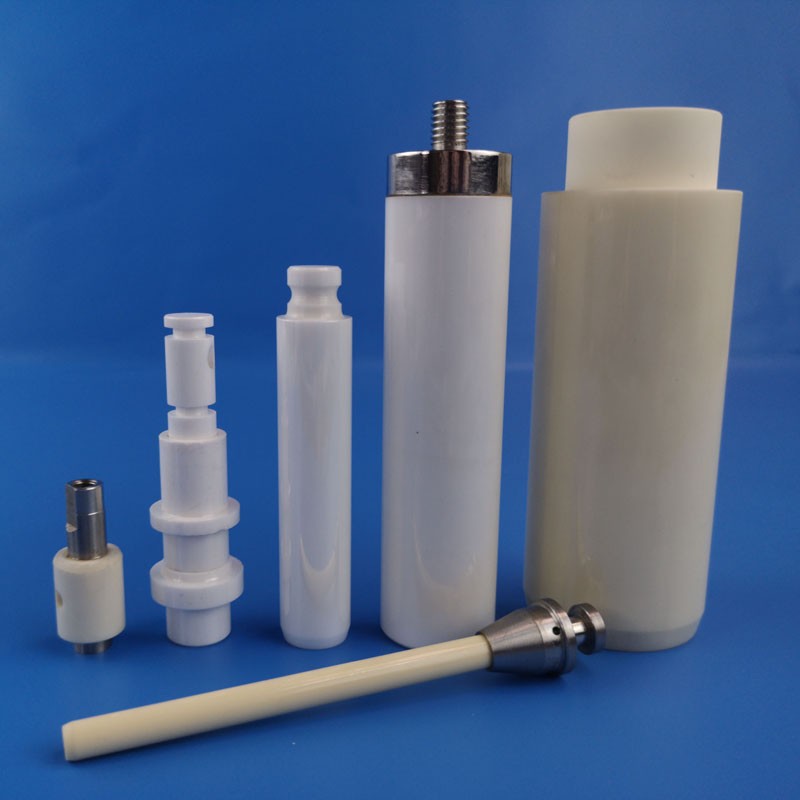
Ground and polished zirconia plungers for dosing pumps and high pressure cleaners.
Injection moulded 99% alumina blanks and finished plates, MOQ 1 piece.
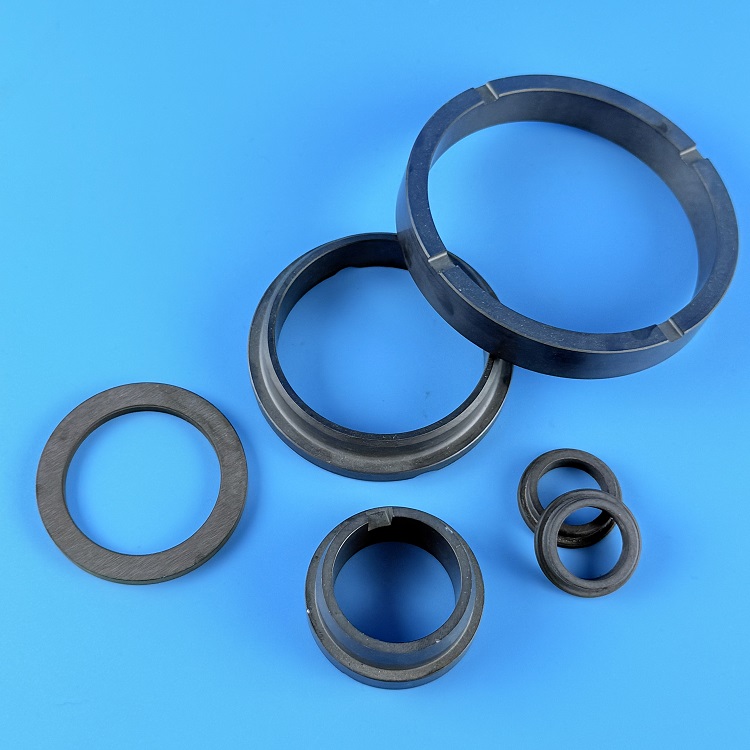
Silicon carbide rings and cylinders held to ±0.005mm.
95% and 99% alumina rings, tubes, substrates and plates for insulation, wear and high temperature service up to 1650C.
See the rangeHigh toughness zirconia parts for wear surfaces that run against metal, fluid or fibre without picking up magnetism or corroding.
See the rangeSample delivery is 4 to 7 working days. Production is 15 to 30 days when the goods are not in stock, according to the dimension and quantity.
We offer the sample free of charge but do not pay the cost of freight.
From raw material preparation, forming, surface grinding, internal and external diameter grinding, to precision CNC machining, all processes are carried out in-house under strict quality control.
Send the drawing and the duty. Samples are free and take 4 to 7 working days.