
Mechanical Versus Electronic Water Timers
Why a two hour mechanical dial still outsells electronics in a garden aisle, and where each one actually belongs.
The Mechanical Timer Has No Failure Mode Outdoors
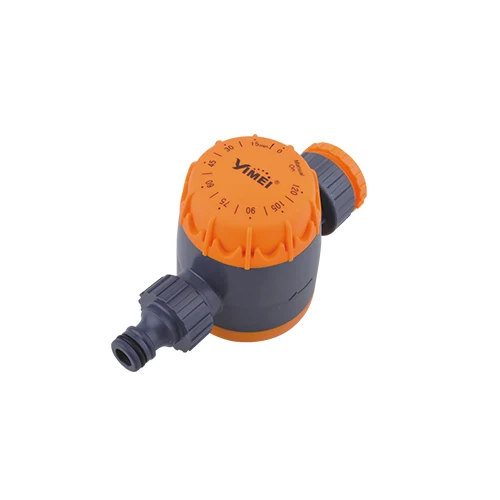
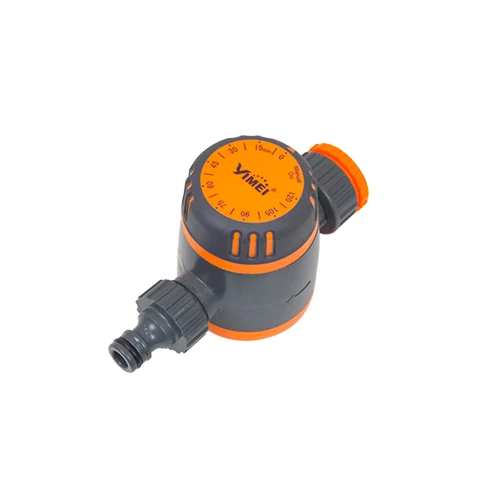
A mechanical tap timer is a wound movement and a valve. There is no battery to go flat in winter, no display to fog up and no firmware. It runs up to two hours, which covers the entire realistic use case of a domestic sprinkler session.
Electronics Buy Scheduling Not Reliability
An electronic timer adds repeat schedules and rain delay. That is genuinely useful for a customer who is away for two weeks. It also adds a battery compartment, a seal that has to survive frost, and a return rate that a mechanical dial does not have. Both products can live on the same wall as long as the shopper understands they solve different problems.
The Timer Is What Makes the Sprinkler Sellable
The reason a mechanical timer belongs next to the sprinklers rather than in a separate irrigation section is behavioural. Customers hesitate over a sprinkler because they are afraid of forgetting it. A cheap dial that shuts the water off removes the objection at the moment it is felt.
Where the Three Way Version Fits
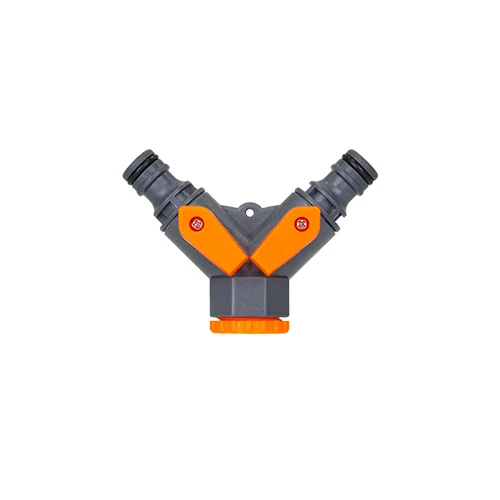
The three way timer combines a tap split with the timer body, so one outdoor tap feeds a timed sprinkler line and a second untimed outlet. For households with one tap, which is most of them, it removes the need to choose between the sprinkler and the hose.
Families This Article Covers
Mechanical Water Timers
3 models. Two hour mechanical tap timers in single outlet and three way versions with a soft coated dial…
Garden Sprinklers
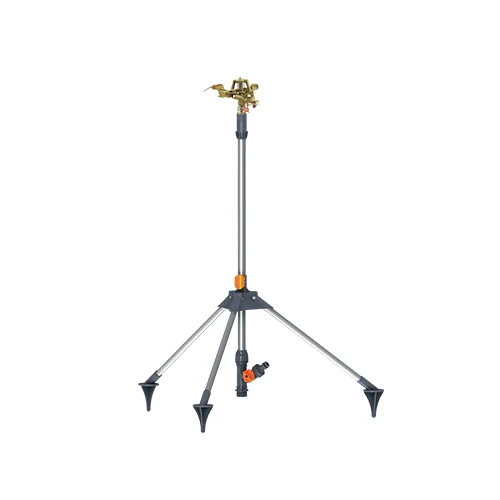
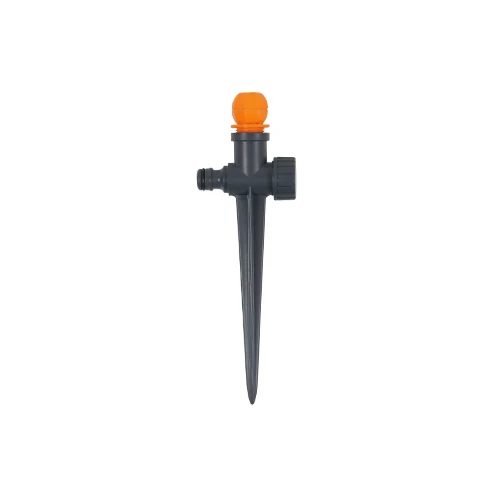
16 models. Impulse oscillating three arm and pattern base sprinklers in metal and plastic with spike wing spike and tripo…
Hose Fittings and Connectors
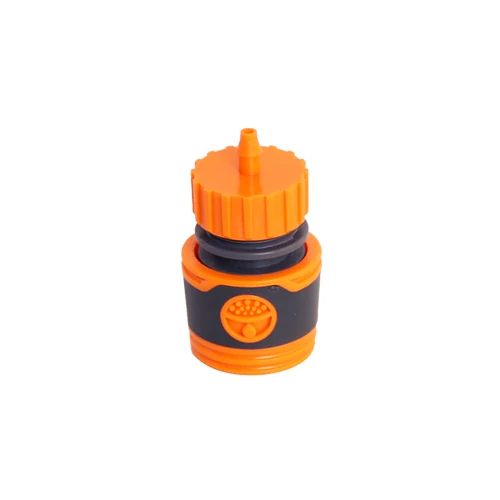
32 models. Quick connectors menders tap adaptors and valves in 1/2 inch 3/4 inch and 1 inch sizes that mate across the wh…
More From the Knowledge Centre
Garden Hose Sizes Explained for Retail Buyers
Why 1/2 inch, 5/8 inch and 3/4 inch are not interchangeable and how hose size decides every other product on your watering wall.
Product GuideHose Connector Types and When to Use Each One
Plain, soft coated, water stop, lock, zinc and metal cap connectors do different jobs. Here is how to place each of them on a retail wall.
Buying GuideHow to Choose a Garden Sprinkler by Lawn Shape
Impulse, oscillating and rotating arm sprinklers each suit a different lawn. Match the mechanism to the shape before you compare prices.
Product GuideSpray Gun Patterns Explained
What seven, eight and nine pattern actually means, which settings customers really use, and how to tier a gun wall.
Buying GuideHose Reel and Cart Capacity Explained
Capacity claims only mean something when they name a hose size. Here is how to read them and how to pick between a reel and a cart.
Buying GuideWater Wand Buying Guide for Container Gardens
Fixed or telescopic, shower head or pattern head. How to pick the wand that matches the customer's plants rather than the customer's hose.
Process GuideReading Carton Data and Planning a Container
CBM, pieces per carton, net and gross weight. What each number is for and how to build a watering container that actually fills.
Process GuideRetail Packaging Formats for Garden Watering Products
Blister card, double blister, colour box, tie on card and plastic shrink. What each format costs you in shelf space and in CBM.
Questions About This Topic
How long do your timers run?
Up to two hours. That is the full range of the dial on all three models.
Do they need batteries?
No. They are entirely mechanical.
Put This Into a Quotation
Send the models you are considering, the volume and the market. We will confirm the specification and the carton data before you price it.