

How to Choose a Garden Sprinkler by Lawn Shape
Impulse, oscillating and rotating arm sprinklers each suit a different lawn. Match the mechanism to the shape before you compare prices.
Rectangular Lawns Want an Oscillating Sprinkler
An oscillating sprinkler sweeps a bar of jets back and forth and lays down a rectangle. Ours uses a fifteen hole bar, which is the usual configuration for a domestic lawn. If the customer's lawn has straight edges against a fence or a path, this is the mechanism that does not waste water on the paving.
Open and Irregular Areas Want an Impulse Sprinkler
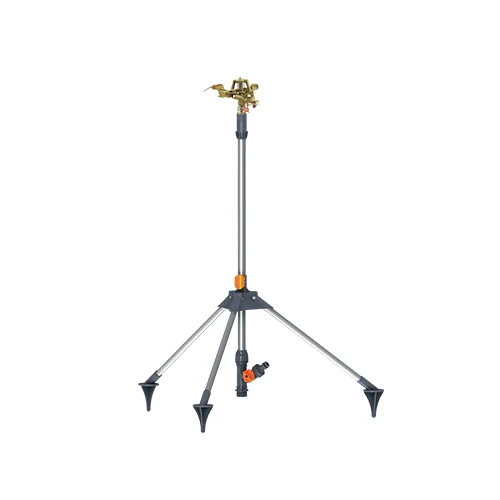
An impulse sprinkler throws a single jet and steps it around in a circle or an arc. It has the longest reach of the three mechanisms, which makes it the choice for paddocks, allotment strips and any area too large for an oscillating bar. It is available here in both plastic and metal heads.
Small Round Areas Want a Rotating Arm
Three arm and ball sprinklers spin under water pressure and cover a modest circle with a gentle pattern. They are cheap, they are quiet, and they are the right product for a small lawn or a new seeded area where an impulse jet would displace the soil.
The Base Matters as Much as the Head
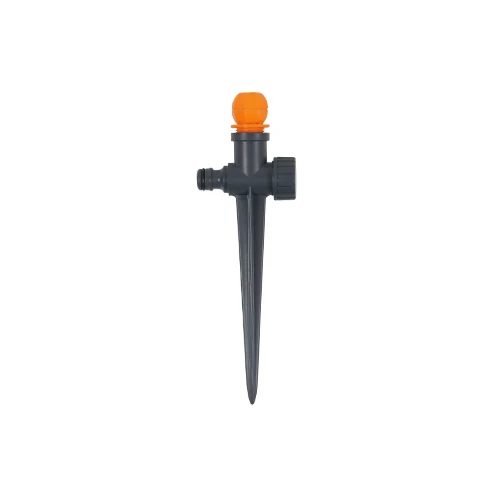
A spike base is only useful if it goes into the ground. On dry or compacted soil a plain spike will not push in by hand, which is why the wing spike models exist, they can be stepped in by foot. Tripod and sled bases sit on the surface and suit stony ground or established lawns where nobody wants to make holes.
Pair the Sprinkler With a Timer
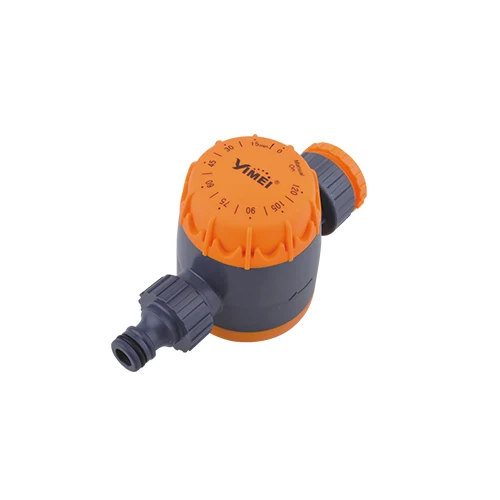
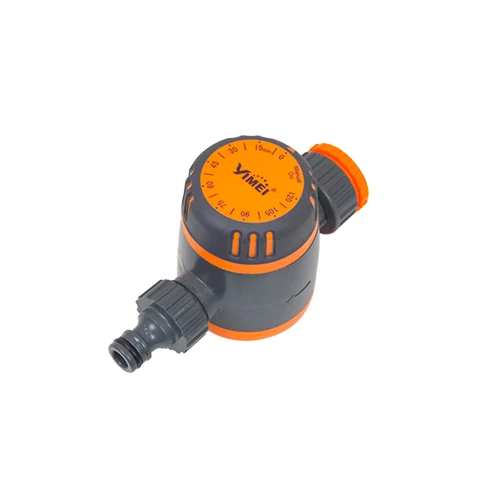
The main reason customers stop using a sprinkler is the fear of leaving it running. A two hour mechanical timer costs a fraction of the sprinkler and removes that objection entirely, which is why the two products belong on the same display.
Families This Article Covers
More From the Knowledge Centre
Garden Hose Sizes Explained for Retail Buyers
Why 1/2 inch, 5/8 inch and 3/4 inch are not interchangeable and how hose size decides every other product on your watering wall.
Product GuideHose Connector Types and When to Use Each One
Plain, soft coated, water stop, lock, zinc and metal cap connectors do different jobs. Here is how to place each of them on a retail wall.
Product GuideSpray Gun Patterns Explained
What seven, eight and nine pattern actually means, which settings customers really use, and how to tier a gun wall.
Buying GuideHose Reel and Cart Capacity Explained
Capacity claims only mean something when they name a hose size. Here is how to read them and how to pick between a reel and a cart.
Buying GuideWater Wand Buying Guide for Container Gardens
Fixed or telescopic, shower head or pattern head. How to pick the wand that matches the customer's plants rather than the customer's hose.
ComparisonMechanical Versus Electronic Water Timers
Why a two hour mechanical dial still outsells electronics in a garden aisle, and where each one actually belongs.
Process GuideReading Carton Data and Planning a Container
CBM, pieces per carton, net and gross weight. What each number is for and how to build a watering container that actually fills.
Process GuideRetail Packaging Formats for Garden Watering Products
Blister card, double blister, colour box, tie on card and plastic shrink. What each format costs you in shelf space and in CBM.
Questions About This Topic
Which sprinkler has the longest reach?
The impulse type. It concentrates the flow into one jet and steps it around, which carries further than a bar or a rotating arm.
Is a metal impulse head worth the price difference?
For customers who water the same area every week, yes, because the metal head holds its aim better under pressure. Most walls should carry both so the customer can choose.
Put This Into a Quotation
Send the models you are considering, the volume and the market. We will confirm the specification and the carton data before you price it.