Direct Drive Torque Motor vs Servo Motor With Gearbox
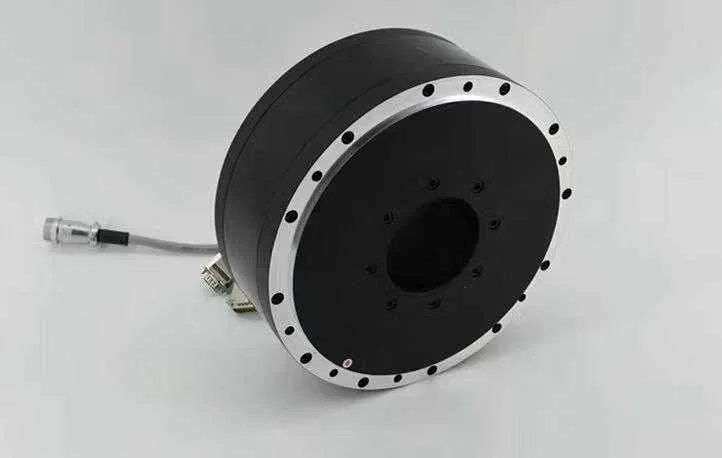
Engineers choosing between a direct drive torque motor and a servo motor with gearbox must weigh accuracy, cost, maintenance, and mechanical constraints. A torque motor couples the load directly to the rotor, eliminating gear backlash, belt stretch, and intermediate wear parts. The encoder measures the load position directly, which improves repeatability and settling speed. This setup is ideal for high-accuracy indexing, fast settling, clean-room environments, and high-duty cycles. However, it requires a stiff machine frame and may need larger mounting bolts. A servo motor with gearbox reduces the required motor size and cost for a given output torque. It is suitable where process tolerance limits accuracy, or where budget is a constraint. But it introduces backlash, lost motion, and periodic maintenance for the gearbox. Both options support through-hole bores for cabling, and inertia matching is critical in both cases. Cooling and mounting stiffness must be verified for the selected solution.
When to Choose a Torque Motor
Use a direct drive torque motor when the application demands zero backlash, high repeatability, and fast settling. Ideal for precision index tables, rotary stages in semiconductor or medical equipment, and high-speed indexing in packaging lines. The absence of intermediate components reduces wear and maintenance. The encoder reads the actual load position, which improves control stability. This solution is preferred in clean-room environments where oil-free operation and minimal particulate generation are required. However, the machine frame must be rigid enough to prevent deflection under load, and the motor may require larger mounting hardware.
When to Choose a Servo Motor With Gearbox
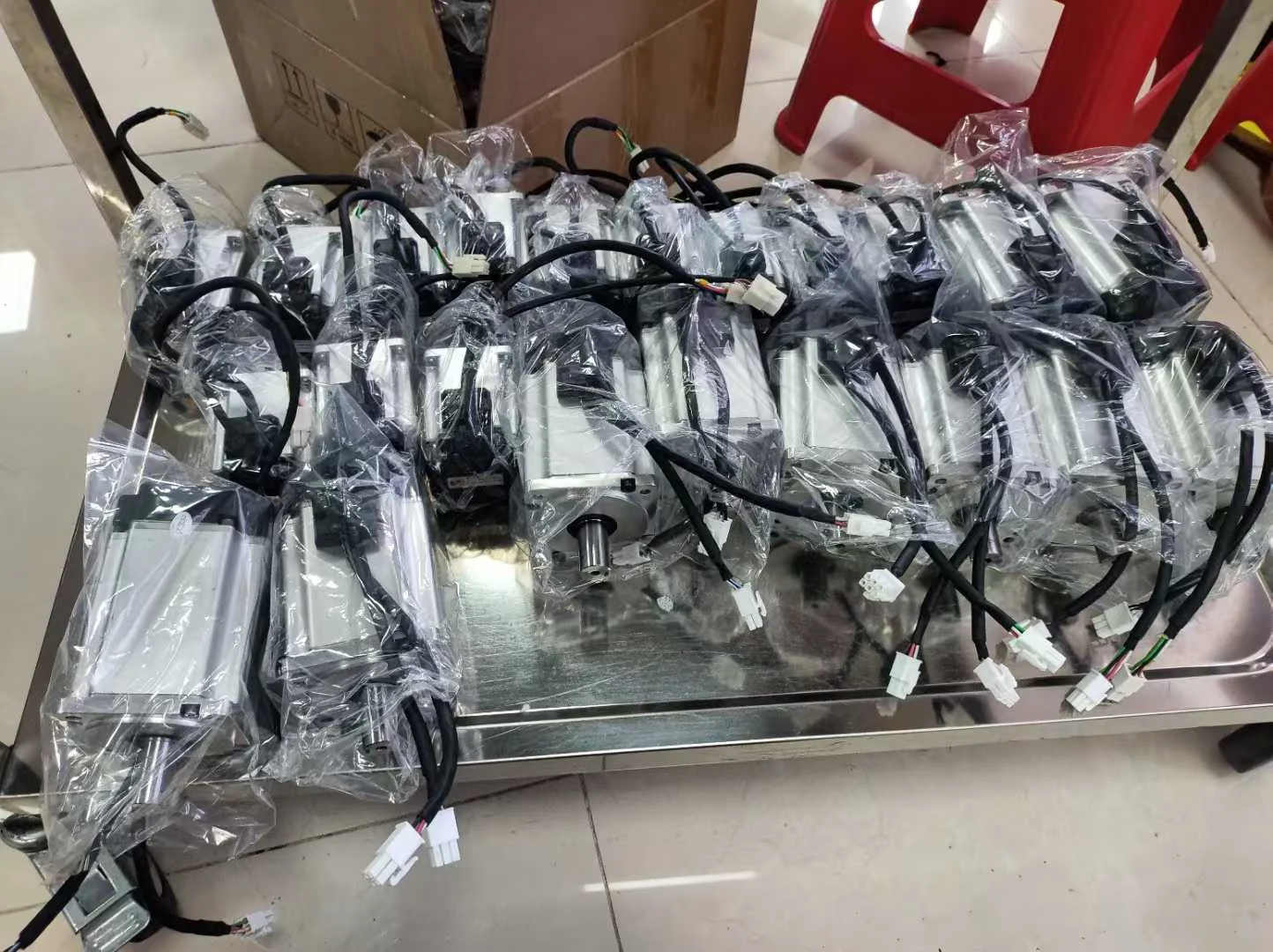
Choose a servo motor with gearbox when the required torque can be achieved at a lower cost using a smaller motor. This is common in applications where process tolerance allows for some positional error, such as material handling, simple conveyors, or low-precision indexing. The gearbox multiplies torque, reducing the motor size and electrical load. It is easier to retrofit into existing machines with limited space. However, backlash and lost motion are inherent, and the gearbox requires periodic lubrication and inspection. The system is more sensitive to misalignment and mounting stiffness. It is less suitable for high-duty or clean-room applications.
Key Design Considerations
Both solutions require proper inertia matching between the motor and the load. A mismatch leads to poor acceleration and instability. Through-hole bores are available on both types for routing cables through the shaft. Cooling must be considered: torque motors generate more heat at the rotor and may need forced air or liquid cooling. Mounting stiffness is critical for torque motors; a flexible frame causes position error. For servo-gearbox systems, backlash must be compensated in the control loop. The encoder feedback type must match the drive. Both options are available in multiple flange sizes and shaft configurations. Confirm dimensions against the machine drawing before ordering.