The Structural Difference
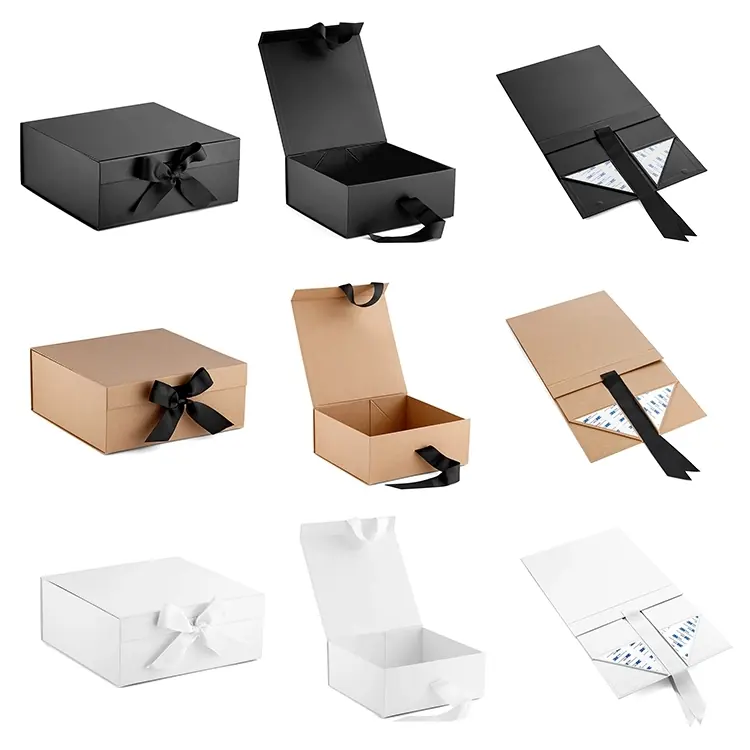
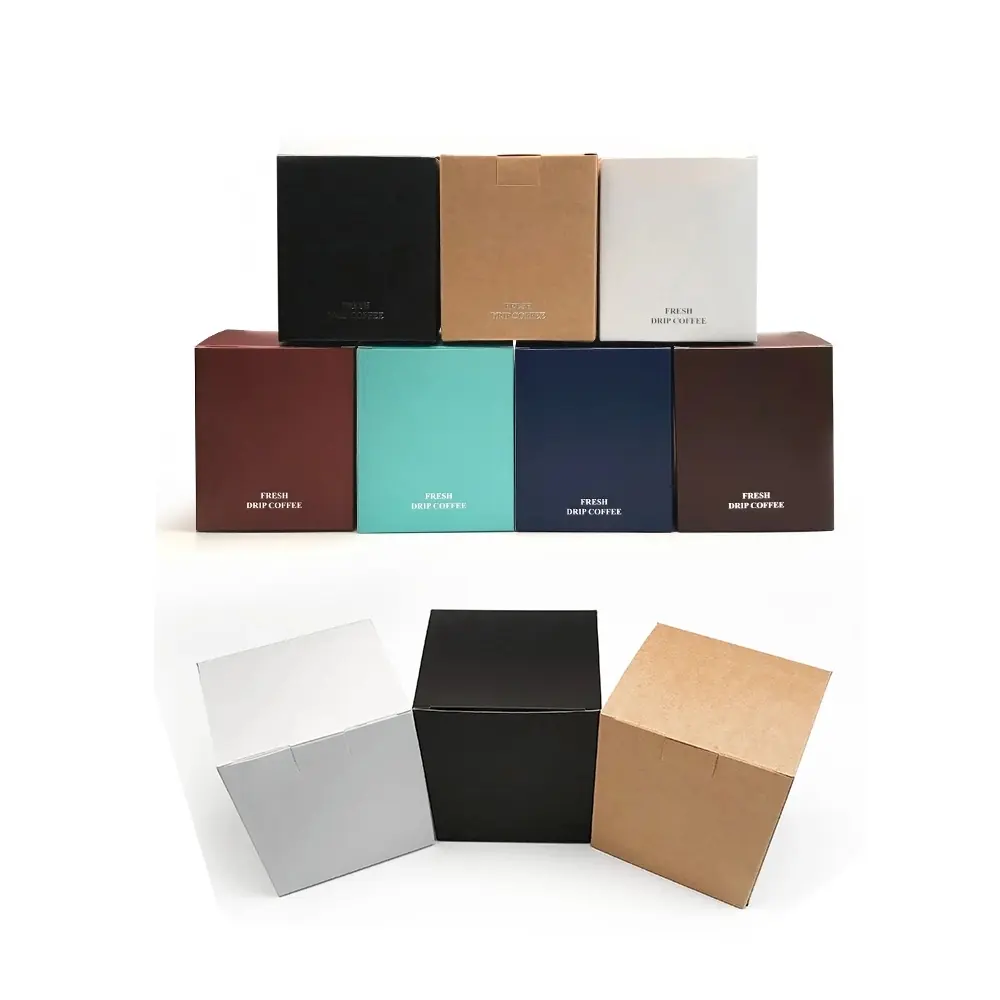
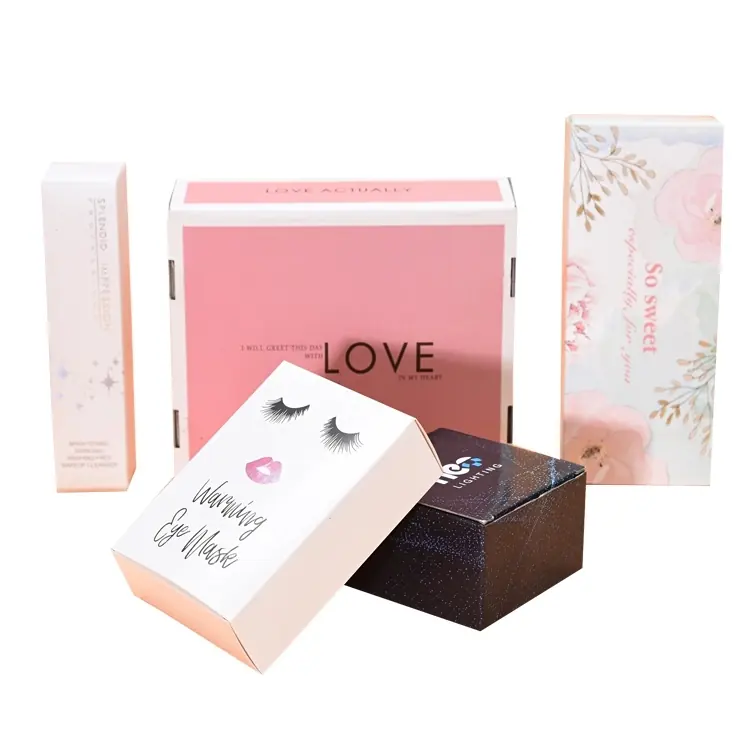
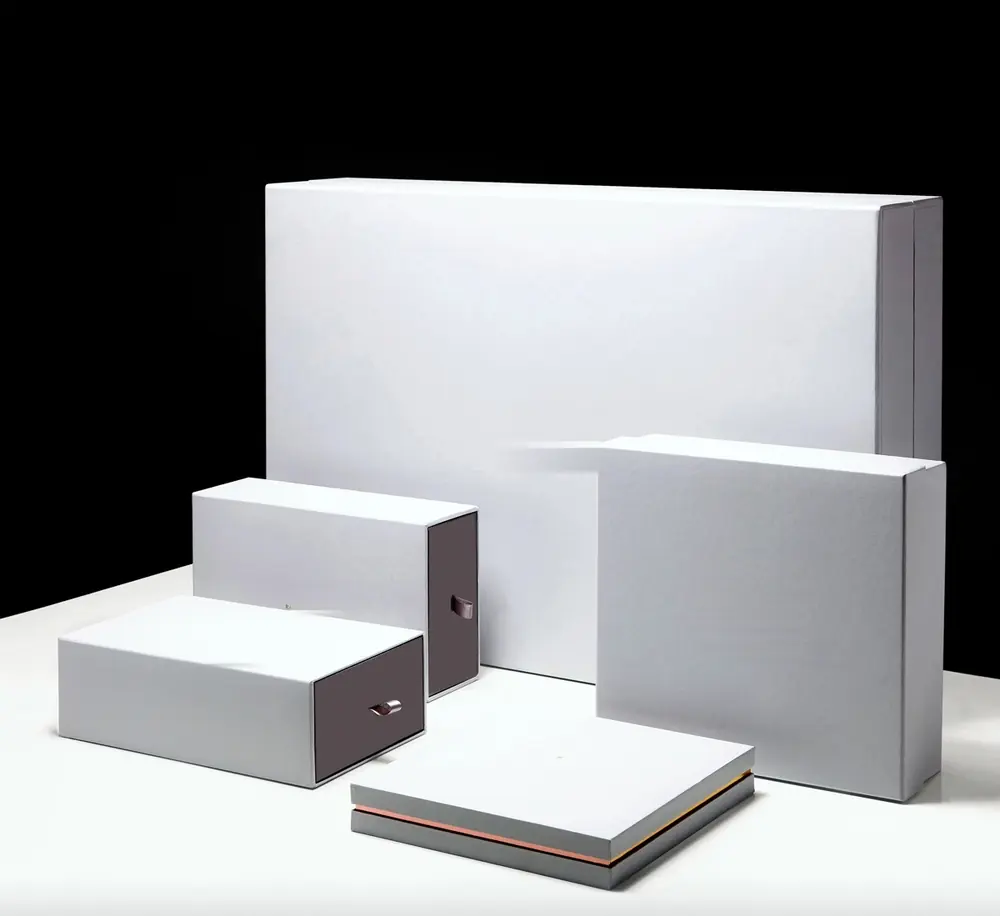
A folding carton is a single sheet of board, printed, die cut, creased and glued at one seam. It arrives flat and is erected at the point of filling. A rigid box is greyboard cut into panels, formed into a shell, then wrapped with a separately printed and finished sheet of paper. It does not fold flat unless it has been specifically engineered as a collapsible structure.
Cost Shape
Folding cartons are cheap per unit and cheap to ship, because they stack flat. Rigid boxes cost more per unit because there are more operations, and cost more to ship because a fixed shell is mostly air. That gap narrows if the rigid box is built collapsible, which is worth asking for whenever the freight leg is long.
Lead Times And Samples
- Rigid box samples take 3 to 5 days. Production takes 10 to 15 days based on quantity.
- Folding carton plain samples are free within 7 days with freight paid by the customer. Production takes 10 to 15 days subject to quantity.
- A printed rigid box sample with an insert tray is charged, usually around USD 300 including the insert tray mould, and normally refunded on orders above 10,000 pieces.
Minimums
Folding cartons run from as low as 100 pieces, which is what makes them the right format for a start up SKU or a market test. Rigid boxes are quoted against the structure, because the labour content varies enormously between a simple lid and base and a hand made magnetic book box.
The Questions That Actually Decide It
- Does the customer keep the box after opening it? If yes, rigid earns its cost. If no, a folding carton with good print does the same job.
- Is the pack filled on an automatic line? Folding cartons run on a cartoner. Rigid boxes are hand packed.
- How far does the empty pack travel before it is filled? Long inbound legs push hard toward flat shipping.
- Does the product need to be held in position? Both take inserts, but rigid boxes carry deeper trays.
- How many SKU versions share the structure? Many versions favour a folding carton, where only the print changes.
A Hybrid That Often Wins
A folding carton for the everyday SKU and a rigid box for the gift set and the launch edition. One structure family, two tiers, and the premium cost only lands on the units where the customer will actually notice it.