Four Print Processes And Where Each One Wins
Offset
Offset is the volume process for paper and board. We run a maximum tone of 170 line, 200 line or higher, with FM staccato hybrid screening for higher definition and better colour. Its economics improve with quantity because the plate and make ready cost is spread across the run, and it holds Pantone spot colours precisely.
Digital
Digital printing has no plate cost, so it wins on samples and on short run versions. On a campaign with thirty designs and small quantities of each, digital removes thirty plate sets from the bill. It is also what makes a printed mock up available quickly.
Gravure
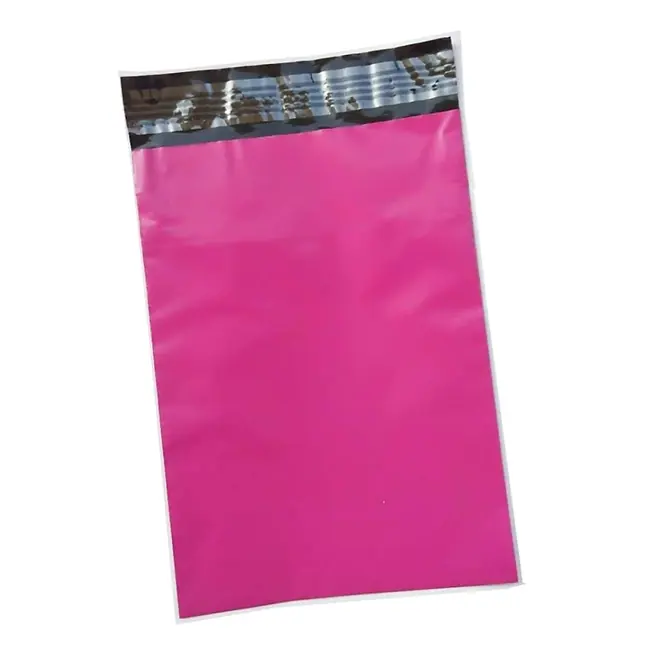
Gravure is the process for plastic film. It lays a heavy, even solid onto a non absorbent surface, which is why plastic carrier bags are gravure printed. Cylinder cost means it is a volume process, and on our plastic bag line the practical limit is one colour.
Silk Screen
Screen printing puts a thick ink film onto surfaces that offset cannot reach, including cloth hardcover and other textured substrates. It is slow but it will print opaque white on dark stock, which the other processes struggle with.
Finishing, In The Order It Happens
- Lamination, matt or glossy, applied to the printed sheet before die cutting. Protects against scuff and changes the colour.
- Varnishing, matt or glossy, and UV varnishing across the whole sheet.
- Spot UV, a gloss varnish applied only where the artwork calls for it, which needs its own file layer.
- Aqueous coating, a water based seal usually used to stop wet ink setting off.
- Hot stamping in gold, silver, black or other foil colours, applied with a heated die.
- Embossing and debossing, which raise or sink the surface with a matched die pair.
- Glitter, frosting and hologram effects on specialty jobs.
What Each Finish Demands From The Artwork
Spot UV needs a separate 100% black layer showing exactly where the varnish sits, registered to the artwork. Foil stamping needs the same, plus a minimum stroke width, because thin foil lines break up. Embossing needs a shape with enough area to hold the impression, so fine serif type embosses badly and a solid logo mark embosses well.
All three add a pass through the factory, which adds days. On a five day signage job there is usually no room for foil. On a fifteen day rigid box there is.
Where Foil And UV Should Not Go
Keep foil off fold lines and hinge lines. Foil is a metal layer sitting on the surface, and when the substrate bends the foil cracks. On a rigid box wrap this shows up along the lid hinge within a few open and close cycles. The same applies to heavy spot UV over a crease.
Colour Control Across A Job
Colour is checked on press with an X-Rite printing densitometer, and printed sheets also go through ink abrasion, scratch, high and low temperature degradation, quantity and barcode checks. On a multi item campaign, agree a single colour reference at the start. Items printed on different stocks with different finishes will not match unless one reference governs them all.