
Fluid-control products — valves, fittings, hoses, hydraulic pumps and cylinders, pneumatic components — are a staple of China's industrial exports. Tianjin and Wenzhou have large valve clusters, Yuhuan in Zhejiang is known for brass valves and fittings, Yueqing for pneumatic components, and Hebei and Shandong for hoses and couplings. Buyers range from water utilities and HVAC contractors to mining fleets and shipyards.
What these products share is that failure means leakage under pressure. The core of a good sourcing process is therefore not the price negotiation but agreement on pressure ratings, materials, tests and documents, and evidence that they were actually carried out on your batch.
Specify pressure ratings the right way
Pressure ratings in quotes are frequently ambiguous. Always state:
- Standard system: PN (EN 1092 / ISO) or ASME Class (150, 300, 600...). They are not interchangeable one-to-one.
- Rated working pressure at temperature. A PN16 ductile-iron valve is not rated for 16 bar at every temperature; ratings fall as temperature rises.
- End connections with their standard: flange drilling (EN 1092-1 PN16, ASME B16.5 Class 150), thread type (BSP parallel, BSPT, NPT), or hydraulic fittings (JIC 37°, ORFS, DIN 24° cone, SAE flange).
- For hydraulic hoses: SAE 100R or EN 853/856/857 designation, working pressure, burst pressure (normally 4:1 safety factor for hydraulic hose), and minimum bend radius.
Suppliers listed on CifyChina cover many of these families: MIC Valve lists butterfly, gate and check valves; General Ball Valve lists brass ball valves, gas valves and fittings; BETRE Automation lists pneumatic cylinders, valves and grippers; Jason lists layflat, fire and industrial hoses with couplings; PFS Manufacturing Co., Limited lists hoses and couplings; and SEIMT Hydraulics focuses on hydraulic pump parts and remanufactured pumps. Our existing buyer's guides to Industrial Valves from China — Gate, Globe, Ball, Butterfly & Check Wholesale Buyer's Guide, Industrial Hoses from China — PVC Layflat, Fire, Suction & Specialty Wholesale Guide and Hydraulic Piston Pumps from China — A B2B Buyer's Guide (Models, Specs, Prices) cover those product ranges in depth.
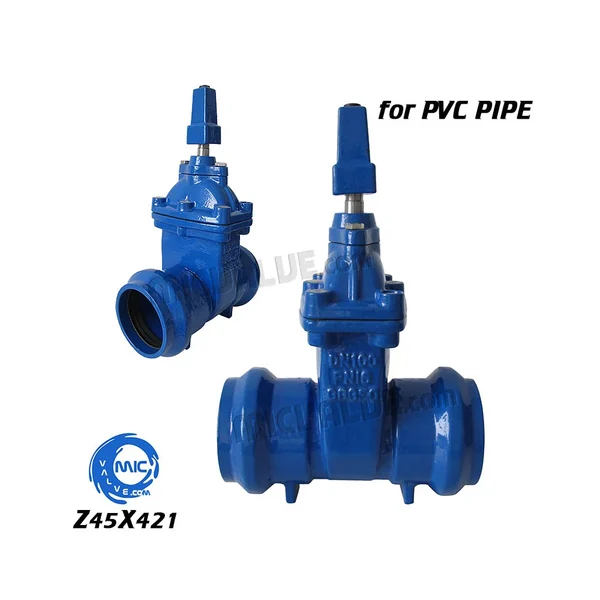
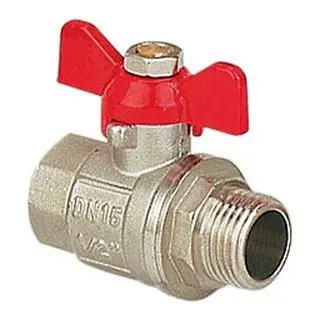
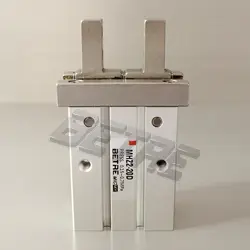

Product photos are taken from the supplier listings on CifyChina and link to each supplier's page. They illustrate the product type discussed; they are not an endorsement of any specific item.
Tests every valve order should mention
Standard valve pressure tests (for example per EN 12266-1, API 598 or ISO 5208) include:
| Test | What it checks | Typical requirement |
|---|---|---|
| Shell (body) test | Body and bonnet integrity | Hydrostatic at about 1.5 × rated pressure, no visible leakage |
| Seat (closure) test | Leak-tightness across the closed seat | At about 1.1 × rated pressure; allowable leakage rate by class (e.g. Rate A = no visible leakage) |
| Backseat test | Stem sealing (gate/globe valves) | Where applicable |
| Low-pressure air seat test | Soft-seated valves | Typically 4–7 bar air |
| Operational test | Opening/closing torque, actuator function | Per datasheet |
Ask the supplier which standard it tests to, whether every valve is tested or only a sample, and for the test record for your batch — ideally with valve serial numbers. For critical services, arrange witnessed testing by your inspector.
Materials: body, trim and seals
A valve or hydraulic component is only as good as its weakest material:
- Body: ductile iron (EN-GJS-400/500), carbon steel (WCB), stainless (CF8/CF8M), bronze or brass. Ask for mill certificates per EN 10204 3.1 for pressure-retaining parts — see Verifying Mill Test Certificates for Steel from China.
- Brass: for drinking water, lead-free or low-lead alloys and approvals such as NSF/ANSI 61 & 372, WRAS or ACS are required in many markets. Dezincification-resistant (DZR) brass matters in aggressive water.
- Trim: stem and disc materials (stainless 410/420 vs 304/316) determine corrosion resistance.
- Seals and liners: EPDM for water, NBR for oils, FKM for higher temperature and chemicals, PTFE for broad chemical resistance. A mismatched elastomer is a frequent cause of early failure.
- Hydraulic cylinders: rod material and chrome thickness, bore honing finish, seal brand.
Hydraulic cleanliness
Hydraulic pumps, valves and cylinders are sensitive to contamination. Specify a target cleanliness code (for example ISO 4406 18/16/13 or cleaner for servo valves), ask how components are flushed and capped before packing, and require plugged ports. Remanufactured pumps should come with a test-bench report showing flow and pressure at rated speed.
Pneumatic components
For pneumatic cylinders, valves and grippers, confirm the standard (ISO 15552 for profile cylinders, ISO 6432 for mini cylinders, VDMA / ISO 5599 for valves), port threads (G vs NPT), operating pressure range, and whether sensors or magnets are included. Many Chinese pneumatic products are designed as dimensional equivalents of well-known brands — confirm interchangeability of mounting and fittings rather than assuming it.
Hoses and couplings
Hose failures often occur at the coupling rather than the hose body. Ask:
- Whether couplings are crimped or banded, and with what equipment and crimp specification.
- Burst test results for assembled hose, not only the bare hose.
- For fire hose, the applicable standard (e.g. BS 6391, EN 14540, NFPA 1961) and test certificates.
- For layflat and suction hose, the material (PVC, TPU, NBR/PVC blend) and UV resistance for outdoor use.
Documentation checklist
Before shipment, request and review:
- Commercial invoice and packing list with model codes matching your purchase order.
- Pressure test reports per batch (shell and seat for valves; burst/proof for hoses; bench test for pumps).
- Material certificates (EN 10204 3.1) for pressure-retaining parts.
- Drinking-water or gas approvals where applicable, with model coverage.
- Dimensional reports for end connections.
- Marking: body markings with size, pressure class, material and heat number — required by many valve standards.
- Declaration of conformity (e.g. PED for EU where applicable).
Pre-shipment inspection
A practical inspection covers marking verification, dimensional checks on flanges and threads, random re-testing of a small sample on the factory's test bench while your inspector watches, operation checks, coating thickness and visual defects, and packaging (end caps, flange protectors, moisture protection). For large projects, combine this with the approach in Factory Acceptance Testing for Machinery from China.
Questions to send every supplier with your RFQ
Copy these into your first message so that every quote comes back on the same basis:
- Which standard do you design and test to (EN 12266-1, API 598, ISO 5208, ISO 1436 for hydraulic hose, ISO 15552 for pneumatic cylinders)?
- Is pressure testing 100% or by sample, and will you provide batch test records with serial numbers?
- What are the body, trim and seal materials for each item, and can you provide EN 10204 3.1 certificates for pressure-retaining parts?
- Which approvals do you hold (NSF/ANSI 61, WRAS, ACS, PED, CE, fire-service listings), and which exact models are covered?
- What are the standard lead time, MOQ per model and warranty period?
- How are products protected for shipping — flange covers, port plugs, VCI, crate type?
- Can our inspector witness testing, and how much notice do you need?
A supplier that answers all seven questions clearly and quickly is usually a supplier that controls its own production. Vague answers — "all tested", "good quality material", "certificate available" without a copy — should be followed up before any deposit is paid.
Landed-cost thinking
Valves and hydraulic parts are heavy relative to their volume, so a full container is usually weight-limited. When comparing Chinese quotes with local stock prices, include freight, duty, inland transport, inspection fees and the working capital tied up in stock. Cast-iron and steel products may also face anti-dumping or safeguard duties in certain markets — check your tariff code before ordering.
Frequently asked questions
Are "Honeywell-compatible" or "Parker-equivalent" parts legal to buy? Buying functional equivalents that reference an original part number for fit is common. What is not acceptable is products carrying another company's trademark without authorisation. Specify your own brand or the manufacturer's brand.
Can I get small quantities? Standard catalogue valves and fittings are often available in small quantities; special materials, sizes or approvals raise MOQs. Remanufactured hydraulic pumps are usually sold per unit.
How much should I inspect? For standard water valves, a sampling inspection with re-testing is usually sufficient. For oil and gas, fire protection and marine applications, require 100% testing with records and consider witnessed testing.
Have a similar requirement? Send the specification or drawing on WhatsApp and we will match it against the suppliers in the directory.