
When you buy a machine from China — a packaging line, a bag-making machine, a laser cutter, a grinding machine — the moment of greatest leverage is before it leaves the factory. Once the machine is crated and the balance is paid, fixing problems means long-distance calls, flights for engineers and weeks of lost production. A properly planned factory acceptance test (FAT) moves problem-solving to the supplier's floor, where parts, engineers and tools are close at hand.
What a FAT is, and what it is not
A FAT is a documented test of the complete machine at the supplier's factory, using agreed materials and criteria, before shipment. It proves that the machine meets the contract specification: output, quality of the product produced, safety, and documentation. It is not a quick video of the machine running empty — which is what many buyers accept by default.
A site acceptance test (SAT) at your facility after installation complements the FAT; together they define when the machine is considered accepted.
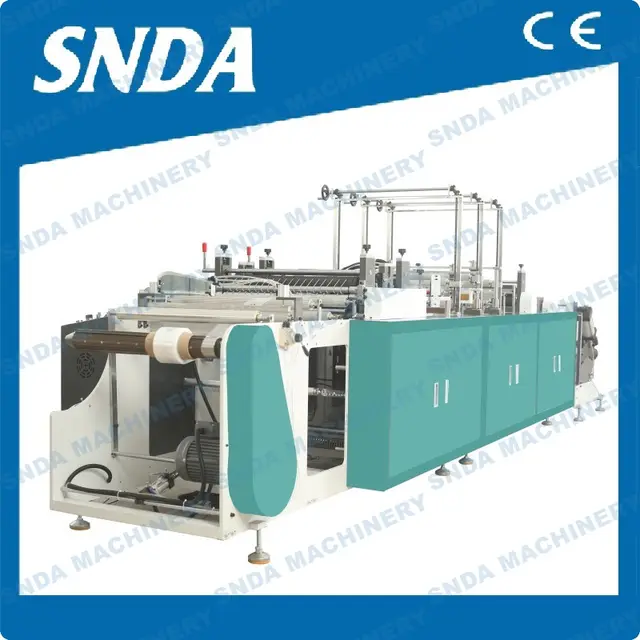
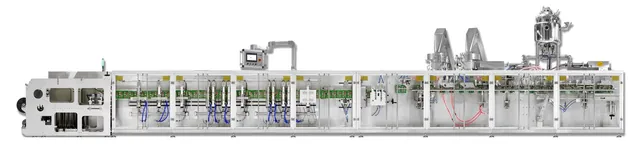
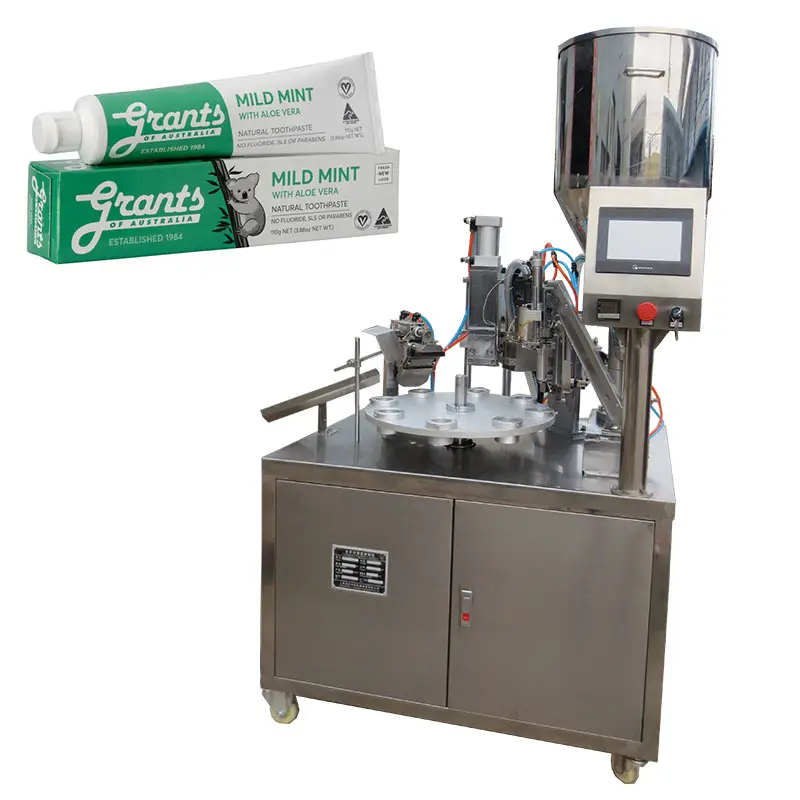
Product photos are taken from the supplier listings on CifyChina and link to each supplier's page. They illustrate the product type discussed; they are not an endorsement of any specific item.
Put the acceptance criteria in the contract
The FAT can only test what the contract specifies. Before signing, define:
- Output: e.g. bags per minute, pouches per minute, kg per hour, parts per shift — at a stated product size and material.
- Product quality: dimensional tolerance, seal strength, fill-weight accuracy (e.g. ±1% at 500 g), cut quality, surface finish.
- Efficiency: acceptable stoppage rate during the test run.
- Changeover time between sizes, if relevant.
- Utilities: voltage, frequency, phase, compressed air pressure and consumption — matched to your plant.
- Components: brands of PLC, HMI, servo drives, pneumatics, bearings and critical parts.
- Safety and compliance: guards, interlocks, emergency stops, CE marking with a Declaration of Conformity for the EU, or the standards required in your market.
- Documentation: manuals, electrical diagrams, PLC program backup, spare-parts list.
Plan the test materials
Machines must be tested with your materials, or materials matching your specification. A bag machine tested with the factory's ideal film may fail on your local film; a filling machine tested with water behaves differently with viscous cream. Ship samples of your film, paper, powder, liquid or blanks to the factory in advance, and agree who pays for consumables.
Running the FAT: a practical sequence
- Documentation review: check the machine against the contract — model, component brands, serial numbers, nameplate data.
- Visual and mechanical inspection: build quality, welding, paint, wiring neatness, cable labelling, guard fit, lubrication points.
- Safety checks: emergency stops on every station, guard interlocks, earthing, warning labels in the right language.
- Dry run: all functions in manual mode, then automatic mode without material.
- Production run: run with your materials at the specified speed for an agreed duration — typically at least 1–4 continuous hours for packaging machines, longer for complex lines.
- Product measurement: sample output at intervals and measure against criteria (weights, dimensions, seal strength).
- Changeover test: time a format change if relevant.
- Punch list: record every deviation, agree fixes and deadlines, and decide whether a re-test is needed.
Record video of the full test and keep samples of the product produced.
Remote FAT
Many buyers cannot travel to China for every machine. Remote FATs by live video work if they are structured: a written test protocol in advance, a fixed camera on the output, a second handheld camera for close-ups, measurements performed on camera, and a third-party inspector on site to witness and sign the report. Several inspection companies offer FAT witnessing services in major Chinese industrial regions.
Category-specific points
- Packaging machinery (pouch packing, filling, sealing): fill accuracy, seal integrity (burst or leak test), film tracking, date coder integration. BOEVAN Packaging Machinery (Shanghai) lists pouch packaging machines, Shanghai Biaozan Industrial lists tube filling and sealing machines, and Snda Machinery lists bag-making and converting machines. Our existing guides include Packaging Machinery Sourcing & Factory Audit — A Capital Equipment Buyer's Decision Framework and Paper Bag Making Machines from China — A Capital Equipment Buyer's Guide.
- Laser machines (cutting, cleaning, marking): laser source brand and power verification with a power meter, cutting quality on your material thickness, fume extraction, laser safety enclosure and certification. Jinan Weihua Machinery and KlearLaser list laser cutting and laser cleaning machines.
- Machine tools and grinders: geometric accuracy tests, spindle run-out, repeatability, test cuts on your part. WUK Machinery (China) lists surface and centerless grinding machines. The How to Vet a CNC Machining Supplier in China guide explains how to measure parts.
Spare parts, tools and training
Agree before FAT which spare parts ship with the machine — wear parts for the first one to two years of operation, such as heating elements, cutting knives, seals, belts, sensors and fuses. Check them against the list during FAT. Confirm whether installation and training are included, how many days, in which language, and who pays travel costs.
Packing for export
After a successful FAT, packing protects the result:
- Drain liquids, secure moving parts, protect precision surfaces with rust inhibitor.
- Vacuum-pack or wrap the machine with desiccant; use fumigated or ISPM-15 treated wooden crates.
- Mark crates with centre of gravity and lifting points; photograph the packing.
- Confirm container loading and lashing for heavy machines.
Linking payment to FAT
A common structure is 30% deposit, 60–65% after successful FAT and before shipment, and 5–10% after SAT or a defined period after arrival. Even when the supplier resists a retention, insisting that the pre-shipment balance is due only after a signed FAT report gives you meaningful leverage. See First China Order: Incoterms, Payment Terms and Deposit Protection for payment instruments.
A FAT report template
Whether you attend in person or remotely, record the FAT in a structured report that both parties sign:
| Section | Content |
|---|---|
| Identification | Machine model, serial number, contract number, date, attendees |
| Documentation check | Components vs contract, manuals, drawings, CE/DoC |
| Safety | E-stops, interlocks, guarding, labels — pass/fail per item |
| Performance | Speed achieved, run duration, stoppages, output quality measurements |
| Punch list | Each deviation, responsible party, deadline |
| Conclusion | Accepted / accepted with punch list / rejected, signatures |
Attach the video, photos and measurement data. This document becomes the reference if a dispute arises later.
Common FAT findings
Across machine categories, FATs most often uncover the same issues: component brands substituted from those in the contract (for example a different PLC or servo brand), wiring and control cabinets built to a lower standard than expected, missing guards or interlocks required for CE, speed achievable only with the factory's ideal material, and incomplete documentation — particularly electrical diagrams and PLC backups. Every one of these is far easier to fix at the supplier's factory than after the machine arrives. Treat the FAT as the last point at which you have full leverage, and do not let schedule pressure turn it into a formality.
Frequently asked questions
How long should a FAT take? From half a day for a simple machine to several days for a complete line. Plan the duration in the contract.
What if the machine fails the FAT? Record the failures, agree corrective actions and a re-test date, and do not pay the pre-shipment balance until the re-test is passed.
Is a FAT worth it for a small machine? Even for small machines, a structured video FAT with your materials is cheap insurance.
Have a similar requirement? Send the specification or drawing on WhatsApp and we will match it against the suppliers in the directory.