
Custom machined parts are one of the most common things foreign buyers try to source from China, and also one of the easiest to get wrong. A CNC shop can quote from a drawing in a day, but whether the parts that arrive match that drawing depends on decisions you make long before the purchase order: how complete your RFQ package is, which shop you choose, and what you ask to see before mass production starts. This guide walks through the vetting process we recommend to buyers who contact CifyChina with a STEP file and a deadline.
Start with a quotable RFQ package
Most bad machining outcomes start with an incomplete RFQ. A Chinese shop will almost always quote whatever you send, and gaps get filled with the cheapest reasonable assumption. Before you contact any supplier, assemble a package that answers every question a process engineer would ask:
- 3D model (STEP or IGES) plus a 2D PDF drawing. The 3D file drives programming; the 2D drawing is the legal definition of the part. Tolerances, surface finish, thread callouts and datums belong on the 2D drawing, not in an email.
- Material by standard and grade, e.g. "6061-T6 aluminium per ASTM B221" or "304 stainless per ASTM A276". "Aluminium" or "stainless" is not a specification.
- General tolerance standard (for example ISO 2768-mK) and the specific tight tolerances that actually matter functionally. Over-tolerancing every dimension to ±0.01 mm multiplies cost without improving the part.
- Surface treatment with the standard: anodise type and colour, passivation, zinc plating thickness, powder-coat RAL.
- Quantities at several break points — prototype (5–20 pcs), pilot (200–500 pcs) and annual volume — so the shop can tell you where the price curve bends.
- Inspection expectations: first-article report, CMM report on critical dimensions, material certificate, packaging method.
Buyers who send only a picture or a sample and ask for "best price" receive quotes that cannot be compared, because each shop has quoted a different part.
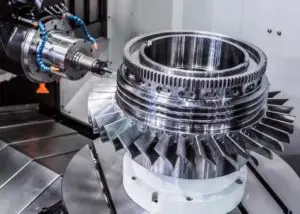
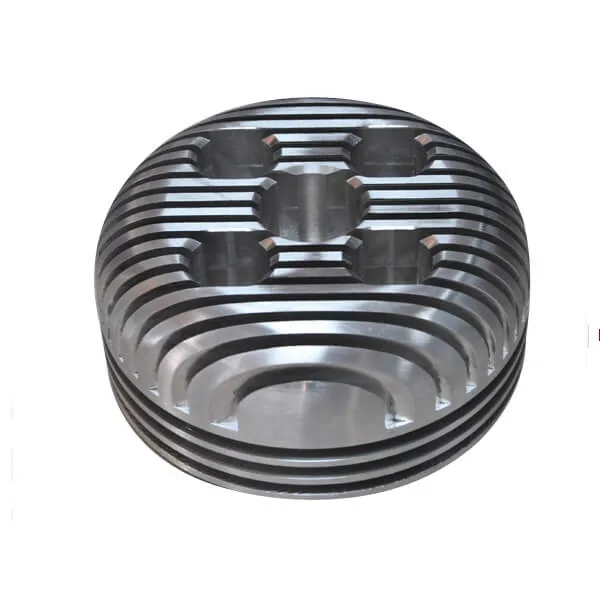
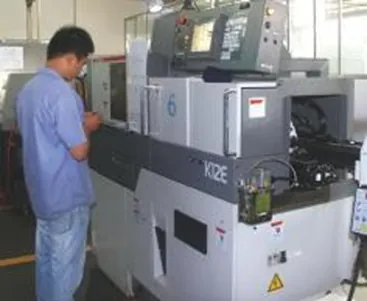
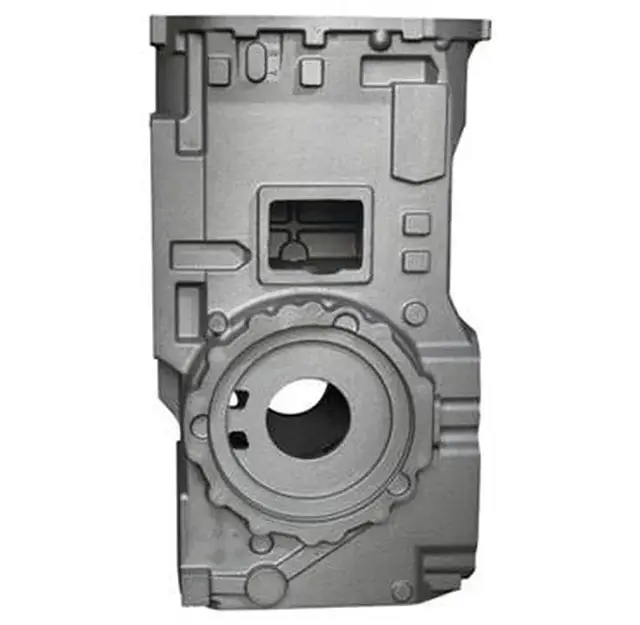
Product photos are taken from the supplier listings on CifyChina and link to each supplier's page. They illustrate the product type discussed; they are not an endorsement of any specific item.
Understand who you are talking to
China's machining industry ranges from two-machine workshops in a rented unit to plants with hundreds of five-axis centres and in-house heat treatment. Many English-language websites belong to trading companies or "sourcing factories" that subcontract everything. That is not automatically bad — a good coordinator can manage several specialist shops — but you need to know which model you are buying from, because it changes who controls quality.
On CifyChina, listings such as AS Precision and Fdmachinery describe in-house CNC machining alongside related processes like forging, sheet metal and stamping, while Jianheng Metal positions itself around casting, forging and machining through a network of partner factories. HP Machining (China) and Shanghai DEBO Industry are further machining-focused listings, and TCS Molding covers rapid prototyping and tooling. Treat all of these as a shortlist starting point, then verify the model yourself:
- Ask for a machine list with brand, model and axis count. A shop claiming five-axis capability should be able to name its machines (DMG Mori, Mazak, Haas, Brother, or domestic brands such as Kede or Hurco-licensed units).
- Ask for a short live video walk of the shop floor on a working day, with the camera starting at the gate sign. Traders tend to decline or send polished marketing clips.
- Ask where heat treatment, plating and anodising are done. Almost every shop outsources at least one of these; the question is whether they can name the subcontractor and show its process control.
Reading the quote properly
A good machining quote breaks the price into material, machining time, surface treatment, tooling or fixtures, and packaging. If you receive a single unit price with no breakdown, ask for one. It lets you spot the most common tricks:
- Material substitution. A quote far below others often means a cheaper alloy (e.g. 6063 instead of 6061, or 201 instead of 304 stainless). Always require a mill certificate tied to the heat number of the bar used.
- Hidden fixture cost. Some shops quote a low piece price for the prototype and add fixture charges when you move to volume. Ask whether fixtures are included and who owns them.
- Finish downgrade. "Anodised" can mean a thin decorative coating rather than Type II at a specified thickness. State the thickness and ask for the anodiser's test record.
- Tolerance exceptions. Read the quote notes carefully — some shops accept your drawing but write "tolerance per our standard" in small print.
A quote 30–40% lower than the median of five comparable quotes should be treated as a question, not a win.
First article inspection (FAI) is not optional
Never go straight from quote to production. Order a first article or small pilot batch and require a ballooned drawing with every characteristic numbered and a measured value against each number. For critical features, ask for a CMM (coordinate measuring machine) report rather than caliper readings. Check the report against the physical parts in your own facility or through a third-party inspector.
Good suppliers will also send photos of the setup and the part in the fixture. If a shop cannot produce a ballooned FAI report, it will not be able to produce consistent inspection records in mass production either.
Key checks on the first article:
- Critical dimensions and geometric tolerances (flatness, position, concentricity).
- Thread gauges — go/no-go for every thread, not just visual.
- Surface roughness (Ra) on sealing faces.
- Coating thickness and adhesion (tape test for paint and powder coat).
- Burrs and sharp edges, which are the most common complaint on Chinese machined parts and the easiest to fix if you specify "break all sharp edges 0.2–0.5 mm".
Material certificates and traceability
For anything structural, pressure-containing or safety-related, insist on an EN 10204 3.1 material certificate from the mill, and ask the shop to mark the heat or lot number on the packaging. Our separate guide to Verifying Mill Test Certificates for Steel from China explains how to tell a genuine mill certificate from a retyped one. For aluminium and stainless bar, a handheld XRF check on arrival costs little and catches most substitutions.
Production controls to agree in writing
Before the purchase order, agree on:
- Sampling plan — for example ISO 2859-1 / ANSI Z1.4 General Level II, with AQL 0.65 for critical and 1.5 for major defects.
- Critical-to-quality dimensions that must be 100% inspected.
- Packaging — individual bagging or trays for finished surfaces; VCI paper for steel; no loose parts rattling in a carton.
- Change control — the supplier may not change material source, subcontractor or process without written approval.
- Non-conformance handling — who pays for rework, replacement and freight if a lot fails incoming inspection.
Red flags that should stop the process
- The supplier accepts every tolerance without a single question or DFM (design for manufacturing) comment. Real engineers push back.
- No company name on the proforma invoice matches the name on the business licence.
- Payment requested to a personal account or to a company in a different province with no explanation.
- The "factory" address resolves to an office tower in a commercial district.
- Photos of the shop floor show different machines each time you ask.
Using CifyChina to shortlist
The fastest path is to send your drawing package once and get it in front of several qualified shops at the same time. The machining, casting and prototyping listings on CifyChina give you a starting pool; our buyer's guide to Plastic Injection Molding & CNC Machining Services from China — A Contract Manufacturing Buyer's Guide covers the moulding side if your part set mixes plastic and metal. When the parts are part of a larger machine you are importing, pair this process with the Factory Acceptance Testing for Machinery from China checklist, and when you negotiate terms, see First China Order: Incoterms, Payment Terms and Deposit Protection.
Summary checklist
- Complete RFQ: STEP + PDF, material grade, tolerance standard, finish, quantities, inspection needs.
- Verify manufacturer vs trader with a machine list and live shop-floor video.
- Demand a quote breakdown and question outliers.
- Paid first article with ballooned FAI and CMM data on critical features.
- Mill certificates traceable to heat numbers; XRF on arrival.
- Written sampling plan, change control and non-conformance terms before mass production.
Have a similar requirement? Send the specification or drawing on WhatsApp and we will match it against the suppliers in the directory.