

Chilean Sea Bass vs Japanese Sea Bass – What You Need to Know
Introduction
Chilean Sea Bass is a popular high-end seafood, often featured in fine dining menus worldwide. However, many seafood lovers are seeking a more sustainable, accessible, and delicious alternative. Japanese Sea Bass ( Lateolabrax japonicus ), farmed in China, is an excellent choice that delivers premium quality, taste, and nutrition. In this article, we compare Chilean Sea Bass and Japanese Sea Bass to help you make the best seafood choice.
H2 – What is Chilean Sea Bass?
Chilean Sea Bass, scientifically known as Patagonian Toothfish ( Dissostichus eleginoides ), is a cold-water fish prized for its rich, buttery flavor and tender texture. Often labeled as a premium seafood product, it is mainly sourced from the deep waters of the Southern Ocean near Chile and Antarctica.
- Taste: Mild, buttery, high-fat content
- Cooking Methods: Grill, pan-sear, bake
- Market: High-end restaurants and gourmet retail
Note: Chilean Sea Bass is expensive and sometimes limited due to sustainable fishing regulations.
H2 – What is Japanese Sea Bass?
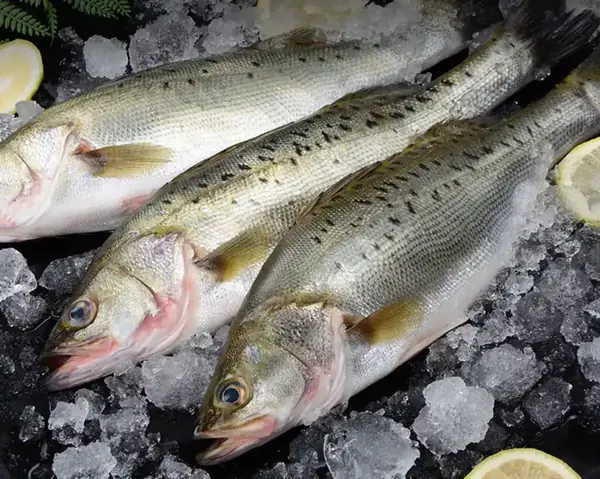
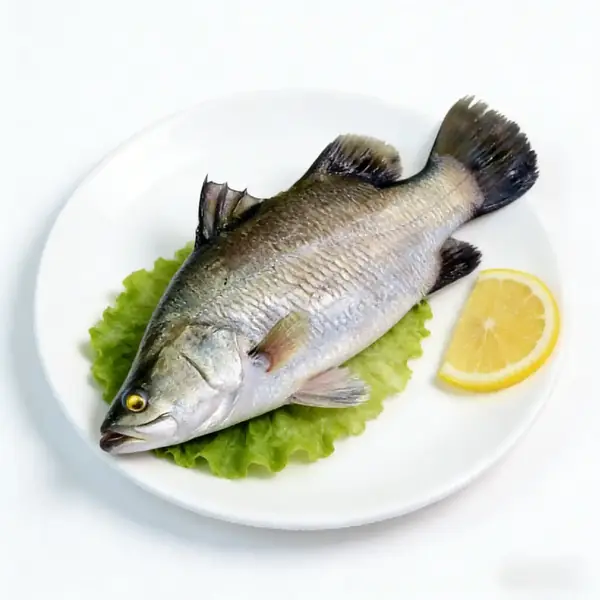
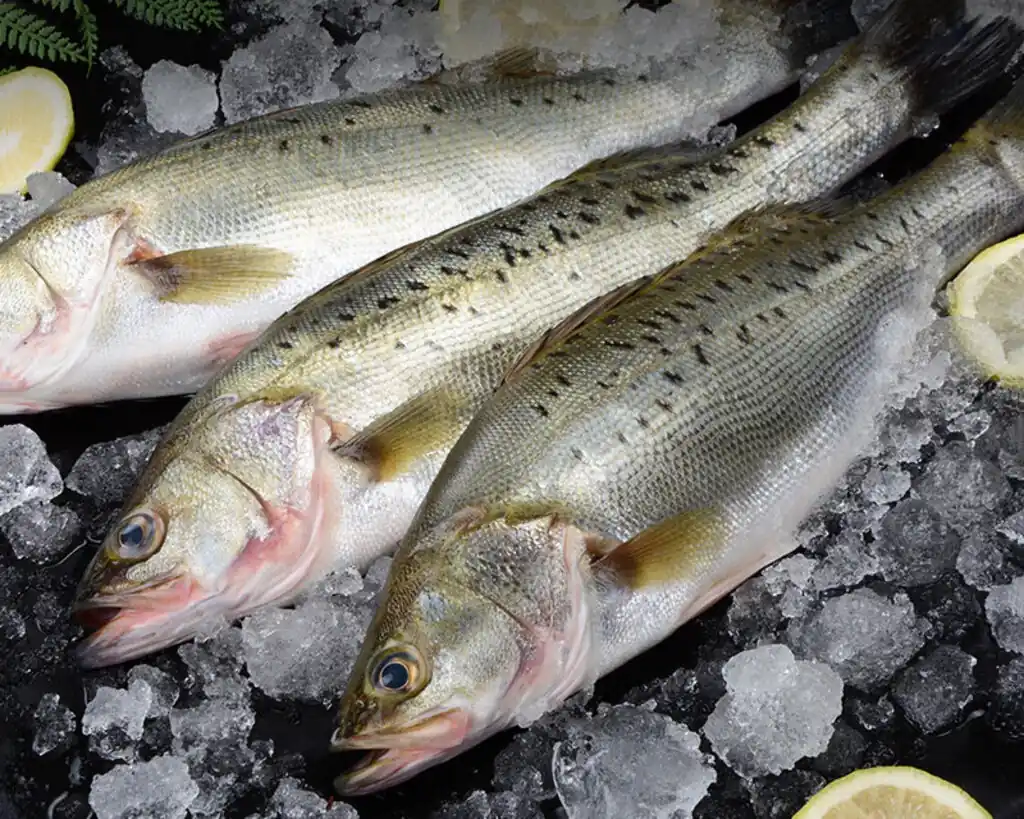
Japanese Sea Bass ( Lateolabrax japonicus ), also called Spotted Seabass or Seven-Star Seabass , is a farmed species from China. It is widely available, sustainably farmed, and suitable for both retail and foodservice markets.
- Taste: Mild, firm, tender
- Processing: Whole fish, GGS, boneless fillets
- Certifications: BRC, HACCP, ISO, FDA
- Applications: Fry, steam, grill, and sashimi-grade options
SEO Tip: Mention your company here – “FFH Seafood offers premium Japanese Sea Bass with custom packaging and private-label options for international buyers.”
H2 – Chilean Sea Bass vs Japanese Sea Bass: Key Differences
| Feature | Chilean Sea Bass | Japanese Sea Bass |
|---|---|---|
| Scientific Name | Dissostichus eleginoides | Lateolabrax japonicus |
| Origin | Southern Ocean (Chile / Antarctica) | Farmed in China |
| Availability | Limited, seasonal | Year-round |
| Price | High | Competitive |
| Taste & Texture | Rich, buttery, fatty | Mild, firm, tender |
| Sustainability | Subject to fishing regulations | Farmed, sustainable |
💡 Insight: Japanese Sea Bass is a high-quality, accessible alternative to Chilean Sea Bass, offering great taste and consistent supply.
H2 – Why Choose Japanese Sea Bass as an Alternative
- Sustainable and Farmed – Reduces environmental impact compared to overfished wild Chilean Sea Bass.
- Year-Round Supply – Reliable for restaurants, retailers, and distributors.
- Flexible Packaging – Available as whole fish, GGS, fillets, or slices.
- Certifications & Safety – BRC, HACCP, ISO, and FDA-approved.
- Cost-Effective – More affordable for bulk buyers without compromising quality.
H2 – How to Cook Japanese Sea Bass
Japanese Sea Bass can be cooked in many ways, offering versatility in gourmet and everyday recipes:
- Steamed with ginger and soy sauce
- Pan-seared with olive oil
- Grilled with herbs
- Sashimi-grade for raw consumption
🔹 Tip: It has a similar buttery flavor to Chilean Sea Bass, making it a perfect substitute in recipes.
H2 – Where to Buy Japanese Sea Bass
For buyers worldwide looking for premium Japanese Sea Bass, FFH Seafood provides:
- Frozen and fresh options
- Custom packaging / private-label
- Bulk orders with reliable shipping
📩 Contact FFH Seafood today to get the best Japanese Sea Bass for your business.
H2 – FAQ
Q1: Is Japanese Sea Bass the same as Chilean Sea Bass? A1: No, they are different species. Chilean Sea Bass ( Dissostichus eleginoides ) is a wild cold-water fish, while Japanese Sea Bass ( Lateolabrax japonicus ) is farmed in China.
Q2: Can Japanese Sea Bass replace Chilean Sea Bass in recipes? A2: Yes, it is tender and mild, making it an excellent alternative in most recipes.
Q3: Is Japanese Sea Bass safe and certified? A3: Yes, FFH Seafood’s Japanese Sea Bass is BRC, HACCP, ISO, and FDA-approved.