
Chinese electric vehicles have become one of the most requested product categories in CifyChina's inbox. Between May and September 2026 we logged buyer requests from Africa, Europe, the Middle East, Latin America and Asia for passenger EVs and plug-in hybrids from brands such as Geely, Zeekr, BYD and Jetour, for electric vans and pickups, and for electric motorcycles and scooters (see our anonymised EV & car export requests log). The questions are remarkably consistent: Is it in stock? What is the FOB or CIF price? Is right-hand drive available? Can I get a CoC? How is the battery covered?
This guide explains how the export channel works and what to settle before paying a deposit. It is general guidance — regulations differ by country and change often, so confirm details with your local vehicle authority and a customs broker.
How Chinese EVs reach export buyers
There are three main channels:
- Manufacturer export programmes and official overseas distributors. The brand appoints importers in specific countries. Vehicles come with the manufacturer's export specification, warranty and parts support. In markets with an official distributor, private export channels may be restricted.
- Licensed vehicle exporters and trading companies. Chinese companies with export qualifications buy vehicles from domestic dealers and export them, often as "zero-mileage used" or new vehicles registered for export. This is how many single-unit and small-fleet buyers source cars, especially models not officially sold in their country. On CifyChina, FOBEV (Geely and Zeekr Export, Shanghai) is a Shanghai-based export listing for Geely and Zeekr models such as the Starray EM-i, EX5, EX2, Galaxy L7, Coolray and Zeekr 007. As with any exporter, check its export licence, the vehicle's CoC or homologation status and the warranty terms before paying a deposit.
- Specialist manufacturers of light EVs. Electric motorcycles, scooters, tricycles and low-speed vehicles are usually bought directly from the factory. ZP Technology (Wuxi) Co., Ltd. is a Wuxi-based electric motorcycle and e-bike manufacturer listed on CifyChina, and Shenzhen Tongming / TMSCOOTER is a Shenzhen scooter listing. Our buyer's guides to Electric Motorcycle Export from China — Container Buyer's Guide (Models, Specs, Container Loading) and Delivery & Last-Mile E-Scooters from China — A Fleet Buyer's Guide cover that segment in depth.
Understand which channel your seller uses — it determines warranty, documentation and whether the vehicle can be registered.
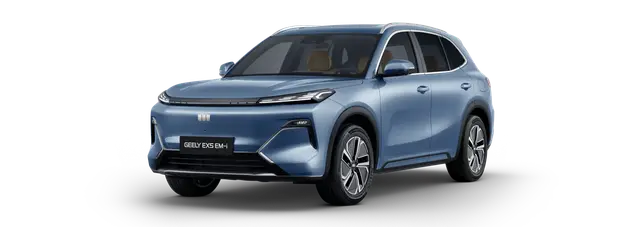
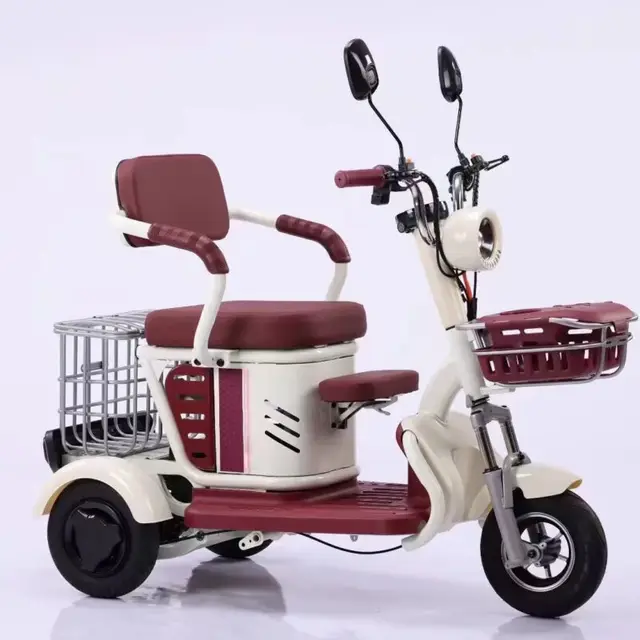
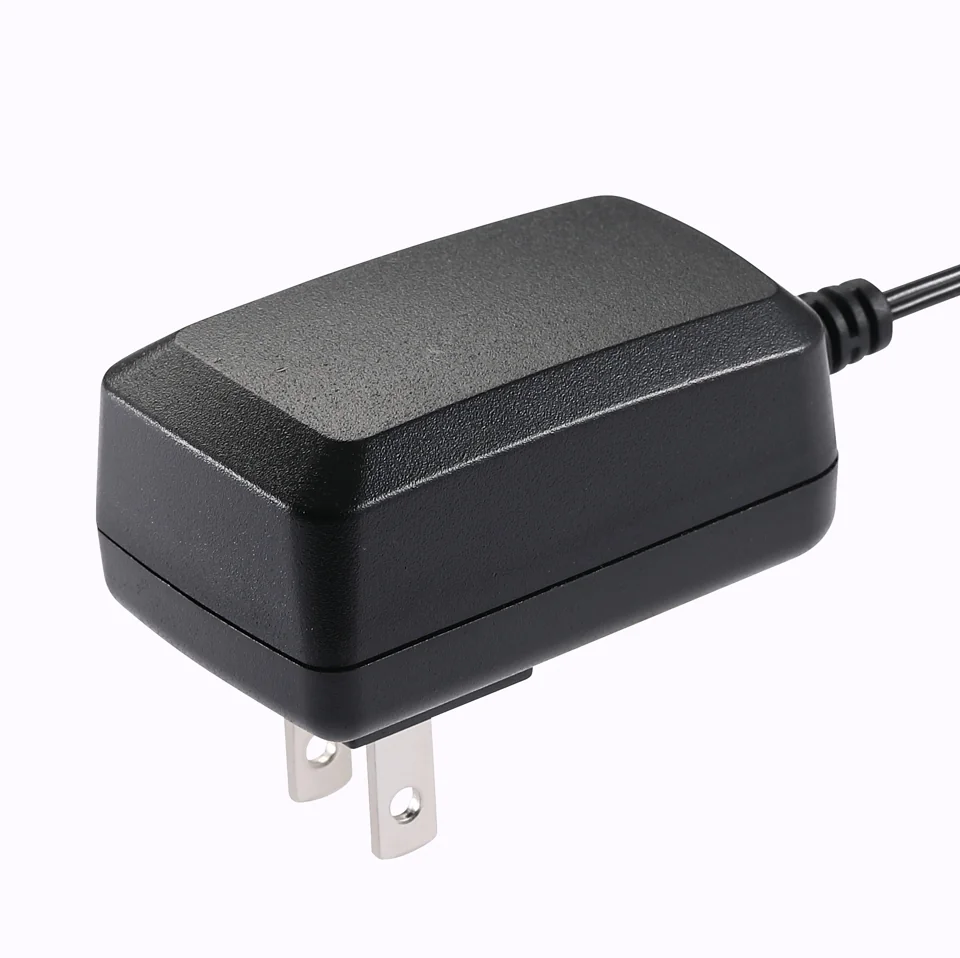
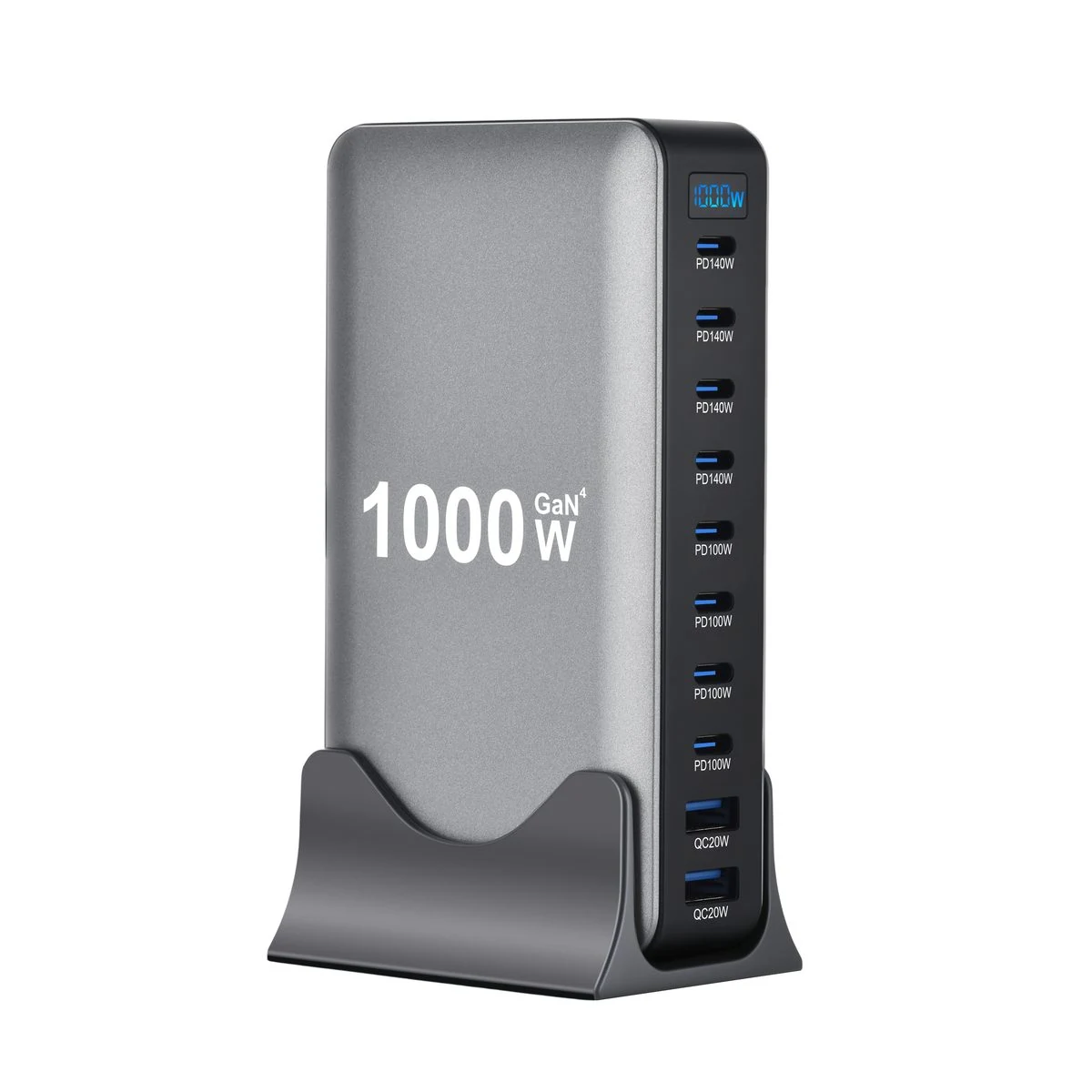
Product photos are taken from the supplier listings on CifyChina and link to each supplier's page. They illustrate the product type discussed; they are not an endorsement of any specific item.
Homologation: can the vehicle be registered?
The most expensive mistake is buying a car that cannot be registered at destination. Check:
- EU and associated markets: a European Certificate of Conformity (CoC) under whole-vehicle type approval makes registration straightforward. A China-market vehicle without EU type approval may require individual vehicle approval, which can be costly or impossible for some models. Buyers from Montenegro, Poland and the Middle East specifically asked for CoC documents in our inquiry log.
- UK, Ireland, Cyprus, Malta, and many Commonwealth markets: right-hand drive (RHD) is required or strongly preferred. Several Chinese brands build RHD versions for markets such as the UK, Australia, Thailand and Malaysia, but not every model or trim is available in RHD. Converting LHD to RHD is rarely economical for modern EVs.
- GCC: GSO conformity and, for Saudi Arabia, SASO/SABER registration.
- Many African and Latin American markets: age limits, pre-shipment inspection (e.g. roadworthiness certificates), and in some countries import licences for new vehicles.
- Russia, Central Asia and others: specific national certification (e.g. EAEU vehicle type approval) and changing duty regimes.
Ask the seller for the exact VIN-level documents they will provide: commercial invoice, export declaration, certificate of origin, vehicle factory certificate, and — where relevant — CoC or type-approval documents.
Specification details that matter
- Market version: China-market vehicles may have Chinese-language infotainment, different connected services, and chargers set for the Chinese GB/T standard. Confirm language options, map availability and app connectivity in your country.
- Charging standard: GB/T (China), CCS2 (Europe and many other markets), CCS1 (North America), CHAdeMO (legacy Japan). Export versions usually match the destination; domestic versions may need adapters or cannot fast-charge on local networks.
- Battery: chemistry (LFP or NMC), capacity, and the battery warranty — which may not apply outside China for grey-channel cars.
- Trim and colour: many buyers ask for top trims and specific colours; availability changes weekly in the domestic market, so confirm with photos and VIN.
Shipping electric vehicles
EVs ship by Ro-Ro vessel or in containers (typically two to four cars per 40-foot container depending on size). They are classed as dangerous goods (UN 3171, battery-powered vehicle) for sea transport, so the forwarder must declare them correctly, and the battery state of charge is usually limited for shipping. Light EVs and spare batteries fall under the rules discussed in Importing Lithium Batteries from China.
Landed cost calculation
A realistic landed cost includes:
| Cost item | Notes |
|---|---|
| Vehicle price (FOB China) | Confirm whether export registration fees and domestic taxes are included |
| Export handling | Documentation, inland transport to port, customs clearance in China |
| Ocean freight and insurance | Ro-Ro vs container; insurance on full value |
| Import duty | Varies widely; some markets have EV-specific reductions, others have additional duties on Chinese EVs |
| VAT / sales tax | Usually on CIF plus duty |
| Homologation and registration | Testing, CoC processing, local inspection |
| Local compliance | Conversions, labelling, charger adapters |
| After-sales reserve | Spare parts stock, diagnostic tools |
In our inquiry log, one buyer planning a taxi and ride-hailing fleet in East Africa asked for vehicles around a USD 10,000 per-unit budget with commercial-use battery warranty and an ocean shipping plan. That combination — low budget, fleet use, and warranty — is exactly where the channel choice matters most: fleet buyers should prioritise documented warranty and parts supply over the lowest vehicle price.
Charging equipment and accessories
Portable EV chargers and adapters are frequently bought alongside vehicles. Check the charger's certifications for your market (CE, UKCA, UL), plug type, cable gauge and thermal protection. General charger and adapter manufacturers such as Fumei and LEVA list USB-PD and GaN chargers; for EV-specific equipment, insist on test reports to IEC 61851 / IEC 62752 or the equivalent in your market. Cable quality issues are discussed in Wire & Cable from China: Detecting CCA and Undersized Conductors.
Warranty and spare parts
Before committing, ask:
- Does the manufacturer's warranty apply in your country for this vehicle and channel?
- Who supplies spare parts — body panels, lights, suspension, battery modules — and how quickly?
- Are diagnostic tools and software available to local workshops?
- Is over-the-air updating supported outside China?
For fleet operators, negotiating a starter kit of fast-moving parts with the first shipment is common. Our Sourcing Auto Parts from China by OE Number guide explains how to build that list.
Payment and risk
Vehicle exports usually require a significant deposit, with the balance before shipment. Protect yourself by verifying the exporter's business licence and export qualification, paying only to the company account named on the contract, and asking for VIN-specific photos and videos before the balance. See First China Order: Incoterms, Payment Terms and Deposit Protection.
Due-diligence questions for the exporter
- Which export licence or qualification does your company hold for vehicles?
- Will the vehicle be exported new or as a registered "zero-mileage" vehicle?
- Which documents will you provide per VIN, and in what language?
- Can you provide photos and a video of the exact vehicle, showing VIN plate and odometer?
- Who handles battery state-of-charge preparation and dangerous-goods declaration for shipping?
Frequently asked questions
Can I import a single car for personal use? Often yes, subject to your country's rules on personal imports, homologation and age limits. Costs per car are higher than for fleet shipments.
Are "zero-mileage used" cars new? They are typically new vehicles registered once in China to allow export, then deregistered. Check how your country treats them for duty and registration.
Is right-hand drive available for every model? No. Check RHD availability by model and trim before anything else if your market requires it.
Have a similar requirement? Send the specification or drawing on WhatsApp and we will match it against the suppliers in the directory.