
Silicon Steel for Transformer Cores
Silicon steel sheet for transformer cores in oriented and non-oriented grades, 0.23 to 0.5 mm thick and 40 to 1290 mm wide, with insulation coating on both faces. Normalising annealing plus quenching and tempering are used to bring out the magnetic properties, and the material is supplied against GB/T2521.1, JIS C2552, ASTM A667, IEC60404-8-4 and equivalent standards.
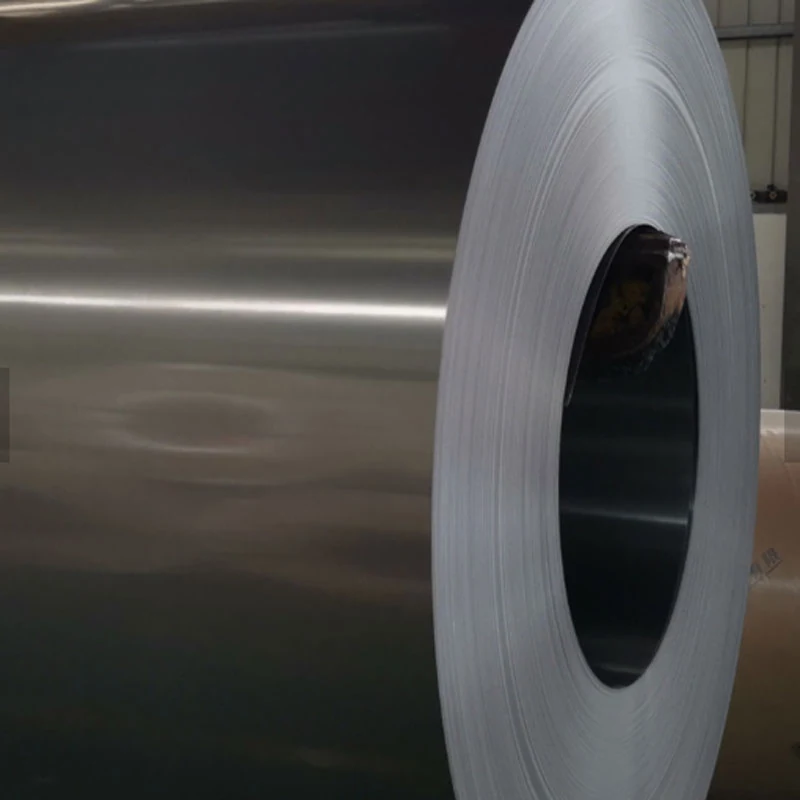
Production scope and material data
| Product | Silicon steel sheet, oriented and non-oriented |
|---|---|
| Thickness | 0.23 - 0.5 mm |
| Width | 40 - 1290 mm |
| Standards | GB/T2521.1, JIS C2552, ASTM A667, IEC60404-8-4 and equivalents |
| Coating | Insulation coating on both sides |
| Heat treatment | Normalising annealing, quenching and tempering |
| Silicon content, oriented | Approximately 3% |
| Silicon content, non-oriented | 0.8% - 4.8% |
| Typical applications | Transformers, chokes, stabilisers, energy-efficient transformers and other electromagnetic cores |
Problems this solves
- Iron loss above the design figure pushing a finished transformer outside its efficiency class
- Poor surface flatness that lowers the stacking factor and forces a bigger core window
- Coating damage during shearing that shorts adjacent laminations
- Noise and vibration complaints traced back to a core that does not sit tight
Why buyers pick it
- Low iron loss, which directly reduces the no-load energy consumption of the transformer
- High magnetic flux density, so the same core volume carries more power
- Good stacking behaviour, giving a tight core with less noise and vibration
- Flat, smooth surface with a firmly bonded insulating film for longer service life
- Easy to cut and stack, which keeps core assembly predictable
Technical detail
Oriented silicon steel has strongly directional magnetic properties, with the lowest iron loss values in the rolling direction and the highest permeability under a given magnetising field. It carries about 3% silicon, needs a low content of oxide inclusions, and relies on inhibitors such as MnS and AlN, which is why it is also known as cold-rolled transformer steel. Non-oriented grades have very low carbon and silicon between 0.8% and 4.8%; raising silicon increases resistivity and maximum permeability while reducing coercive force, core loss and magnetic ageing. Low-silicon sheet under 2.8% silicon keeps more mechanical strength, high-silicon sheet from 2.8% to 4.8% has better magnetic properties but is more brittle.
Quality control
Thickness uniformity and surface quality are the two things checked hardest, because cold rolled sheet is specified precisely for those properties. The insulating film is inspected for adhesion, since a film that lifts during shearing shorts laminations and raises loss.
Customisation
Width is slit from 40 to 1290 mm to the core dimension you work to. Thickness is selected from the 0.23 to 0.5 mm range against the loss and flux density figures in your design.
How it compares
Cold rolled sheet has better thickness uniformity, surface quality and magnetic performance than hot rolled and has steadily replaced it. Within cold rolled, oriented grades suit stacked and wound transformer cores that run flux along one axis, while non-oriented grades suit parts where flux direction changes.
Who it is for
Core shops and transformer manufacturers, plus makers of chokes, reactors, voltage stabilisers and energy-efficient transformers.
The material as it ships
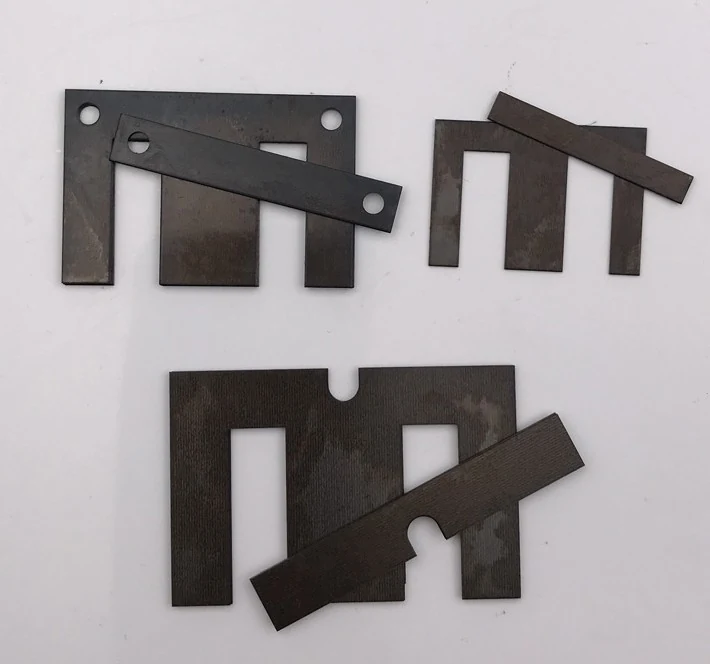
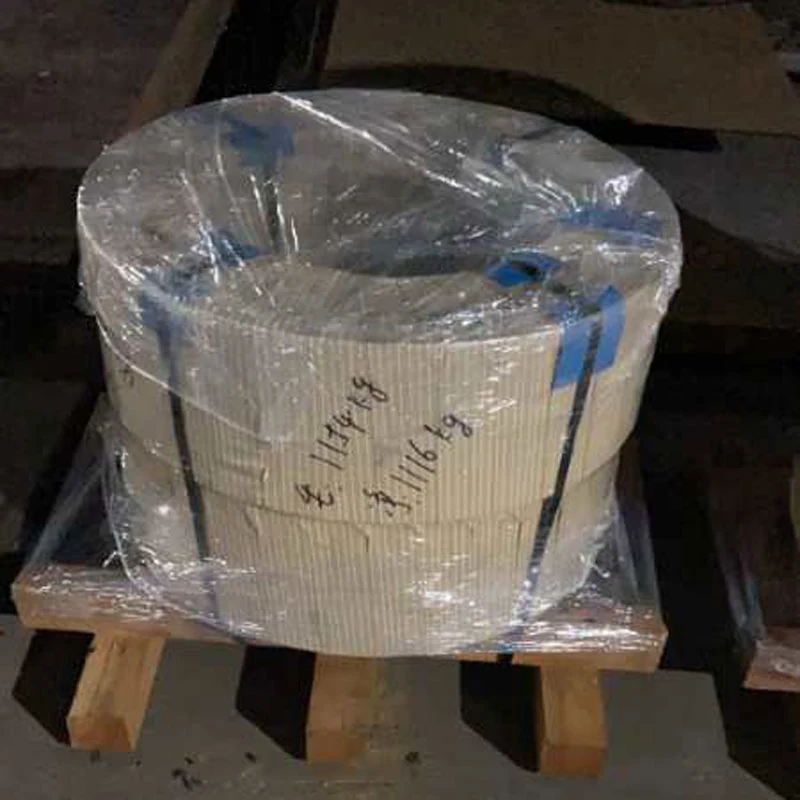
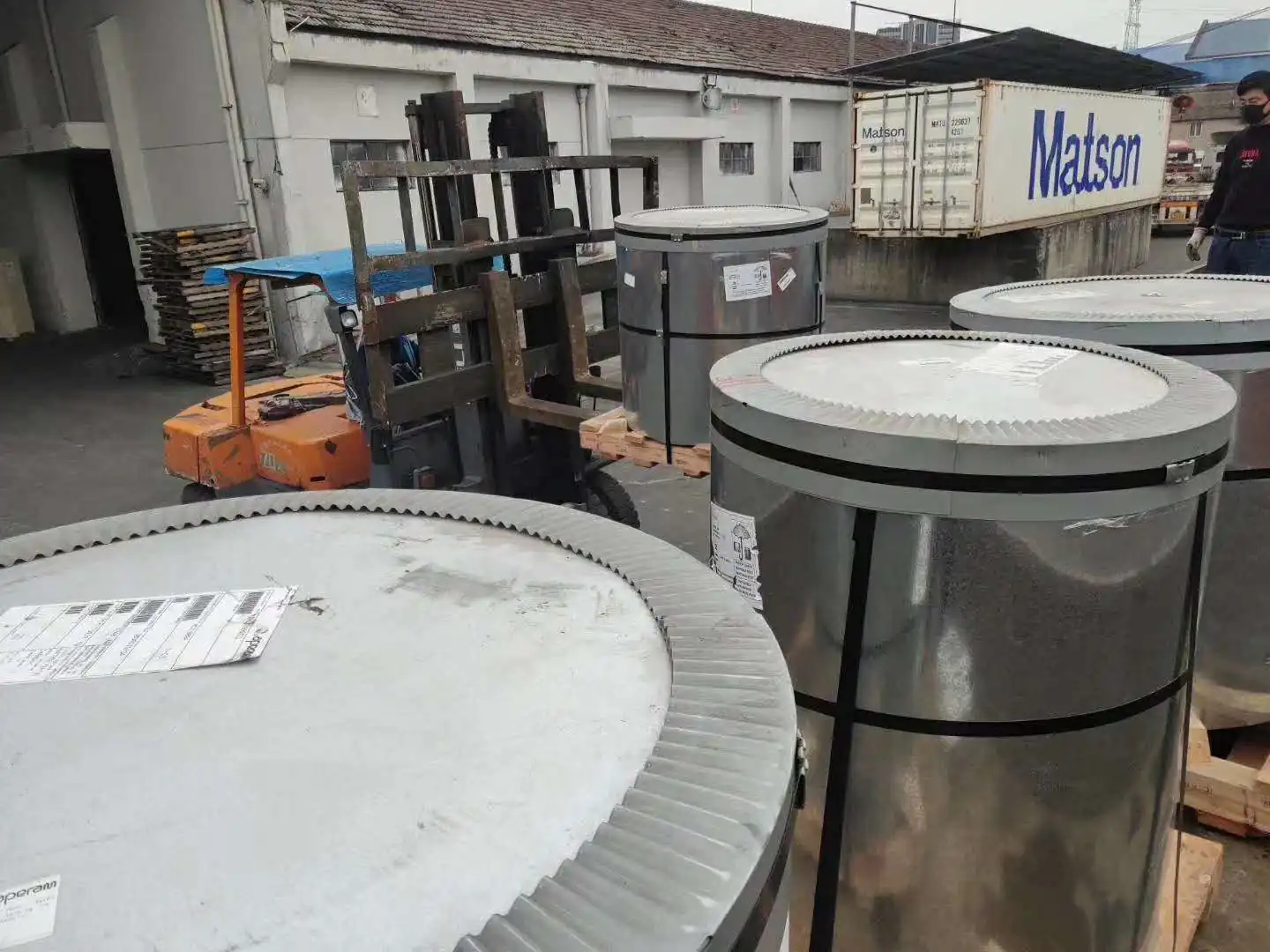
Questions buyers ask about this item
What thickness range do you supply?
0.23 mm to 0.5 mm.
How wide can the sheet be slit?
From 40 mm up to 1290 mm, depending on requirements.
Which standards apply?
GB/T2521.1, JIS C2552, ASTM A667 and IEC60404-8-4, or equivalent standards.
Is the sheet coated?
Yes, insulation coating is applied to both sides of the sheet.
What is the difference between oriented and non-oriented?
Oriented steel has directional properties with the lowest iron loss along the rolling direction. Non-oriented steel has irregular grain orientation and holds its properties in every direction.
What is the silicon content?
About 3% in oriented grades. Non-oriented grades run between 0.8% and 4.8%.
What is it used for?
Cores for transformers, chokes, stabilisers, energy-efficient transformers and other electromagnetic products.
Related material
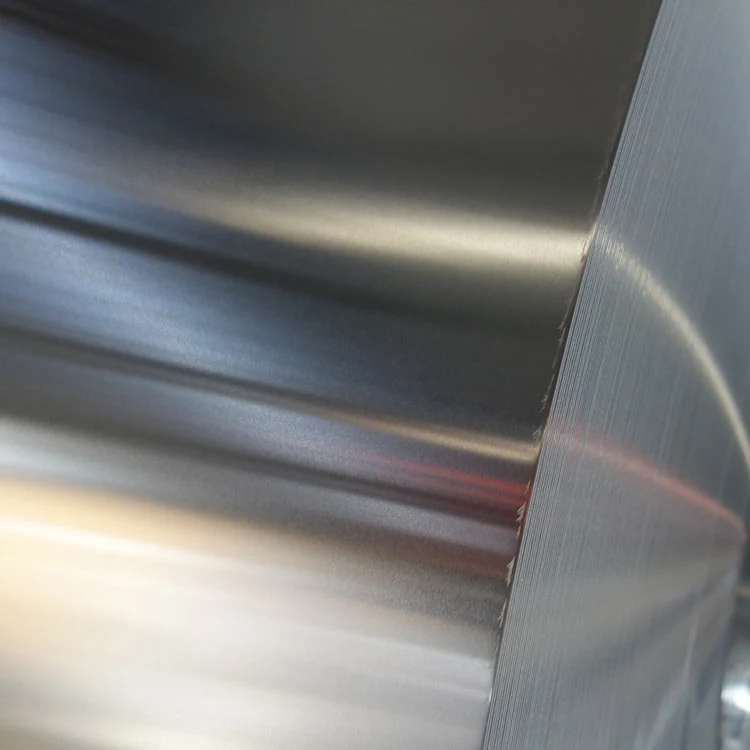
Aluminium Foil for Transformer Windings
Thickness: 0.2 - 3.00 mm · Width: 20 - 1500 mm
View specification →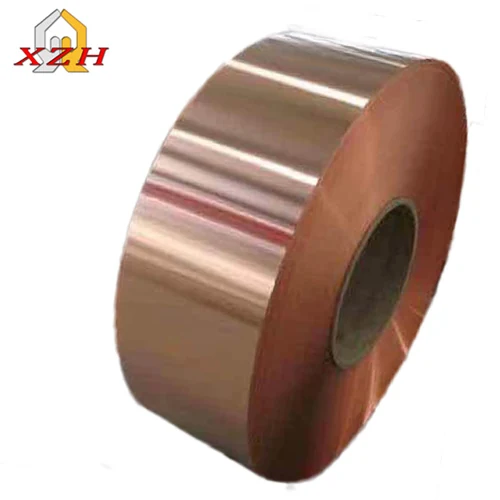
Copper Foil for Transformer Windings
Thickness: 0.2 - 3.0 mm · Width: 50 - 1350 mm
View specification →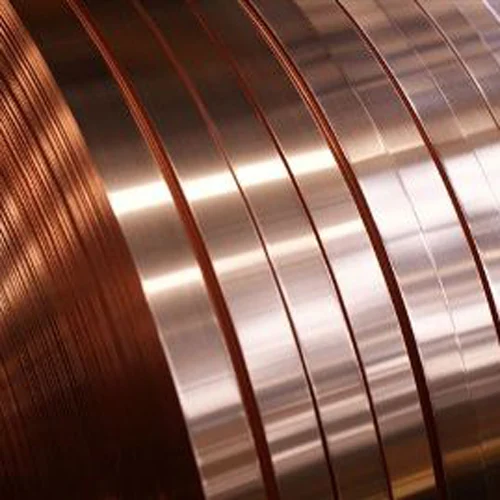
Copper Strip for Transformer Windings
Thickness: 0.2 - 3.0 mm · Width: 50 - 1350 mm
View specification →Further reading
Ready to price this against your drawing?
Code or alloy, inner diameter, thickness, width and weight is all the sales desk needs to quote.