
Reference notes for specifying transformer material
Written from the production scope and the material data on this site, for engineers deciding what to put on a drawing.
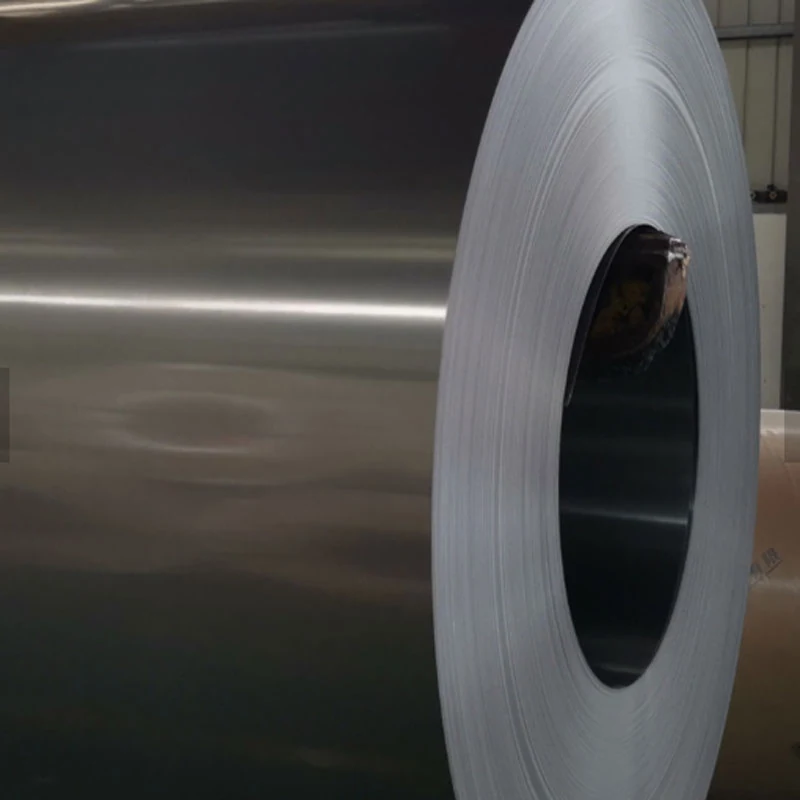
Oriented and Non-Oriented Silicon Steel: Which One Your Core Needs
Grain orientation decides where the low iron loss sits. Get it wrong and a correctly sized core still misses its loss figure.
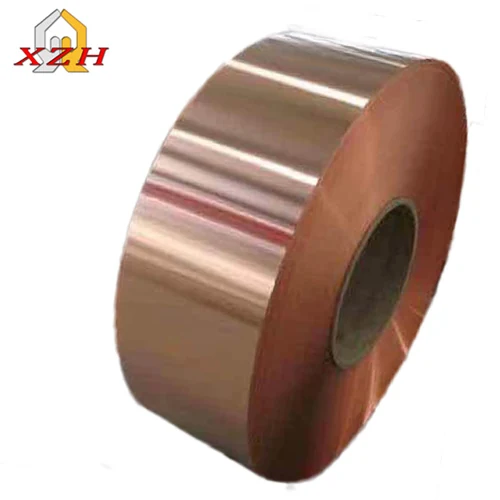
Copper or Aluminium Foil for a Low Voltage Winding
Conductivity, cross section, weight and price. The four numbers that settle the argument, with the actual figures for both materials.
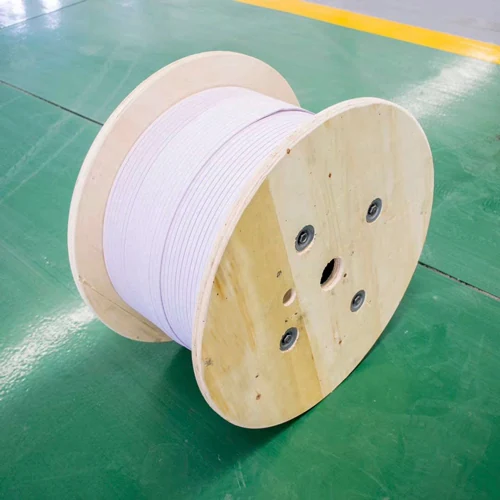
Enamelled Wire Thermal Classes and Film Build Explained
Class F, H and C, what the 120 to 200 grade numbers mean, and how thin and thick film change the coil you end up with.
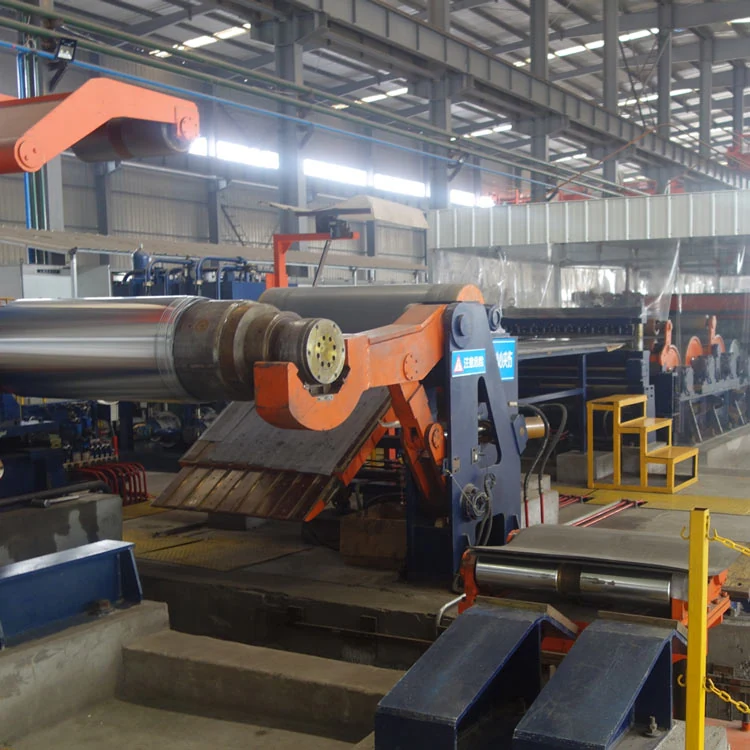
Why a Burr-Free Round Edge Decides Your Foil Coil
The single most common cause of a turn-to-turn fault in a foil-wound coil is not the design. It is the edge on the material you were sent.
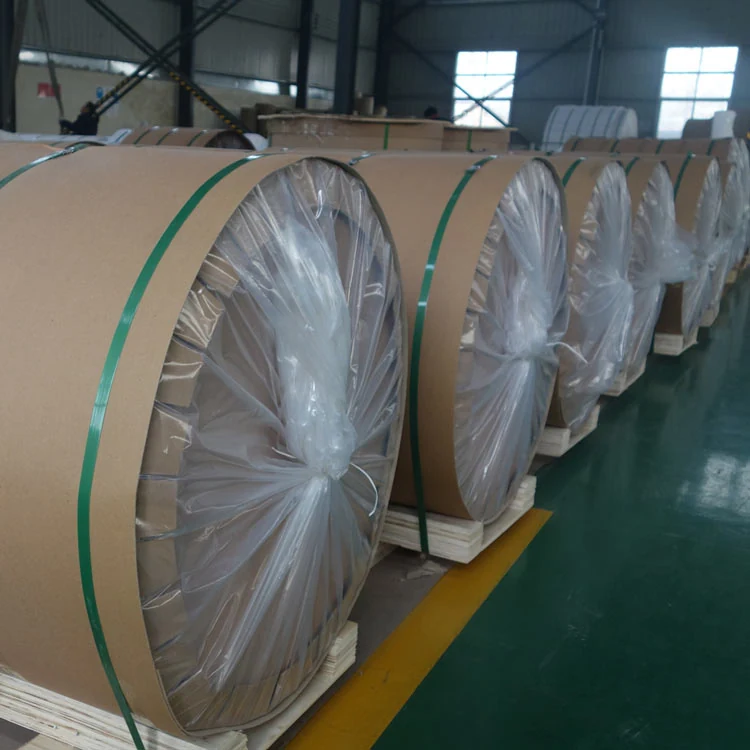
How to Specify a Coil Order So the Quotation Comes Back Right
Five fields settle almost every quotation: code, inner diameter, thickness, width and weight. Here is why each one matters.
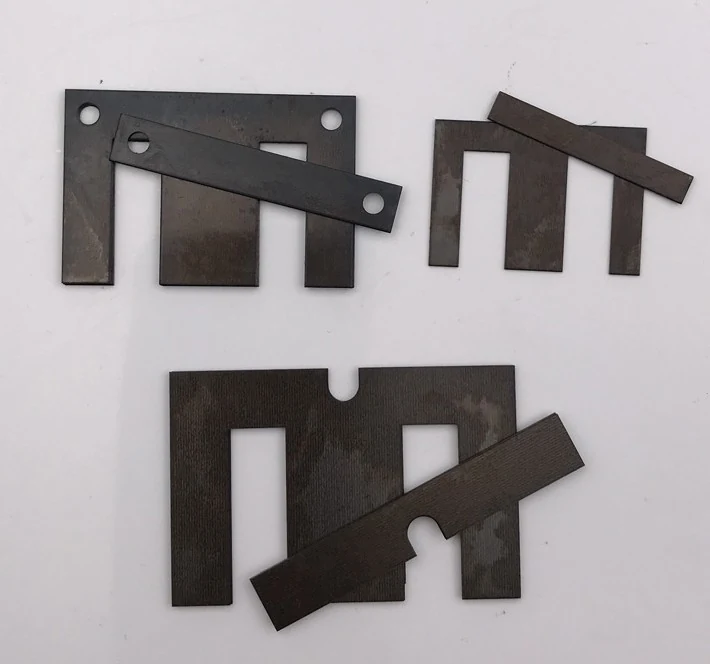
Core Loss, Stacking Factor and Transformer Noise
Iron loss, magnetic flux density and how tightly the laminations sit are the three properties that turn a core material choice into a warranty claim.
Question the library does not answer?
The sales desk can put an engineer on it. Send the drawing dimensions and the material you are considering.