
Apparel and textiles are among the most regulated consumer products, even though they look simple. A shipment of jackets, T-shirts or bedding can be stopped at the border — or recalled from shelves — because of a missing care label, a restricted azo dye, a drawstring on a child's hoodie, or nickel in a snap button. Chinese garment factories are generally capable of meeting any standard you specify, but they will meet the standard you specify, not the one you assumed. Compliance has to be written into the order.
Labelling: the most common failure
Most markets require permanent labels showing:
- Fibre content using the legally recognised generic names and percentages (e.g. "65% polyester, 35% cotton"). The EU Textile Regulation (EU) 1007/2011, the US Textile Fiber Products Identification Act and the Canadian Textile Labelling Act all regulate names and tolerances.
- Country of origin ("Made in China").
- Care instructions, using symbols (ISO 3758 / GINETEX in Europe) or text (FTC Care Labeling Rule in the US).
- Importer or dealer identification — in the US, the RN number or company name; in Canada, the CA identification number.
- Size and, in some markets, language requirements (French in Canada, Arabic in Gulf states for some goods).
Label suppliers such as AJE Garment Accessories and Huagang Printing Co., Ltd. produce woven labels, printed care labels, hang tags and heat-transfer labels; most garment factories source these locally, but brands often nominate their own label supplier for consistency.
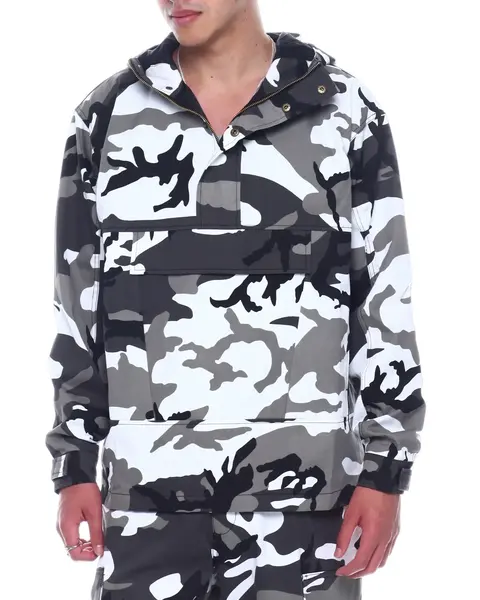
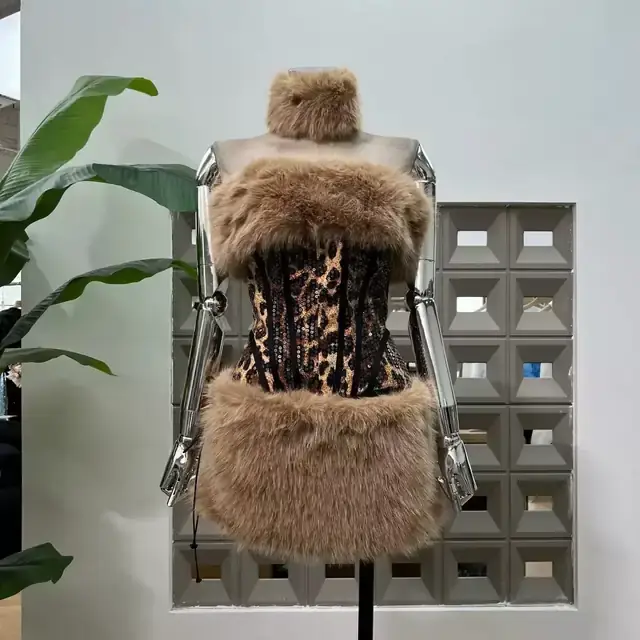
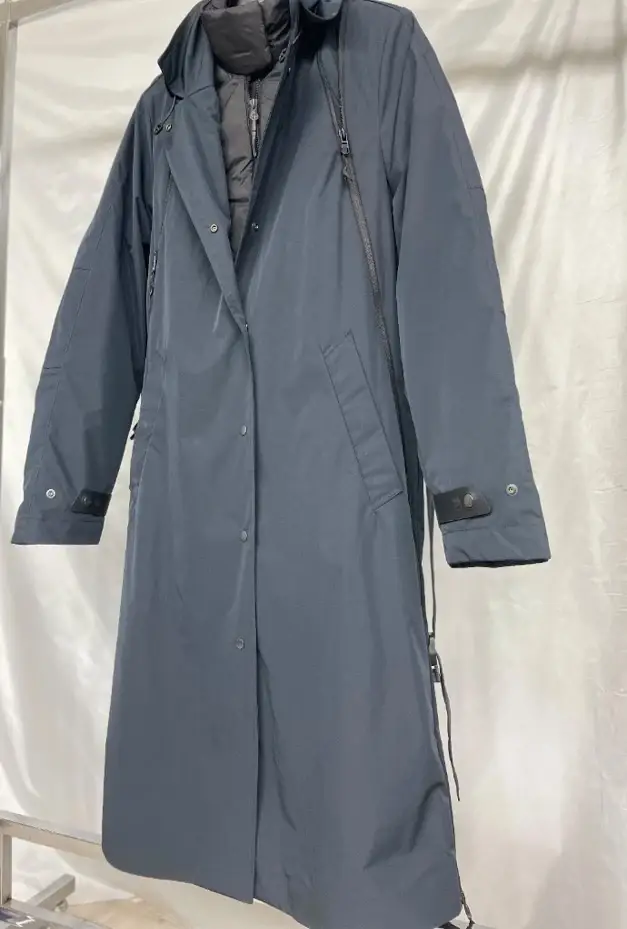
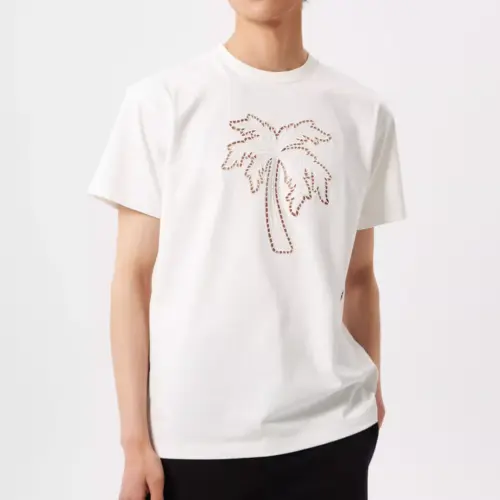
Product photos are taken from the supplier listings on CifyChina and link to each supplier's page. They illustrate the product type discussed; they are not an endorsement of any specific item.
Restricted substances
Chemical compliance is where serious problems arise. Key regulations include:
| Market | Main chemical requirements |
|---|---|
| European Union | REACH Annex XVII (azo dyes releasing listed amines, nickel release, chromium VI in leather, PAHs, certain flame retardants, formaldehyde under the 2023 restriction), SVHC candidate list notification |
| United States | CPSIA lead and phthalate limits for children's products; California Proposition 65 warnings; state PFAS laws increasingly covering textiles |
| United Kingdom | UK REACH, largely mirroring EU restrictions |
| China-export baseline | GB 18401 (formaldehyde, pH, colourfastness, odour, azo dyes) for domestic sale — a useful minimum but not sufficient for export markets |
Many brands use a Restricted Substances List (RSL) — their own or an industry list such as the AFIRM RSL — and require factories to sign it. For outdoor and technical apparel, check PFAS status carefully: durable water-repellent finishes based on long-chain fluorochemicals are restricted or being phased out in several markets.
Children's products
Children's clothing carries extra rules:
- Drawstrings: prohibited in the hood and neck area of children's upper outerwear in the US (16 CFR 1120) and restricted by EN 14682 in Europe.
- Small parts and attachment strength for buttons, snaps and decorations on infant wear.
- Lead and phthalates under CPSIA, with third-party testing and a Children's Product Certificate (CPC) required in the US.
- Flammability — children's sleepwear has specific US standards (16 CFR 1615/1616).
Flammability and other physical tests
General apparel in the US must meet 16 CFR 1610 flammability; most ordinary fabrics pass, but raised-surface fabrics and sheer synthetics need testing. Other common tests in buyer specifications include colourfastness (washing, rubbing, light, perspiration), dimensional stability (shrinkage), pilling, seam strength and tensile/tear strength. Agree acceptance values before production.
OEKO-TEX, GOTS and other certifications
- OEKO-TEX STANDARD 100 certifies that tested articles meet limits for harmful substances. Check the certificate number on the OEKO-TEX website and confirm it covers the materials used in your product.
- GOTS (Global Organic Textile Standard) and OCS certify organic fibre content; GRS covers recycled content. Transaction certificates are needed per shipment to make claims.
- BSCI / amfori, SMETA, WRAP are social-compliance audits frequently requested by retailers.
Several CifyChina apparel listings are relevant starting points: Foriver Garment lists jackets and outerwear, EcoYD (China) focuses on waterproof down and technical outerwear, Guangzhou Joyue Apparel lists fashion womenswear, and Yiwu Tanbei Garments Co., Ltd. (Gramval Apparel subsidiary) lists T-shirts and intimate apparel. Ask each for its most recent test reports and audit results for comparable products.
Using testing laboratories
International labs with Chinese branches — SGS, Intertek, Bureau Veritas, TÜV, QIMA — can test to any market standard. Practical tips:
- Test production materials, not only pre-production samples. Fabric lots change.
- Test by risk. Dark colours, prints, coated fabrics, metal trims and children's items carry the highest risk.
- Keep the reports linked to your purchase order and style number; customs or retailers may ask for them.
Writing compliance into the purchase order
Your purchase order or supplier agreement should include:
- The markets the goods are destined for.
- Your RSL and the applicable regulations.
- Required tests, who pays, and which lab.
- Labelling artwork and placement, approved before bulk production.
- Trims specification (nickel-free metal parts, no drawstrings for children's hoods, etc.).
- Consequences of non-compliance — re-work, replacement or refund.
A compliance timeline for a typical order
Compliance fails most often because testing is left until the goods are packed. A workable timeline for a new style looks like this:
- Development (weeks 1–3): confirm target markets, send your RSL and labelling requirements, and choose fabrics and trims with existing test reports where possible.
- Pre-production (weeks 3–5): test the bulk fabric and trims (chemical and physical tests); approve label artwork and hang tags; review the size set.
- Production (weeks 5–9): inline inspection early in the run to catch workmanship issues; confirm that production fabric matches the tested lot.
- Pre-shipment (week 9–10): final random inspection per AQL, label and packaging check, and — for children's products — final third-party testing and certificate issue.
Building testing into the calendar this way costs no more than last-minute testing and avoids the worst outcome: finished goods that fail and must be reworked or scrapped.
Customs classification and origin
Garments are classified under HS chapters 61 (knitted) and 62 (woven); home textiles mostly under 63. Duty rates vary widely by fibre and construction, so the fibre-content label and the customs declaration must agree. Some markets also require proof of origin to apply preferential rates or to comply with forced-labour import rules, which increasingly ask importers to document the cotton supply chain.
Home textiles
Towels, bedding and curtains follow similar rules plus some specific ones: flammability requirements for curtains in public buildings in many European countries, and for mattresses and upholstered furniture in the UK and California — see Sourcing Sofas & Furniture from China if your range includes upholstered goods.
Related guides
Labels, hang tags and polybags are packaging decisions as much as compliance ones — see Custom Packaging MOQs in China Explained. Accessories such as wigs and hair systems have their own quality checks, covered in How to Choose a Hair and Wig Factory in China. For a first order with a new garment factory, read First China Order: Incoterms, Payment Terms and Deposit Protection. Our existing guide to Promotional Bags & Textile Accessories from China — A Wholesale Buyer's Guide covers bags and textile accessories.
Frequently asked questions
Does the factory or the importer carry compliance responsibility? Legally, the importer or brand placing goods on the market is responsible in most jurisdictions. Contracts can shift costs to the supplier, but not legal responsibility.
Is a factory's old test report enough? Rarely. Reports should match your product, materials and colours, and be recent. Use existing reports to screen factories, then test your own production.
What is the minimum testing for a small first order? At least fibre content verification, the main chemical risks for your market (azo dyes, formaldehyde, nickel in trims, and lead/phthalates for children's items), and labelling review.
Have a similar requirement? Send the specification or drawing on WhatsApp and we will match it against the suppliers in the directory.