
Furniture is one of China's largest export industries. Foshan (Shunde and Lecong) in Guangdong is the best-known hub for sofas, dining and hotel furniture; Dongguan and Shenzhen produce higher-end upholstered and case goods; Zhejiang (Anji) specialises in office chairs; and Hebei (Bazhou and Shengfang) produces metal furniture, glass tables and office furniture. Buyers range from importers filling containers for retail to developers furnishing hotels and apartments.
Upholstered furniture in particular is sold on photos, but its quality lives inside — in the frame, springs and foam. One inquiry in our 2026 log, from a buyer in Oman, asked for factory wholesale prices, MOQ, materials, dimensions and shipping costs for a popular sofa style. Those are exactly the right questions; this guide explains how to get comparable answers.
Specify what's inside the sofa
A sofa quote is meaningless without a construction specification:
- Frame: solid hardwood (e.g. kiln-dried pine, birch, oak), plywood, particleboard, or metal. Kiln-drying matters — wet timber warps and cracks after shipping to dry climates.
- Suspension: sinuous (S-) springs, pocket springs, webbing (elastic belts), or eight-way hand-tied springs in premium pieces.
- Foam: density (kg/m³) and hardness. High-resilience (HR) foam of 30–40 kg/m³ for seats is a common mid-to-premium spec; low-density foam (below about 22–25 kg/m³) flattens quickly. Ask for density per component: seat, back, arms.
- Cushion wrap: polyester fibre, feather/down blend, or memory foam toppers.
- Upholstery: fabric composition and rub count (Martindale, e.g. 20,000–50,000+ cycles for domestic use), or leather type (full-grain, top-grain, split, bonded, PU). "Genuine leather" can mean split leather with a heavy coating on the seating surface only.
- Legs and hardware: material, finish, and load rating.
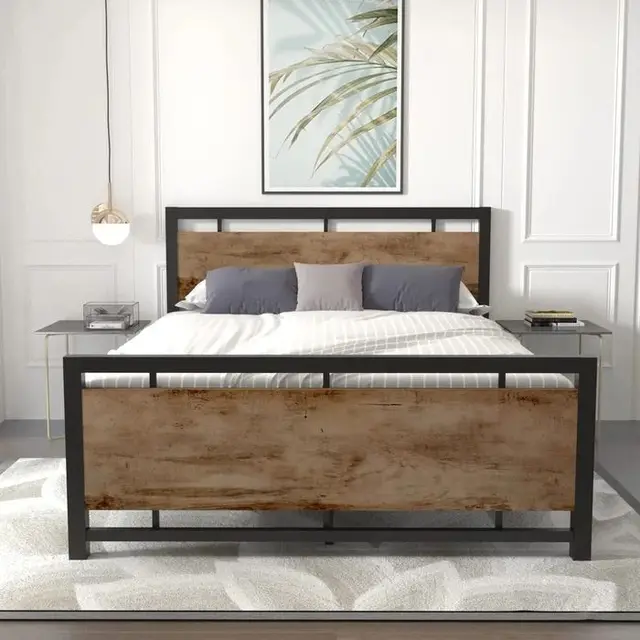
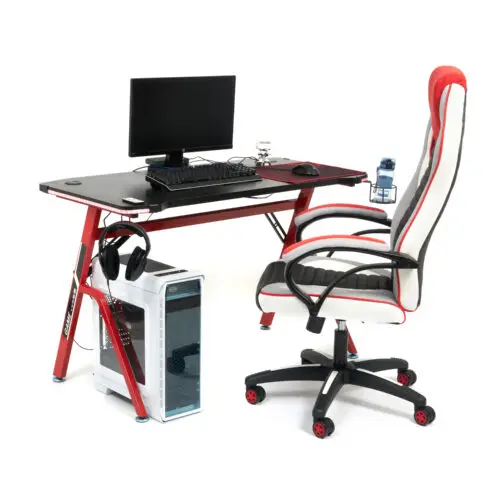
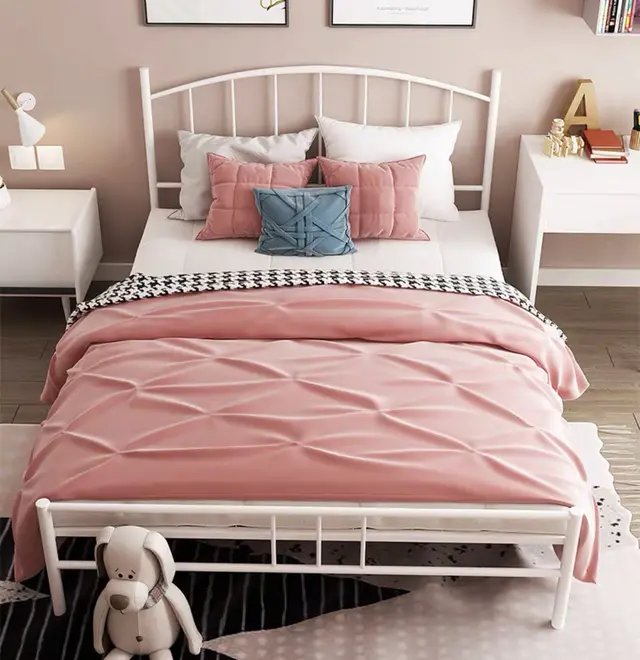
Product photos are taken from the supplier listings on CifyChina and link to each supplier's page. They illustrate the product type discussed; they are not an endorsement of any specific item.
Flammability and safety regulations
Upholstered furniture is regulated in many markets:
- UK and Ireland: the Furniture and Furnishings (Fire) (Safety) Regulations require specific ignition resistance for fillings and covers, with permanent labels.
- California: TB 117-2013 smoulder resistance with a law label; flame-retardant disclosure.
- EU: EN 1021-1/-2 cigarette and match tests are widely used; contract furniture for hotels and public buildings often needs stricter national standards (e.g. BS 7176, specific fire classes).
- Middle East hotel projects: fire specifications are usually set by the project's fire consultant.
Formaldehyde emissions from wood-based panels (E1, E0, CARB Phase 2 / TSCA Title VI in the US) and restricted chemicals in fabrics (see Textile & Apparel Compliance for China Sourcing) also apply. Tip-over stability rules apply to chests and wardrobes in the US (STURDY Act) and elsewhere.
Choosing suppliers by category
Furniture factories specialise. On CifyChina, Wanhao Industry Co., Limited lists metal bedroom, hotel and school furniture; Duolisi Furniture lists office chairs and gaming tables; Tianjin Romance import and export Co.,Ltd is a Tianjin exporter of glass and related furniture; Hardwares Furniture lists furniture hardware such as drawer slides; and Hangzhou Guli Trade operates several consumer brands including outdoor furniture. Match the factory to the product type — a sofa specialist is rarely the best source for metal beds.
Knock-down vs fully assembled
Packing format drives freight cost:
| Format | Pros | Cons |
|---|---|---|
| Fully assembled (FA) | No assembly; better perceived quality | Low container utilisation; higher freight per piece |
| Knock-down (KD) — legs off | Modest volume saving; simple | Still bulky |
| Full KD / flat-pack | Maximum container loading | Requires assembly, hardware kits, instructions |
| Compressed / roll-pack (foam sofas and mattresses) | Very high loading; e-commerce friendly | Limited to certain designs; recovery time after unpacking |
Ask each factory for the loading quantity per 40HQ container for your model in each format. For a typical three-seat sofa, the difference between assembled and KD loading can change landed cost per unit substantially.
Packaging for export
Furniture damage in transit is common. Specify:
- 5-layer (double-wall) export cartons, corner protectors, foam or EPE sheets on all finished surfaces.
- Plastic film wrap for upholstery against moisture; desiccant bags for long voyages.
- Clear carton marks with model, colour, piece number (e.g. 1/3, 2/3, 3/3) and assembly hardware location.
- Drop and vibration tests on packed samples for e-commerce.
MOQ and mixing
Many factories accept a mixed container across models and colours, with minimums per model (often 20–50 pieces) or per fabric colour. Custom fabrics may need a minimum fabric order. Ask whether you can use factory stock fabrics for the first order.
Inspection
A furniture inspection should cover dimensions against drawings, colour and fabric against approved swatches, stitching and pattern alignment, frame stability (rock test, load test on seats), foam density check on a cut sample where possible, hardware completeness in KD cartons, assembly test from instructions, and packaging drop test. Cut open one cushion from each lot to verify foam density and wrapping match the spec — silent foam downgrades are the most common problem.
Hospitality projects
Hotels and serviced apartments combine furniture, lighting, appliances and textiles. Coordinate specifications, samples and shipping across suppliers, and ask whether factories have supplied similar projects. See Sourcing Home Appliances from China for the appliance side and Custom Packaging MOQs in China Explained for branded packaging.
Building the specification sheet
For every model, create a one-page specification sheet that the factory signs:
| Item | Example entry |
|---|---|
| Overall dimensions | W 2200 × D 950 × H 850 mm; seat height 450 mm |
| Frame | Kiln-dried pine + 18 mm plywood; moisture content ≤ 12% |
| Seat suspension | Sinuous springs at 100 mm spacing + elastic webbing |
| Seat foam | HR foam 35 kg/m³, 100 mm, wrapped in 200 g polyester fibre |
| Back cushions | Fibre-filled, zipped covers |
| Cover | Polyester velvet, 40,000 Martindale, colour ref. approved swatch |
| Legs | Powder-coated steel, black, 150 mm |
| Compliance | UK FFR / TB 117-2013 / EN 1021 as applicable; law labels |
| Packing | KD legs, 5-layer carton, EPE and corners, 1 set per carton |
| Loading | Pieces per 40HQ |
With the same sheet sent to three factories, quotes become comparable, and the sheet becomes the inspection checklist when goods are ready.
Samples and pre-production
Order a sample of each model before the container order, and check it the way your customers will: sit on it for weeks, check cushion recovery, zip covers on and off, and assemble KD versions using only the instructions. Approve a fabric swatch card for every colour. For large orders, ask for a pre-production sample from the production fabric lot.
Costs beyond the factory price
Furniture landed cost is dominated by freight and handling because of volume. Include ocean freight per container, destination port charges, import duty (furniture tariff lines vary by material), delivery to your warehouse, unloading labour for floor-loaded containers, and a damage allowance. Floor-loading maximises container utilisation but increases unloading time; palletised loading is faster to unload but ships fewer pieces. Run the numbers for both before deciding.
Frequently asked questions
Can I copy a famous sofa design? Many designs are protected by design rights or trademarks. Ask the factory for its own designs or modify substantially; importers carry the legal risk.
How long is production? Typically 30–45 days after sample approval for upholstered furniture, longer before Chinese New Year and for custom fabrics.
What payment terms are common? A 30% deposit with 70% before shipment is standard. See First China Order: Incoterms, Payment Terms and Deposit Protection.
How can I check foam density myself? Cut a cube from the seat foam of a sample (for example 10 × 10 × 10 cm), weigh it on a kitchen scale and divide the weight by the volume: 35 grams in a 1-litre cube equals 35 kg/m³. Do this on the approved sample and again on a unit from the production lot. It is a simple test, but it catches the most common silent downgrade in upholstered furniture.
Have a similar requirement? Send the specification or drawing on WhatsApp and we will match it against the suppliers in the directory.