
Almost every buyer who sources custom packaging from China meets the same obstacle: the factory's minimum order quantity is far higher than the number of boxes, bags or bottles they actually need. Understanding why a packaging MOQ exists is the key to negotiating it. MOQs are rarely arbitrary; they reflect machine setup time, material sheet or roll sizes, plate and tooling costs, and the point at which a production run becomes profitable for the factory.
What drives packaging MOQ
Setup cost. An offset press run requires plates for each colour, colour matching, make-ready sheets and cleaning afterwards. Whether the factory prints 500 or 5,000 sheets, that setup cost is similar. Low quantities are possible, but the setup is then spread over fewer units, so unit price rises steeply.
Material format. Paperboard comes in full sheets, films and papers in rolls with minimum widths and lengths, and plastic resin is bought by the bag or ton. If your job uses a special board (for example a textured art paper or a specific kraft) the factory may have to buy a minimum quantity of that material.
Tooling. Cutting dies for boxes, embossing and debossing plates, hot-stamping blocks, and injection or blow moulds for bottles and caps are one-off costs. A cutting die might cost tens to a few hundred US dollars; a new bottle mould can cost thousands. Using an existing stock mould or die removes this cost entirely.
Line efficiency. Automatic box gluing, bag-making and filling lines run fastest on long jobs. A factory running high-volume jobs has little interest in interrupting them for a 300-piece order.
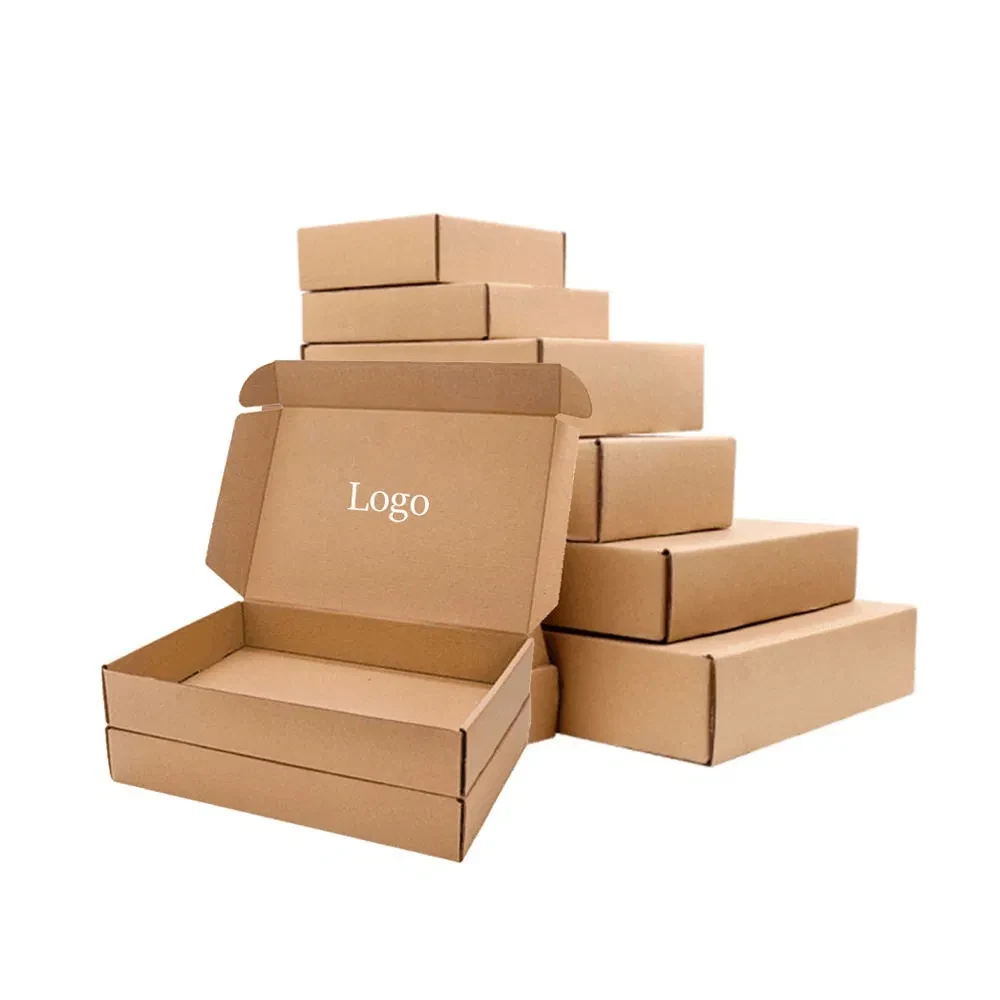
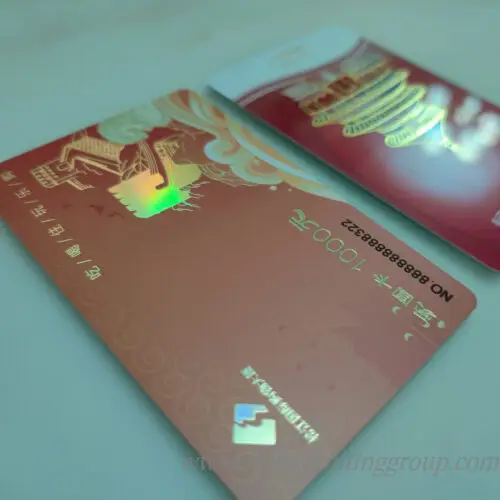
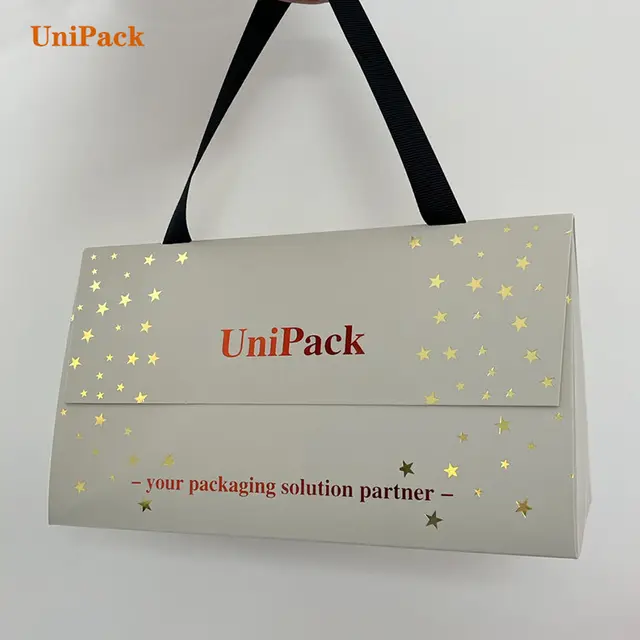
Product photos are taken from the supplier listings on CifyChina and link to each supplier's page. They illustrate the product type discussed; they are not an endorsement of any specific item.
Typical MOQ ranges by packaging type
These are indicative starting points we see in buyer inquiries and supplier quotes; actual MOQs vary by factory size and material.
| Packaging type | Typical starting MOQ | Main cost driver |
|---|---|---|
| Printed folding cartons (offset) | 1,000–3,000 pcs | Plates, make-ready, cutting die |
| Rigid gift boxes | 500–1,000 pcs | Handwork, wrapping paper, inserts |
| Corrugated shipping cartons (printed) | 500–1,000 pcs | Printing plate, board grade |
| Printed paper bags | 1,000–5,000 pcs | Printing, handle attachment |
| BOPP / ziplock / flat plastic bags | 5,000–30,000 pcs or by weight | Film roll, cylinder plates for gravure |
| Woven labels and hang tags | 500–1,000 pcs per design | Loom setup, printing plates |
| Stock PET/PE bottles (plain) | 1,000–5,000 pcs | Stock availability |
| Custom-mould bottles and jars | 10,000+ pcs plus mould fee | Mould cost and resin |
Among CifyChina suppliers, Dongguan Fison Packaging lists corrugated, rigid and folding-carton boxes, China Printing Group covers commercial printing including cards and labels, Xiamen UniPack offers bespoke paper bags, boxes and non-woven packaging, Perfect Packing Inc (China) lists BOPP, ziplock and flower-sleeve bags, and CAVD Packaging focuses on cosmetic bottles and closures. Teng Fei Packaging Manufactory is another packaging manufacturer listing to include when comparing quotes.
How printing method affects MOQ
- Digital printing has almost no setup cost and suits runs of 100–1,000 pieces, but unit cost is higher and colour range on metallics is limited.
- Offset (lithographic) printing is the standard for folding cartons and rigid-box wraps. Economical from roughly 1,000–2,000 sheets.
- Flexographic printing is common for corrugated boxes and some bags; plates are cheaper than gravure but quality is lower.
- Gravure printing delivers excellent quality on film but requires engraved cylinders per colour — a significant cost that pushes film-bag MOQs up.
- Screen printing and hot stamping add per-colour setup and suit simple logos on bags, bottles and boxes.
If you need a very small run, ask the factory whether it can use digital printing for the first order and move to offset once volume grows.
Seven ways to start with a smaller order
- Use stock structures. A standard mailer box, tuck-end carton or stock bottle avoids tooling. Customise with a printed sleeve, sticker or label instead of a fully printed structure.
- Reduce colours. One or two Pantone colours instead of full CMYK plus spot colours cut plates and make-ready.
- Gang-run multiple SKUs. Put several box designs of the same size and material on one print sheet. Many factories allow this if the structure is identical.
- Accept a higher unit price. Most MOQs are negotiable if you pay for the setup. Ask for a quote at your real quantity rather than accepting "MOQ 3,000" as final.
- Order plain with printed labels. For bottles and jars, buying stock containers with printed labels is often the lowest-risk first order.
- Split delivery. Some suppliers will produce the MOQ in one run and store part of it for a later shipment, especially if you pay a deposit.
- Combine with product orders. If your product factory buys packaging locally, ask it to add your design to its packaging supplier's run.
Quality points buyers forget
- Colour proofing. Request a digital proof and, for important brands, a physical press proof. Specify Pantone references rather than screen colours.
- Board and paper grade. Specify board type and weight (e.g. 350 gsm C1S art board, or E-flute corrugated with a named liner). Cheaper board is the most common silent downgrade.
- Coatings and finishes. Matte or gloss lamination, soft-touch film, spot UV and varnish all affect scuffing and price. State which you want.
- Food contact. For food packaging and cosmetic containers, require food-grade material declarations and migration test reports for your market (e.g. EU 10/2011 for plastics, FDA 21 CFR for the US).
- Drop and compression tests. For shipping cartons, agree on edge-crush (ECT) or burst strength values and a drop test before mass production.
Artwork and file preparation
Send vector artwork (AI or PDF) using the factory's dieline, with 3 mm bleed, fonts outlined, and images at 300 dpi. Many delays occur because artwork is built on a guessed size and must be rebuilt once the factory sends its dieline. Always request the dieline first.
Lead times
Plan for sample time as well as production. Typical timings: digital proof 1–3 days, physical sample 5–10 days, production 10–20 days for printed boxes and bags, longer for rigid boxes with handwork or for new moulds (often 25–40 days for mould making alone). Peak season before Chinese New Year and before the Western holiday season lengthens every step.
Related reading
Packaging is often the last component to be ordered and the first to delay a product launch. For apparel brands, labels and hang tags are covered in Textile & Apparel Compliance for China Sourcing; for fragile electronics, see the packaging section of LED Lighting QC: A Pre-Shipment Inspection Checklist. Our existing buyer's guides on Biodegradable & Compostable Foodservice Packaging from China — A Wholesale Buyer's Guide and Custom Printing — Playing Cards, Lanyards & Promotional Cards from China — A Wholesale Buyer's Guide go deeper into those product lines. For payment and shipping terms on small first orders, see First China Order: Incoterms, Payment Terms and Deposit Protection.
Frequently asked questions
Why do two factories quote such different MOQs for the same box? Their equipment differs. A factory with large-format presses and automatic gluers needs long runs to be efficient; a smaller workshop with manual finishing can accept smaller runs but charges more per piece. Match the factory to your volume.
Who owns the cutting die or mould? If you pay for it, you should own it. Put ownership in writing, and ask the factory to keep the tooling for reorders and to release it to you on request.
Can the factory store my packaging? Many will hold finished packaging for a few months, especially if the order is prepaid. Clarify storage duration and whether a fee applies.
Have a similar requirement? Send the specification or drawing on WhatsApp and we will match it against the suppliers in the directory.