
Dental clinics and distributors increasingly look to China for equipment, from steam sterilizers and dental chairs to intraoral scanners, milling machines and cone-beam CT (CBCT) scanners. Chinese manufacturers now supply many of these categories at a fraction of European or Korean list prices, and China is also a hub through which international brands are distributed. Yet dental equipment is regulated medical equipment, and imaging devices emit ionising radiation. Buying well means solving registration, installation and service before price.
Many of the dental inquiries CifyChina receives — for panoramic (OPG) units, CBCT scanners, intraoral scanners and chairside milling machines — ask first about availability and FOB price. This guide covers the questions that should come right after.
Know what you are buying: manufacturer, distributor or exporter
Three kinds of Chinese sellers appear in dental equipment:
- Manufacturers that design and build their own devices, usually with ISO 13485 quality systems. JOIDENT, for example, describes itself as a Ningbo-based manufacturer of clinic sterilization equipment such as steam sterilizers, operating under ISO 13485.
- Distributors and exporters that sell both domestic brands and international brands. FOB Dental (Shanghai Carejoy Medical) lists imaging units from international brands among its products, which is typical of Shanghai-based dental exporters.
- Lab-equipment and consumables specialists such as You Dent, which lists dental lab micromotors, pin systems, ceramic firing trays and CAD/CAM items.
General medical-device exporters like Qingdao Xin Nuolan Medical and electronics manufacturers such as Ronseda Electronics (which lists medical equipment among its lines) also appear in searches. Each model has implications: a distributor can source brand-name devices but may not provide factory-level service; a manufacturer can offer engineering support but its brand may not yet be registered in your country.
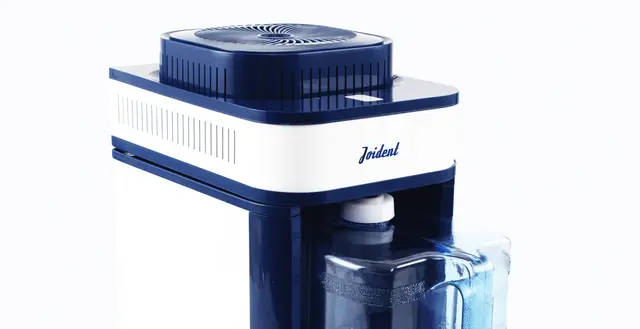
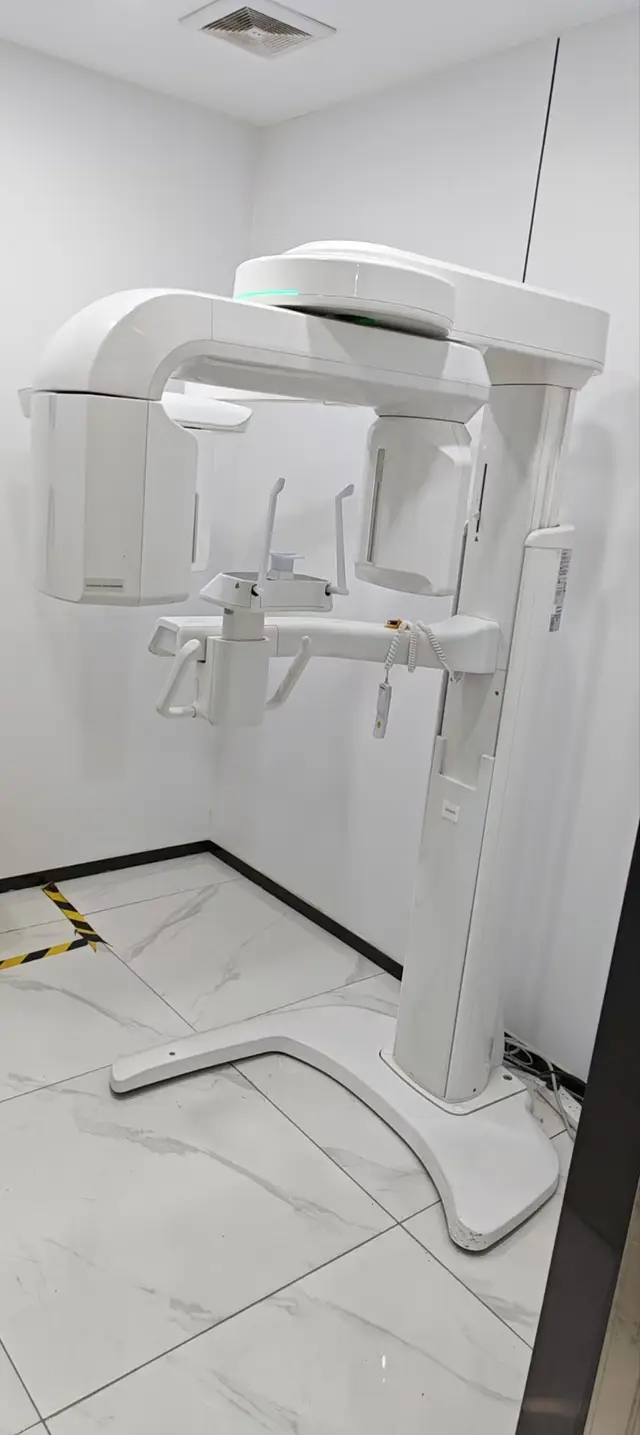
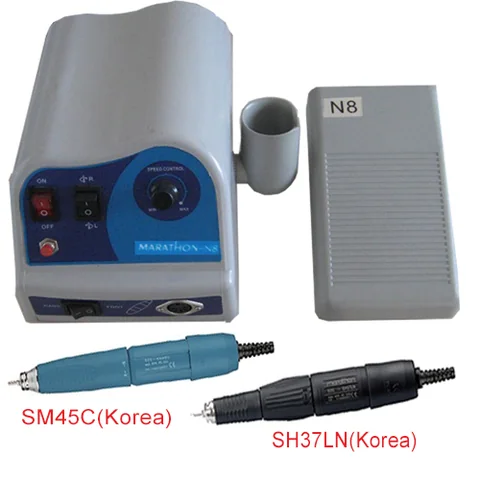
Product photos are taken from the supplier listings on CifyChina and link to each supplier's page. They illustrate the product type discussed; they are not an endorsement of any specific item.
Registration comes first
Before comparing prices, confirm that the exact device model can be legally sold and installed in your market.
| Market | Typical pathway |
|---|---|
| European Union | CE marking under the Medical Device Regulation (EU 2017/745) with a notified body for Class IIa and above; EU authorised representative required |
| United States | FDA 510(k) clearance for most dental imaging and powered devices; establishment registration and device listing |
| Canada | Health Canada medical device licence (Class II and up) |
| Gulf states | SFDA (Saudi Arabia) MDMA listing; UAE MOHAP registration |
| India | CDSCO registration under the Medical Device Rules |
| Many other markets | National health-ministry registration, often accepting CE or FDA as a reference |
Ask the supplier for the certificate and the model list attached to it. A CE certificate for a company's sterilizers does not cover its imaging devices. For registrations in your own country, the supplier typically needs to provide a technical file, test reports (IEC 60601 electrical safety and EMC; IEC 60601-2-63 for dental extraoral X-ray) and a letter of authorisation naming you as importer or distributor.
Imaging devices: extra steps
Panoramic and CBCT units need more than medical-device registration:
- Radiation licensing. Most countries require a licence for the clinic to operate X-ray equipment, room shielding calculations, and acceptance testing by a qualified physicist after installation.
- Room and power. Check footprint, wall mounting or floor stand, weight, and electrical supply (voltage, frequency, dedicated circuit).
- Software and workstation. Confirm the imaging software's language, DICOM compatibility, licence terms and whether a workstation PC is included. Many buyers overlook software licences and updates.
- Detector and tube warranty. The sensor and X-ray tube are the costliest parts; ask specifically what warranty applies to them.
Service and spare parts
For any powered dental equipment, service decides the true cost of ownership. Before ordering, ask:
- Who installs the device — a factory engineer, a local partner, or remote guidance by video?
- Is there service training for your technicians, and in which language?
- What spare parts are recommended for the first two years, and what do they cost?
- How are software problems handled — remote access, email support, time zone?
- What is the typical lead time for a replacement detector, tube or control board?
A lower-priced unit without a service plan often costs more than a mid-priced unit with trained local support.
Sterilizers and small equipment
Steam sterilizers (autoclaves), ultrasonic cleaners, water distillers, curing lights and handpieces are the most frequent first purchases from China. For sterilizers, check the class (Class B for wrapped and hollow instruments), chamber volume, cycle types, and compliance with EN 13060 or an equivalent standard. Water quality affects sterilizer life significantly — a point some manufacturers emphasise in their own documentation. Ask what feed-water quality is required and whether a water treatment unit is recommended.
Digital dentistry equipment
Intraoral scanners, chairside milling units and 3D printers are a fast-growing segment. Evaluate:
- Open vs closed file formats (STL export matters if you use third-party labs or design software).
- Material compatibility for milling (zirconia, PMMA, glass ceramic, titanium) and the availability of blocks and burs locally.
- Calibration and accuracy data — ask for test results rather than marketing claims.
- Software subscriptions — some systems require annual fees for updates or design modules.
Price, payment and shipping
Dental equipment is usually quoted FOB or CIF with the device crated. For imaging equipment, insist on:
- Crating suitable for sea freight with humidity protection and tilt/shock indicators.
- Insurance covering the full value — imaging detectors are fragile.
- A clear packing list and serial numbers for customs and registration.
For payment, a deposit plus balance before shipment is common; for larger projects, a letter of credit or an escrow arrangement gives more protection. Our First China Order: Incoterms, Payment Terms and Deposit Protection guide explains the trade-offs. If you are buying a larger installation such as a lab production line, apply the Factory Acceptance Testing for Machinery from China principles before shipment.
A practical evaluation sequence
When several suppliers answer your inquiry, work through them in the same order so you compare like with like:
- Registration fit — eliminate any model that cannot be registered in your market within your timeline.
- Documentation — request the certificate, the model list, IEC 60601 test reports, the user manual in your language and the service manual (or confirm whether it is only available to trained engineers).
- References — ask for two or three installations in your region and speak to the clinics or distributors directly.
- Demonstration — for imaging and digital equipment, request a live video demo using the actual software, including image export to a third-party viewer.
- Commercial terms — only now compare price, warranty, spare-parts kit, training and payment terms.
This order saves time: many offers fall away at steps one and two, before any price negotiation.
Beware of brand-name offers that look too cheap
Offers of international-brand imaging units far below local distributor prices deserve care. Ask where the unit comes from, whether it is new, its manufacturing date, and whether the manufacturer will honour warranty and software licences in your country. Grey-market units may not be registrable, may lack software licences, and may be refused service by the brand's local representative.
Frequently asked questions
Can I import one unit for my own clinic? Often yes, but you still need the device to be registered or eligible for import in your country, and imaging devices need radiation licensing. Some countries allow import only through a licensed medical-device importer.
How long does delivery take? Stock items such as sterilizers may ship in one to two weeks. Imaging units depend on stock and configuration; allow several weeks plus sea freight, and allow extra time for registration paperwork.
Is a Chinese-brand CBCT a good choice? Several Chinese brands are now widely used internationally. The deciding factors are registration in your market, local service capability and software support — evaluate those first, then image quality and price.
Have a similar requirement? Send the specification or drawing on WhatsApp and we will match it against the suppliers in the directory.