
China supplies a large share of the world's façade and finishing materials: aluminium composite panels (ACP), solid and perforated aluminium panels, aluminium windows and curtain walls, ceramic and porcelain tiles, and mosaics. Foshan in Guangdong is central to many of these industries — both for aluminium extrusion and for ceramics — with Zhongshan, Jiangsu and Shandong also important. For contractors and developers, the savings can be substantial. But façades are life-safety systems, and the post-Grenfell regulatory environment means fire performance must be specified and documented precisely.
Aluminium composite panels: the core matters
An ACP consists of two thin aluminium skins bonded to a core. The core determines fire performance:
| Core type | Typical fire classification | Use |
|---|---|---|
| Polyethylene (PE) | Combustible; fails modern façade requirements in many jurisdictions | Signage, interiors, low-rise where permitted |
| Fire-retardant (FR), mineral-filled (often ~70% mineral) | EN 13501-1 B-s1,d0 | Many façades where Class B is permitted |
| A2 / non-combustible mineral core (~90%+ mineral) | EN 13501-1 A2-s1,d0 | High-rise and buildings where limited-combustibility materials are mandated |
Many countries now ban combustible cladding on high-rise residential buildings. In the US, NFPA 285 system testing is typically required for exterior walls with combustible components in certain construction types. Always ask for the classification report (not just a test report) from an accredited laboratory, for the exact product thickness and core, and check that the manufacturing plant is the one listed.
Other ACP specifications: total thickness (3, 4, 6 mm) and skin thickness (0.3, 0.4, 0.5 mm — the skin is where cost-cutting happens), aluminium alloy (e.g. 3003 or 5005), coating type (PVDF with a stated number of coats for exterior; polyester for interior), coating warranty (often 10–20 years for PVDF), peel strength and flatness.
Aluminum Panel lists aluminium composite and perforated aluminium panels; Foshan Qi Aluminum Decorative Materials Co., Ltd. is a Foshan manufacturer of aluminium perforated and decorative panels. Solid aluminium panels (typically 2–3 mm) are inherently non-combustible and often preferred for high-rise façades.
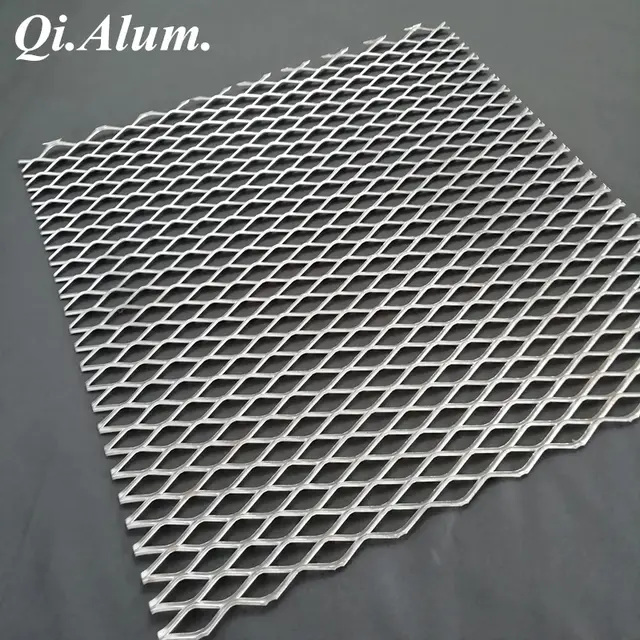
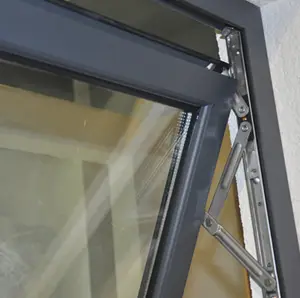
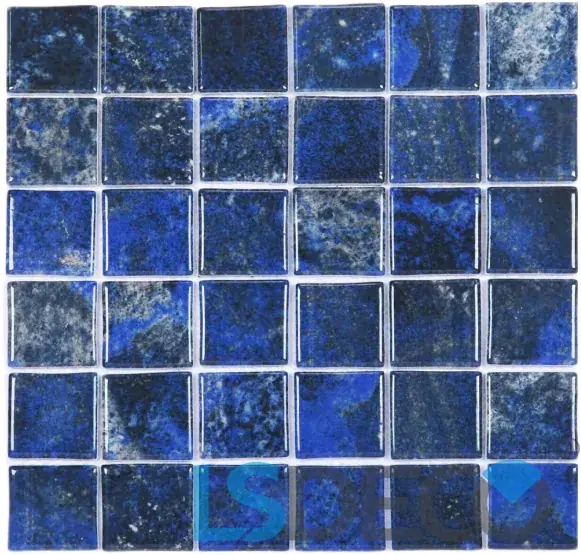
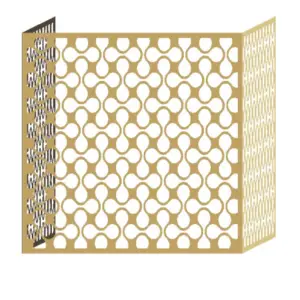
Product photos are taken from the supplier listings on CifyChina and link to each supplier's page. They illustrate the product type discussed; they are not an endorsement of any specific item.
Windows, doors and curtain wall
For aluminium windows and curtain walls — SPEC Facade lists awning windows, doors, curtain wall and cladding — specify:
- Profile system: alloy and temper (6063-T5/T6), wall thickness, thermal break (polyamide strip width), and surface finish (powder coat to Qualicoat class, anodising thickness, or PVDF).
- Performance: air permeability, water-tightness and wind-load resistance to a named standard (EN 12207/12208/12210, AAMA/NAFS in North America, or the project's specification), with test reports for the system.
- Glazing: double or triple glazing, low-E coating, toughened or laminated safety glass as required by code, U-value and solar heat gain.
- Hardware: brand and corrosion class for handles, hinges and locks; stainless fixings.
For projects in hurricane or cyclone regions, impact-rated systems with specific test certification are required.
Tiles and mosaics
For porcelain and ceramic tiles, the key specifications are:
- Water absorption (porcelain ≤ 0.5% per ISO 13006 / EN 14411 group BIa).
- Dimensional tolerance and rectification, flatness, and calibre consistency across batches.
- Slip resistance (R ratings per DIN 51130, pendulum test values, or DCOF in the US) — critical for pools, bathrooms and exteriors.
- Frost resistance for outdoor use in cold climates.
- Shade and batch: order the full quantity from one production batch where possible; note batch and shade codes.
- PEI abrasion class for glazed floor tiles.
Foshan Lands Building Materials lists pool, glass and bathroom mosaic collections; Foshan Riko Building Material is a Foshan tile listing; and Shing Fong Sihui lists PVC building materials. For hand-painted decorative tiles, artisanal workshops can be sourced as well.
Samples and mock-ups
For façades, request large-format samples of each finish, and for large projects a visual mock-up or a performance mock-up tested at an accredited facility. Record the approved sample, colour code and batch as the contractual reference.
Fixings and substructure
Cladding systems are only as good as their subframe and fixings. Specify aluminium or stainless substructure, fixings with appropriate corrosion class, and fire barriers/cavity barriers per code. Structural steel parts should come with mill certificates — see Verifying Mill Test Certificates for Steel from China — and screws and anchors with the documentation described in Buying Fasteners from China: Grades, Coatings and Testing.
Packaging and site logistics
Panels and tiles are heavy and fragile. Specify protective film on panel faces (with UV-resistant film for long site exposure), wooden crates or pallets suitable for sea freight, labelling that matches the installation drawings (panel IDs for fabricated cassettes), and delivery sequencing for large projects. Breakage allowances of 2–5% for tiles are normal to order.
Documentation checklist
- Fire classification reports for exact products and thicknesses.
- System performance test reports (windows/curtain wall).
- Coating warranty from the coating supplier and manufacturer.
- Material certificates for aluminium alloys and steel.
- CE marking and Declaration of Performance (EU Construction Products Regulation) where applicable.
- Installation manuals and details.
How to compare quotes for panels and tiles
Cladding and tile quotes are easy to make look cheaper by changing invisible parameters. Put every quote into the same comparison table with these columns:
- Product and core/body type (e.g. ACP A2 core, 4 mm total, 0.5 mm skins; porcelain full-body vs glazed).
- Alloy or body specification and coating system (PVDF 2-coat vs 3-coat; polyester; glaze type).
- Thickness tolerance and flatness stated by the manufacturer.
- Fire classification report number, laboratory and date — or "none".
- Coating or product warranty in years, and who issues it.
- Packing and loading quantity per container; breakage allowance.
- Lead time from sample approval.
- Price basis: per m², per sheet or per piece, and Incoterm.
A quote that looks 15% cheaper often turns out to use 0.3 mm skins instead of 0.5 mm, a polyester coating instead of PVDF, or an FR rather than A2 core. For tiles, a lower price frequently means a lower grade (second choice) or a mixed-batch shipment. Asking every supplier to complete the same table exposes these differences before they reach the building.
Inspection before shipment
For panels, inspect coating thickness with a gauge, colour against the approved sample under daylight, flatness, skin thickness at cut edges, peel strength on a sample, and protective film quality. For tiles, check size calibre, flatness, shade consistency by laying out tiles from several boxes, water absorption on a sample if porcelain is claimed, and packing integrity. Photograph batch codes on every pallet.
Working with the project team
On most façade projects, the architect, façade consultant and fire engineer define the requirements, and the contractor sources the products. Share the Chinese manufacturer's documentation with the whole team early — before samples are shipped — so that any gaps in fire classification or performance testing are identified while there is still time to test or switch products.
Frequently asked questions
Is FR ACP acceptable everywhere? No. Some jurisdictions require A2 or non-combustible materials above certain building heights. Check with the project's fire engineer and local code.
How do I prevent colour differences? Order each colour in one production batch, record batch numbers, and keep approved samples on site.
What payment terms are common for projects? Deposit plus balance before shipment, sometimes with a retention for large projects. See First China Order: Incoterms, Payment Terms and Deposit Protection.
How long do PVDF coatings last? Quality multi-coat PVDF finishes on aluminium commonly carry warranties of 10 to 20 years against excessive colour change, chalking and peeling, depending on exposure. Ask who issues the warranty — the coating manufacturer, the panel maker or both — and what conditions (coastal or industrial environments, maintenance) apply.
Have a similar requirement? Send the specification or drawing on WhatsApp and we will match it against the suppliers in the directory.