
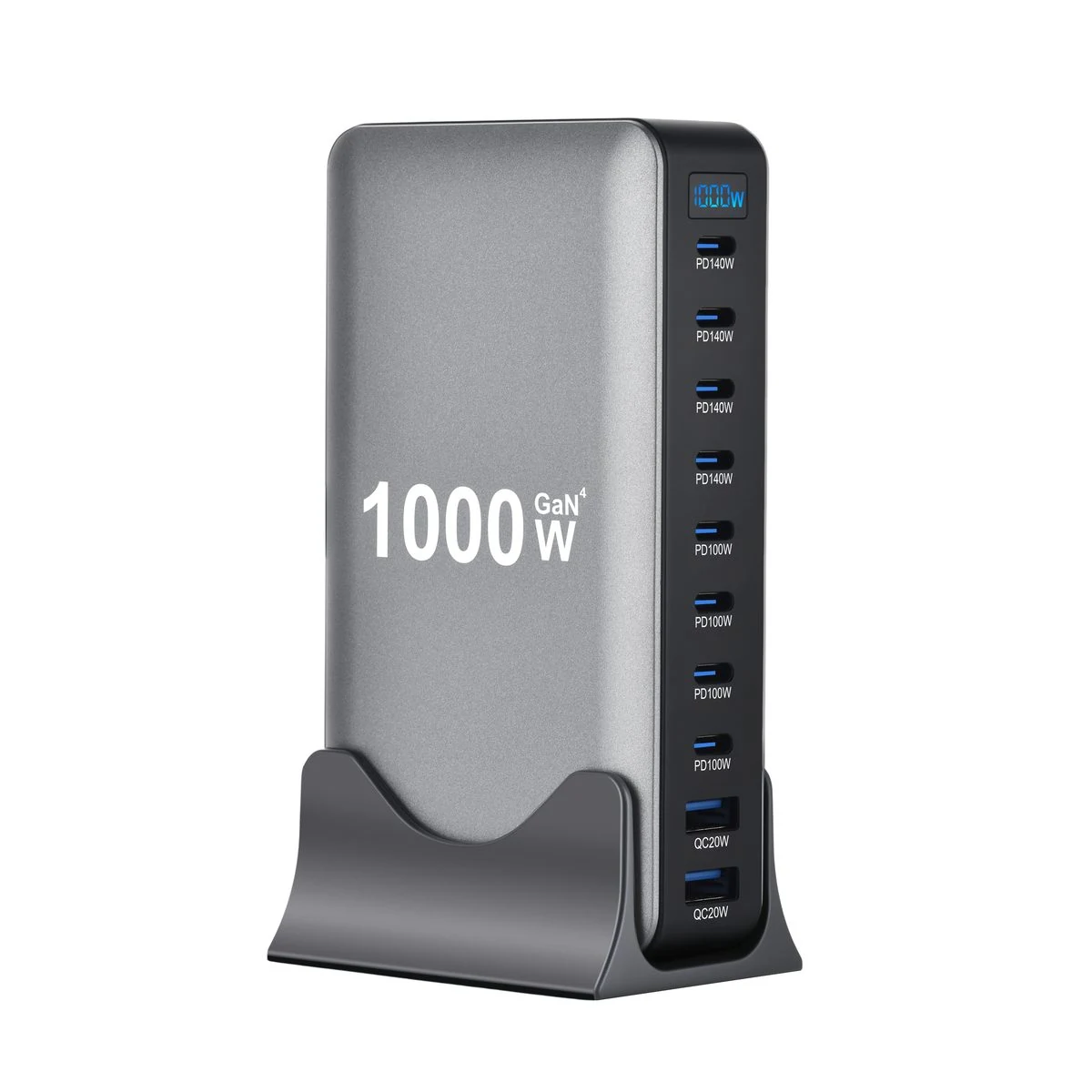
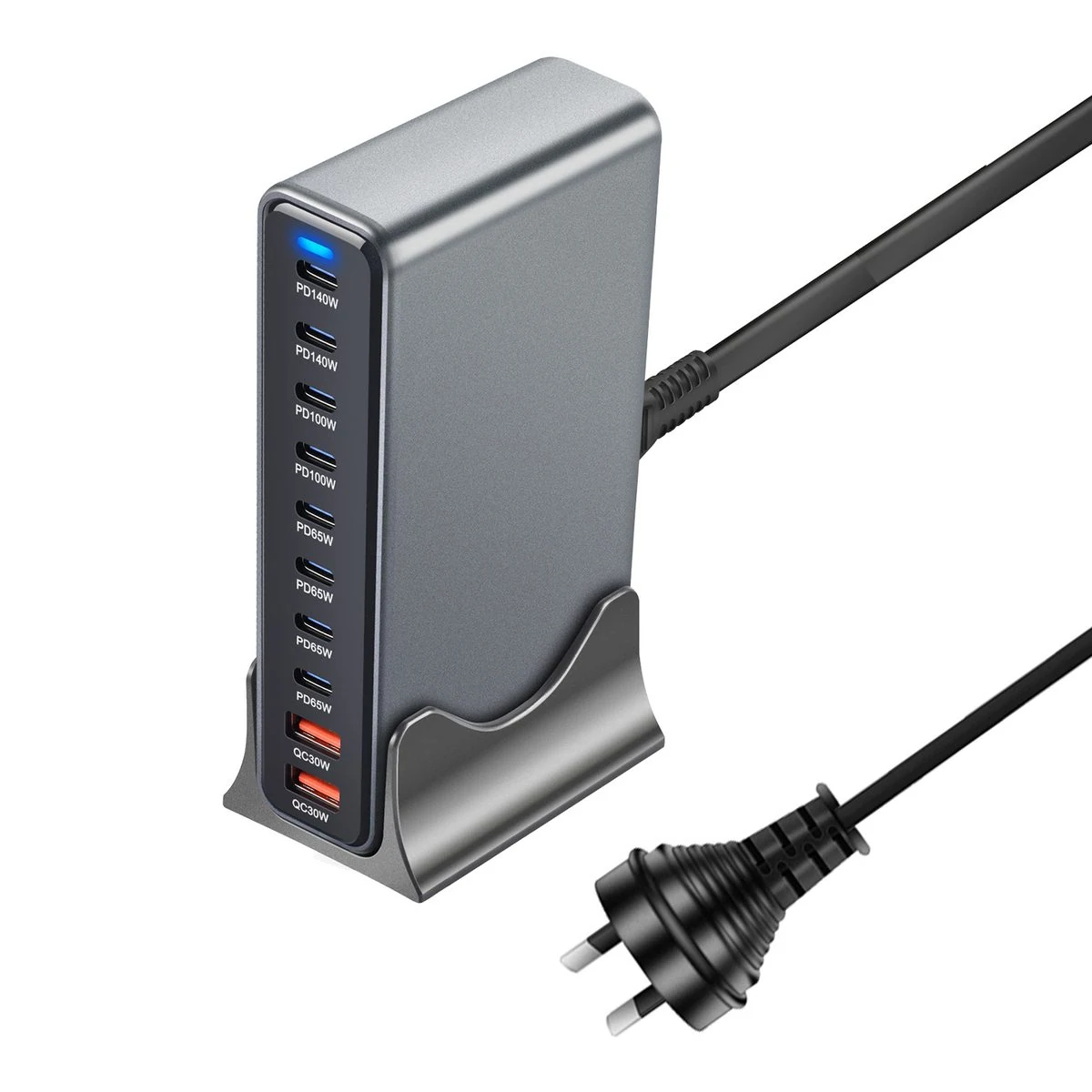
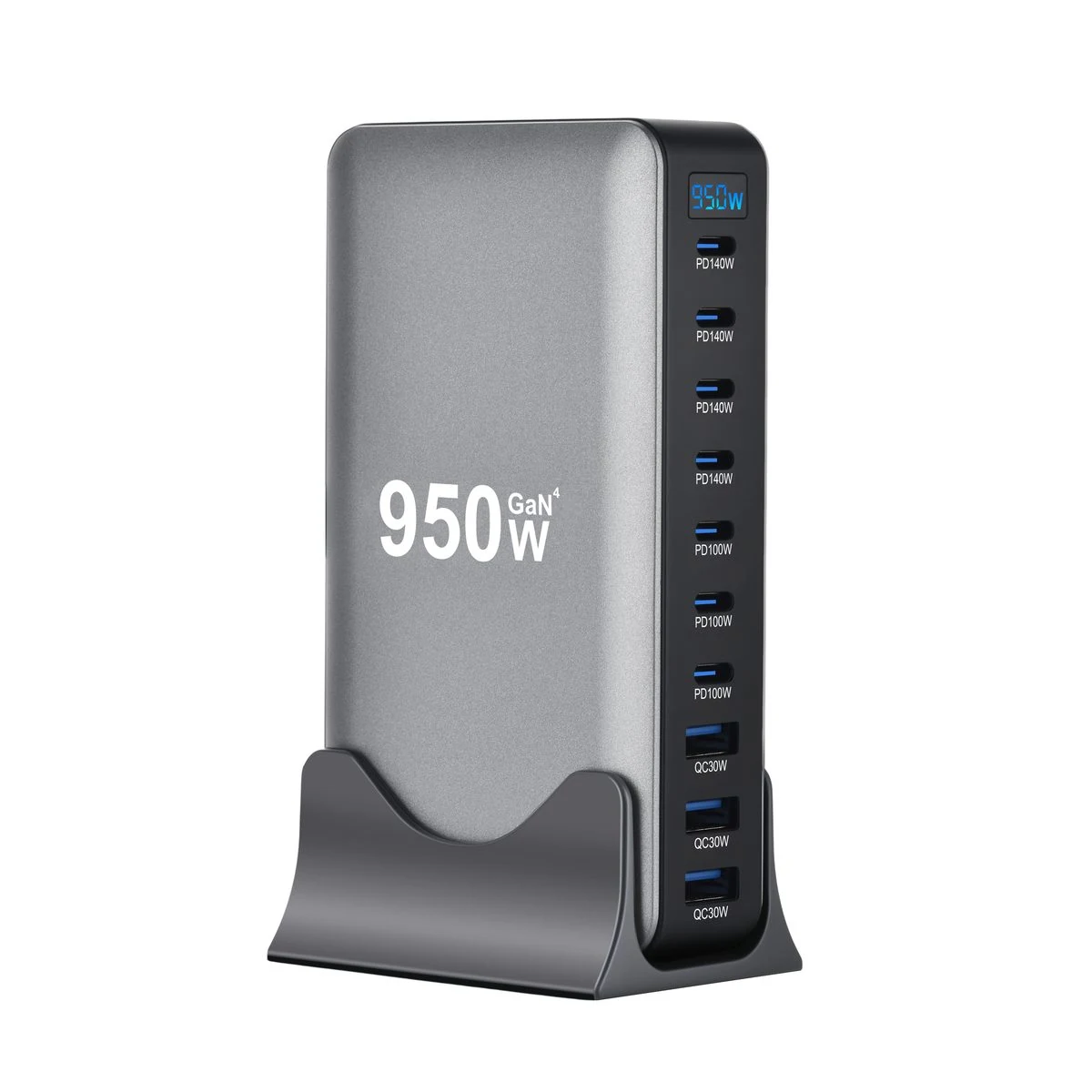
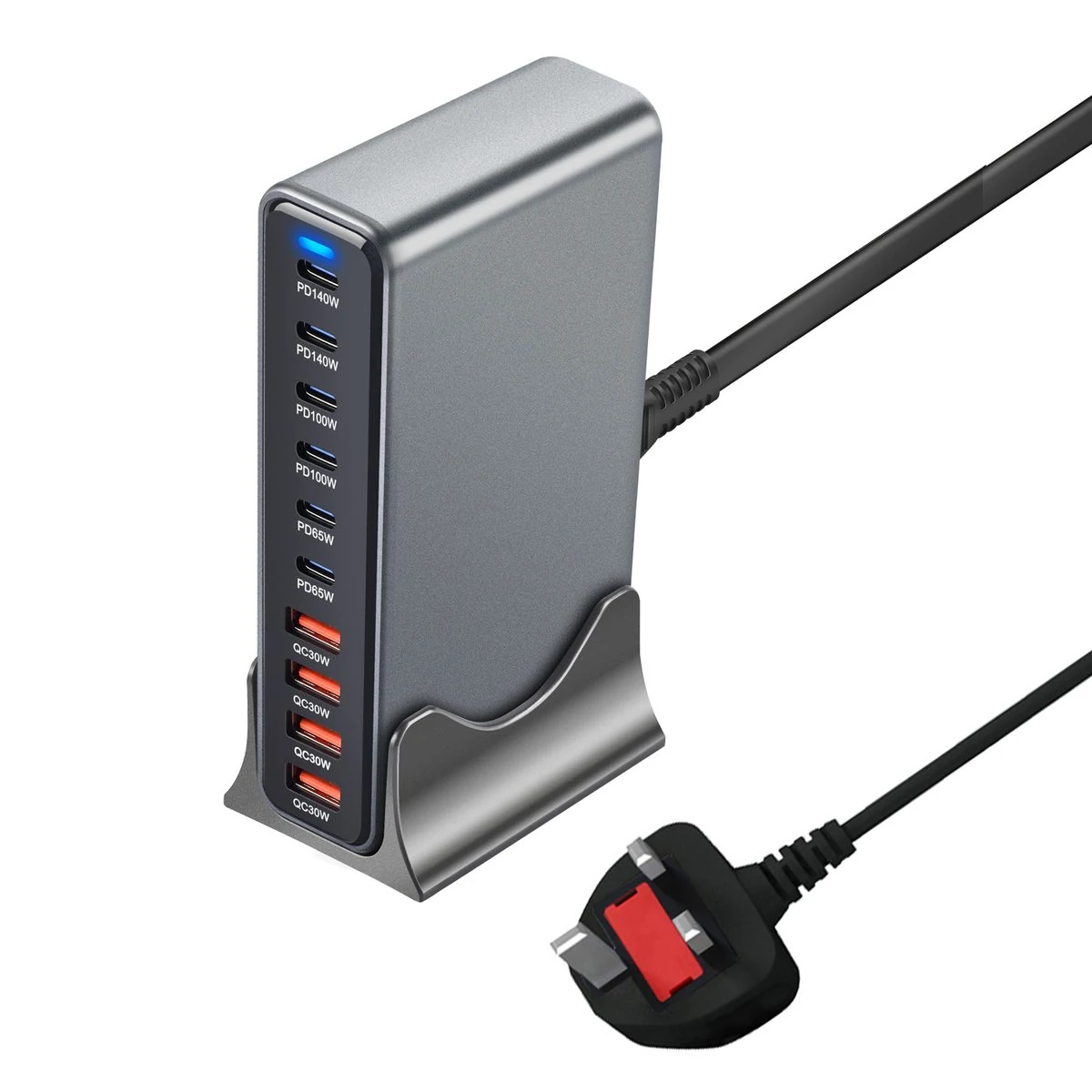
Shipping power banks: UN38.3, MSDS and freight choice
What lithium-cell documentation covers, why sea freight is the default for power banks, and how to plan a launch date around it.
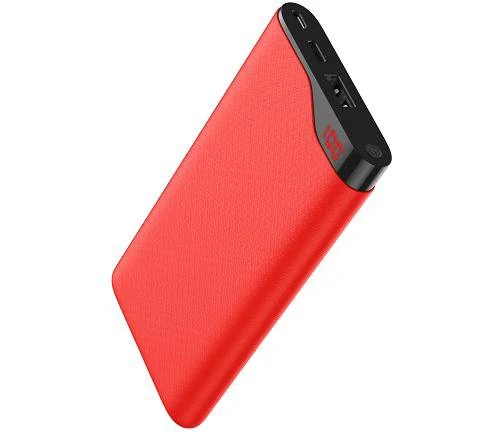
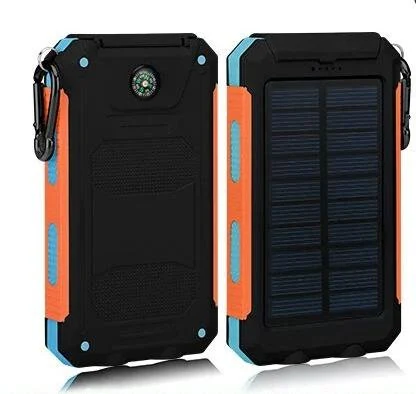
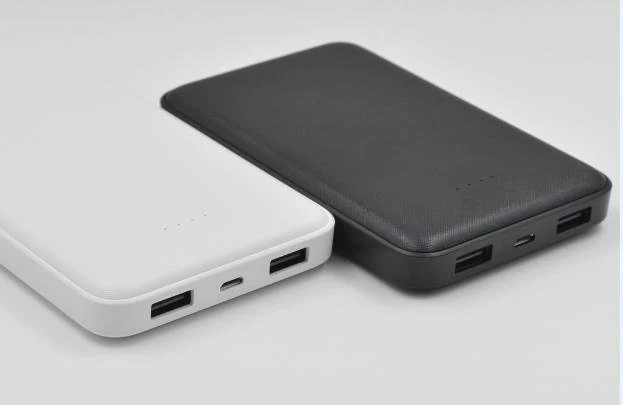
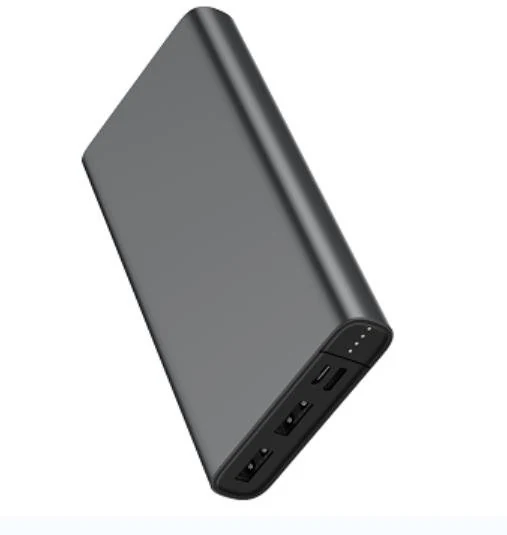
Power banks are lithium cells in a moulded shell, and freight treats them accordingly. Plan the shipping method before you fix the launch date, not after.
The two documents
Every LEVA power bank ships with MSDS and UN38.3 documentation alongside the usual CE, FCC and RoHS. MSDS describes the cell chemistry and is what a forwarder asks for before accepting the booking. UN38.3 is the transport test standard — altitude simulation, thermal cycling, vibration, shock, external short circuit and overcharge. Without a current UN38.3 report for the cell in your unit, the shipment does not move, by sea or by air.
Sea is the default
Sea freight is the standard route for volume power bank orders: cheapest per unit and least restricted. Air shipment is available with UN38.3 in place, but carriers apply state-of-charge limits, packing instructions and quantity caps per package, and the cost difference on a pallet of 20,000mAh units is substantial.
The planning consequence is simple. A 25–30 day production lead time plus sea transit is the number that belongs in your launch plan. Air is the recovery option when something slips, not the base case.
Capacity affects handling
Larger cells attract more restrictive handling. A 2,200mAh mini and a 20,000mAh polymer unit are the same product category to a buyer and different categories to a forwarder. If you are running a mixed order, confirm handling for the largest capacity in the shipment rather than the average.
Packaging is part of compliance
Lithium transport rules cover the packaging as well as the cell. Retail box design, inner carton count and outer carton marking all interact with the packing instruction that applies to your shipment. Since we produce the packaging in-house, this is worth settling at artwork stage — it is cheaper than repacking at the port.
Ask early
Tell us the destination port and intended freight mode with the initial enquiry. It changes nothing about the product, and it changes quite a lot about the schedule we quote you.
More from the knowledge base.
GaN vs legacy silicon: what changes in a desktop charger
Why gallium nitride switching lets a 1000W charger fit on a desk, and what the generation number on a LEVA…
ReadPD 3.1 and 140W: reading a multi-port power budget
How USB Power Delivery 3.1, PPS and Quick Charge share a fixed wattage budget across ten ports, and why "PD…
ReadChoosing a port mix for a mixed device fleet
USB-C or USB-A, and how many of each. A practical method for matching port count to the devices that will…
ReadNeed this applied to your order?
Send the requirement and we will come back with model picks, lead time and pricing within 24 hours.