

What an eight-hour aging cycle catches
The four QC checkpoints between component reel and pallet wrap, and why the aging bench is the one that decides your field failure rate.
Four checkpoints sit between a reel of components arriving and a wrapped pallet leaving. Three of them catch manufacturing defects. The third catches the failures that only show up under load.
01 — IQC, incoming inspection
Every component reel is sampled and bench-tested before it reaches the SMT line. PCB substrates, GaN switches and electrolytic capacitors are verified against datasheet specification. This is the cheapest place to reject a part, and the only place where a bad batch can be stopped before it is soldered into several thousand boards.
02 — SMT and AOI
Solder joint quality and component placement are scanned optically on every board after reflow. Automated optical inspection catches misplacement, tombstoning and bridging before the board moves to through-hole and casing — before, in other words, any defect becomes expensive to reach.
03 — Aging, eight hours at 100% load
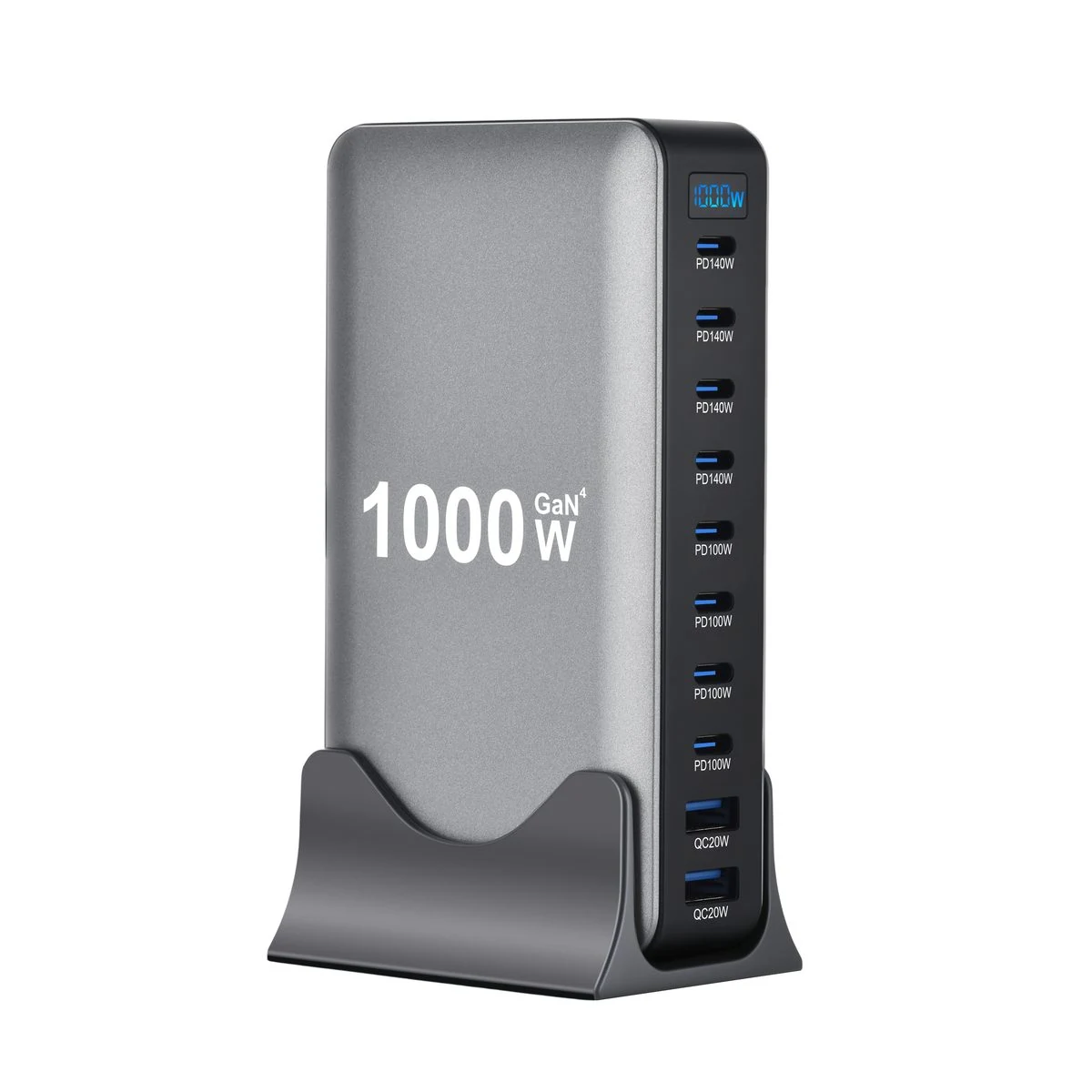
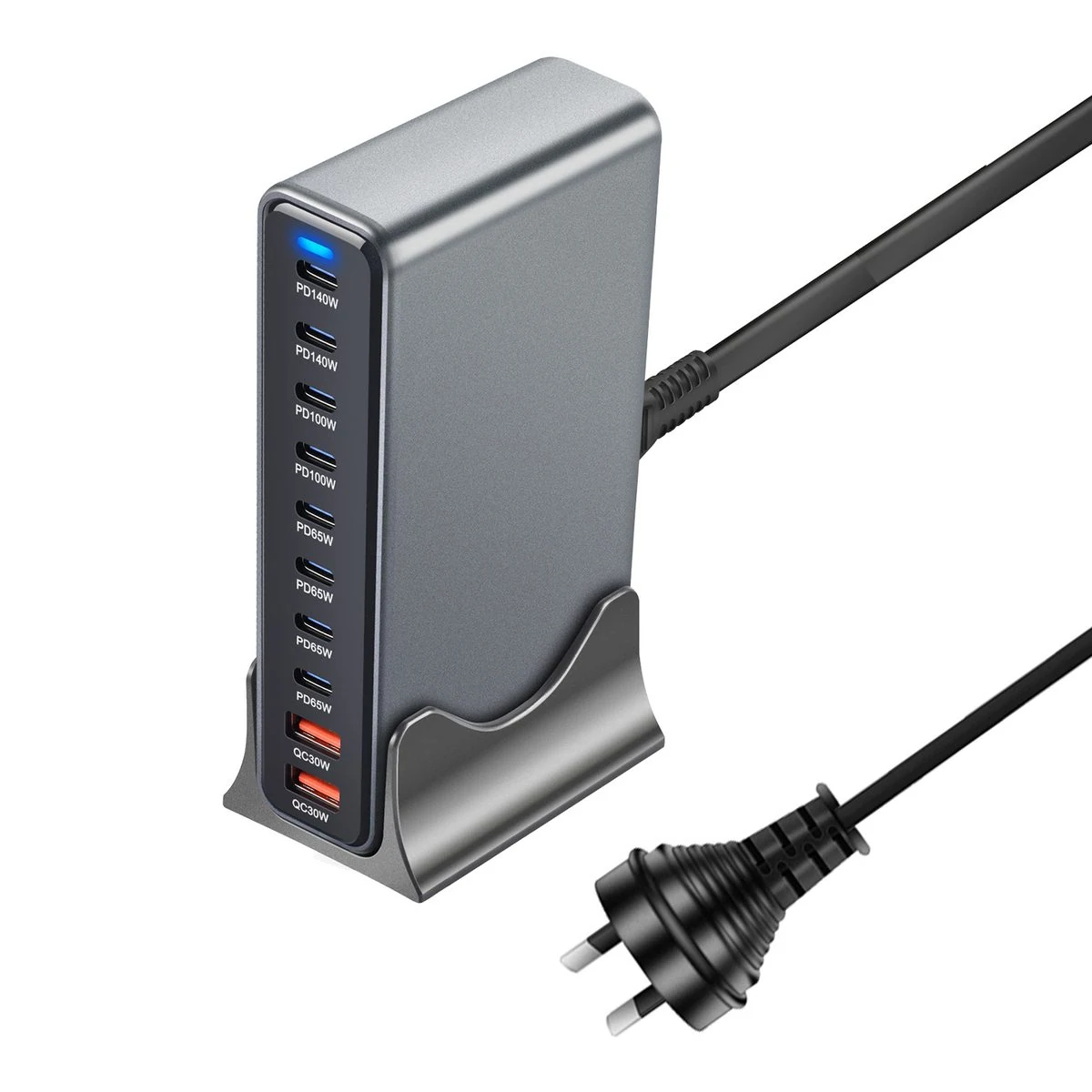
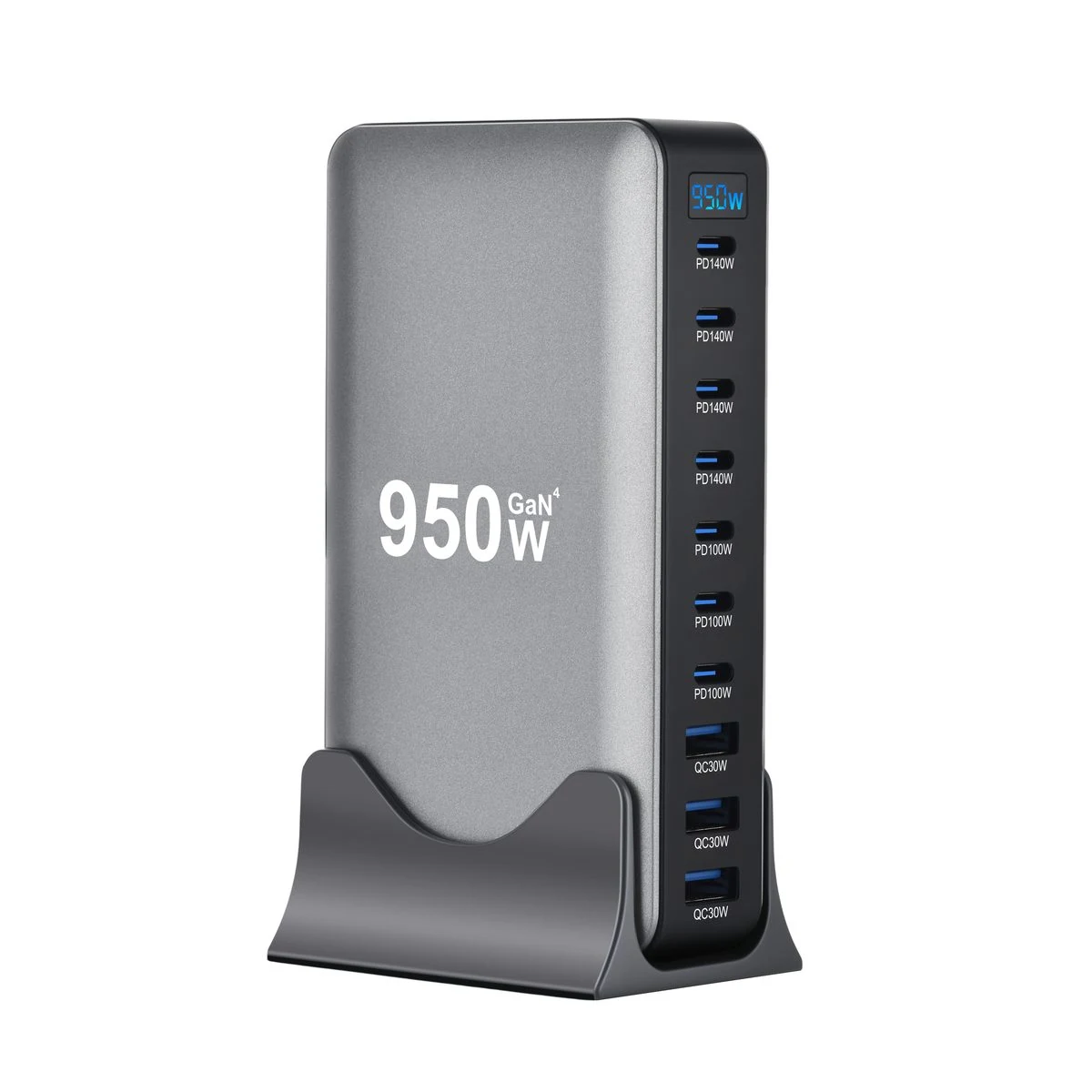
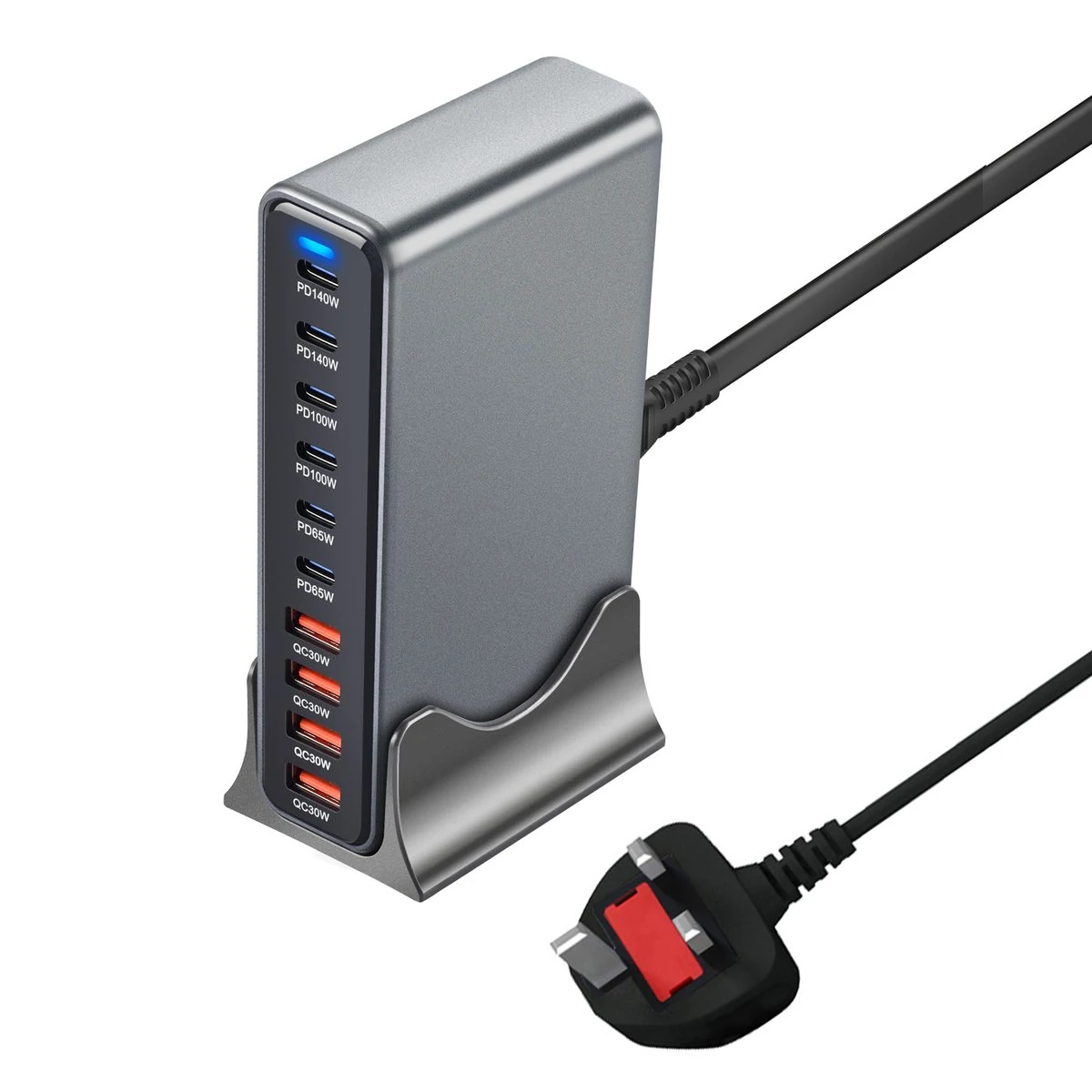
This is the checkpoint that decides your field failure rate. Every assembled unit runs at its full rated wattage for eight hours. Not a sample — every unit.
A two-minute bench test confirms a charger works. It does not surface a marginal electrolytic capacitor, an undersized thermal path, or a solder joint that is mechanically sound at ambient and opens at operating temperature. Those failures need time at temperature to appear. Running them out on our aging bench means they fail here, in Bao'an, instead of in your warehouse or on a customer's desk.
04 — Pre-ship, 3% AQL audit
A pre-shipment AQL audit covers 3% of every batch: cosmetic, electrical and packaging. It is the last gate before pallet wrap, and it is the one that catches problems introduced after assembly — packaging mix-ups, label errors, transit damage inside the carton. Pass rate runs above 99.5%.
Why this shapes the quote
Eight hours of aging on every unit is a real cost in floor space, electricity and cycle time, and it is part of why our charger lead times read 22–25 days rather than shorter. Buyers comparing quotes across suppliers should check whether aging is per-unit or per-sample — the difference does not show up in the price column, but it shows up in the return rate.
More from the knowledge base.
GaN vs legacy silicon: what changes in a desktop charger
Why gallium nitride switching lets a 1000W charger fit on a desk, and what the generation number on a LEVA…
ReadPD 3.1 and 140W: reading a multi-port power budget
How USB Power Delivery 3.1, PPS and Quick Charge share a fixed wattage budget across ten ports, and why "PD…
ReadChoosing a port mix for a mixed device fleet
USB-C or USB-A, and how many of each. A practical method for matching port count to the devices that will…
ReadNeed this applied to your order?
Send the requirement and we will come back with model picks, lead time and pricing within 24 hours.