
Spec sheets,
explained.
What the numbers on a multi-port charger actually commit to, what certification travels with a shipment, and how an OEM order runs from brief to pallet. Written by the team that builds them.
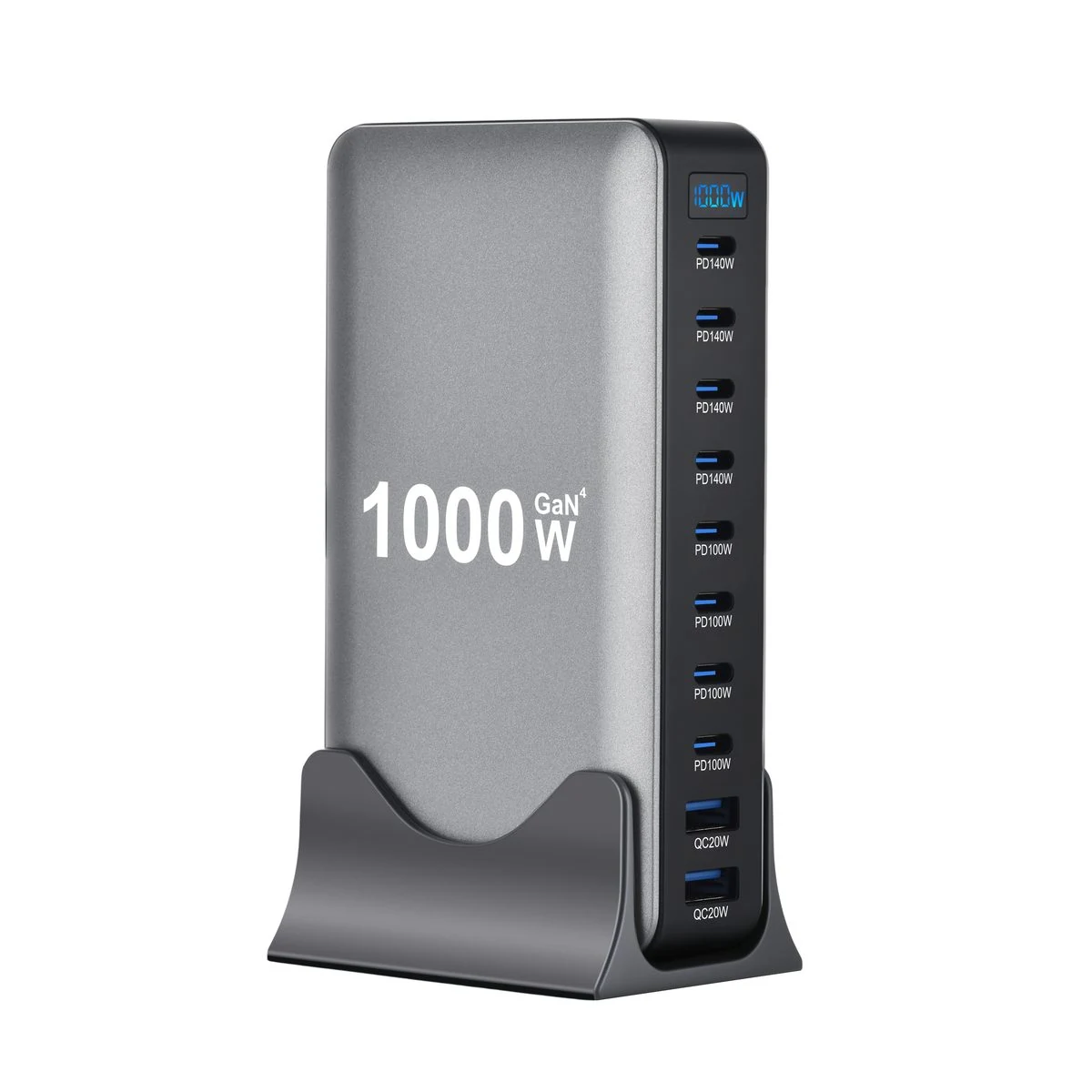
GaN vs legacy silicon: what changes in a desktop charger
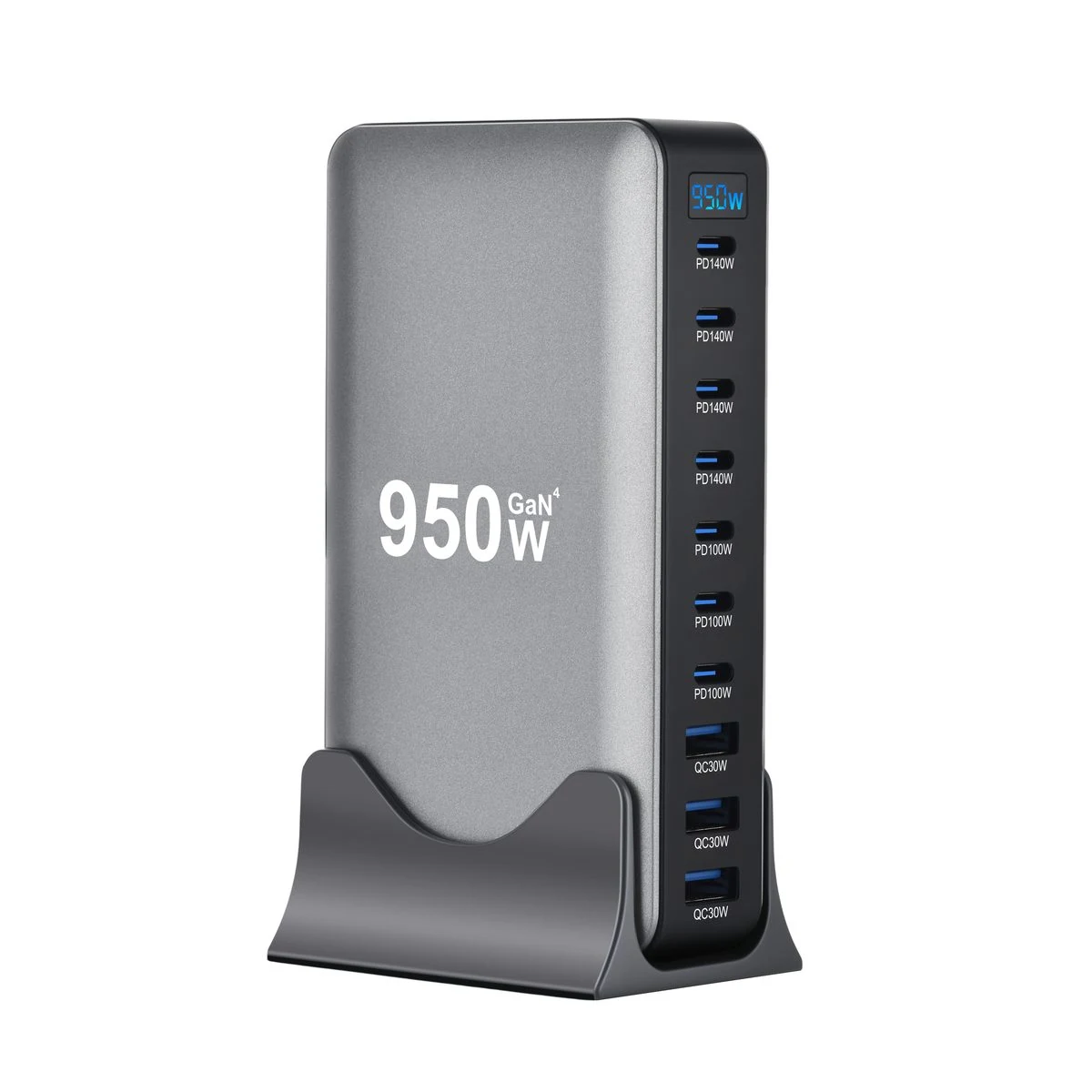
Why gallium nitride switching lets a 1000W charger fit on a desk, and what the generation number on a LEVA spec sheet actually refers to.
- GaN
- Thermals
- Density
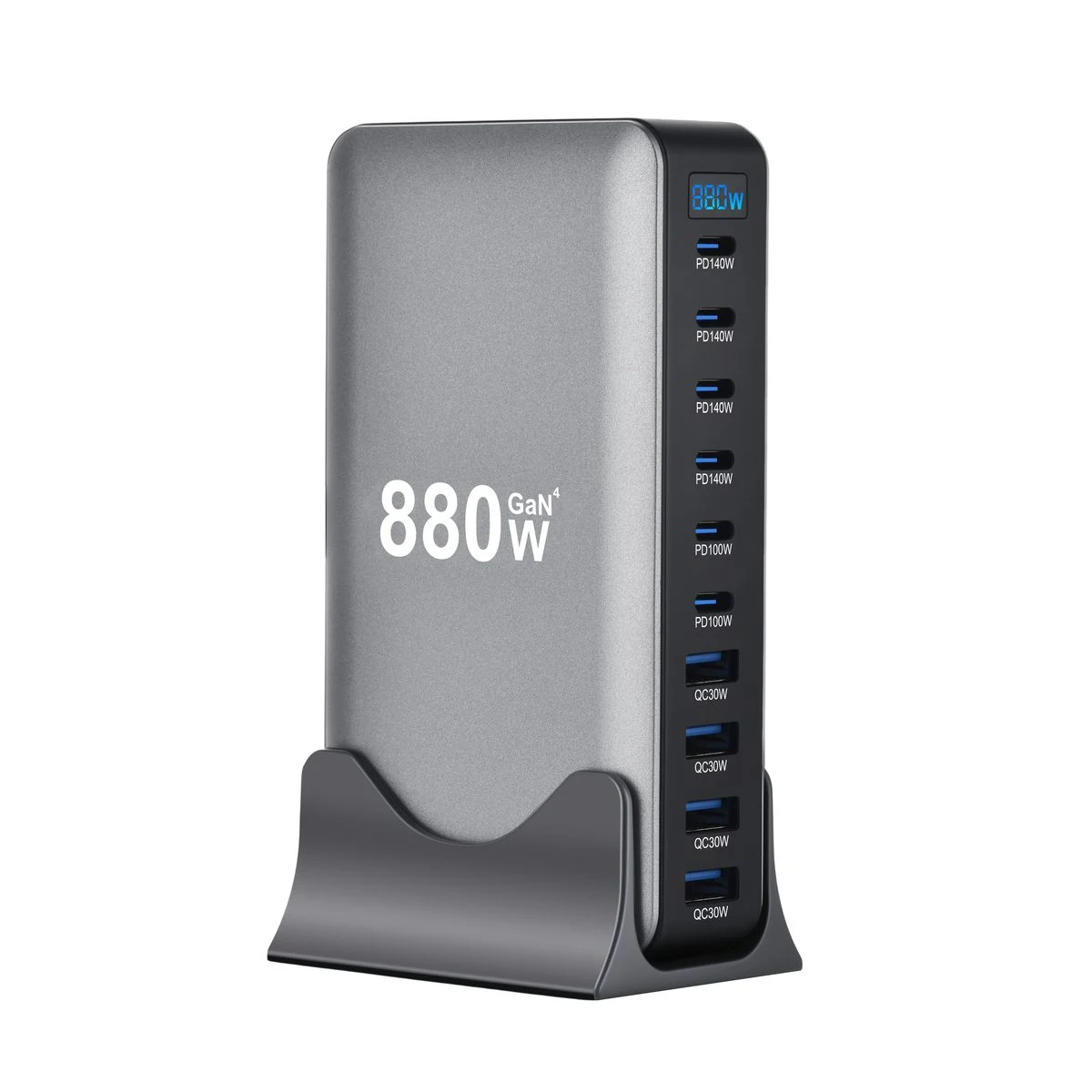
PD 3.1 and 140W: reading a multi-port power budget
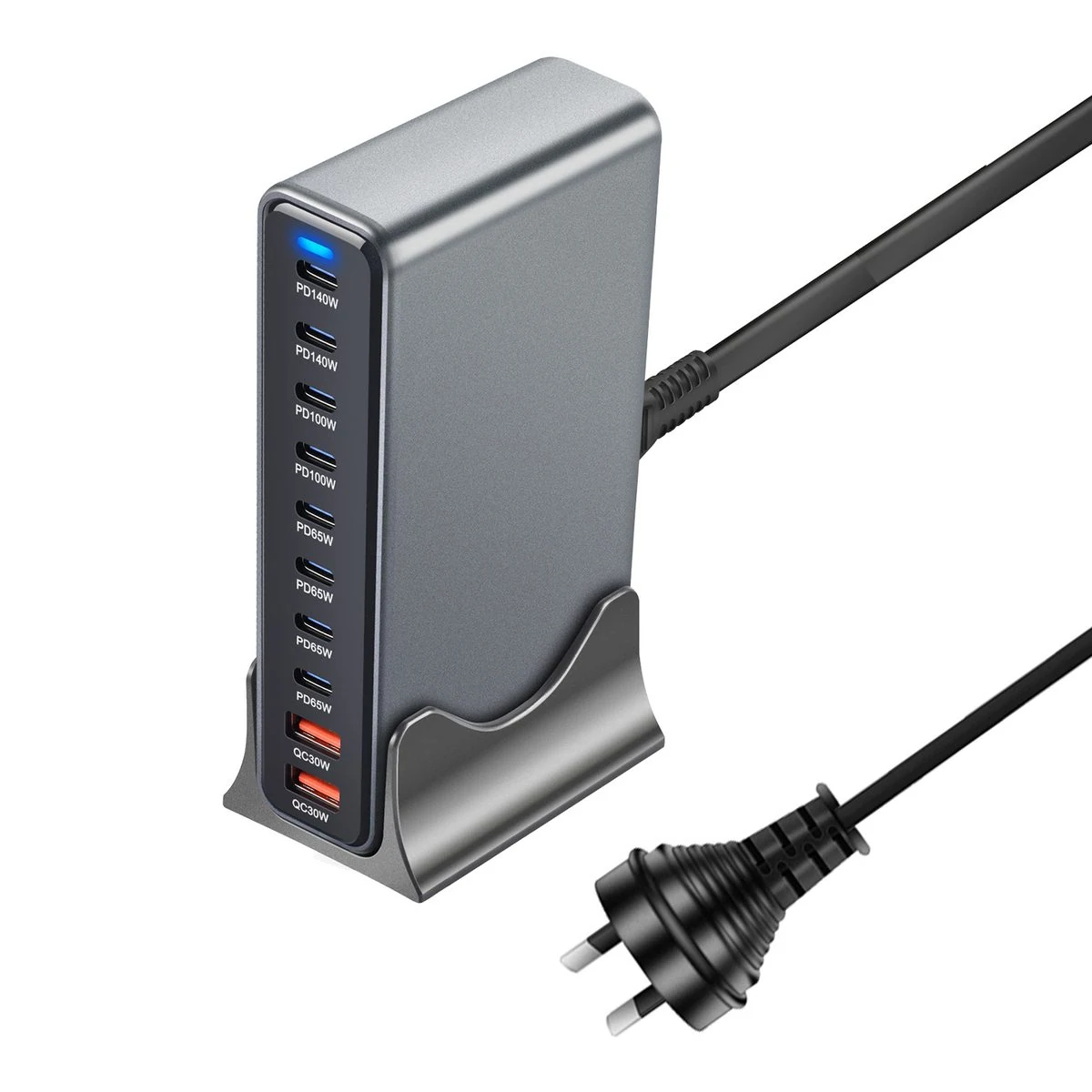
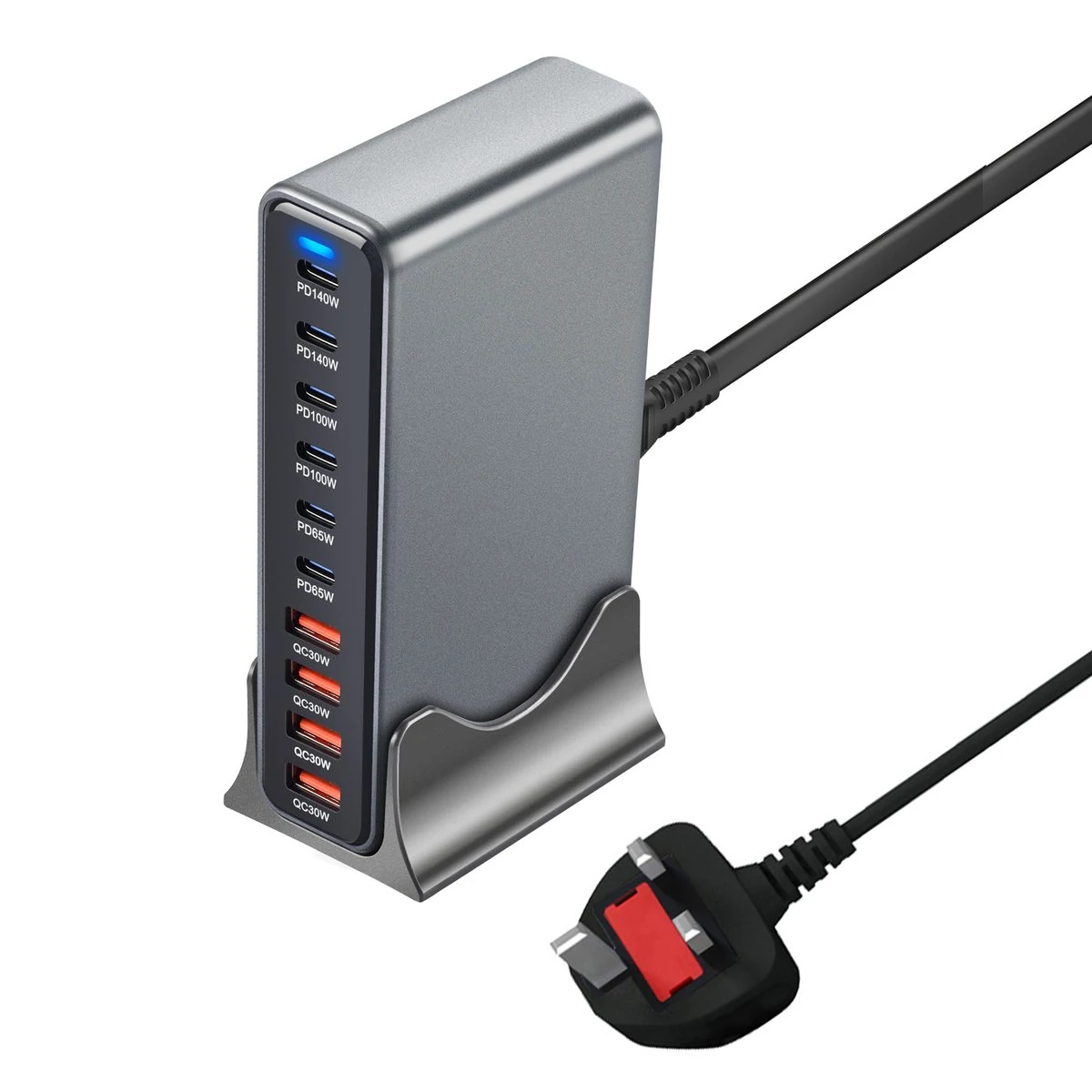
How USB Power Delivery 3.1, PPS and Quick Charge share a fixed wattage budget across ten ports, and why "PD 140W" is a lead-port figure.
- PD 3.1
- PPS
- QC 3.0
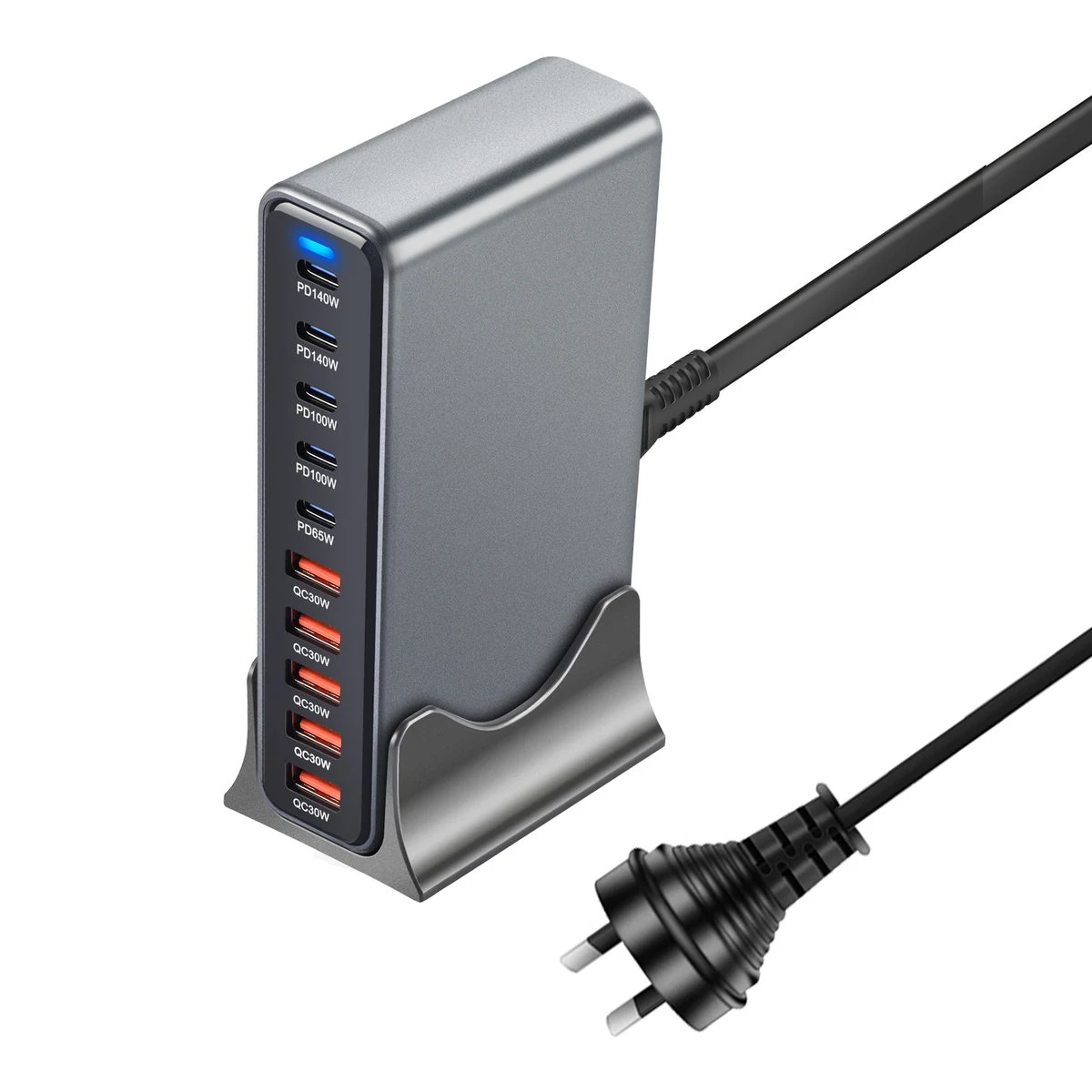
Choosing a port mix for a mixed device fleet
USB-C or USB-A, and how many of each. A practical method for matching port count to the devices that will actually be plugged in.
- USB-C
- USB-A
- Deployment

What an eight-hour aging cycle catches
The four QC checkpoints between component reel and pallet wrap, and why the aging bench is the one that decides your field failure rate.
- QC
- Aging
- AQL
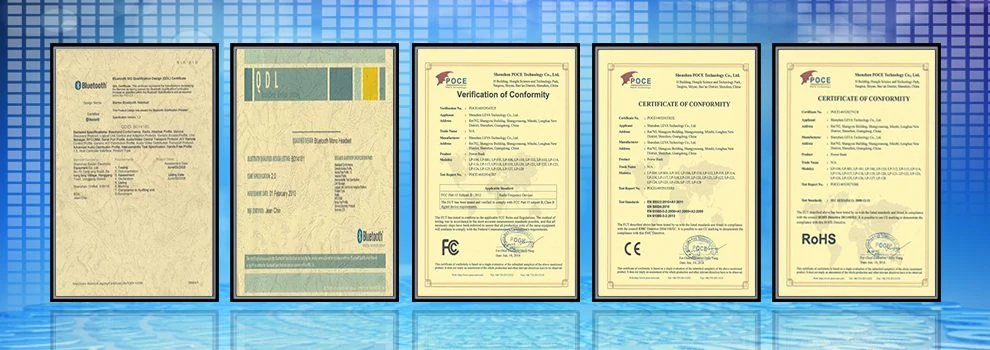
Charger and power bank certifications by market
CE, FCC, RoHS, BSCI, PSE, KC, CCC, SAA — which marks travel with the shipment, and what lithium cells add to the paperwork.
- CE
- FCC
- UN38.3
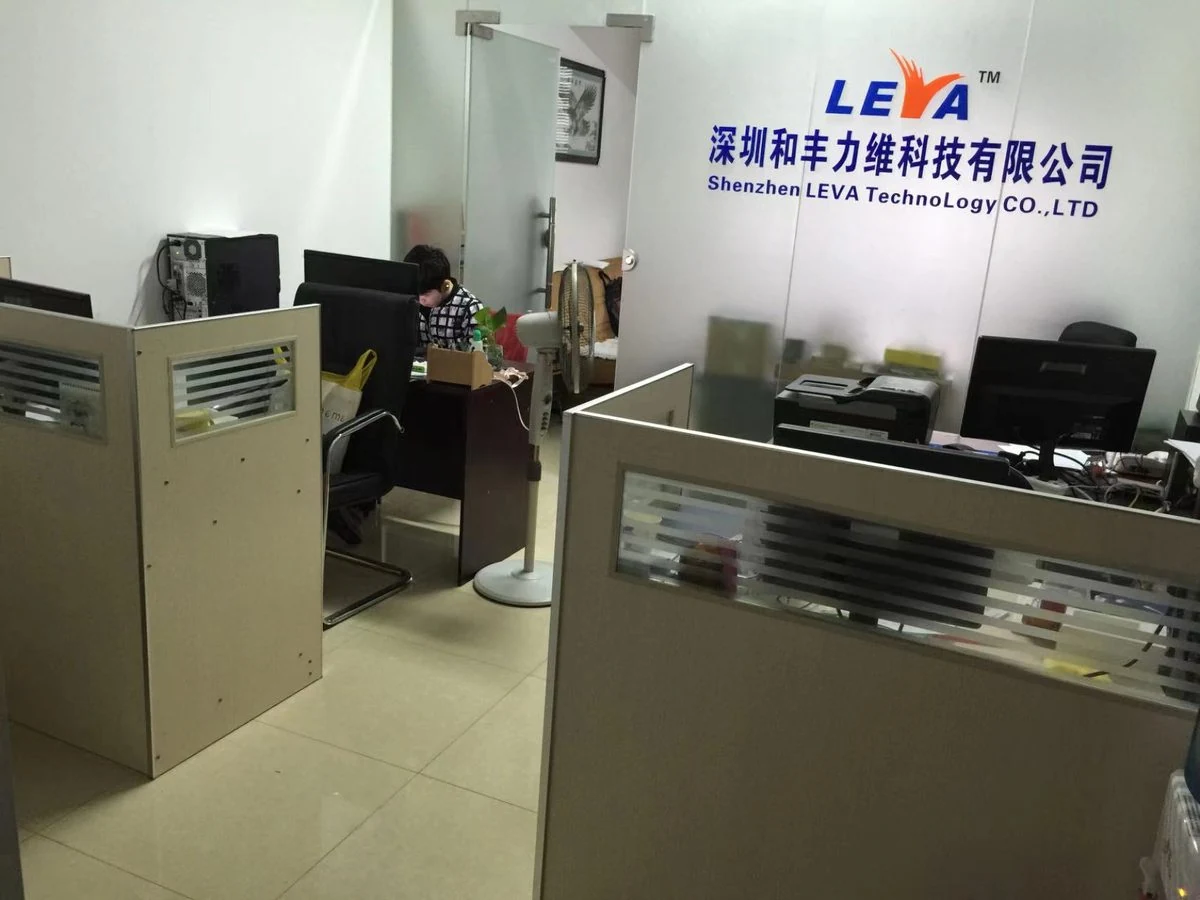
How an OEM charger order runs, step by step
From port-mix brief to pallet: MOQ tiers, tooling, sample sign-off, lead times and payment terms on a LEVA private-label build.
- OEM
- MOQ
- Lead time
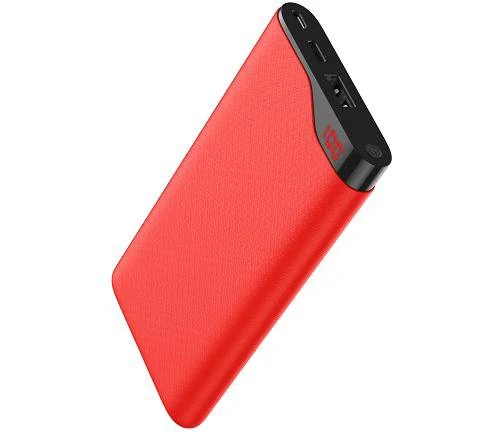
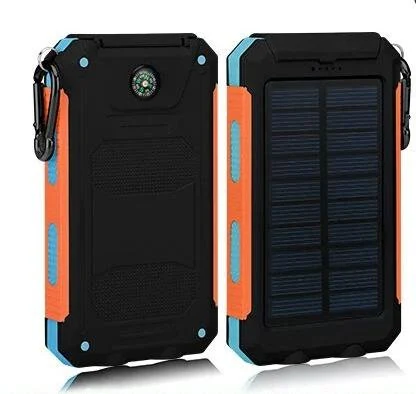
Shipping power banks: UN38.3, MSDS and freight choice
What lithium-cell documentation covers, why sea freight is the default for power banks, and how to plan a launch date around it.
- UN38.3
- MSDS
- Freight
Question the articles do not answer?
Our engineers answer technical questions directly — no gatekeeping, no lead form.