The chain, end to end
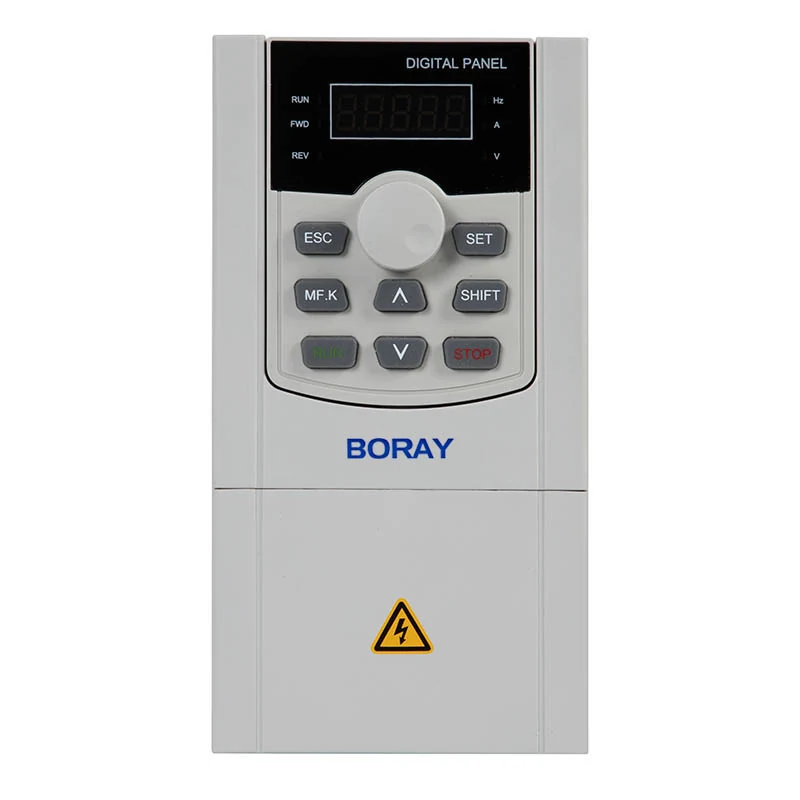
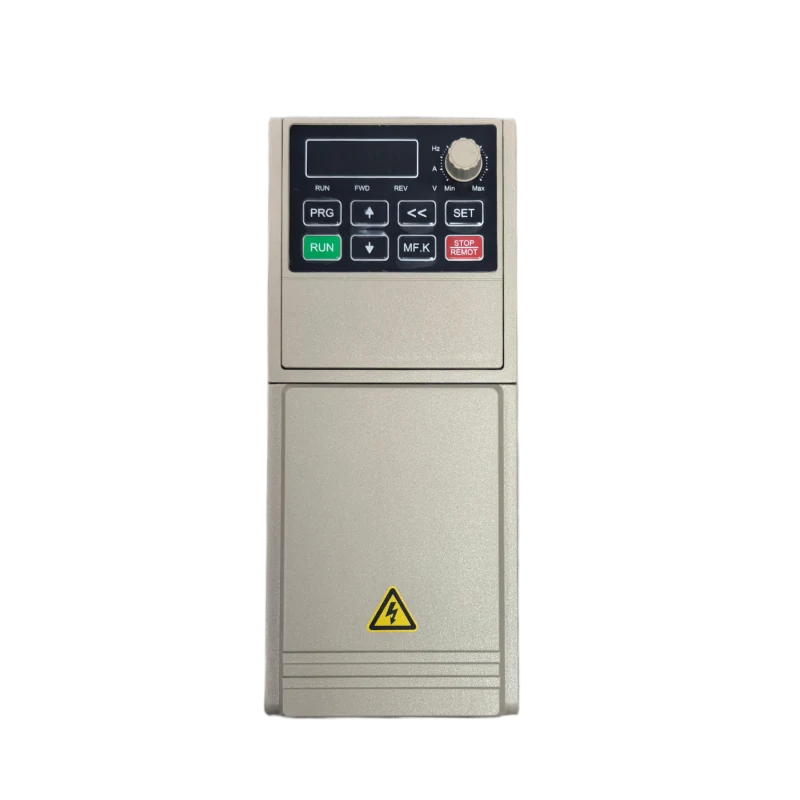
A solar pumping system has four parts: the solar array, the solar pump inverter, the pump and the pipework. The array absorbs DC power from the sun. The inverter converts it to AC and sets the output frequency. The pump — an ordinary AC pump, not a special DC one — runs at whatever speed that frequency dictates.
Why the storage is water, not electricity
Batteries are the largest single cost in most off-grid energy systems, and the shortest-lived component. A pumping system avoids them by storing the output instead of the input: the pump fills a tank while the sun is up, and the tank supplies demand overnight. This is why the design life of the system exceeds 20 years while a battery bank would need replacing several times over that span.
What MPPT is actually doing
A PV array has one operating point at any moment where power output peaks, and it moves with irradiance and cell temperature. Maximum power point tracking continuously adjusts the load the inverter presents so the array sits at that point. On a solar pump inverter this shows up as rapid speed adjustment: when a cloud crosses, frequency falls rather than the drive tripping on under-voltage.
The protections that are specific to pumping
A general-purpose VFD protects itself and the motor. A solar pump inverter also has to protect the pump from the well. Dry-run protection stops the pump when the borehole yield falls below draw. Tank level detection stops it when the tank is full. Minimum power input protection stops it when there is not enough irradiance to pump usefully, instead of grinding at near-zero flow. PQ curve and sand cleaning functions handle the specific failure modes of submersible pumps in silty water.
Array voltage is set by the pump
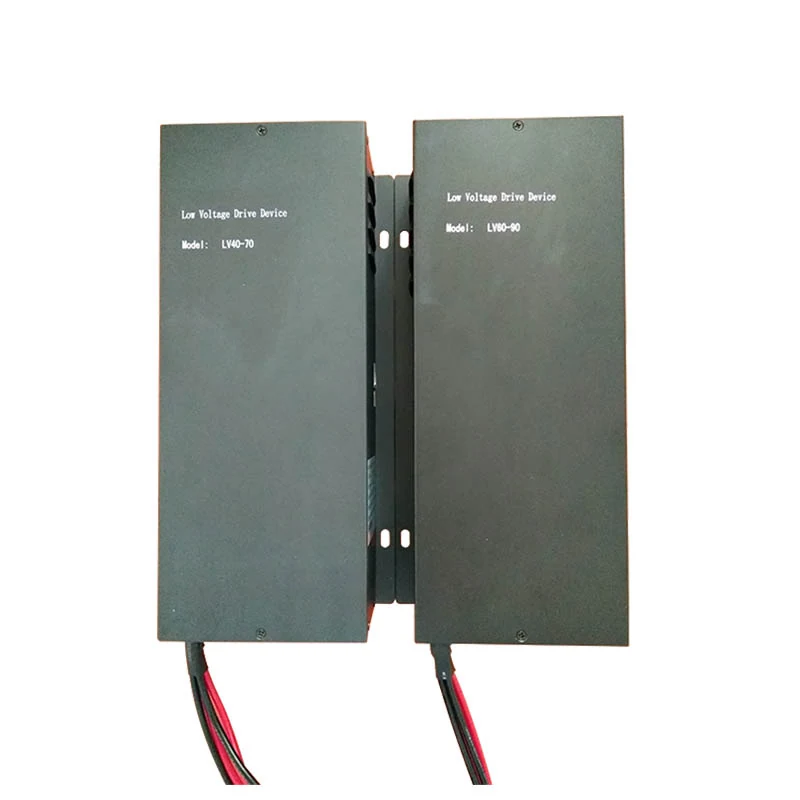
The DC voltage the array must supply follows the pump's AC rating. A 220 VAC pump set needs roughly 310 VDC working voltage and 350 VDC open-circuit. A three-phase 380 VAC pump needs around 540 VDC and 620 VDC. Where the array cannot reach those figures, a DC booster such as the LV40-70 or LV60-90 raises the voltage rather than forcing a longer series string.