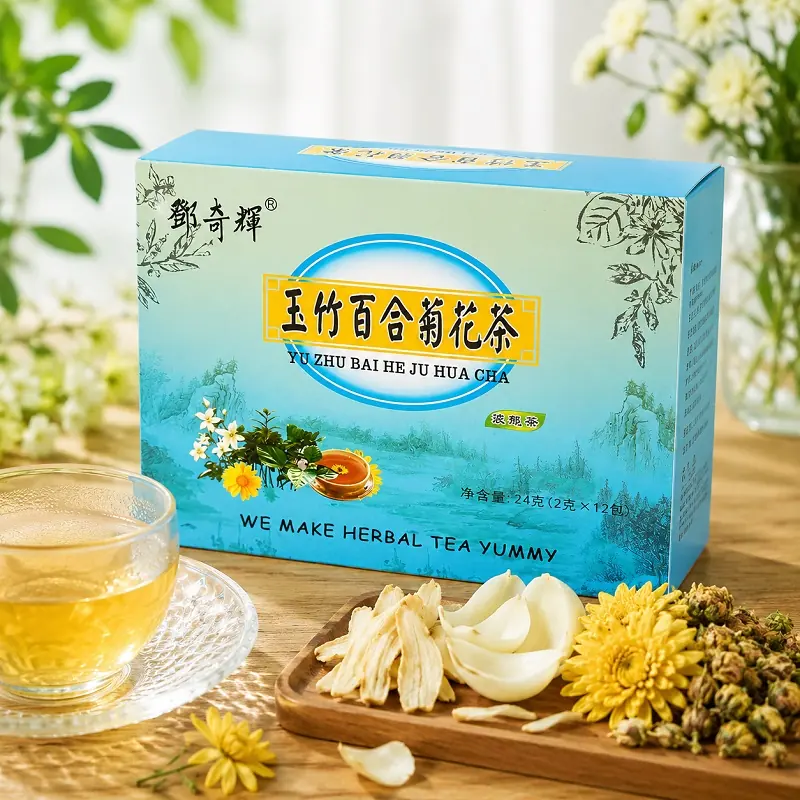
Polygonatum Lily and Chrysanthemum Tea
Polygonatum Lily and Chrysanthemum Tea is a traditional Chinese herbal tea formulated for daily refreshment and gentle wellness. Each sealed teabag contains a blend of polygonatum, lily, and mulberry leaves, herbs used in both cooking and herbal practice across southern China. Brewed with hot water, it offers a light, slightly sweet taste with a subtle herbal finish. For overseas buyers, this SKU provides a shelf-ready, retail-packaged option that fits naturally in wellness, tea, or health-food sections without requiring special handling or customer education.
Brand Deng Qihui · made by Kangmingtang Trading, Nanning, Guangxi
Why It Earns Its Shelf Space
- Traditional formula with a long history of use in daily herbal tea practice
- Light, slightly sweet taste appeals to older customers and new tea drinkers
- Single-serve sealed teabags require no measuring or preparation beyond hot water
- Three core herbs are familiar and trusted in Chinese culinary and herbal traditions
- Packaged in 2g teabags for consistent portioning and trial-size appeal
- Sits well on shelves alongside other herbal and floral teas in the same category
Where It Sells
- Asian supermarket wellness section next to jasmine tea and chrysanthemum tea
- Chinese medicine shop counter, sold alongside other traditional herbal blends
- Health-food retailer shelf with other daily wellness teas and cold-brew options
- Online reseller storefront targeting overseas Chinese consumers seeking familiar tastes
- Pharmacy or wellness store where customers look for non-caffeinated herbal refreshments
Who It Is For
- Importers launching a classical refreshing tea line for overseas Chinese shoppers
- Wholesalers supplying Asian grocery chains with consistent, branded herbal tea SKUs
- Distributors whose customers value traditional taste and simplicity in daily tea
- Retailers wanting a non-caffeinated, low-impact herbal tea that fits a daily routine
Problems It Solves
- Overseas shoppers cannot find the traditional herbal teas they remember from home
- Loose herbs require preparation and are hard to standardize for retail sale
- Generic herbal teas lack the cultural familiarity and trusted ingredient profile
- Buyers struggle to source a consistent, correctly labelled, ready-to-sell tea in small packs
- Customers avoid herbal teas that taste bitter or unfamiliar, reducing repeat purchase
Product Features
- Single-serve sealed teabag, 2g per bag, 12 bags per pack
- Brewed with hot water like ordinary tea, no special equipment needed
- Blend of three food-and-medicine-homology herbs used in traditional practice
- No sugar or additives added to the herbal blend
- Teabags are heat-sealed for freshness and shelf stability
- Light, slightly sweet taste with a subtle herbal finish
Specifications
Only figures we can support are filled in. Anything marked to be confirmed has not been verified for export paperwork.
| Product Form | Sealed herbal teabag |
|---|---|
| Main Ingredients | Polygonatum, lily, mulberry leaves |
| Brand | Deng Qihui |
| Origin | Guangxi, China |
| Preparation | Steep one bag in hot water |
| Shelf Life | To be confirmed |
| Carton Configuration | To be confirmed |
| MOQ | To be confirmed |
What Goes Into It
- Polygonatum, a root used in traditional Chinese cooking and herbal practice
- Lily, a flower and bulb used in soups and teas across southern China
- Mulberry leaves, a leaf from the mulberry tree long used in herbal and culinary applications
- Teabag filter paper, food-safe and heat-sealable
- Natural paper for inner pack, designed to maintain freshness
How It Is Made
- Herbs are sourced from the Ten Thousand Mountains region of Guangxi
- Polygonatum, lily, and mulberry leaves are combined using traditional compatibility methods
- The blend is prepared using a time-tested heating and drying process
- Portions are filled into 2g teabags at the production line
- Bags are heat-sealed and packed 12 to a retail pack
- Final packs are inspected before shipping
Quality Control
- The same three-herb formula has been produced without reformulation
- Inner packaging was upgraded to improve seal integrity and freshness retention
- Ingredients are limited to food-and-medicine-homology herbs, with no synthetic additives
- Third-party laboratory test reports available on request: TBC
Customisation Options
- Choice of 2g bag weight on this formula, no other sizes available
- English-language retail packaging can be discussed for markets that require it
- Private-label cartons possible: enquire via email with your design and volume
- Mixed pallets combining this SKU with other Deng Qihui herbal tea lines are available
How It Compares
| Generic herbal tea with unknown ingredient mix | This product uses three familiar, traditional herbs with a known taste profile, which builds customer trust |
|---|---|
| Loose-leaf herbal tea sold by weight | Teabags eliminate the need for measuring and decocting, increasing repeat purchase likelihood |
| Cold-brew cooling tea line | This SKU is hot-water brewed and has a lighter, slightly sweet taste, fitting a different daily routine |
Use Guide
- Place one 2g teabag in a cup or small pot
- Pour freshly boiled water over the bag and cover
- Steep for three to five minutes for a balanced cup
- Remove the bag and enjoy warm
- The same bag can be re-steeped once with hot water
- This is a herbal tea, not a medicine; customers on prescription treatment should consult their doctor
Polygonatum Lily and Chrysanthemum Tea Questions
What does Polygonatum Lily and Chrysanthemum Tea taste like?
Why is this tea called 'bitter tea' on the original page?
Can this tea be used as a daily refreshment without side effects?
Is this product suitable for older customers who prefer mild tastes?
What is the bag weight and how many are in a pack?
Does this tea contain chrysanthemum as the name suggests?
How does this tea fit into a retail shelf with other herbal teas?
Sells Well Alongside
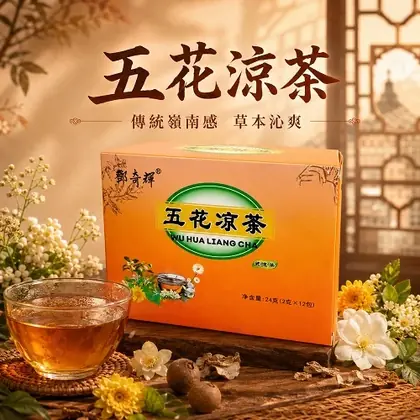
Five Flower Herbal Tea
Five Flower Herbal Tea is a traditional Chinese herbal tea blend formulated for daily refreshment and light...
View product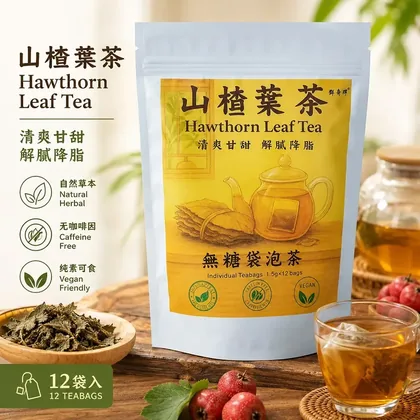
Hawthorn Leaf Tea Bags Sugar Free
Hawthorn Leaf Tea Bags Sugar Free is a traditional herbal tea made from carefully selected hawthorn leaves,...
View product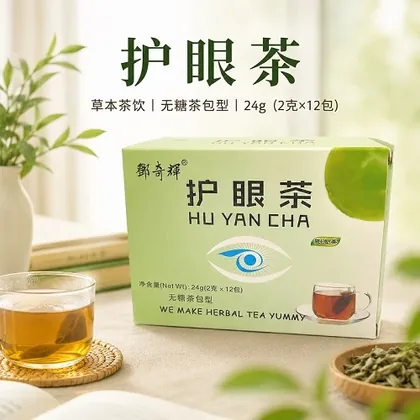
Hu Yang Cha Eye Wellness Tea
Hu Yang Cha Eye Wellness Tea is a traditional Chinese herbal tea formulated for daily eye comfort and...
View product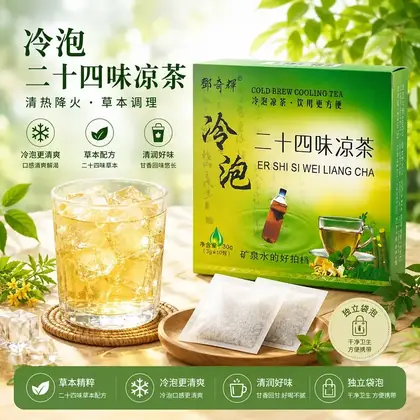
Cold Brew 24-Herb Cooling Tea
Cold Brew 24-Herb Cooling Tea is a sugar-free herbal tea designed for convenient cold preparation. Each...
View productQuote for Polygonatum Lily and Chrysanthemum Tea
Send the quantity and market and we will confirm packing, terms and lead time in writing.