
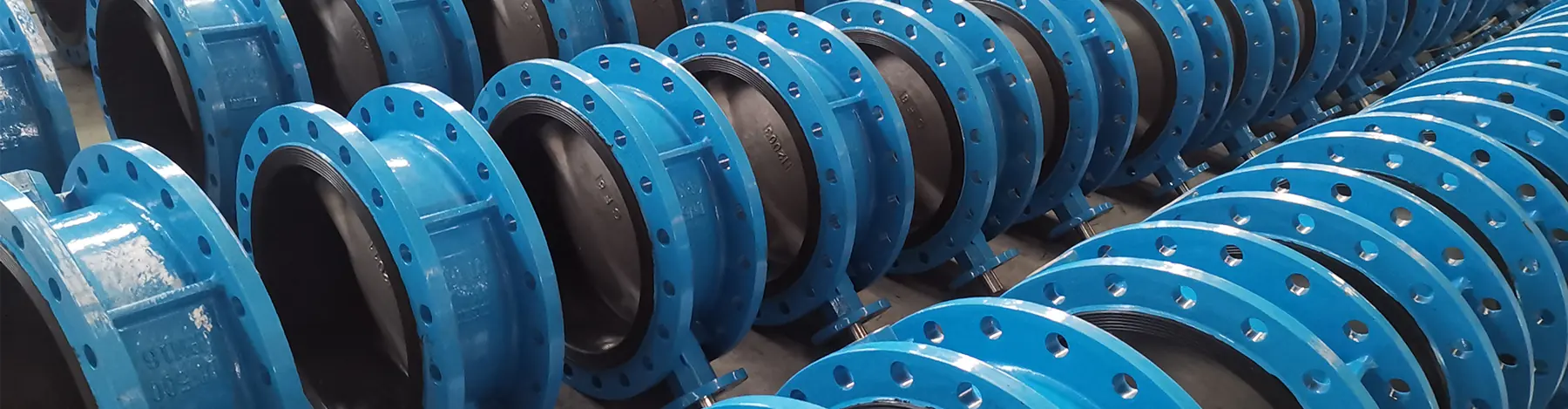
Resilient Seated or Metal Seated Gate Valves
Soft seat or metal seat changes sealing behaviour, maintenance and service life. A practical comparison.
The Core Difference Is How the Seat Holds the Seal
Resilient seated gate valves use a flexible rubber or elastomer seat that deforms under pressure to create a tight seal against the gate. Metal seated gate valves rely on precision-machined metal-to-metal contact, where both the gate and seat are hardened and lapped to maintain a seal under high pressure and temperature. The choice depends on the medium, pressure, temperature, and required service life.
- Resilient seat: uses rubber or elastomer that compresses to seal against the gate
- Metal seat: uses hardened metal surfaces that mate under pressure for a tight seal
- Resilient seats are better for clean or slightly dirty water, metal seats for high temp and abrasive media
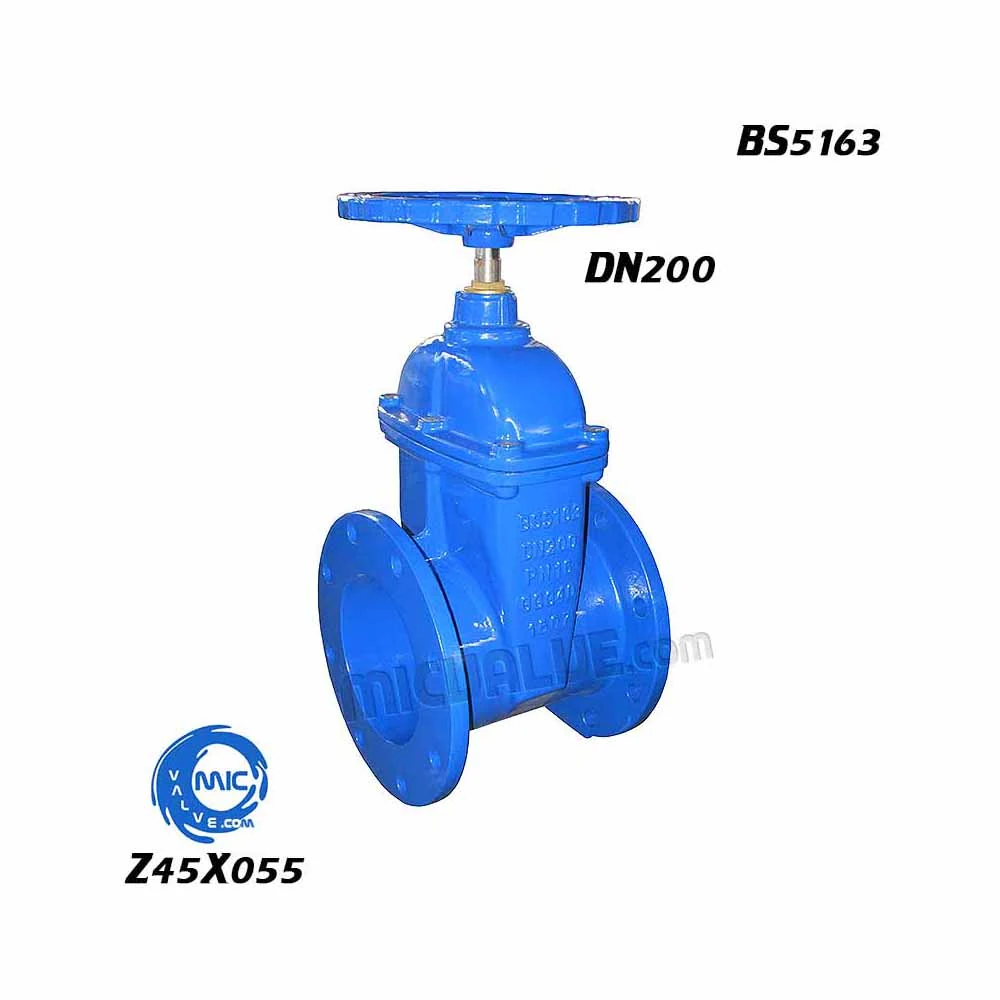
See Z45X055 Non-rising Stem Resilient Seated Gate Valve BS5163
When to Choose Resilient Seated for Water and General Service
Resilient seated gate valves are ideal for clean water, wastewater, and low to medium pressure systems where a tight shutoff is needed without high operating torque. They are commonly used in municipal water supply, heating systems, and general industrial piping where the medium does not contain solids or abrasives.
- Best for DN10 to DN2600 mm in water and non-abrasive liquids
- Low operating torque due to elastomer seat flexibility
- Seal integrity maintained even with minor seat wear
When to Choose Metal Seated for Harsh or High-Pressure Environments
Metal seated gate valves are designed for high-pressure, high-temperature, or abrasive service. They are used in petrochemical, power generation, and metallurgical applications where elastomer seats would degrade or fail. The metal-to-metal seal resists erosion, thermal cycling, and high differential pressure.
- Suitable for pressures up to 4.0 MPa and temperatures beyond elastomer limits
- Used in pipelines with sand, slurry, or high-velocity media
- Longer service life in aggressive environments
Browse Metal Seated Gate Valves
Torque and Actuation Considerations
Resilient seated valves require less torque to open and close, making them suitable for manual operation or small actuators. Metal seated valves require significantly higher torque due to the rigid metal contact, so they typically need a gearbox or electric actuator for reliable operation, especially in larger sizes.
- Resilient seated: lower torque, suitable for lever or small actuator
- Metal seated: high torque, requires gearbox or actuator for sizes over DN200
- Confirm torque requirement on request based on size and pressure
Maintenance and Wear Patterns
Resilient seats wear over time and may need replacement after extended use, especially in dirty or abrasive media. Metal seats wear slowly and are often repairable through lapping or re-machining. The gate and seat in metal seated valves are designed to be serviceable in the field with proper tools.
- Resilient seat: replaceable but may degrade in dirty or high-temp service
- Metal seat: long life, repairable via lapping or reconditioning
- Metal seated valves allow for in-line maintenance in some configurations
A Checklist Before You Order
To avoid field issues, confirm these five points before placing your order. Missing any can lead to seal failure, excessive torque, or premature wear.
- Nominal diameter and flange standard for both pipe ends
- Operating pressure and temperature range of the service
- Nature of the medium: clean water, slurry, chemical, or high-temperature steam
- Expected number of cycles per day and whether actuation is manual or automatic
- Whether the valve will be used in a dead-end or continuous flow configuration
Product Families Covered in This Guide
Resilient Seated Gate Valves
Non-rising stem gate valves with resilient rubber seats, designed for medium- and low-pressure applications in water, power, petrochemical, and industrial piping systems, manufactured in Tianjin and exported globally.
Metal Seated Gate Valves
Metal seated gate valves with non-rising or rising stems, designed for medium- and low-pressure isolation in water, power, petrochemical, heating, marine, pharmaceutical and metallurgical pipelines, manufactured in Tianjin and exported globally.
Questions On This Topic
Can I use a resilient seated gate valve in a high-temperature steam line?
No. Resilient seats are not rated for high-temperature steam. Use a metal seated gate valve for temperatures above 150°C.
Is the torque for a metal seated gate valve the same as for a resilient seated one?
No. Metal seated valves require significantly higher torque due to metal-to-metal contact. Confirm torque on request based on size and pressure.
Can I replace a resilient seated gate valve with a metal seated one of the same size?
Yes, in terms of physical fit, but the operating torque and actuator size may need to be upgraded. Confirm dimensions and torque on request.
Are metal seated gate valves suitable for shut-off in corrosive chemicals?
Only if the metal seat and gate are made from corrosion-resistant materials. Confirm material compatibility with the medium on request.
Do resilient seated gate valves need a special actuator?
No. They can be operated manually or with small actuators. Larger sizes may benefit from a gearbox for ease of operation.
Need This Checked Against Your Own Line Data
Send the pipe size, pressure, medium and temperature and our engineers will tell you which model fits.